News
3D Printed Electronic Skin Could Open the Way for Human-Machine Interaction
The skin is the largest human organ and the largest sensory connection to the rest of the world due to its more than 1,000 nerve endings. This makes it not just incredibly important to humans as they interact with their…
- 3 min read
- News
- Six more stories
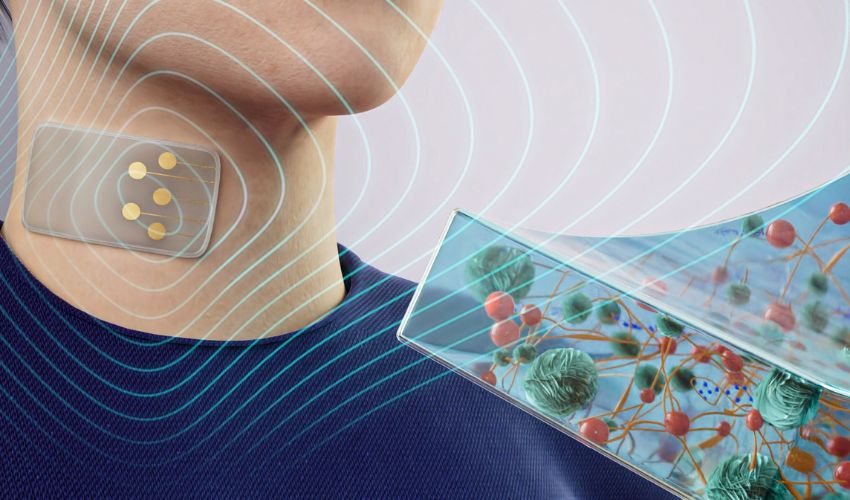
The skin is the largest human organ and the largest sensory connection to the rest of the world due to its more than 1,000 nerve endings. This makes it not just incredibly important to humans as they interact with their environments, but also very difficult to replicate, including through 3D printing. However, that may no longer be the case. Researchers at Texas A&M University have developed a 3D printed electronic skin, or e-skin, which they claim can flex, stretch and sense like human skin. The best part? They hope it could be the first step in future human-machine interaction.
Though it may sound like science fiction, calling on endless films and books talking about androids that are indistinguishable from human or life-changing bionic surgeries, this 3D printed electronic skin is undoubtedly reality thanks to the use of hydrogels and 3D printing. Not only that, but it could be very important for a number of applications, including for individuals with disabilities.
Dr. Akhilesh Gaharwar, professor and director of research for Texas A&M’s Department of Biomedical Engineering, explains, “The ability to replicate the sense of touch and integrate it into various technologies opens up new possibilities for human-machine interaction and advanced sensory experiences.” He continues, “The inspiration behind developing E-skin is rooted in the desire to create more advanced and versatile interfaces between technology, the human body and the environment. The most exciting aspect of this research is its potential applications in robotics, prosthetics, wearable technology, sports and fitness, security systems and entertainment devices.”
More from the desk
Six other notes from the rest of the bench.
 News3DExpress: The New iPhone Air Features 3D Printed USB-C Port3D printing has finally made its way into the iPhone! In this week’s 3DExpress, we’re covering stories that showcase the growing adoption of additive manufacturing: Siemens Energy reported its use of EOS 3D printers, Caracol announced an expanded presence in…
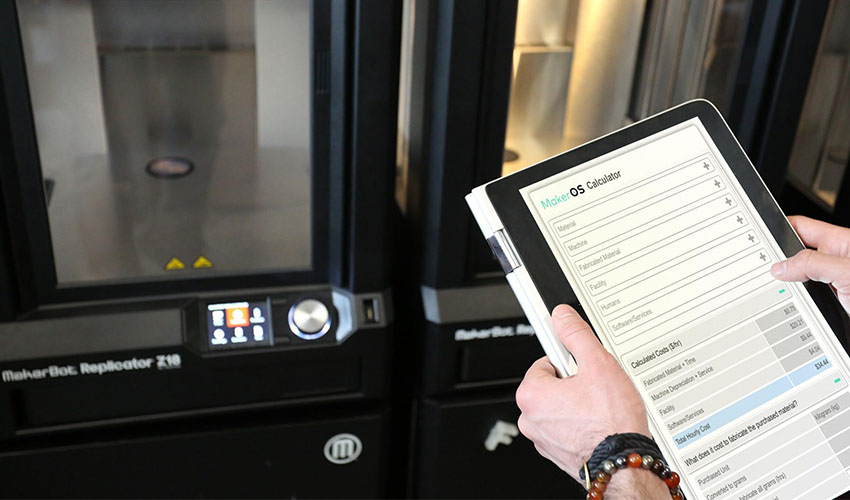 Software#3Dstartup: MakerOS’s collaboration platform optimizes the entire workflow for AM companiesEffective communication and collaboration with clients is at the core of leading successful projects. However, it can be difficult to scale up activity in additive manufacturing when the tools are dispersed across many different platforms. This is the challenge MakerOS…
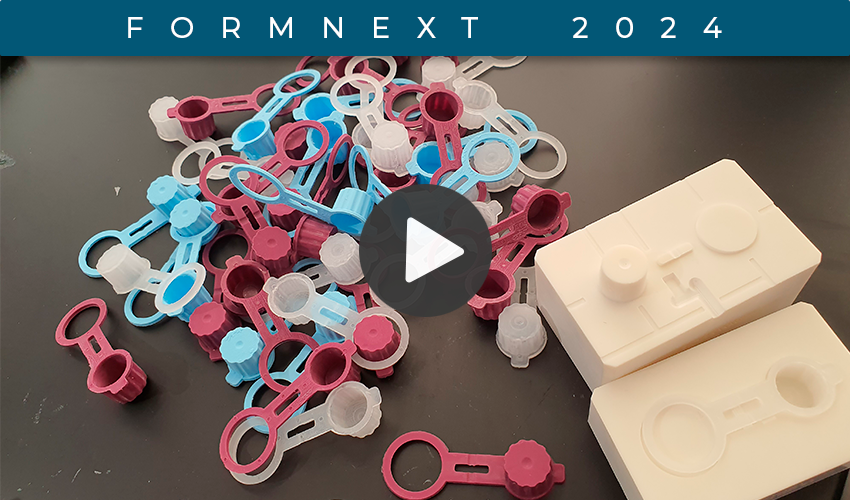 NewsLumia X1 and Hi-SPEED SLA from Axtra3DAxtra3D is a young AM company based in the USA and Italy that specializes in high-speed SLA systems. The start-up’s flagship product, the Lumia X1 printing system, combines Hybrid PhotoSynthesis polymerization with TruLayer, a technology for layer separation. The special&he
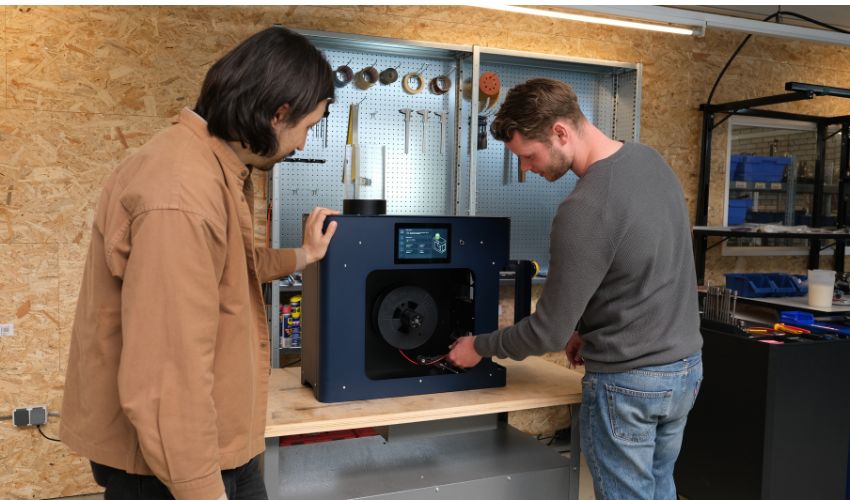 MaterialsHow Recycling MJF & SLS Powder into FDM Filament Promotes Sustainability in Additive ManufacturingNever has there been so much discussion of environmental damage and awareness of our impact on the planet. Whatever the sector, environmental protection is at the heart of many concerns. And the 3D printing market is no exception. With the…
 GuidesarchiREEF on Saving Coral Reefs With 3D PrintingOne of the greatest ecological problems facing our planet is the devastation that is facing coral reefs worldwide. These eco-systems are crucial to biodiversity of our oceans, yet they are being destroyed at an alarming rate. Already, up to half…
 NewsTop 5 Videos: 3D Technology Used in Food Production PlantsIn this weekly compilation of videos on 3D printing, we will focus on several industries that have adopted additive manufacturing methods. We will start with the food and beverage sector, as 3D technology is increasingly being implemented in food production…