Applications
#3DExpress: Dubai’s First Fully 3D Printed Boat
This week, we’re taking you on a boat tour, and not just any boat! It’s a boat entirely 3D printed by a Dubai-based company. Thanks to 3D technologies, the company is able to drastically reduce manufacturing lead times, thereby boosting…
- 3 min read
- Applications
- Six more stories
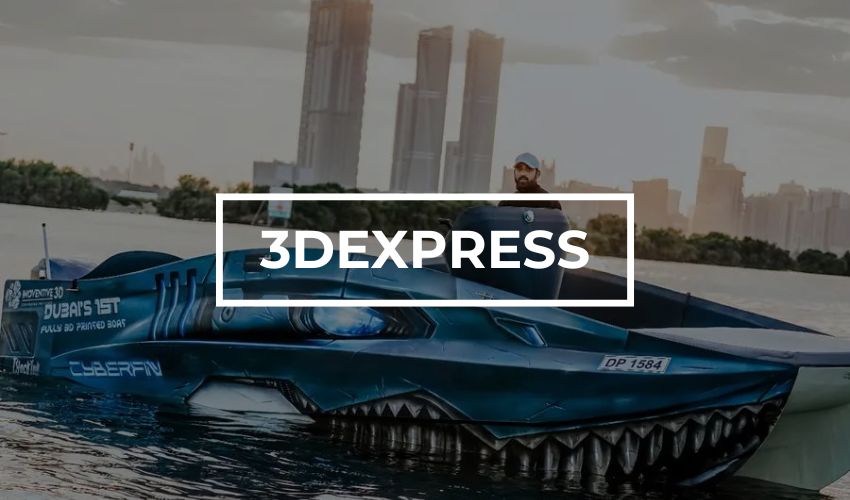
This week, we’re taking you on a boat tour, and not just any boat! It’s a boat entirely 3D printed by a Dubai-based company. Thanks to 3D technologies, the company is able to drastically reduce manufacturing lead times, thereby boosting productivity. What’s more, the structure is made from recycled plastic. In this 3DExpress, you’ll also take to the skies: a Polish airline has opted for additive manufacturing to design the new seat armrests for its Boeing 737s. This frees the company from the problem of spare parts, and gives it greater flexibility. Enjoy your trip!
A Fully 3D Printed Boat in Dubai
As you know, the city of Dubai is increasingly looking at the use of additive manufacturing to create its infrastructure. It would seem that this use is also extending to transport, and more specifically to boats. In fact, the company Inoventive 3D has just revealed the city’s first fully 3D-printed boat. Called Cyberfin, it measures 10 meters long, 2.1 meters wide and 2.7 meters high, and is made from recycled marine waste. According to the company, it took precisely 6 days and 9 hours to manufacture (compared with 3 to 4 months using traditional methods). It has a capacity of 10 people. Inoventive 3D intends to speed up production of these boats – it could 3D print 6 to 7 structures a month.
Armrests Made With Additive Manufacturing in Boeing 737s
LOT Polish Airlines is Poland’s national airline, serving numerous destinations worldwide. Its fleet includes several Boeing 737s. And the reason we’re telling you about it today is that economy-class seats are now equipped with 3D-printed armrests. To be precise, the airline has received 1,200 armrests. Previously, these were manufactured using more traditional methods, with assembly steps that weakened the armrest’s lifespan. They were fitted with a cap attached to an injection-molded frame. But the cap often tended to detach from the frame, causing regular breakage. To overcome this problem, LOT approached AM Craft, who used FDM technology and ULTEM 9085 filament. The armrest was completely rethought in terms of design to avoid these assembly steps and the risks mentioned. Not only is the final armrest stronger, it’s also quicker to obtain, and the airline is freed from the problems associated with spare parts and storage.
More from the desk
Six other notes from the rest of the bench.
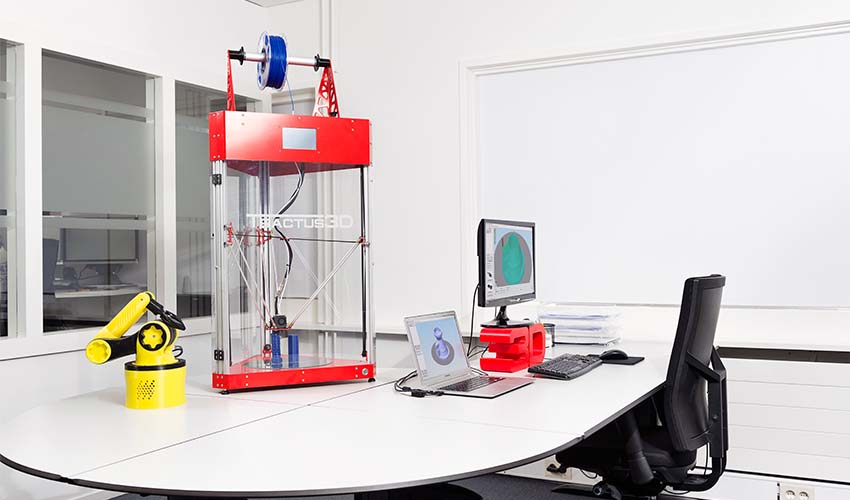 PrintersTractus3D expands product range for its high-temperature 3D printersNot too long ago we told you about Tractus3D’s high-temperature 3D printing solutions for high-performance materials such as PEEK, PEKK and ULTEM. Daniël van Mourik, the Chief Technical Officer and Founder of the Dutch company explained: “Six years ago I…
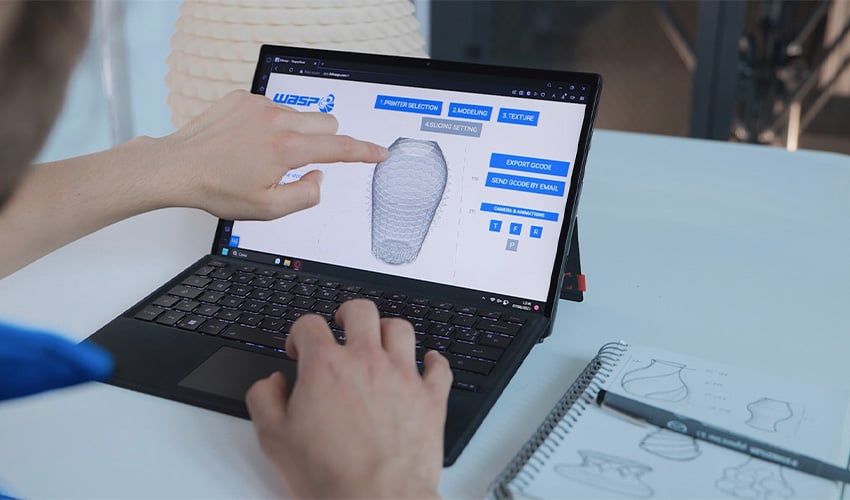 SoftwareWASP Unveils New Parametric Design Software AppWASP holds a significant position within the construction 3D printing sector. The company from Italy has introduced the WASP App, a parametric design software aimed at enhancing the user experience in crafting with clay. Clay has emerged as a primary…
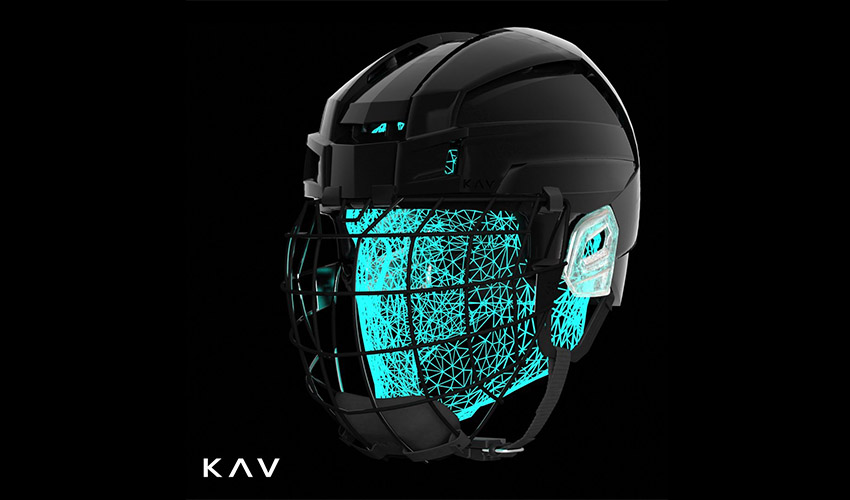 NewsAre 3D printed helmets becoming the norm?In the world of sports, additive manufacturing technologies can offer many benefits to athletes. Sporting equipment can be custom-made, geometrically more complex and made from smarter materials. Over time, manufacturers have understood the benefits of integrating 3D printing pie
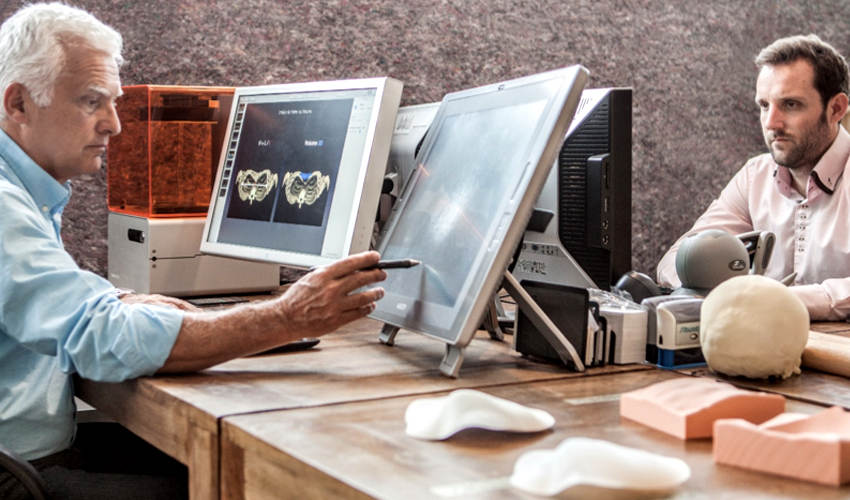 GuidesStartup of the Month: AnatomikModelingThis week’s startup of the month is AnatomikModeling, a company focusing on using 3D tech to help improve various conditions such as for congenital thoracic pathologies. Despite only being started two years ago, AnatomikModeling is an exciting new company that…
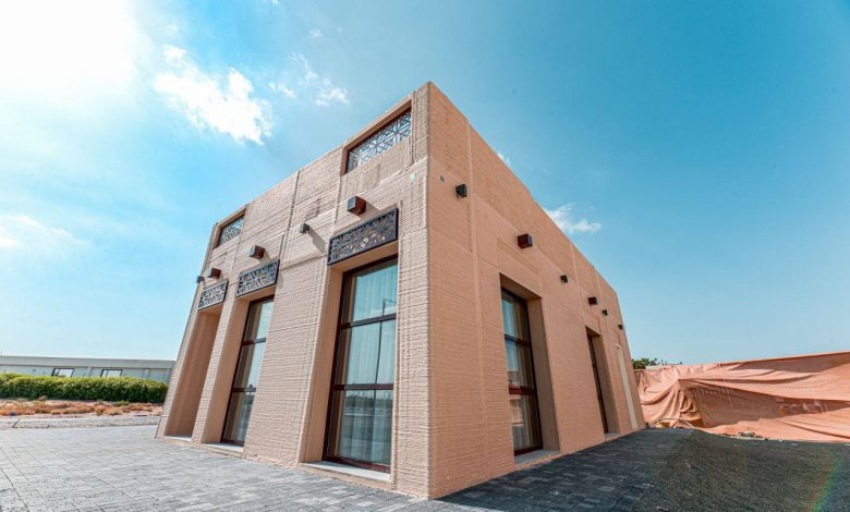 News3D Printed Villa in the UABIn the United-Arab Emirates, MEET (Middle Eastern Engineering Technologies) just finished the construction of the MEET 3D Villa. The villa was printed in just 2 weeks in Sharjah, in the heart of SRTIP, with the help of the CyBe team’s…
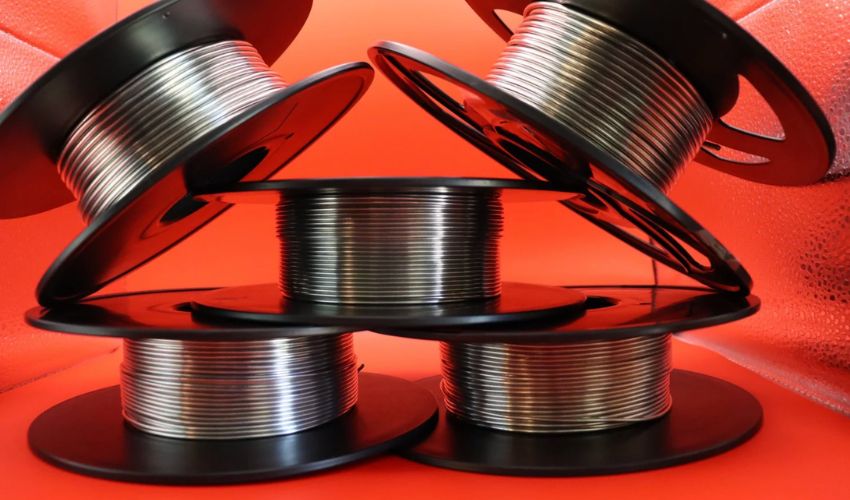 Materials#3DStartup: Kupros’ Cu29: A Conductive Copper Filament for FDM Electronics an Expert Said Would “Never Be 3D Printed”When Ian Ramsdell, founder of Kupros, started asking electronics specialists about 3D printing copper, he faced plenty of skepticism. One expert, in Ramsdell’s recollection, insisted it could not be done and never would be: “Copper can’t be 3D printed, it’ll…