Printers
AL3D-Power Trio: ALPHA LASER Combines Safety, Resource- and Cost-Efficiency in One Metal 3D Printing System
“How can we provide our customers with the best possible support for their tasks with a new machine?” – This question is at the beginning of all product development at ALPHA LASER GmbH. The company has set itself forth as…
- 3 min read
- Printers
- Six more stories
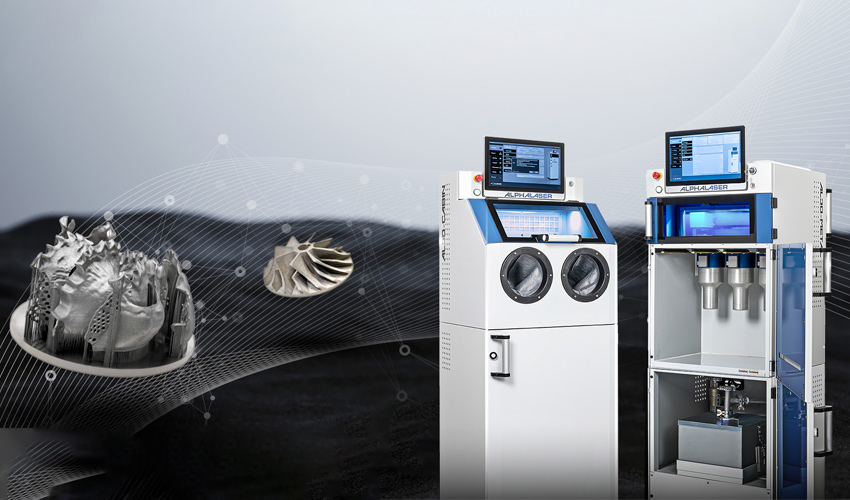
“How can we provide our customers with the best possible support for their tasks with a new machine?” – This question is at the beginning of all product development at ALPHA LASER GmbH. The company has set itself forth as one whose employees breathe life into the machines and thus help users to perform their work at the highest level. The Puchheim, Germany-based family business was founded back in 1994 and has been a pioneer in the development and manufacture of laser systems for welding, powder cladding and metal hardening ever since. Thanks to its flexibility, durability and the enormous range of laser power classes, ALPHA LASER GmbH systems can be found in a wide variety of sectors in trade and industry. Examples include classic sectors such as tool and mold making, the automotive industry and sheet metal processing, as well as the dental, medical technology and jewelry industries.
ALPHA LASER combines engineering expertise with state-of-the-art manufacturing techniques and is constantly adapting to changing market situations. With the rise of additive manufacturing combined with the company’s profound knowledge of laser material processing, it was therefore only a logical step to add a 3D printer developed in-house to the product portfolio. In 2020, the AL3D printer system was finally presented – a complete solution for metal additive manufacturing using metal powder bed laser beam melting (laser powder bed fusion – LPBF).
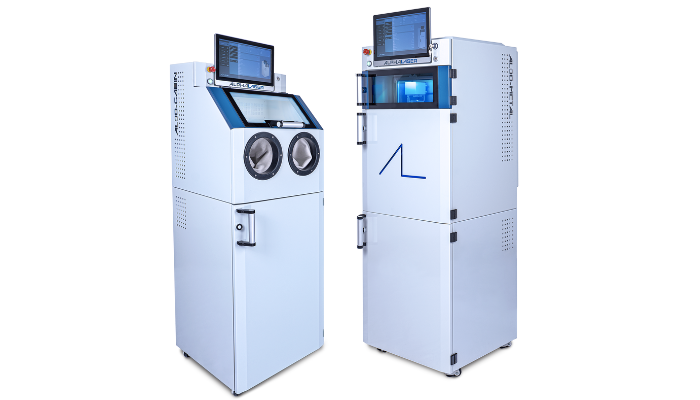
ALPHA LASER has been a specialist in laser treatment options for 30 years. The AL3D is the company’s first 3D metal printer
Metal 3D printing offers some significant advantages over conventional manufacturing processes using injection molding or machining. These include increased sustainability, almost unlimited design freedom for the components to be manufactured and reduced production time and costs. Machining production results in a material loss of up to 70%, whereby the chips have to be further processed in a complex and energy-intensive recycling process.
More from the desk
Six other notes from the rest of the bench.
 ApplicationsRICOH’s 3D Printed Breast Cancer Surgical Models at RAPID + TCT: The Future of Patient-Specific Healthcare?One in eight women in the United States has or has had breast cancer, making it the most common cancer in women in the country after skin cancer. Yet, despite its predominance, there still needs to be significant innovation in…
 NewsThe Coolest Metal Applications at Formnext 2024It goes without saying that at Formnext attendees will see incredible solutions, whether for 3D printing, software or materials. But what should also not be ignored are the amazing applications that different companies are bringing to their booths. At Formnext…
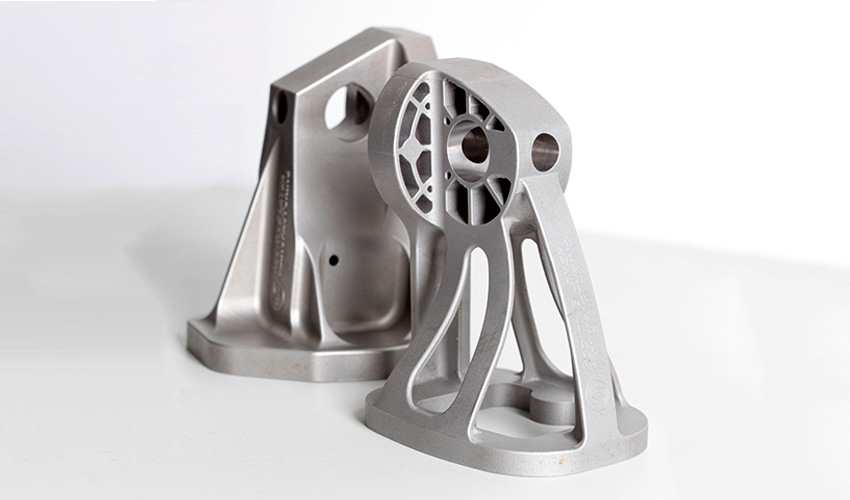 Guides#3DStartup: AMendate develops topology optimization softwareNot only the printers and filaments play a crucial role in additive manufacturing. Equally important is the software with which the models are edited. For this, AMendate developed a topology optimization software. Topology optimization is a process by which basic shapes…
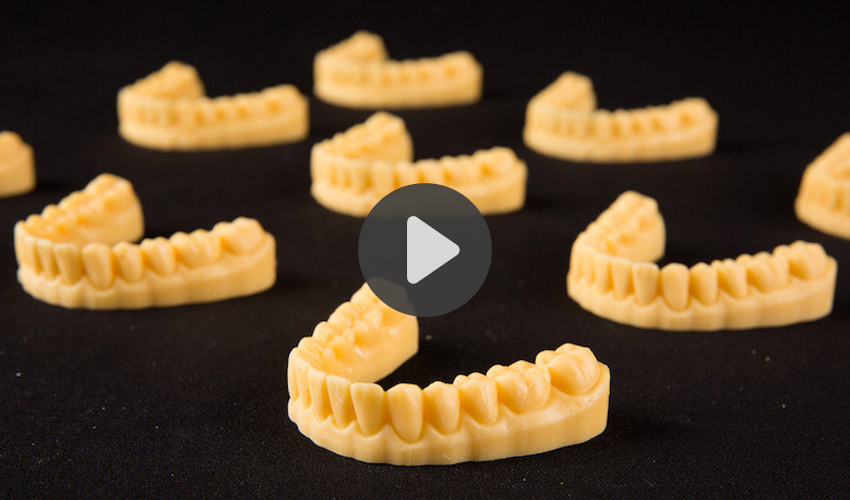 NewsTOP 5 videos of the week: Dental 3D printer, sustainable building & more!We found the TOP 5 videos of the week related to 3D printing and collected the additive manufacturing here. Share your videos and comment on the article below or on the 3Dnatives’ Facebook or Twitter account. Hope you’ll enjoy and…
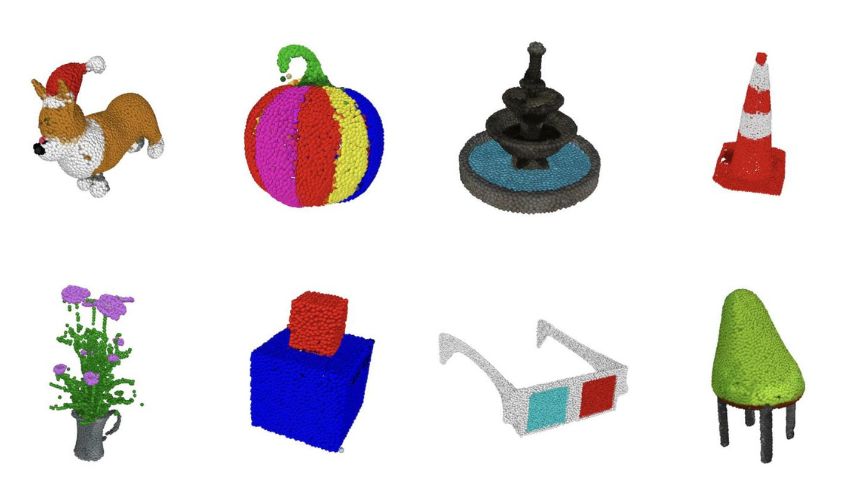 SoftwareOpenAI Announces Point-E System to Create 3D Models Using AIEvery day, there are more and more moments in our daily lives where Artificial Intelligence (AI) is helping us, often without us even realizing it. This type of software, which simulates human behavior and even thinking, finds solutions to certain…
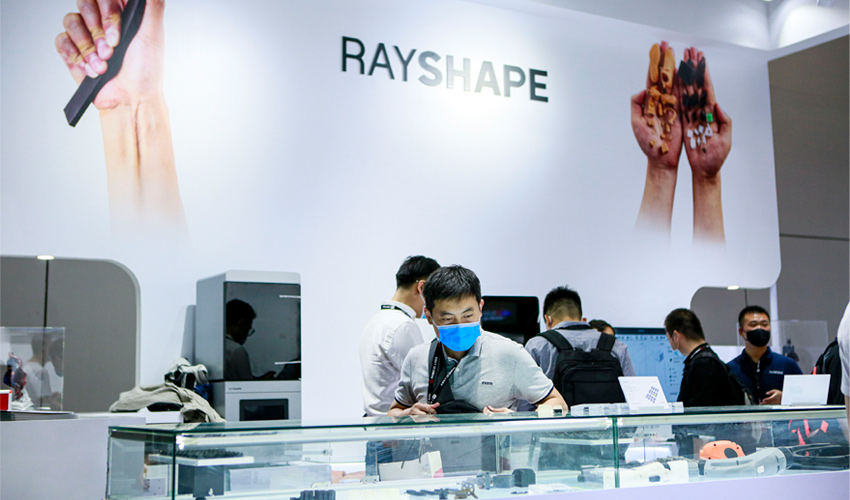 GuidesRAYSHAPE on the International Expansion of its 3D Printing SolutionsIt is abundantly clear that the additive manufacturing sector is growing every day. Indeed, this fact was already pointed out in the Wohlers report from this year, as it showed that the 3D printing market had registered even more extended…