News
3D Printing Stars in New Animated Film About Leonardo Da Vinci
The legendary genius of Leonardo da Vinci never ceases to inspire in the sciences, architecture, engineering, and the arts, from the rereading of human nature to anatomy. Leonardo was a true, all-around ‘Renaissance man’ the likes of which the world…
- 3 min read
- News
- Six more stories
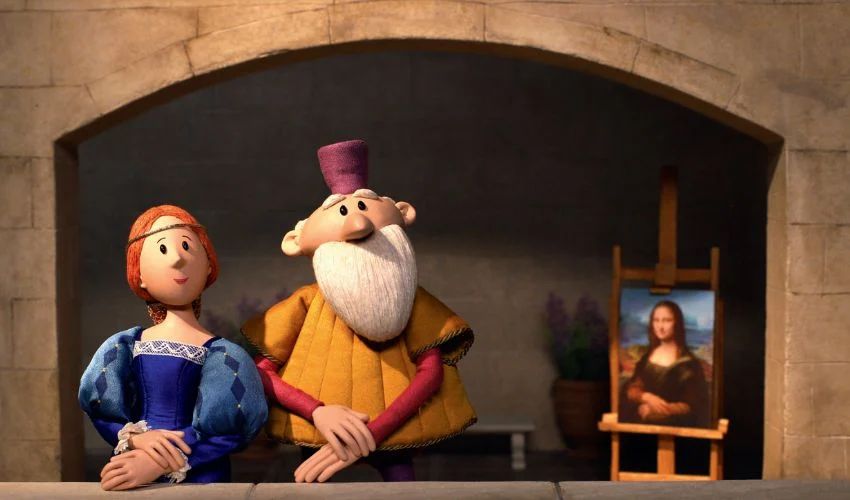
The legendary genius of Leonardo da Vinci never ceases to inspire in the sciences, architecture, engineering, and the arts, from the rereading of human nature to anatomy. Leonardo was a true, all-around ‘Renaissance man’ the likes of which the world has rarely ever seen, which is why we never tire of this unique historical figure. The latest piece of work inspired by Da Vinci’s story is the latest stop-motion animated film “The Inventor,” by Jim Capobianco in collaboration with French co-director Pierre-Luc Granjon and animation director Kim Keukeleire. Within this star-studded cast with Marion Cotillard, Daisy Ridley, Matt Berry, and Stephen Fry voicing the legendary inventor, we find history, art and technology, philosophy and astrology … and a surprising cast member: 3D printing!
Indeed, additive manufacturing was crucial in the production of the film, to make parts of Leonardo’s puppets and machines. Capobianco relied on French animation studio Foliascope and 3D technologies from Dassault Systemes throughout the production process. The 3D printing of the parts, on the other hand, was the work of the company, Initial. The film, first released in September 2023 in the United States, now lands in Europe. To learn more, 3Dnatives attended a private screening in Paris that anticipated the film’s release in French theaters on January 31st, 2024.
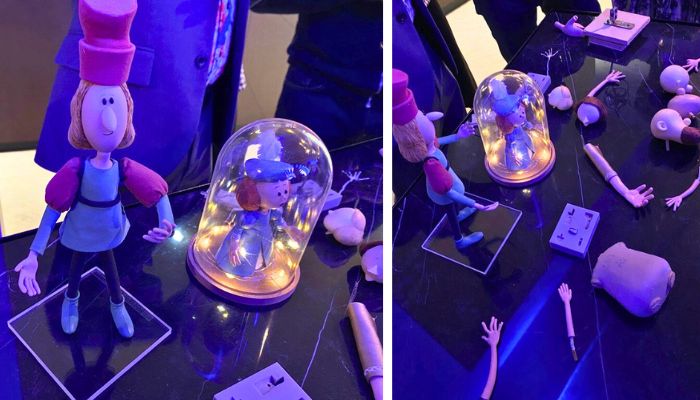
The puppets that appear in the film were made by hand with the help of 3D printing. (Credits: 3Dnatives)
Although an animated film, “The Inventor” is a great flick for young and old alike. It recounts Leonardo’s life in Italy, his clashes with the Pope in Rome and finally his choice to continue his studies in France, not without making some compromises. The production of this film rich in artistic and historical details took about two years. The production of the puppets alone, entrusted to the Foliascope studio, took a year, while another year was needed to make the film in stop motion.
More from the desk
Six other notes from the rest of the bench.
 NewsRAYSHAPE Arrives in Europe, Expanding its 3D Printer Partners and ResellersAdditive manufacturing is an increasingly widespread technology worldwide and one of the continents experiencing considerable growth is Europe. The greatest European demand for 3D printing comes from small and medium-sized companies looking not only for prototyping, but also for
  News3D printing in art: an evolution of the conceptThe arrival of 3D printing technologies in the 1980s opened a world of possibilities not only on the industrial level, but also for creative developments. From the cheapening of certain technologies and the opening of several patents, artists have daily…
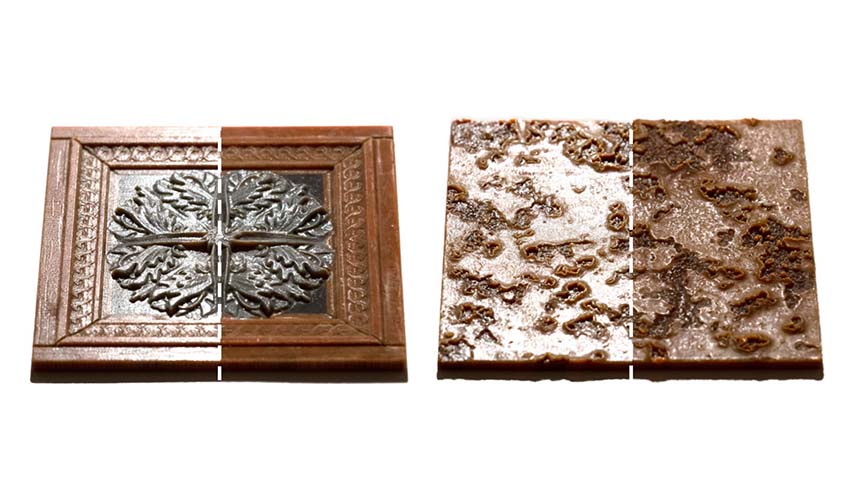 PrintersMIT 3D printing system reproduces realistic variations in glossinessRecently, MIT researchers developed a 3D printing system able of giving an object more salient features by reproducing its glossiness. Gloss remains a challenge to 3D print because hardware isn’t designed to deal with the different viscosities of the varnishes…
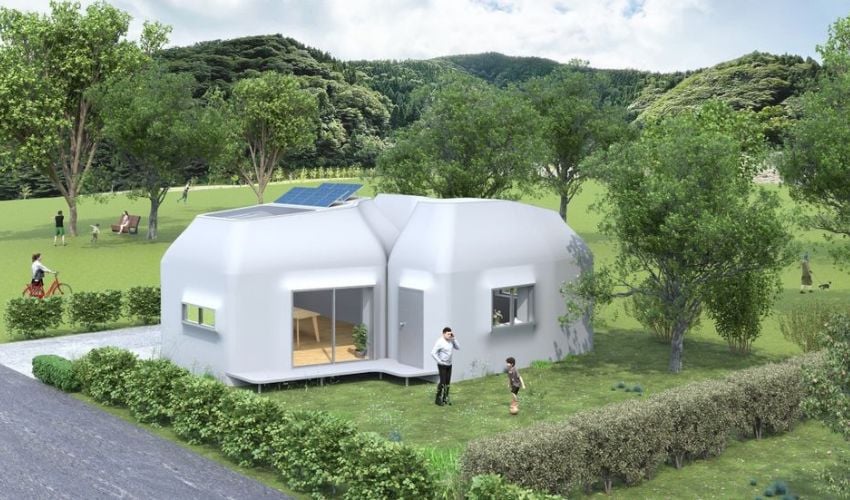 NewsSerendix50, the 3D Printed House That Costs Less Than a CarThe incessant inflation of housing prices is a matter of concern for millions of people. It is becoming increasingly expensive both to buy a house and to live in it, so that young and not so young people continue to…
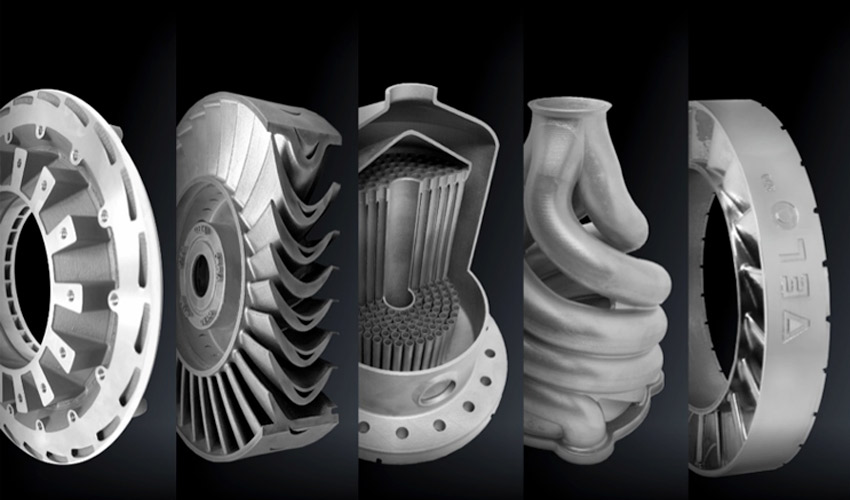 NewsWhat are the business benefits of support-less metal additive manufacturing?Today, metal additive manufacturing is still predominantly used to make functional prototypes, tooling components and spare parts. Step by step, it is starting to be employed for production-oriented use. In a study published by SmarTech Analysis, the consulting firm predicted&hel
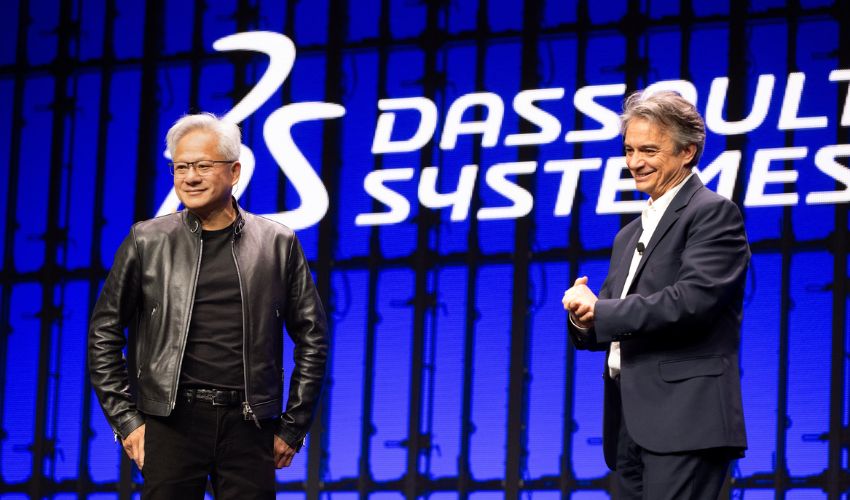 NewsDassault Systèmes Partners with NVIDIA to Deliver Skilled AI Agents: 3DEXPERIENCE World 2026 Recap3DEXPERIENCE World, an event that brings together SOLIDWORKS users to connect, develop their 3D software skills, and celebrate technological advancement, took place this year in Houston, Texas from February 1-4. Complete with keynote speeches, hundreds of informational sessions,