Applications
3D Printing Revolutionizes Cataract Surgery with Customized Lenses
Cataracts are one of the most common reasons for surgical interventions, making advancements in surgical methods and materials crucial. Researchers at the University of East Anglia have made a significant breakthrough in ocular device technology by developing a new type…
- 3 min read
- Applications
- Six more stories
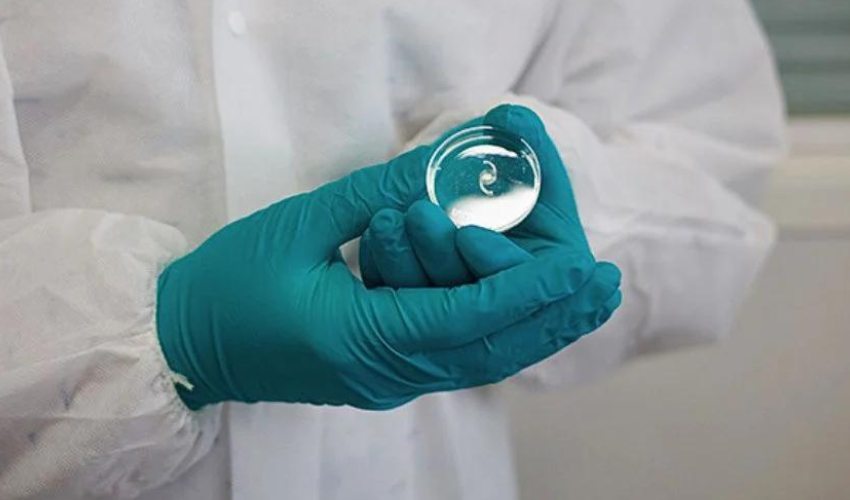
Cataracts are one of the most common reasons for surgical interventions, making advancements in surgical methods and materials crucial. Researchers at the University of East Anglia have made a significant breakthrough in ocular device technology by developing a new type of resin for 3D printing. This research, supported by the Innovation Development Fund, Proof-of-Concept grants, the Human Research Trust, and the Engineering and Physical Sciences Research Council (EPSRC), has the potential to greatly enhance the manufacture of eye implants used in cataract and refractive surgery. These implants can also correct myopia (short-sightedness), hyperopia (long-sightedness), and presbyopia. The artificial intraocular lens (IOL) developed is primarily intended for patients suffering from cataracts, a condition where the natural lens of the eye gradually becomes cloudy.
Various materials can be used to manufacture these lenses, such as glass and silicone. However, acrylic materials, which have undergone significant further development, are now predominantly used. Hydrophilic and hydrophobic acrylics are used because they offer optical clarity, high flexibility, and stability, which contributes to safety in the eye, and biocompatibility, which means that the 3D printed lenses can be easily implanted in the human capsular bag. Dr. Aram Saeed, Professor of Healthcare Technologies at UEA’s School of Pharmacy, explained, “For the first time, we have developed a resin that can be used to print ocular devices directly.”

The 3D Printed lenses are manufactured using turning and molding techniques, as these enable the production of optically high-quality products. However, the exact printing process is not known. Saeed emphasized, “Our work combines material science with healthcare technology and requires extensive know-how in developing these types of ocular devices.” In addition, the lenses offer many advantages over conventional methods, as they can be customized and thus adapted to the patient’s eye shape and visual needs. In the future, the combination of 3D printing and imaging technology can help to create lenses that adapt perfectly to the eyes and, therefore, cause fewer complications.
More from the desk
Six other notes from the rest of the bench.
 Applications3D printing accelerates supercar design and productionIn the automotive industry, additive manufacturing has established itself as a technology for prototyping and tooling applications. Car manufacturers can create prototypes to check fit and form before going further in the design process, and they can also create low-cost…
 ApplicationsGiveaway: Win a Free Copy of Metal Additive Manufacturing for Propulsion ApplicationsOne of the areas in which metal additive manufacturing has been showing its true value has undoubtedly been aerospace. Over the past few years we have seen it be used for everything from replacement parts in airplanes to entirely 3D…
 NewsFormnext Start-Up Challenge 2023: What Do This Year’s Winners Expect From the Event?The most anticipated event of the year in the Additive Manufacturing industry, Formnext 2023 is just around the corner. Held in Frankfurt, Germany, from November 7 to 10, companies and professionals from all over the world have already secured their…
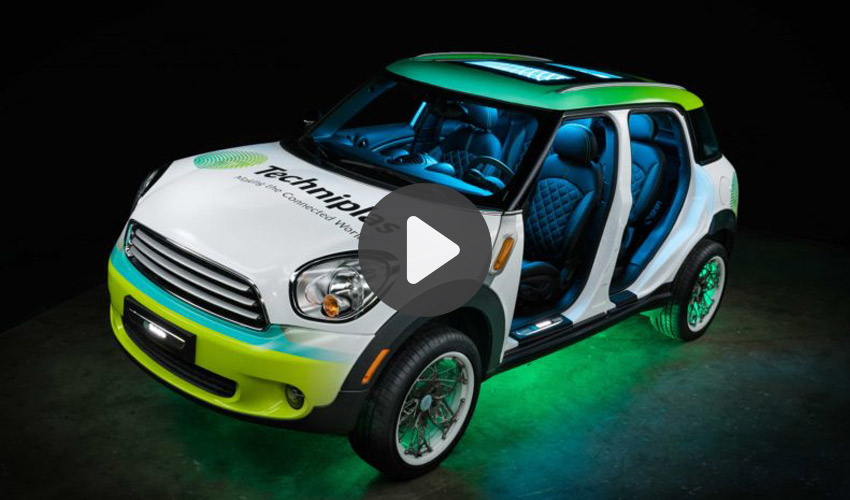 News#TOP5 videos: 3D printed mini cooper, recycling in space and more!We found the TOP 5 videos of the week related to 3D printing and collected the additive manufacturing here. Share your videos and comment on the article below or on the 3Dnatives’ Facebook or Twitter account. Hope you’ll enjoy and…
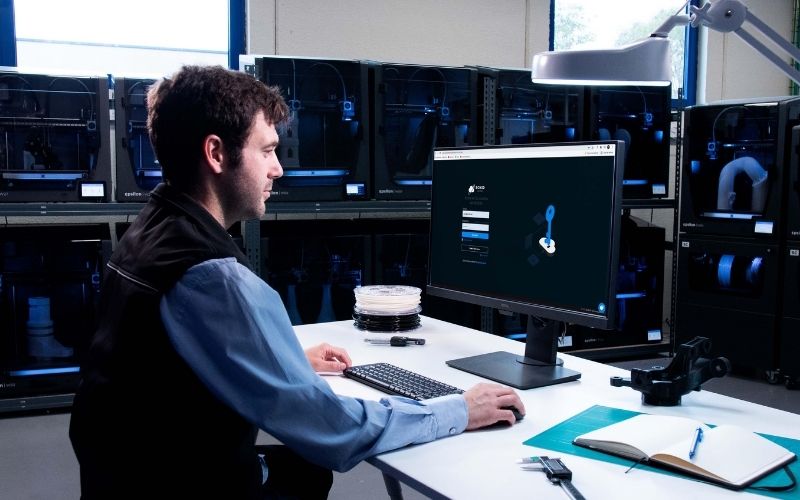 PrintersBCN3D Has Launched its New 3D Printer Cloud Management TechnologyEarlier this year, leading FDM printer manufacturer BCN3D acquired 3D printing cloud software management platform AstroPrint. Now, building on that acquired cloud technology, the Barcelona-based company is launching a new cloud platform, that will allow the centralization of remo
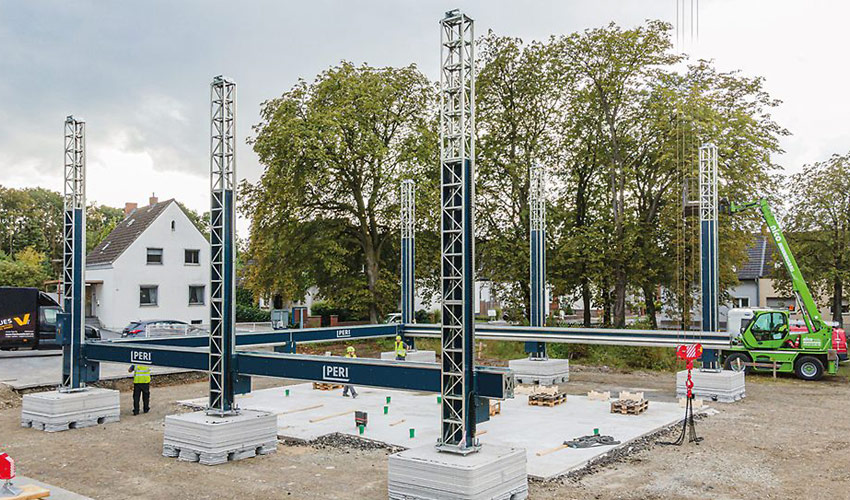 NewsThe first 3D printed residential building in GermanyThe first 3D printed residential building will be erected in Germany, more precisely in the city of Beckum, Westphalia. The two-storey house will offer 80 square meters per floor, with walls built by the concrete 3D printer BOD2 from the…