Applications
Seattle Children’s Hospital Uses Stratasys 3D Printing For Advanced Surgeries
Modern medicine regularly relies on the application of the latest technologies. In the past several months alone, 3D printing has helped save lives across the globe via various medical applications. So, it’s not surprising to find that 3D printing is…
- 3 min read
- Applications
- Six more stories
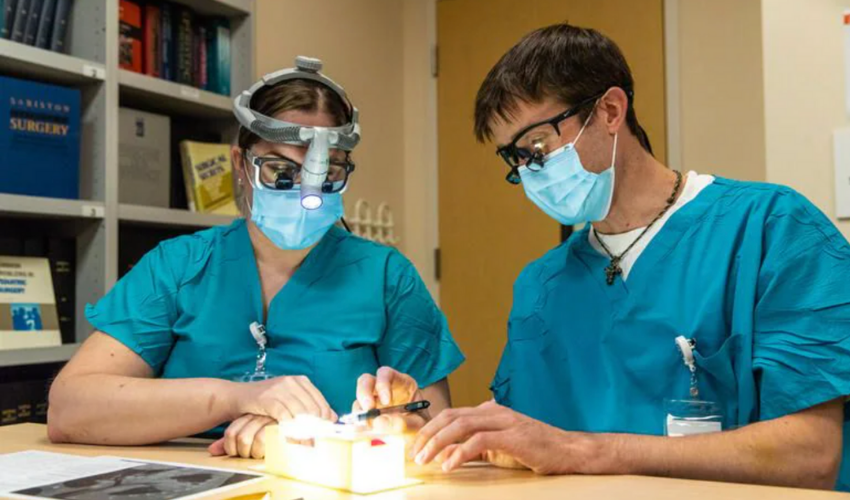
Modern medicine regularly relies on the application of the latest technologies. In the past several months alone, 3D printing has helped save lives across the globe via various medical applications. So, it’s not surprising to find that 3D printing is being used to save children’s lives and advance the course of pediatrics. One of the top Children’s Hospitals in America, Seattle Children’s Hospital has been employing Stratasys Digital Anatomy 3D printer to plan and practice complex surgeries in order to perform safe and advanced procedures in the operating room for patients with rare conditions.
Despite coming under recent criticism, throughout its 100-year history, Seatle Children’s has achieved world renown for its patient-centered care. Thanks to 3D printing, Seatle Children’s Hospital is able to create exact models of each patient’s particular case and disease. The patients are able to visually see what they have been diagnosed with as their physician explains the surgical procedure and medical plan.
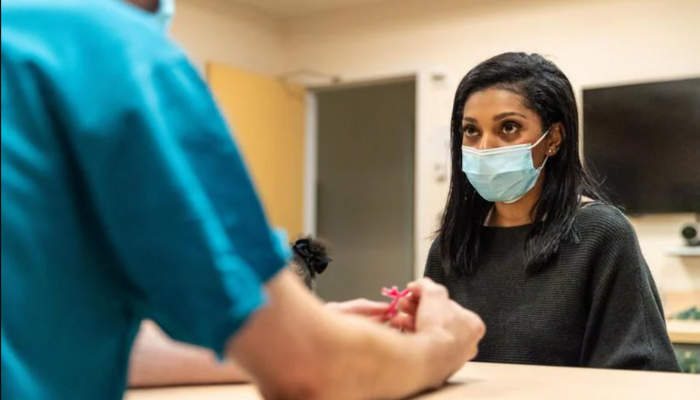
Kaalan Johnson, MD with 3D printed airway and patient’s mother. (Photo Credit: Stratasys)
Digital Anatomy 3D Printer
Many patients at Seattle Children’s have benefited from the Stratasys Digital Anatomy™ printer which is capable of creating anatomical models that mimic the feel and properties of actual tissue. As a result, the printer has enabled physicians to print patient-specific models with life-like properties, helping the surgical team with research and training. “The more opportunities that we’re able to utilize, to expand our horizons through the applications of technology, including 3D printing, the closer we’re moving to the finish line. And we’re making these things easier that has traditionally been very challenging and riskier to accomplish. We are making these situations become more favorable and the outcomes better for kids.” Kaalan Johnson, MD, and director of Seattle Children’s Aerodigestive Program, specializing in the treatment of children who have complex upper airway breathing and swallowing problems.
More from the desk
Six other notes from the rest of the bench.
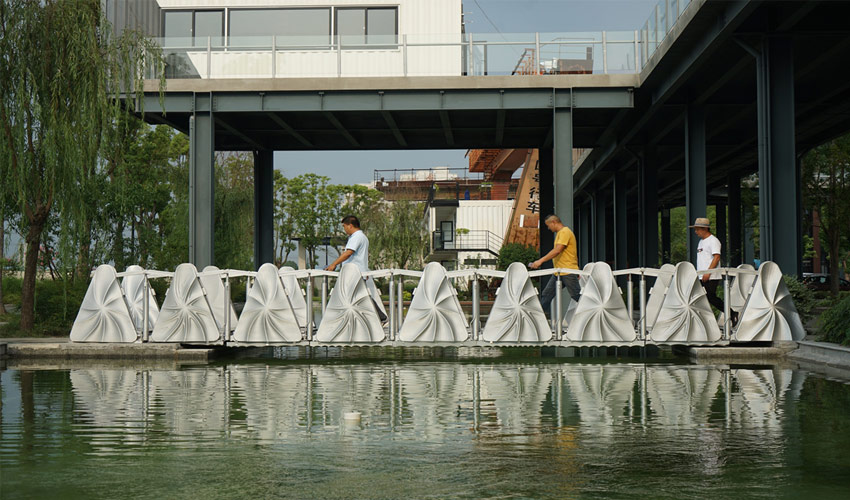 NewsChina Unveils its First Retractable 3D Printed BridgeIn China, the first retractable 3D printed bridge has been spotted in the industrial center of Shanghai’s Baoshan district, specifically in Wisdom Bay Park. While the area has had a 3D printed concrete bridge since January 2019, this is definitely…
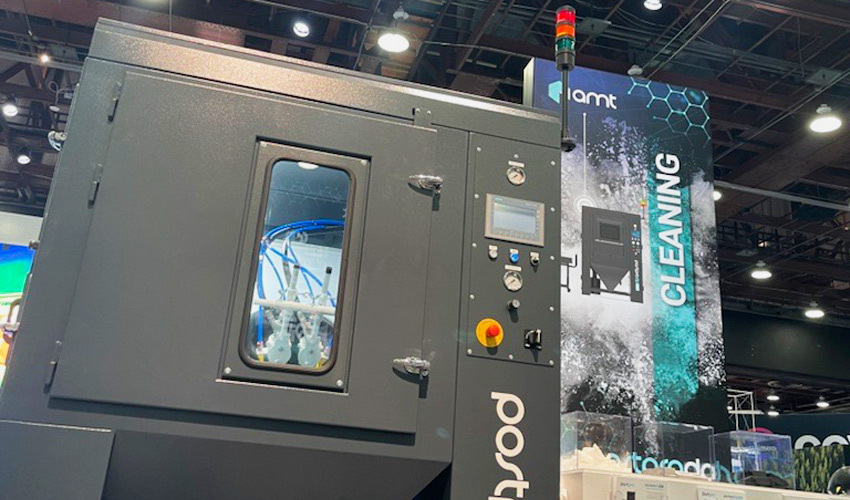 NewsHow to Reduce Costs by Automating Post-Processing in 3D PrintingProcess and workflow automation is a fundamental aspect of Industry 4.0. These types of automation systems serve to control and monitor a process, machine or device in a computerized way, with the goal of operating it automatically to improve production.…
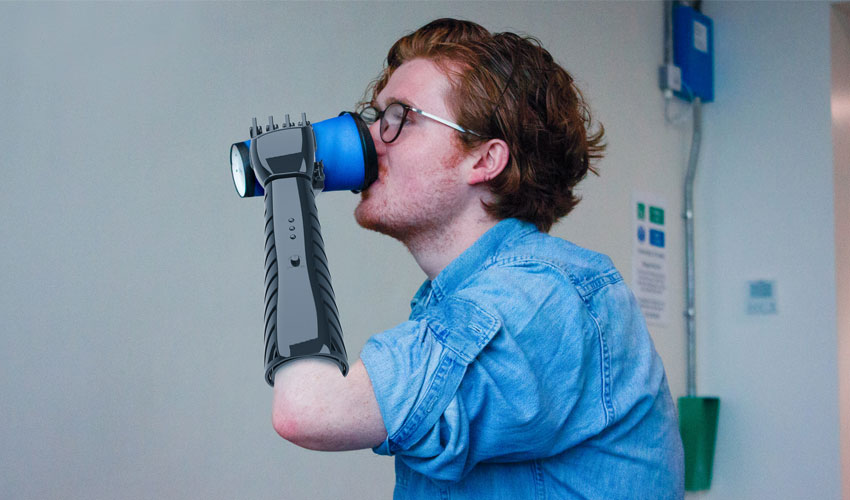 ApplicationsA student’s low-cost 3D printed prosthetic arm provides tactile feedbackLorenzo Spreafico, a student at the University of Leeds, has designed a 3D printed prosthetic arm with vibro-tactile feedback, allowing amputees to feel when they are touching something. This kind of device is usually very expensive, but additive manufacturing could…
 NewsGiant 3D printed butterfly sanctuary building in New York CityThe Brooklyn-based nonprofit architecture and urban design group, Terreform One revealed an incredible design concept for an urban ‘Monarch Butterfly’ sanctuary to be set in the Big Apple. The vertical meadow façade they imagined would be 3D printed in carbon…
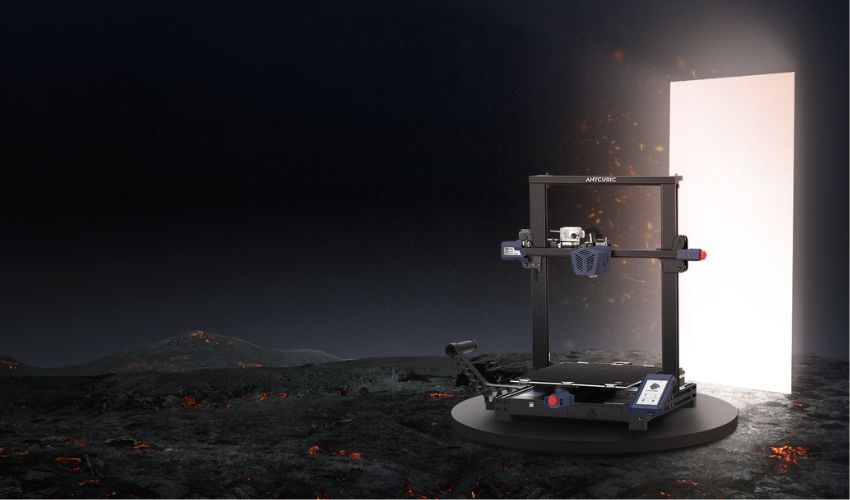 PrintersA Sneak Peek at Anycubic’s Next FDM Printer, the Anycubic Kobra PlusYou may remember earlier this year when Anycubic launched its Anycubic Kobra line with the Kobra as well as the Kobra Max. Now we have yet another exciting announcement from the company. Next week, Anycubic will be launching the latest…
 NewsFamily moved into social housing project with 3D printed house3D printing in construction have gained popularity over the past few years. Two years back the Yhnova project was launched, with the various stakeholders demonstrating how 3D technologies could be used to buildaffordable and sustainable housing. Now the 3D printed…