News
Berkeley Lab uses 3D Printing to print liquid structures
A team of scientific researchers at the Lawrence Berkeley National Laboratory claims to have developed a 3D printing method that can make fully liquid structures. This technique would use a very specific 3D printer that would deposit “water nets” in a…
- 3 min read
- News
- Six more stories
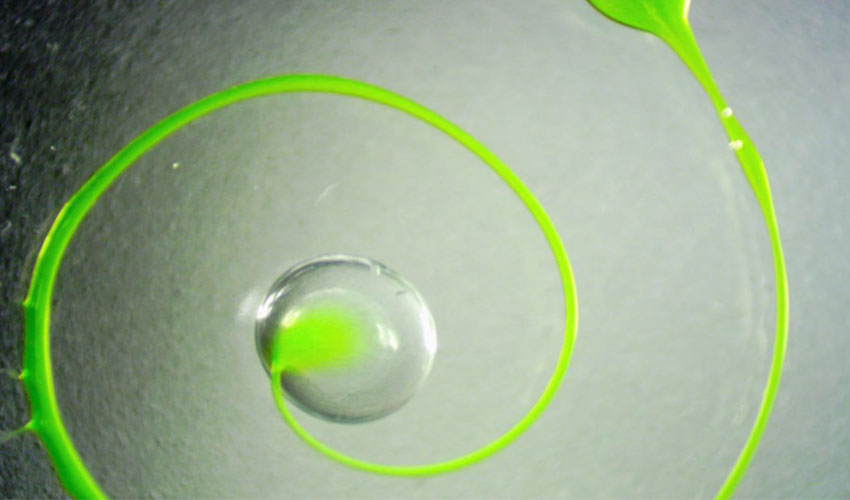
A team of scientific researchers at the Lawrence Berkeley National Laboratory claims to have developed a 3D printing method that can make fully liquid structures. This technique would use a very specific 3D printer that would deposit “water nets” in a liquid base made of silicone oil and which could be used for chemical synthesis and to manufacture liquid electronics.
3D printing is a manufacturing method that successively deposits layers of materials to form the desired structure, a material that is most often known in solid form. Only, Lawrence Berkeley’s researchers seem to have gone further in the development of their additive manufacturing technique which now extended to make liquid structures using a liquid material.
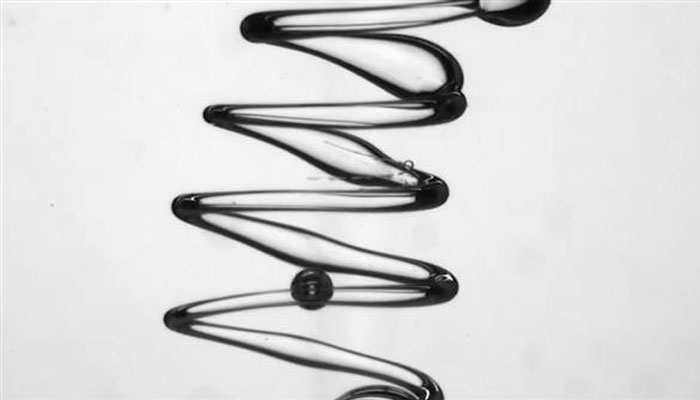
Berkeley Lab scientists explain that by printing thin streams of water in a substance made of silicone oil, they could create liquid tubes inside another liquid. At this stage of the research, the researchers have 3D printed nets of water between 10 microns and 1 mm in diameter and have created different types of structures including spiral and branch complex models up to a few meters high. They can even change shape and adapt to their environment. Researchers believe that this 3D liquid printing technique could have utility in the manufacture of liquid electronics but also for chemical synthesis. For this one, Tom Russell, a Berkeley Lab scientist, says, ” This is a class of materials that can be reconfigured and can be adapted as needed in liquid reaction vessels, whether for chemical syntheses or ionic transport by the way, by catalysis.
More from the desk
Six other notes from the rest of the bench.
 NewsAi Build implements AI to detect and correct 3D printing errors in real timeWe reported only yesterday on Inkbit’s new 3D printer – it is powered by machine vision and learning systems to correct printing errors in real time and to predict the warping behaviour of materials. Similarly, the London-based startup, Ai Build,…
 NewsMorphSensor, 3D design environment developed by MITToday, it is possible to 3D print a wide variety of objects from the comfort of your home: owning a desktop 3D printer allows virtually anyone to manufacture a robot dog or an anti-Covid necklace, for example. However, oftentimes, the…
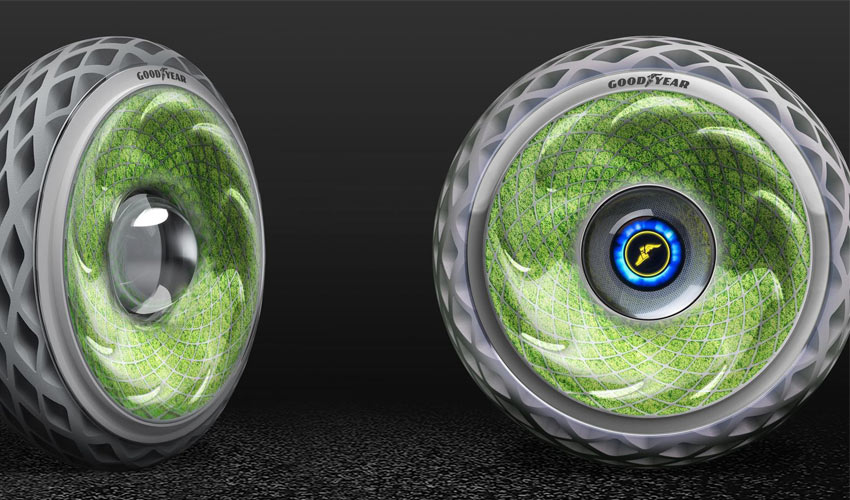 MaterialsOxygene, the 3D Printed Tire with Moss Growing In ItAmerican tire manufacturer Goodyear have recently released their latest tire concept, called Oxygene. This project combines 3D printing, artificial intelligence, and organic life to create an environmentally friendly and innovative tire. With over 100 years of experience manufact
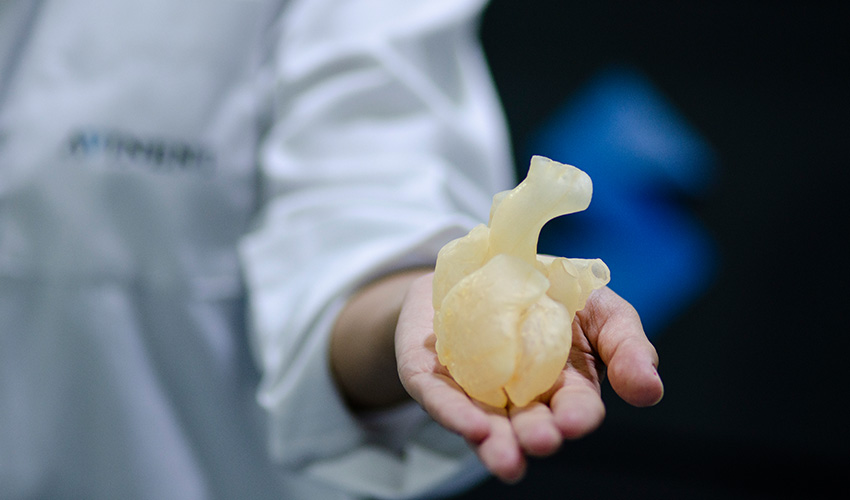 GuidesAVINENT: focusing on the future of tailor-made medical solutionsAVINENT is a Spanish company, specialised for 60 years in the automotive and aeronautics sectors. In 2006, it decided to open its medical division, dedicated to implant development; 6 years later, it integrated additive manufacturing into its design process in…
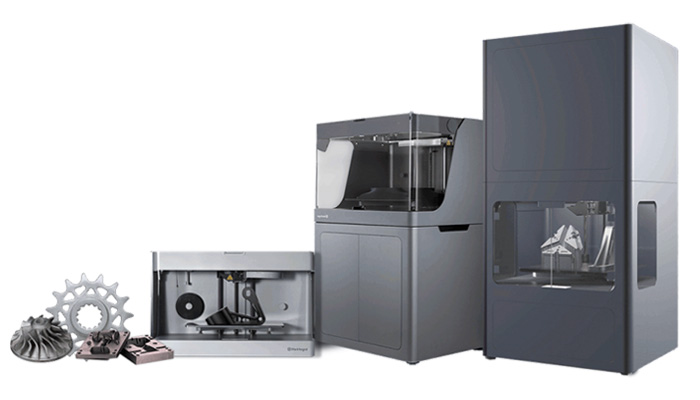 PrintersMarkforged launches two new industrial printers: the X3 and X5In less than 3 years, American 3D printing company, Markforged, has managed to position itself as one of the leaders in the 3D printing industry, with their main mission being to make additive manufacturing more accessible to people and industries. Today,…
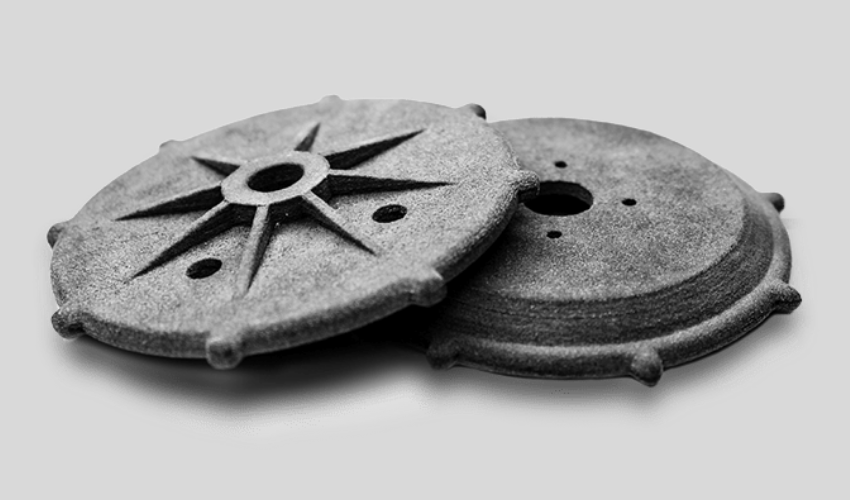 MaterialsImpossible Objects and Owens Corning Join Forces to Develop Stronger, Cheaper 3D Printing MaterialsEarlier this week, Impossible Objects announced that it would be joining a development agreement with Owens Corning targeted at developing new materials for Impossible Objects’ revolutionary composite-based additive manufacturing (CBAM) process. While Impossible Objects is both a