News
3D Printing Has Brought a Dinosaur to Life
No, you’re not dreaming: in a few years’ time, dinosaurs could well be sharing our everyday lives… Thanks to 3D printing! A team of researchers from the University of Isla Nublar have announced that they have succeeded in recreating the…
- 3 min read
- News
- Six more stories
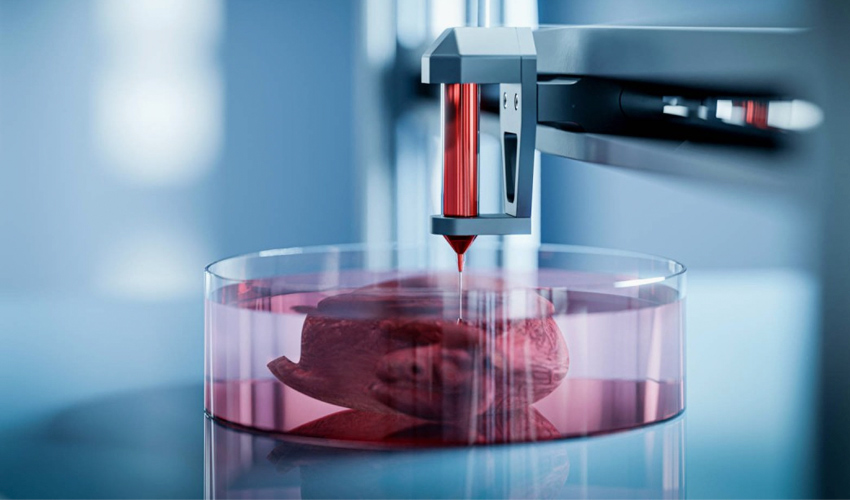
No, you’re not dreaming: in a few years’ time, dinosaurs could well be sharing our everyday lives… Thanks to 3D printing! A team of researchers from the University of Isla Nublar have announced that they have succeeded in recreating the embryo of a velociraptor using a 3D bioprinter and a specially developed ink. The ink was formulated from the DNA of a bird, the shoebill to be precise, the only member of the Balaenicipitidae family. The young dinosaur did not survive more than a few days after the successful 3D printing, but the researchers are very optimistic about future trials. Though this scenario sounds like something out of a science-fiction film, it is in fact further proof that bioprinting can work miracles, and that we’re only at the beginning of a major revolution!
Bringing an extinct animal species back to life is nothing new. By 2021, an American start-up, Colossal, had carried out extensive research to bring the woolly mammoth back to life, with potential implications for the fight against climate change. In this specific case, the aim is to study the behavior of dinosaurs and assess the place they might occupy in today’s society. A project which, however, raises a number of ethical questions.
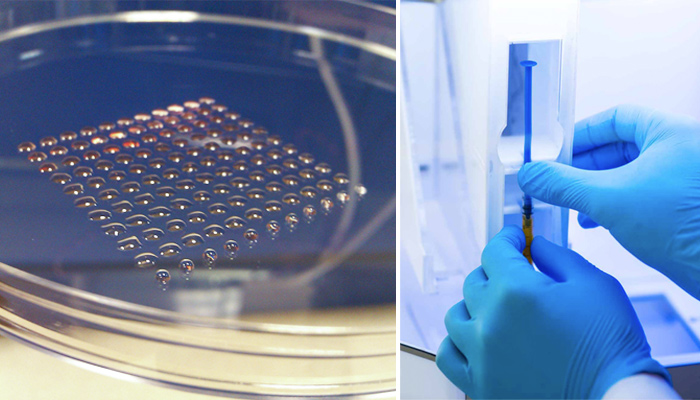
It took researchers at the University of Isla Nublar exactly three years to create a viable embryo.
Birth of a Velociraptor Thanks to 3D Printing
The first stage of the project was to develop the bioprinter – which, according to the press release, was an FFF machine that they adapted to apply ink. The ink is made from living cells harvested from a shoebill, or Balaeniceps rex, an imposing bird with a width of up to 23 cm, a length of 10 cm and a wingspan of up to 2.3 meters. The researchers explain that they have modified the bird’s molecular structure to reproduce the raptor’s DNA pattern, although the details of this procedure remain confidential. In any case, the 3D printer is capable of depositing the cells with extreme precision.
More from the desk
Six other notes from the rest of the bench.
 NewsTop 5 Videos: Slicing Resin 3D Prints and Avoiding Print FailuresWelcome to our compilation of this week’s most compelling 3D printing highlights. We kick off this week’s edition with our very own video, providing essential tips for resin slicing and 3D printing, complemented by a demonstration of solid printing techniques…
 NewsAMT Improves Post-Processing With its Digital Manufacturing SystemAMT is a leading developer of post-processing solutions for additive manufacturing. Its mission is to make this technology a viable alternative to traditional manufacturing through its line of automated post-processing solutions, called PostPro. It is once again at Formnext 2022&
 Applications#3DExpress: Materialise Gets EN 9100 Certification for Metal AMIn this week’s #3DExpress, certification is in the spotlight. First, Materialise announced that it had gained EN 9100 certification for its metal AM processes. Now, the Belgian company is looking to help the aerospace sector identify and source flight-ready 3D…
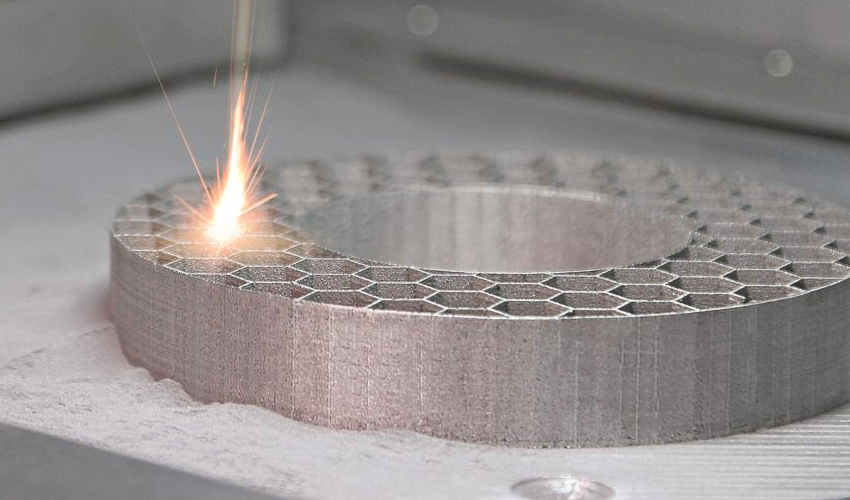 MaterialsA Complete Guide to Aluminum 3D PrintingAluminum is one of the most popular metals in the field of industrial production and, more specifically, in additive manufacturing. It is a strong, lightweight metal alloy that offers an ideal combination of mechanical and thermal properties. Companies involved in…
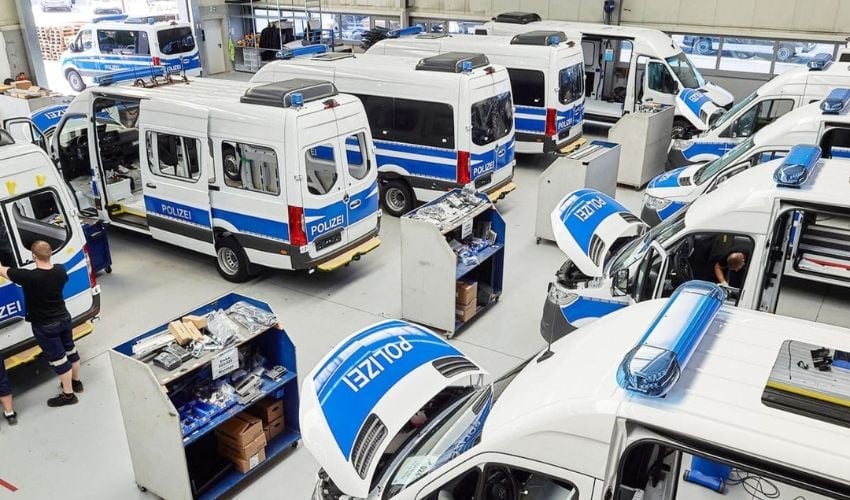 ApplicationsApplication of the Month: Customizing Police Vehicles With SLS 3D PrintingPolice vehicles are not like other cars. Although they may look much like normal vehicles on the outside, apart from their lettering and sirens, they are very different on the inside. In fact, patrol cars are specially equipped to carry…
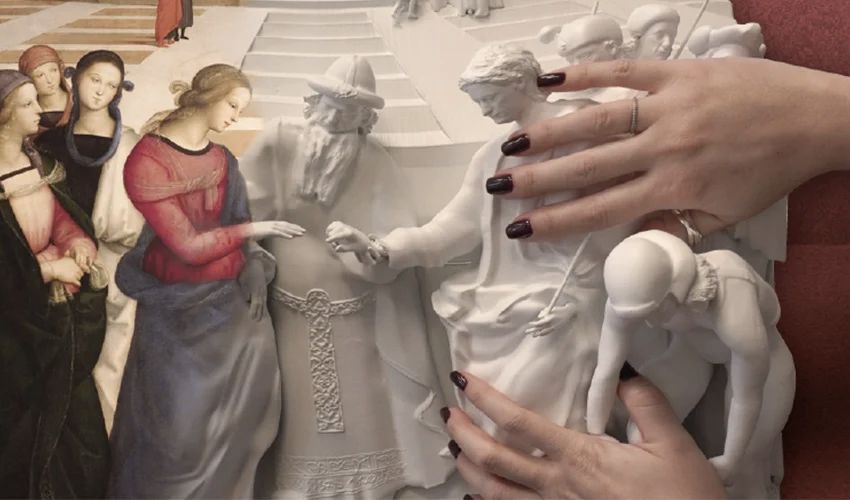 News‘Tactile Tours’: How Can 3D Printing Facilitate Access to Art and Culture For the Visually Impaired?Valentin Haüy is a voluntary association dedicated to the support of visually impaired people in France. Created in 1889, it deploys a large number of actions throughout the country to allow the visually impaired easier access to education, to the…