Guides
3D Printing Greenery: Top Projects that Promote Sustainability
3D printing has revolutionized numerous industries in recent years – from architecture and product design to medical technology. One particularly exciting development is the combination of this technology with the field of “greenery”, i.e. the integration of plants into mod
- 3 min read
- Guides
- Six more stories
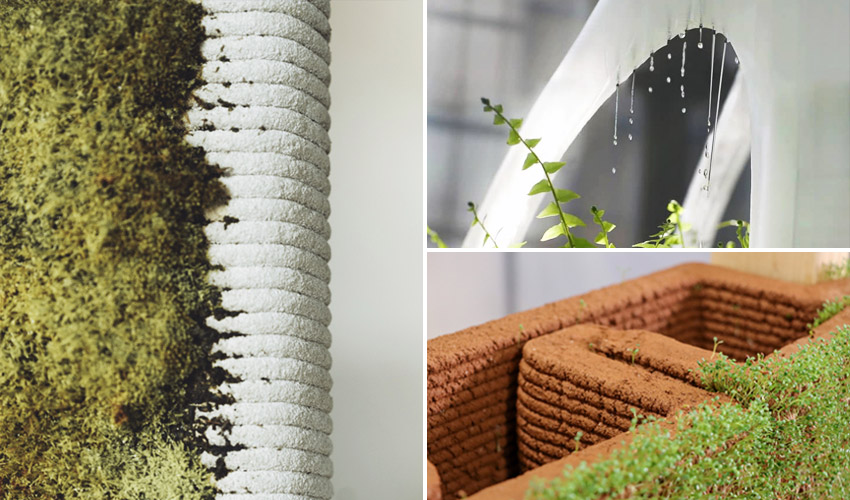
3D printing has revolutionized numerous industries in recent years – from architecture and product design to medical technology. One particularly exciting development is the combination of this technology with the field of “greenery”, i.e. the integration of plants into modern living spaces. 3D printing can be used to produce customized planters, vertical gardens, modular greenery systems and innovative structures for urban greening in a precise and resource-saving manner. This combination of technology and nature opens up new possibilities for sustainable design, individual interior and exterior design and the promotion of a healthier urban living environment. 3D printing not only offers creative freedom, but also a platform for the efficient implementation of environmentally friendly ideas. After all, a key feature of additive manufacturing is its position as a sustainable technology. And what goes better together than sustainability and green living spaces in modern environments? We have compiled the most interesting greenery projects for you below, all of which feature 3D printing elements. Compostable houses, walls that sprout plants and much more await you!
What if Walls Could Bloom? “To Grow a Building” by Nof Nathanson
The project “To Grow a Building” by Nof Nathanson is currently being exhibited at this year’s Biennale di Venezia. The 3D-printed house stands on the threshold of mechanical precision and natural unpredictability, as the project combines both perspectives in a breathtaking installation. The structure was printed from earth using innovative 3D printing technology from construction company WASP. The exciting thing? Selected seeds were planted in the soil before the printing process. Once the house is completed, the seeds will gradually sprout and transform the project into a “living architecture”. The house was printed using the Crane WASP Scara printer. Over the course of the Biennale, the construction will not only sprout, but will also fade at the end of the cultural festival. The project plays with the idea that architecture should not be seen as an artifact. Instead, designer Nof Nathanson imagines the house as a living organism: an organism that does not stand the test of time, but grows with it and returns to the earth at the right time.
More from the desk
Six other notes from the rest of the bench.
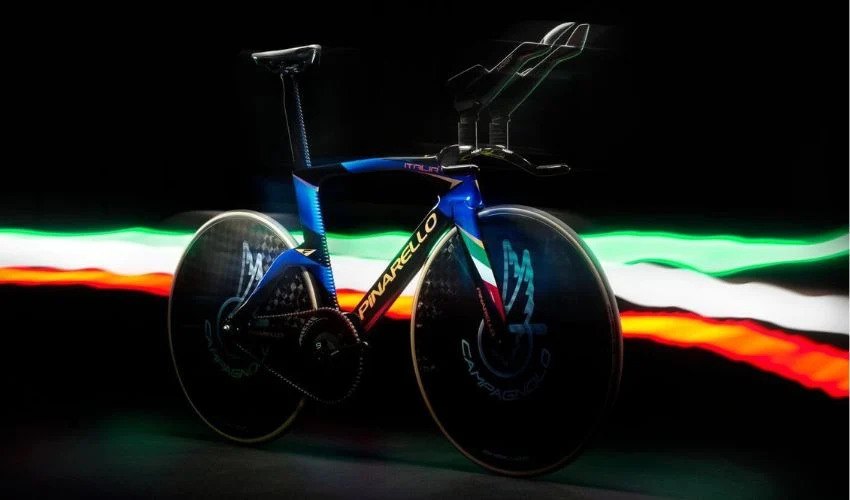 ApplicationsItalian Cyclists To Compete in Paris 2024 With Pinarello 3D Printed BikesThis year’s sports calendar is packed with excitement, kicking off in June with the European Championships in Germany and swiftly followed by the Summer Olympics in Paris. Athletes worldwide are gearing up to deliver peak performances, relying on their teams…
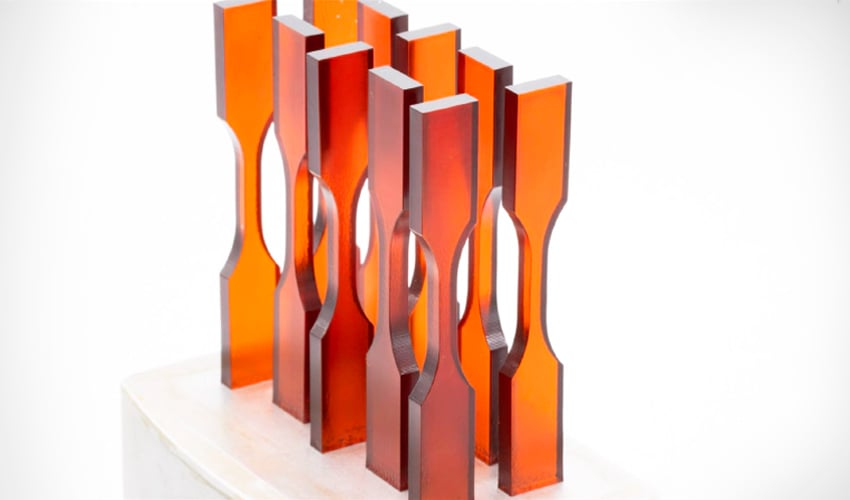 NewsIsotropy in 3D Printing: What Is It and How Does It Affect the Final Parts?If you are part of the 3D printing industry or at least somewhat familiar with the technology, you will have heard of the concept of isotropy, which is defined as uniformity in all orientations. Thus, if we apply it to…
 Materials3D printing is a necessity for a colony on MarsMars is a long way away. At its closest, it’s 54.6 million kilometres away (9 months travel). At it’s furthest? 401 million km. This creates some problems for a manned landing, problems we are currently trying to solve. One of…
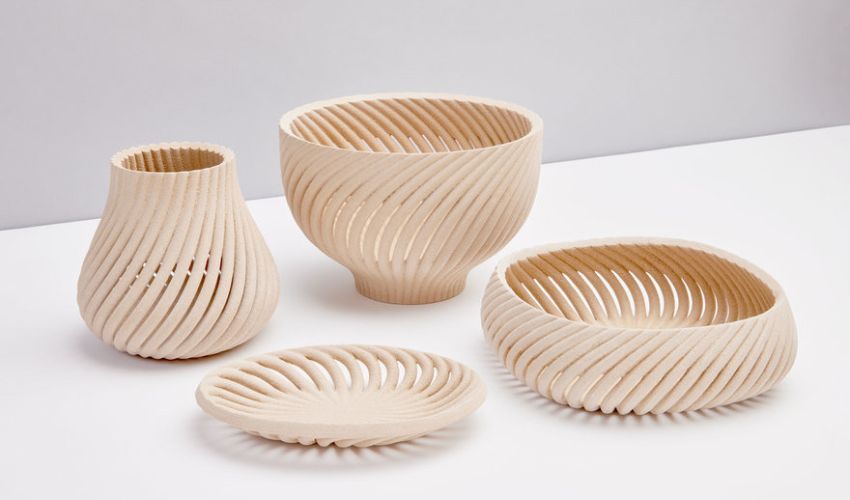 NewsForust 3D’s Accessory Line Gives New Life to Wood WasteUS-based Forust 3D was founded with a mission to make high-volume wood 3D printing affordable, reliable and sustainable. To do this, it leverages the speed, precision and quality of the binder jetting process to produce strong, lightweight wood components. Two…
 ApplicationsCadillac Has Turned to 3D Printing for its New Luxury SedansThe American manufacturer of high-end, luxury vehicles, Cadillac, recently unveiled the Cadillac Celestiq 2024. The company notes that this latest car, which is priced starting at $300,000, is expected to be leagues apart from many of their other models. This…
 NewsTop 5: Choosing A 3D Printing Material With Dassault SystemesHello everyone, and welcome back to our Top 5 of the week! We have an exciting selection of 3D printing video content for you as always, from Dassault Systemes and material choices to the use of additive manufacturing for consumer…