News
3D printed fingerprints: implications for our security
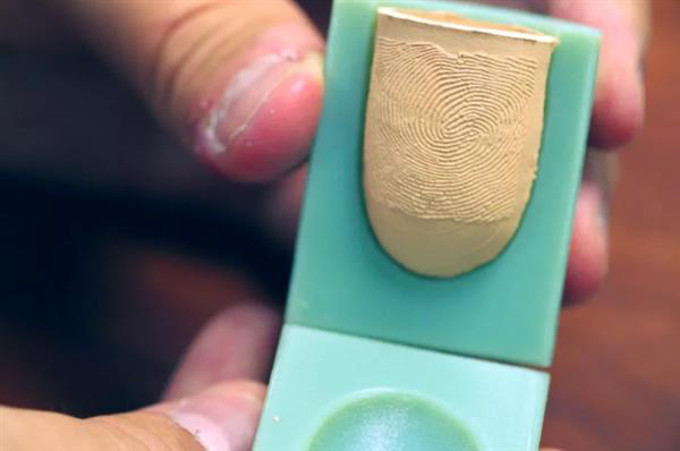
Researchers at Michigan State University have created a wearable fingerprint that is recognised by all 3 types of fingerprint readers. These fingerprints, created from 3D-printed molds, use a silicone material to mimic human skin. So successful are these ‘targets’, th
- 3 min read
- News
- Six more stories
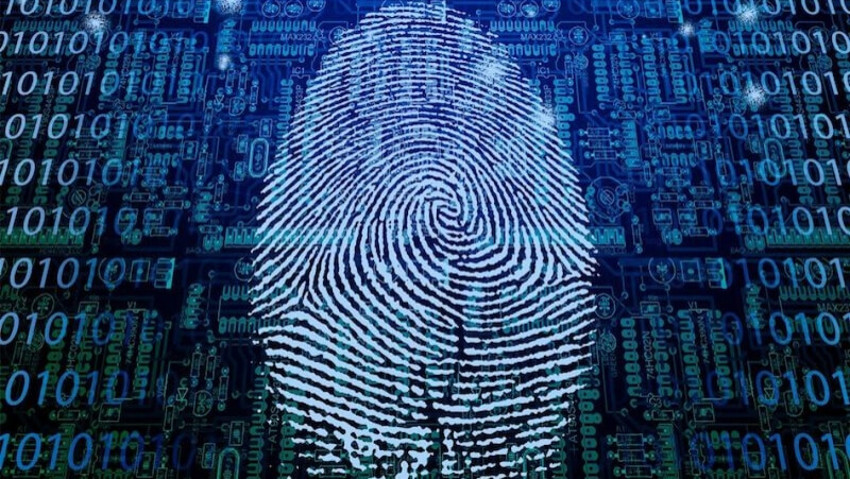
Researchers at Michigan State University have created a wearable fingerprint that is recognised by all 3 types of fingerprint readers.
These fingerprints, created from 3D-printed molds, use a silicone material to mimic human skin. So successful are these ‘targets’, they pass through optical, capacitive, and ultrasound-based readers. This introduces a number of questions about our future security. Fingerprint scanners are becoming more and more used in hospitals/medical devices, smartphones and criminal profiling, and rely on their absolute accuracy. If these were able to be faked using these 3D-print molds, this poses risks to patients, phone security, and more.
The fingerprint targets are made from a combination of thinned silicone, a plastic (polydimethylsiloxane), and a skin-like pigment. These materials allowed the ‘target’ to feel like real human skin, resemble the make-up of it, and convey similar electrical properties to skin. This allows them to pass through these different scanners. Due to this composition however, the fingerprints could not be 3D-printed, so 3D-printed molds were used instead.
More from the desk
Six other notes from the rest of the bench.
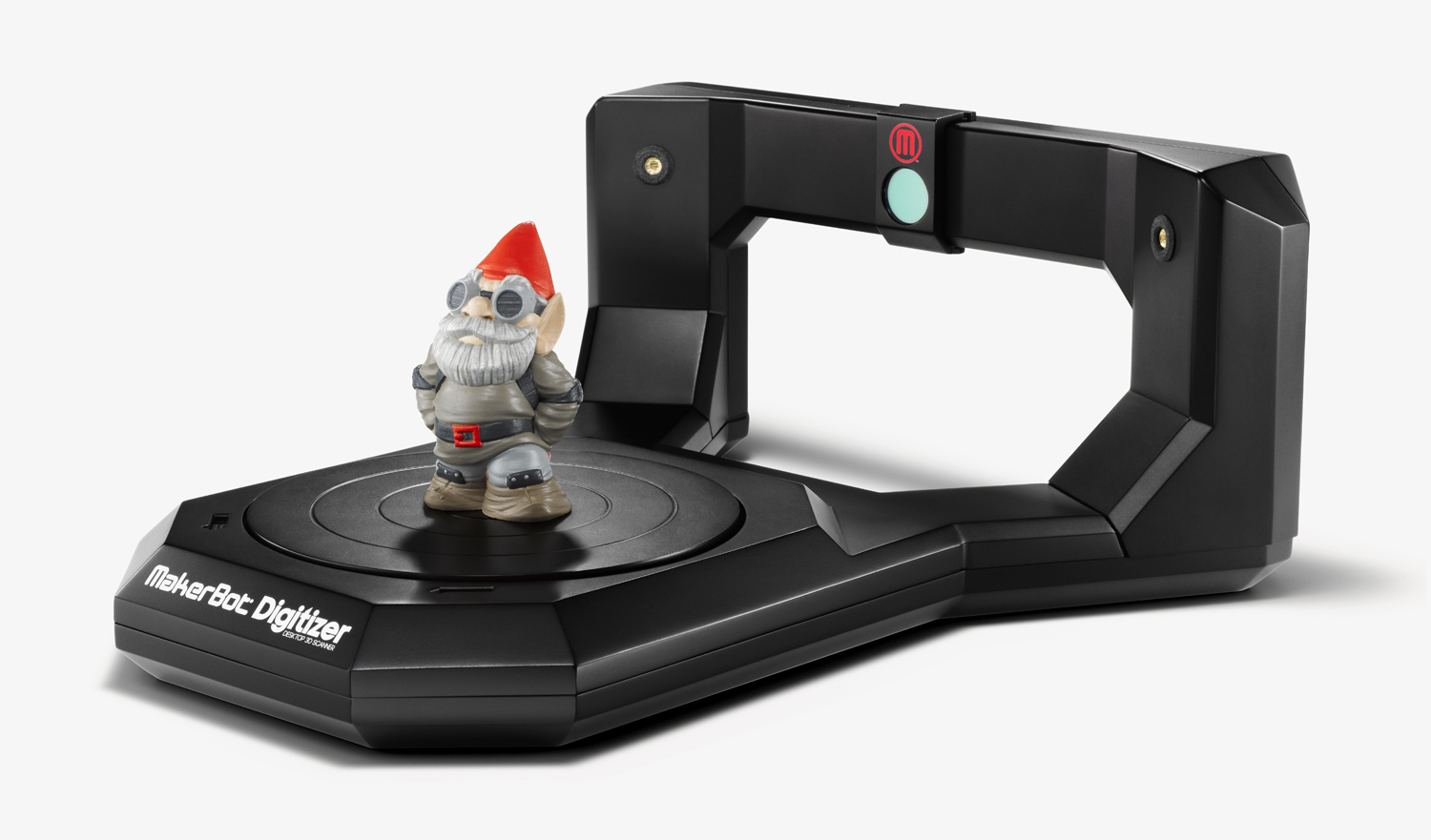 Printers3Dnatives Lab: Digitizer 3D Scanner by MakerBotToday, the 3Dnatives lab will be analyzing the Makerbot Digitizer 3D scanner to continue our series of tests on 3D scanners and printers! Don’t forget to check out all our scanner tests here, and to give us any comments, tips…
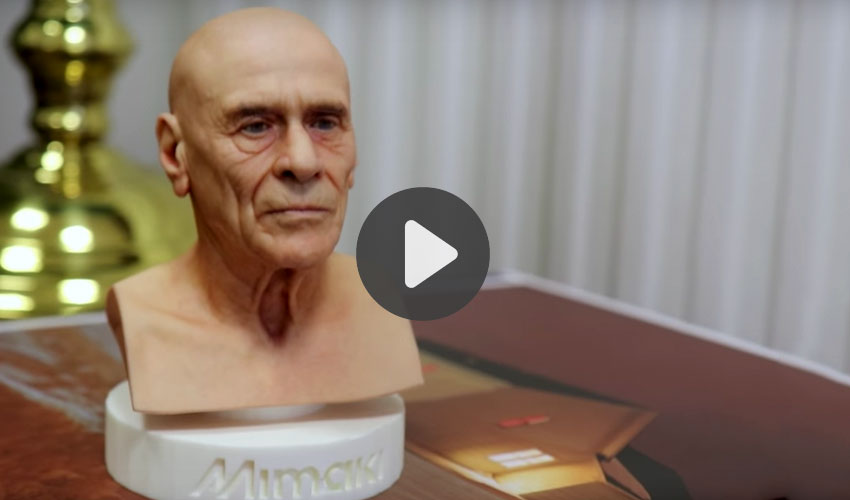 MaterialsTop 5 Videos: Mimaki & Open BionicsThis week’s Top 5 Videos showcases some of the most unbelievable 3D printing updates we’ve seen in recent times. These include incredibly detailed full-color 3D prints by Mimaki, amazing 3D printed prosthetics by Open Bionics, and Qlone’s 3D scanning app…
 ApplicationsLamborghini bets on Carbon 3D printing technologyInitially specialised in the construction of tractors, the Italian company Lamborghini quickly turned to the development of luxury sports cars. Today, the company is showing interest in additive manufacturing. More particularly, in Carbon 3D printing technology to produce some pa
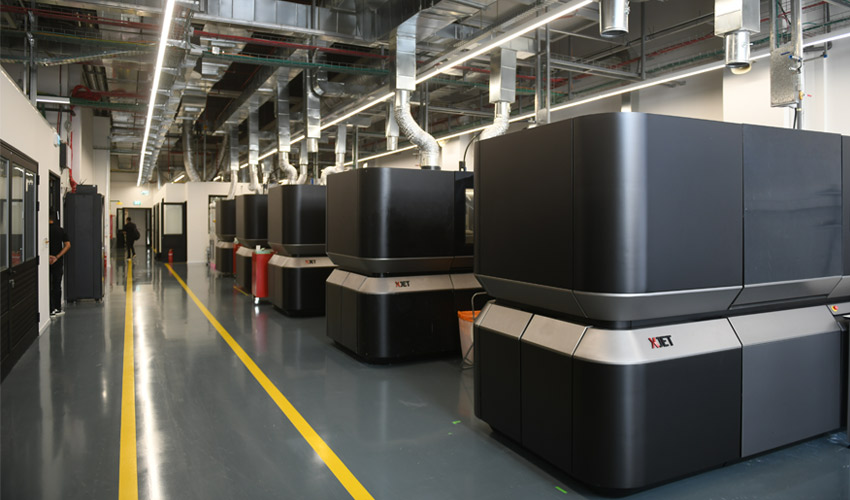 PrintersXJet opens its metal and ceramic additive manufacturing centerLast Monday in Rehovot, Israel, the XJet manufacturer opened its new additive manufacturing center, one of the largest in the market. With its 9 3D metal and ceramic printers, the Israeli actor intends to accelerate its research and offer a complete…
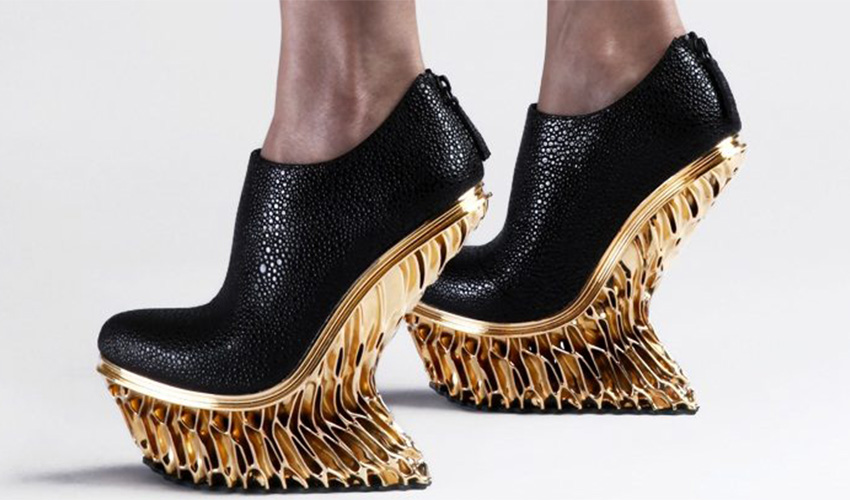 News3D printing in footwear: disrupting the shoe industry?3D printing is being incorporated into more and more industries, and fashion is no exception to this. The technology is opening up for new, creative possibilities and solutions. Something we’ve seen being utilised in a variety of ways from jewellery to costume…
 NewsSiemens manufactures the first 3D printed part for a nuclear power plant For the first time ever, the German specialists in high technology, Siemens, has manufactured a 3D printed part for a nuclear power plant. A major challenge and accomplishment when taking into account the stringent safety and security requirements that…