Guides
The Top 3D Printing Applications in Dentistry
One of the fields where 3D printing is gaining great popularity is dentistry. 3D printing in the dental sector is a tool that allows the creation of parts adapted to the needs and morphology of each patient. Whether it is…
- 3 min read
- Guides
- Six more stories
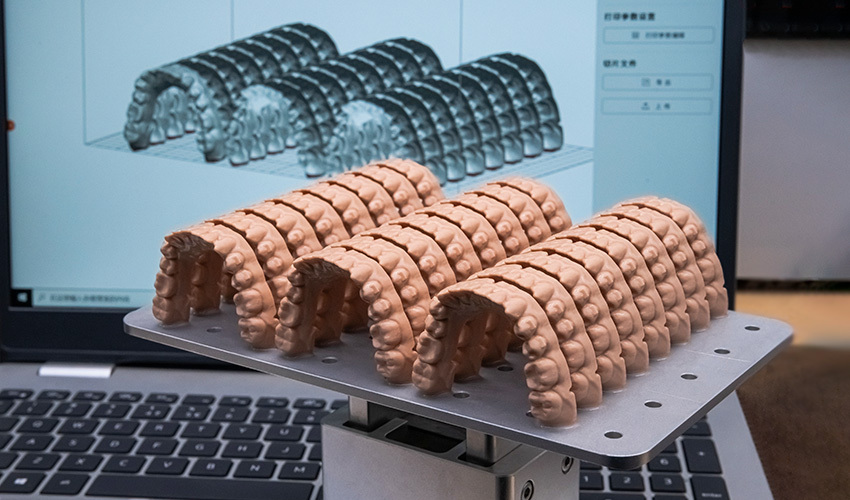
One of the fields where 3D printing is gaining great popularity is dentistry. 3D printing in the dental sector is a tool that allows the creation of parts adapted to the needs and morphology of each patient. Whether it is through the use of resin additive manufacturing or powder bed fusion, this production method opens up a wide range of possibilities for professionals in dental clinics and laboratories. In addition, dental 3D printing often goes hand in hand with other digital solutions, such as new CAD tools or dental 3D scanners used to capture the patient’s dental anatomy. In short, this ecosystem of new technologies brings a wide range of benefits to dentistry. But what are the real uses we can highlight in this field, what technologies are being integrated and for what purpose? In this list we present the main applications of 3D printing and other technologies in the dental sector.
3D Scanning in The Dental Sector
Although this is not a dental 3D printing application per se, we couldn’t pass up mentioning 3D scanning. The use of 3D scanners is becoming increasingly common when it comes to 3D printing and dentistry. In fact, it is one of the first steps in the digital workflow. Thanks to 3D scanners, health professional are able to digitize the inside of the patient’s mouth if they use an intraoral scanner, or digitize the impressions via a laboratory scanner. This second solution is used in additive manufacturing. A digital file of the impression is created and can be exported in STL format for 3D printing. That’s the how, but what about why? One of the advantages of using a 3D dental scanner is the precision obtained. It also gives the possibility of producing custom-made devices, based on the exact morphology of the patient. Moreover, if the patient needs an emergency prosthesis, for example, there is no need to make new impressions since these have been digitized. The patient saves time, as does the health professional.
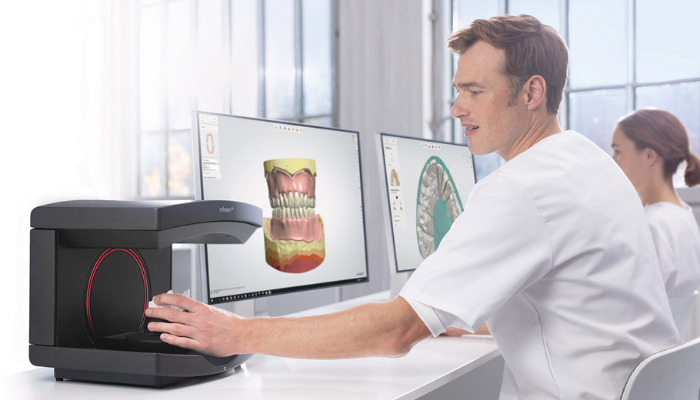
Photo credits: 3Shape
Crowns and Bridges
Dental crowns and bridges are some of the most common dental treatments as they are used to replace missing teeth. They are similar in many ways but the essential difference between the two is that dental crowns are used to cap a damaged or decaying tooth, placing it on top of the damage. They can also cap dental implants in the case of there being no tooth left. Meanwhile, bridges are used to replace missing teeth, consisting of two crowns (one on either end) and then a bridge of dentures as needed. And of course, 3D printing is increasingly playing a role in dentistry. Temporary, highly accurate, aesthetic 3D printed crowns and bridges can be made using resin 3D printing. The technology is becoming increasingly popular because it allows for more cost-effective and faster production than the traditional milling processes. Though currently, 3D printed crowns and bridges are mostly temporary as the dental resins are not as durable as zirconia, the technology is continually advancing making it likely that this will change in the near future.
More from the desk
Six other notes from the rest of the bench.
 NewsDMG Mori on Advancing Metal Additive Manufacturing at RAPID + TCT 2024Walking around the show floor at RAPID + TCT 2024, one fact quickly became clear: metal is increasingly important in the 3D printing world. Although polymers continue to dominate the market, metal additive manufacturing solutions and applications could be found…
 News#TOP5 Videos: Ford prints largest automotive part in history, gun enthusiast defends 3D printing and much more!We found the TOP 5 videos of the week about 3D printing and the way additive manufacturing is shaping and changing our society. Ford 3D prints largest metal automotive part in history, ghost gun printing remains a divisive issue, Nervous…
 NewsFormnext 2020 will only take place virtuallyFormnext, undoubtedly the largest professional additive manufacturing fair in the world, will only take place virtually this year, has announced Mesago Messe Frankfurt. Due to the recent rise of COVID-19 infections around the world, the organizers been forced to cancel…
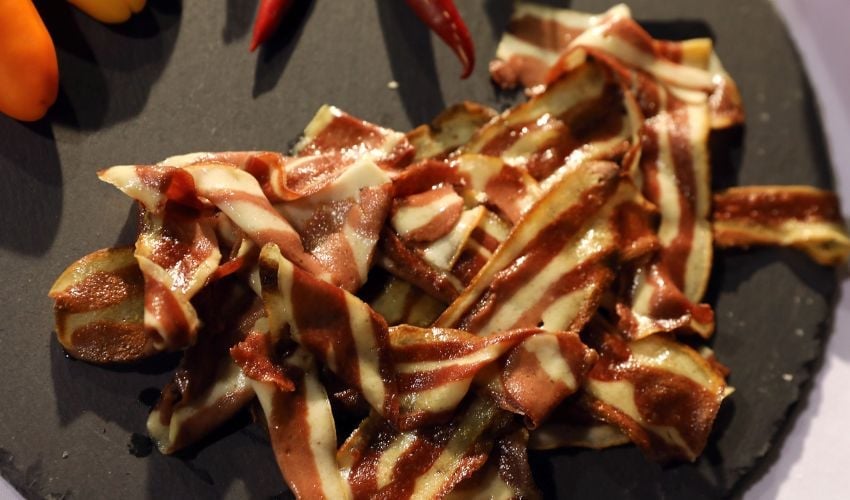 News3D Printed Bacon Is Hitting European SupermarketsPlant-based products are revolutionizing the food industry. Already, in many European countries especially, a wide range of these foods are now available in supermarkets and people see them as a healthy alternative to eating meat in large quantities. It is…
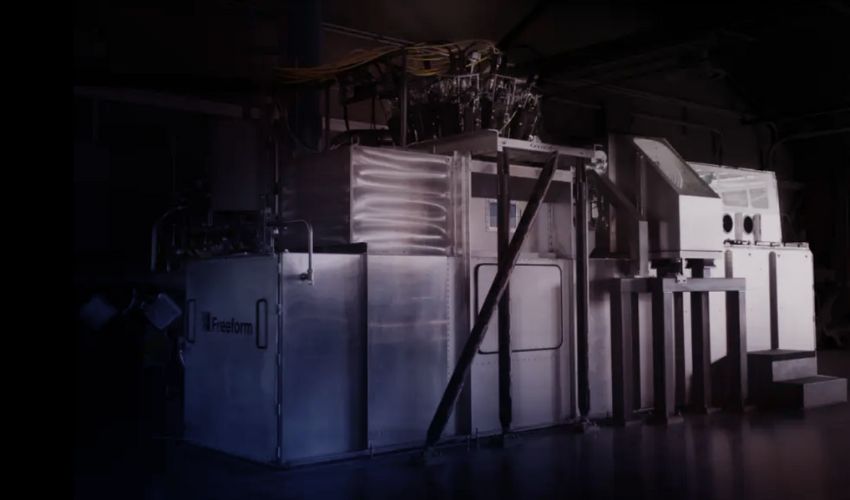 ApplicationsFormer SpaceX Engineers Secure $14 Million for Metal AM Company FreeformIn 2019, former SpaceX engineers created Freeform, a metal 3D printing company that combines artificial intelligence, hardware-accelerated computing, and autonomous factory architecture to produce high-quality metal parts. This week, the Los Angeles-based company announced that i
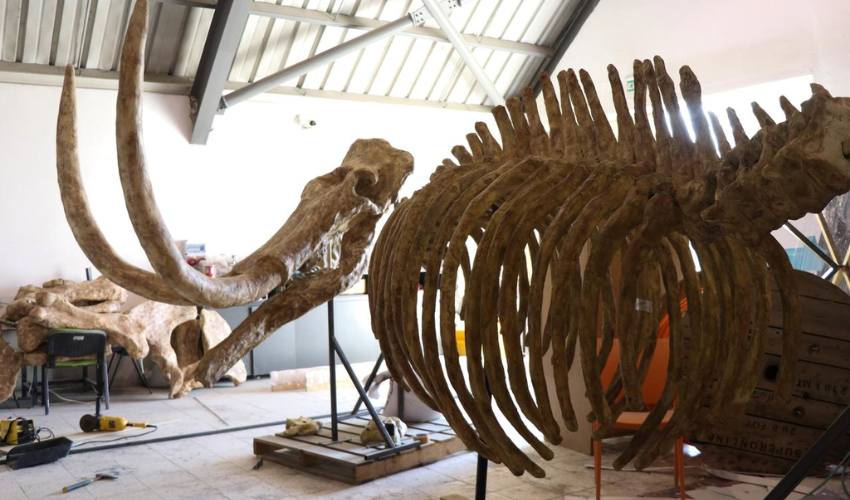 Printers3D Printing Brings Ancient Fossils Back to Life in TürkiyeIn central Türkiye’s Kayseri province, researchers are turning to 3D printing to help restore fossils that date back 7.7 million years. The remains, discovered near the Yamula Dam by a goat herder in 2017, include saber-toothed cats, giraffes, elephants, mammoths,…