News
3D Printed Observation Tower in Dubai’s Desert
3D construction printing (3DCP) refers to various technologies that use additive manufacturing as a core method to fabricate buildings or construction components. We have already written about several 3D printed bridges and the 3D printed floating house project. The most…
- 3 min read
- News
- Six more stories
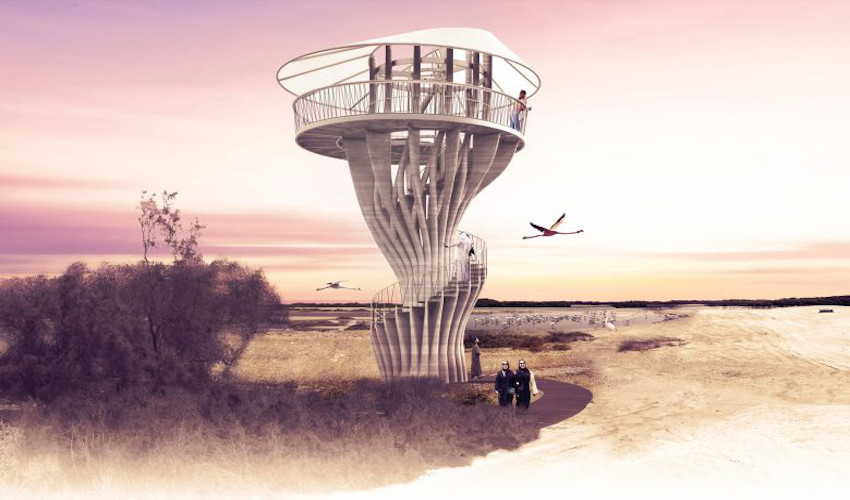
3D construction printing (3DCP) refers to various technologies that use additive manufacturing as a core method to fabricate buildings or construction components. We have already written about several 3D printed bridges and the 3D printed floating house project. The most recent news of 3DCP come from one of the most innovative cities of the world, Dubai. Nyxo Studio’s new project is an observation tower in the desert, fully 3D printed. Called “Supernatural Concre(a)tion” it is not just an ambitious but vague idea anymore, there is a very detailed blueprint ready and the construction plans seem to have been all worked out.
This is not going to be Dubai’s first 3D printed construction. In fact, the city boasts being home to the world’s first 3D printed commercial center and the world’s largest 3D printed building, not to mention several other “average” 3D printed constructions. For the commercial center, it took 17 days to print it and 3 months to adjust interior design; isn’t it incredible to live in a time when constructing a building is around 5 times faster than decorating it? But Dubai does not want to stop there – the government’s vision is to become world’s most innovative city by 2021, so Supernatural Concre(a)tion would a natural part of this plan.
In 3D construction printing, a number of different approaches have been demonstrated to date, which include on-site and off-site fabrication of buildings and construction components. Nyxo Studio revealed that for the Supernatural Concre(a)tion, they will go with the off-site fabrication, which is understandable, since this approach is typically significantly cheaper than the on-site one. The tower is divided into 2.5-meter portions that will be 3D printed in 2 cm shells. The components will be additively manufactured in the factory by a 6-axis industrial robot under controlled conditions.
More from the desk
Six other notes from the rest of the bench.
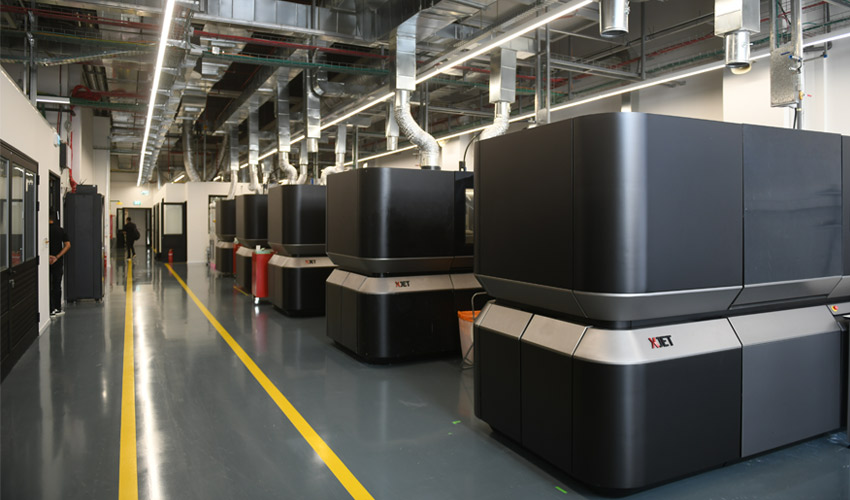 PrintersXJet opens its metal and ceramic additive manufacturing centerLast Monday in Rehovot, Israel, the XJet manufacturer opened its new additive manufacturing center, one of the largest in the market. With its 9 3D metal and ceramic printers, the Israeli actor intends to accelerate its research and offer a complete…
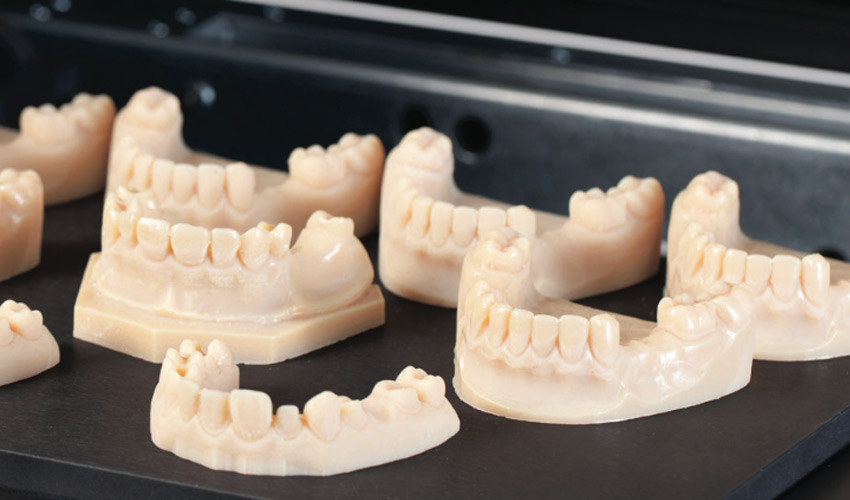 ApplicationsWhy is dental additive manufacturing growing?In its latest report, the Chinese consulting and market research firm, QY Research revealed the trends to expect in the dental 3D printing industry for 2025. The report, entitled “Global Dental 3D Printing Market Analysis, 2014 – 2025” suggests that…
 NewsGE Brings COBOD Concrete 3D Printing Technology to Climate SummitLast week, GE put COBOD ’s 3D concrete printing technology forward at the Climate Summit, hosted by President Biden. The event was attended by leaders of 16 different countries across the world, which together are responsible for 80% of global…
 MaterialsPolymer 3D printing market to generate $11.7 billion in 2020SmarTech Analysis, a research firm specialized in the additive manufacturing industry, released its fourth annual report on the polymer 3D printing market, which is expected to generate $11.7 billion in revenues in 2020, rising to $24 billion in 2024 and…
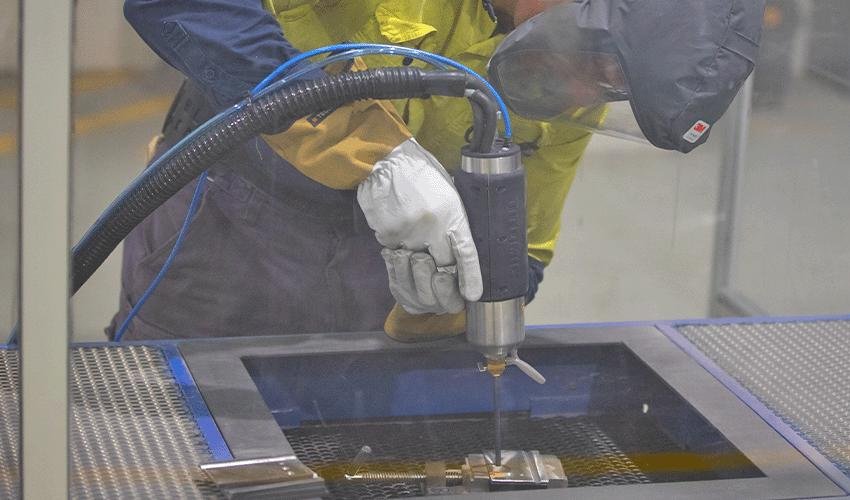 ApplicationsTitomic’s D523 3D Printers Head to Ukraine Front Line After Largest-Ever SaleThe integration of 3D printing technology into military operations has steadily increased in recent years. From prototyping and tooling to spare parts production and battlefield repairs, additive manufacturing offers various advantages for military applications. Leveraging this g
 NewsTop 5 Videos of the Week: 3D printed chocolate creations and more!This week we found the top 5 videos about 3D printing and the way additive manufacturing is shaping our society. The technology has infiltrated many sectors, from medical to automotive! Check out our selection of the week to keep up with the innovations! This week we…