News
First Ever 3D Printed Ribeye Steak with Real Cow Cells
Earlier this week, Aleph Farms, announced that they had successfully developed the world’s first slaughter-free ribeye steak, by 3D bioprinting real cow cells. This achievement was the result of a collaboration between the Israeli start-up and Technion, the Israel Institute&helli
- 3 min read
- News
- Six more stories
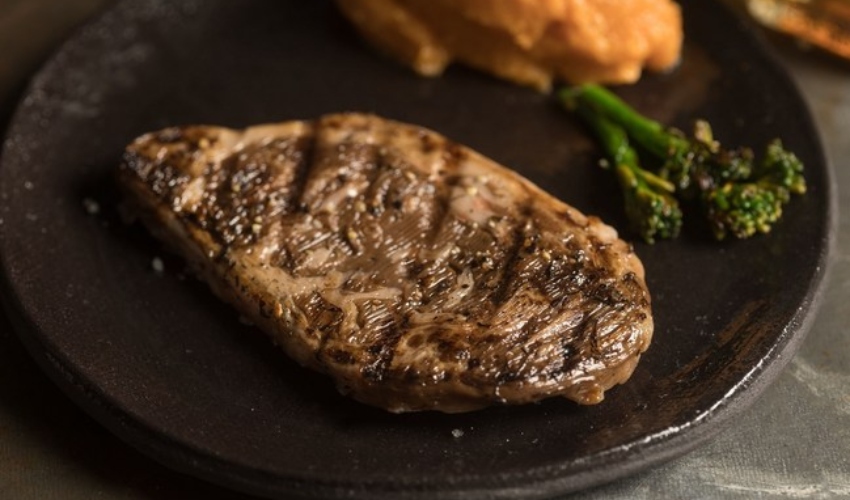
Earlier this week, Aleph Farms, announced that they had successfully developed the world’s first slaughter-free ribeye steak, by 3D bioprinting real cow cells. This achievement was the result of a collaboration between the Israeli start-up and Technion, the Israel Institute of Technology, a globally renowned science and technology research university. While Aleph Farms were able to create a slaughter-free thin-cut steak without additive manufacturing technologies in 2018, their new proprietary technology relies on 3D bioprinting and can be used to create any type of steak. Thanks to this new technology the company have cultivated a 3D printed ribeye steak, a far thicker cut.
Didier Toubia, the co-founder and CEO of Aleph Farms commented: “This breakthrough reflects an artistic expression of the scientific expertise of our team. I am blessed to work with some of the greatest people in this industry. We recognize some consumers will crave thicker and fattier cuts of meat. This accomplishment represents our commitment to meeting our consumer’s unique preferences and taste buds, and we will continue to progressively diversify our offerings.”
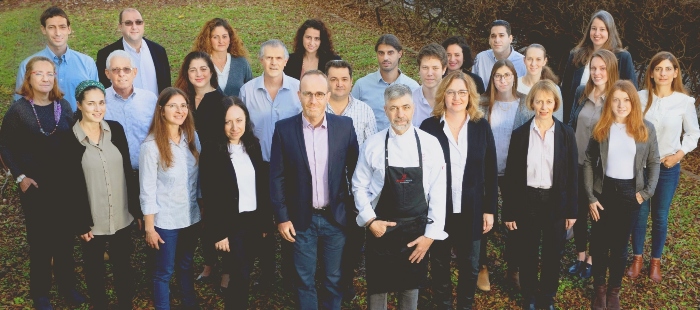
The Aleph Farms Team. (Photo Credit: Aleph Farms)
The steak was fabricated using 3D bioprinting technology and real cow cells, without genetic engineering and immortalization, the natural building blocks of meat. The process begins with the 3D bioprinting of living cow cells, which are then incubated so that they can grow, differentiate and interact. The latter step is essential in achieving the texture and qualities of a real steak. Mirroring the naturally occurring process of vascularization in tissues, this allows nutrients to perfuse across the thicker tissue. This means that the 3D printed steak will resemble the structure and shape of a steak taken from livestock both before and after being cooked. The 3D printed steak also integrates similar muscle, fat, and organoleptic attributes of a butchered steak.
More from the desk
Six other notes from the rest of the bench.
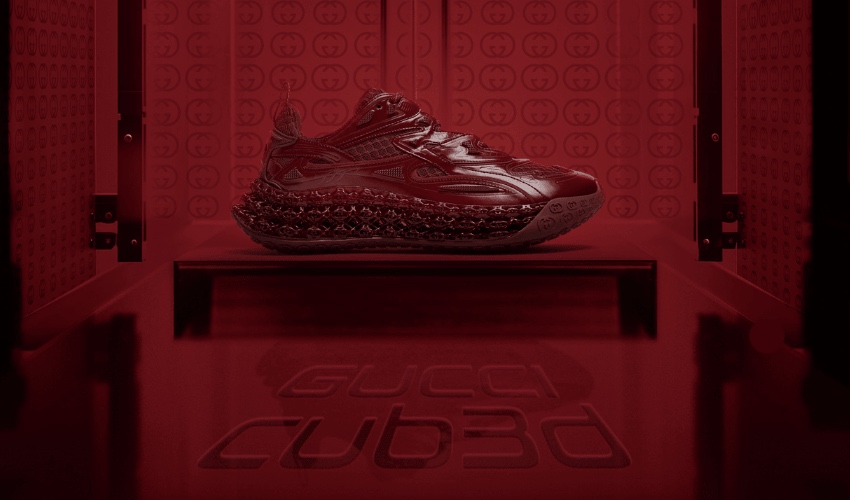 NewsGucci Chooses 3D Printing for Luxury Sneaker Gucci Cub3d3D printing is taking over the fashion world, revolutionizing the production of clothing, bags and, most importantly, footwear. In recent years, brands such as adidas, ASICS, and Reebok have launched their own 3D printed shoes on the market. Using additive…
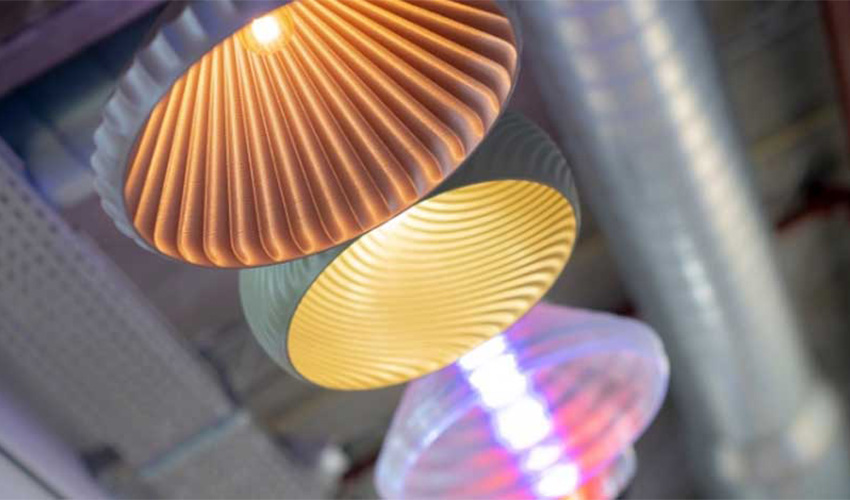 NewsIndian Manufacturer, Signify, Makes 3D Printed Luminaries to Reduce its Carbon FootprintKnown for its use in the automotive, aerospace and architectural sectors, 3D printing is now present in many fields. And the interior design sector is no exception. To decorate our homes and obtain functional objects, additive manufacturing offers several advantages.…
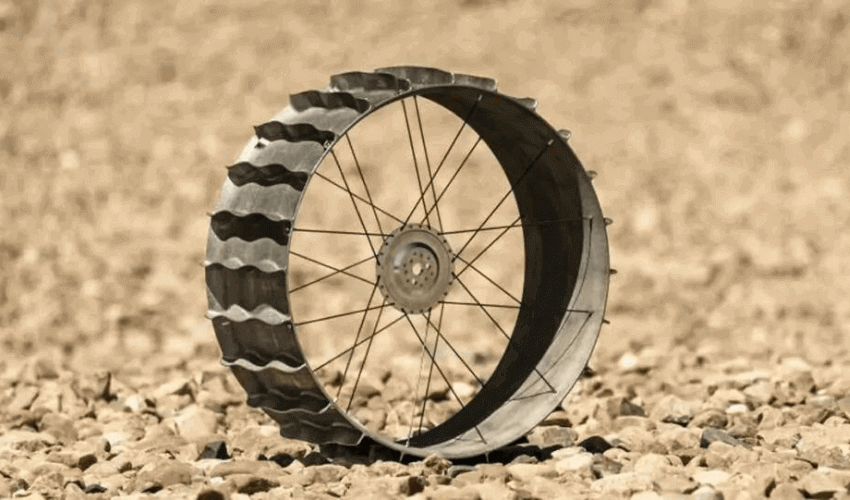 ApplicationsNASA and ORNL Have Used 3D Printing to Create Moon Rover Wheel PrototypeOak Ridge National Laboratory has succeeded in 3D printing a lunar rover wheel based on a NASA design. This has been possible thanks to a newly developed and specialized 3D printer which they used to create parts designed specifically for…
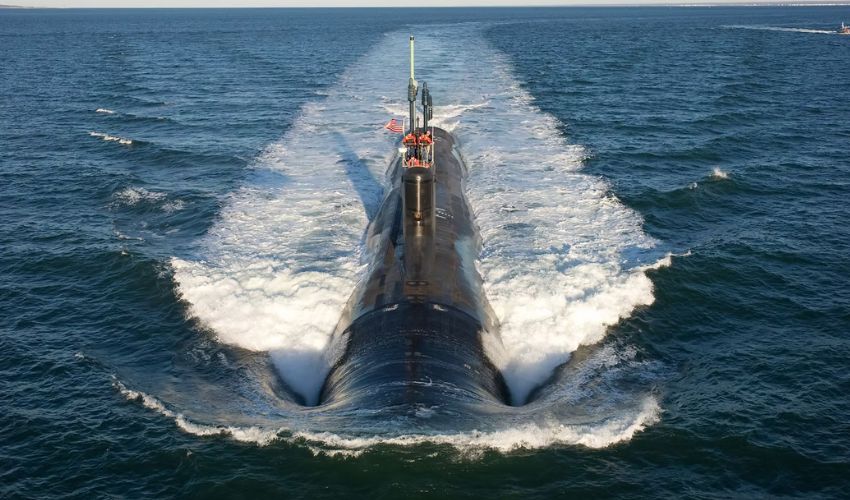 ApplicationsRosotics Chosen to Advance Critical Naval Technologies Under Priority Federal ContractRosotics, a large-scale metal additive manufacturing company, announced last week that it has entered the fabrication and testing stage of a federal contract awarded by Fluor Marine Propulsion (FMP), LLC at the Bettis Atomic Power Laboratory, under the U.S. Department…
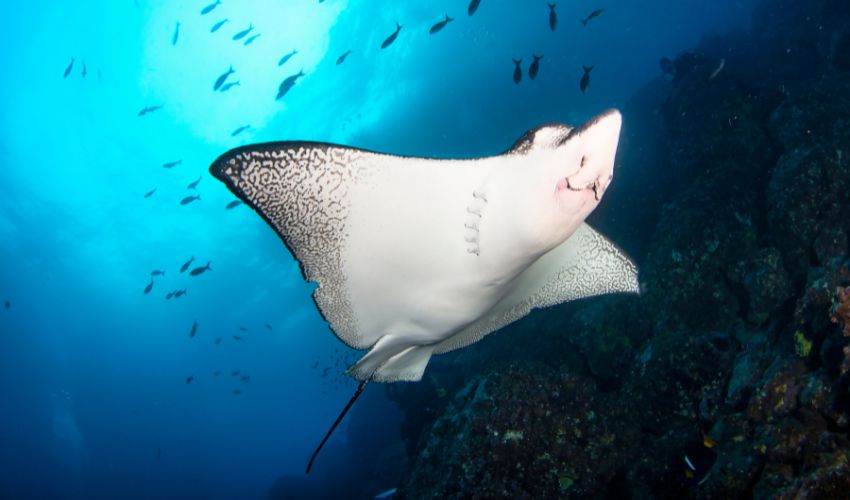 NewsMIT 3D Prints Water Filters Inspired by Manta RaysBiology has long been a source of design inspiration—think of Leonardo da Vinci’s flying machine, a contraption with wings inspired by bats. Today, engineers continue the practice, often integrating models inspired by nature into 3D printed designs. In a new…
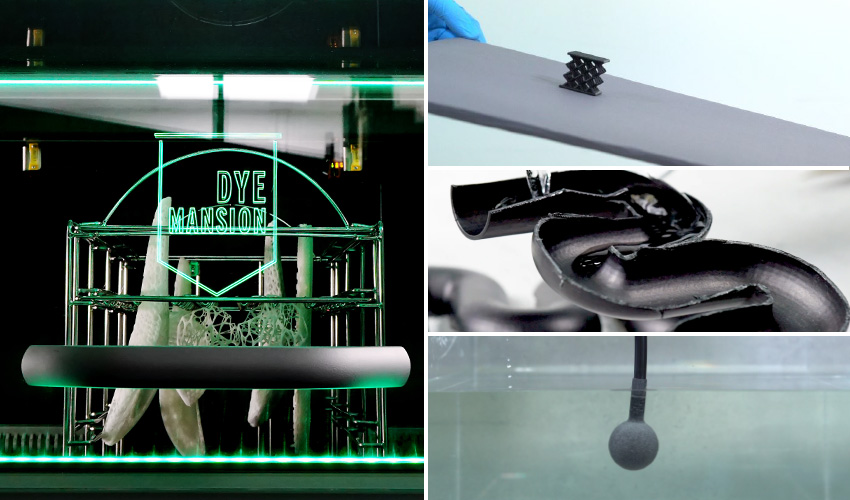 PrintersVaporFuse Surfacing, a green solution for improved part propertiesWhen it comes to the additive manufacturing workflow, we often discuss different printing technologies and modeling software, but it seems like post-processing is not being talked about enough. Yet the subsequent treatment of prints is a crucial step as it…