News
Will We Soon See 3D Printed Solar Batteries?
The researchers at Oak Ridge National Laboratory (ORNL) have made a new discovery! This time, the scientists were interested in perovskites, a mineral originally considered to be a crystal composed of calcium, titanium and oxygen, but now referring to other…
- 3 min read
- News
- Six more stories
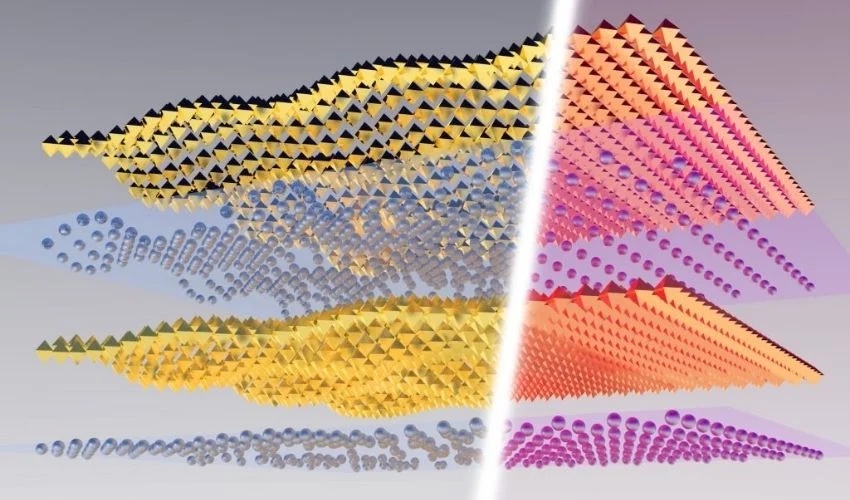
The researchers at Oak Ridge National Laboratory (ORNL) have made a new discovery! This time, the scientists were interested in perovskites, a mineral originally considered to be a crystal composed of calcium, titanium and oxygen, but now referring to other metallic components with an identical crystal structure. For several years now, perovskites have been popular thanks to their ability to convert sunlight into electrical energy. Now, ORNL researchers have developed new ways to design parts from this material, including additive manufacturing. Notably, they are looking at how 3D printing and perovskites can be combined to work towards a new generation of solar batteries.
Thanks to its different production methods, the team behind the study believes it can manufacture more efficient and robust photovoltaic devices, helping to lead the way to more clean, reliable power sources. An important consideration as the threat of global warming becomes ever more evident worldwide. Notably, Olga Ovchinnikova, co-author of the study, talks about the benefits of using additive manufacturing with the materials, commenting, “We can use 3D printing to create wearables, put them on top of cars and really democratize the use of perovskite solar cells. You could put them anywhere.” According to Olga Ovchinnikova, in the future it would not be surprising to see 3D technologies play a major role in this field.

Photo Credits: Oak Ridge National Laboratory
Why Perovskites?
Though 3D printing has often been used in recent years at ORNL, the question remains why AM and perovskites? Well, as previously mentioned, one of the main reasons researchers are looking into this material is for its conversion efficiency. Currently, standard multicrystalline silicon-based solar cells have reached a peak conversion efficiency of about 23%, and it seems that perovskites could surpass this. Though the researchers do not mention what the conversion rate could be, they note that studies have shown that the material has revealed their potential to offer “untapped reservoirs of energy generated from light.”
More from the desk
Six other notes from the rest of the bench.
 News3D Printing Unlocks Promising Solar Cavity Receiver SolutionIn solar energy production, a solar cavity receiver maximizes light captured from the sun, converting it into thermal energy. However, high-temperature solar receivers tend to distribute heat unevenly, causing thermal stress. This can lead to plastic deformation and a shorter&hel
 NewsTop 5 Videos: 3D Printer Helps Children With DiabilitiesAnother hot summer week has come to an end and once again we present to you our top 5 list of videos about 3D printing! We start this week’s top 5 with a video about a non-profit organization that uses…
 ApplicationsA European Competitor to Space X? Meet The Exploration Company and Its 3D Printed Space VehicleToday, space freight transport – the transfer of goods from one point to another in space – is mainly handled by the American SpaceX and its Dragon capsule. But a Franco-German company based in Munich intends to upset this balance.…
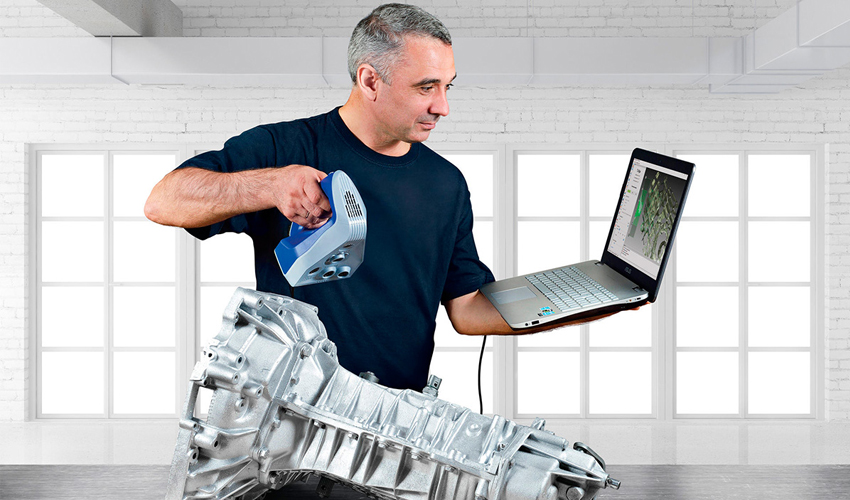 PrintersHow to choose a 3D scanner: Experts give their advice!A few months ago, our experts gave you the keys to choose the right 3D printer and filament. Today, we come to you with an expert advice about 3D scanners: we asked three experts from Artec 3D, Thor3D and 3DChimera to…
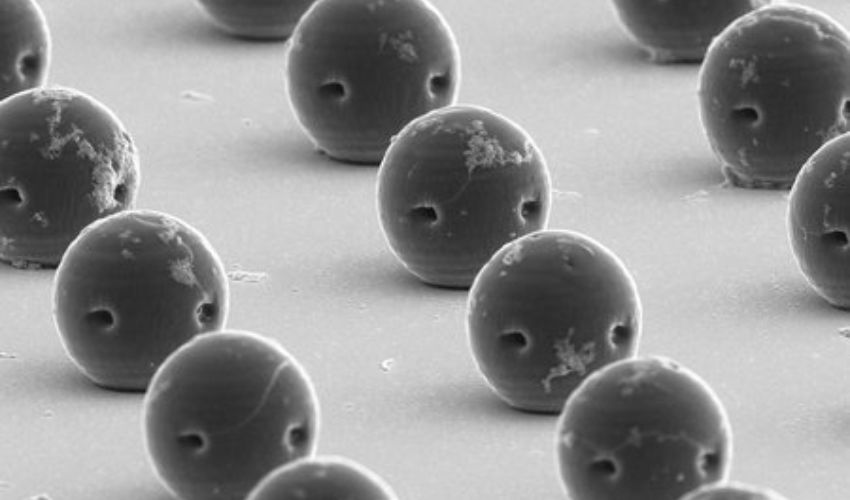 Applications3D Printed Microrobots Successfully Administer Targeted Drug Delivery3D printing has been revolutionizing medicine for years: from 3D-printed custom drugs to bioprinted replicas of human tissue, the technology promises to change how treatments are administered, offering an unprecedented level of personalization. Now, researchers at Caltech have mi
 News3DExpress: Between Layers Premieres with The 3D Printing NerdThis week’s headlines start close to home. 3Dnatives is launching a new video series, Between Layers, which steps away from spec sheets to spotlight the makers, engineers, and storytellers shaping the future of additive manufacturing. The first episode features Joel…