Materials
Harvard scientists develop 3D printed shape shift material
A team of researchers at the Harvard John A. Paulson School of Engineering and Applied Sciences (SEAS) has developed a material that can be 3D printed into any shape and pre-programmed with reversible shape memory. In other words, once a…
- 3 min read
- Materials
- Six more stories
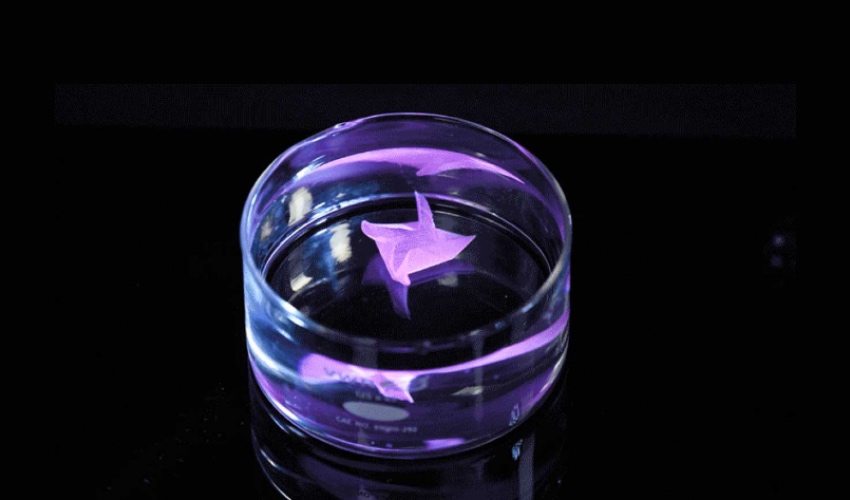
A team of researchers at the Harvard John A. Paulson School of Engineering and Applied Sciences (SEAS) has developed a material that can be 3D printed into any shape and pre-programmed with reversible shape memory. In other words, once a certain stimulus is applied, the fabric will change form back to its original shape. Harvard researchers used keratin from wool to develop the innovative material, which can potentially not only transform the textile industry, but also have an impact on the medical sector, since this 3D printed shape shift material is biocompatible.
The shape shift technology was achieved largely due to the unique properties of keratin, a fibrous protein found in hair, but also in nails, shells, and wool. For their project the researchers extracted keratin from Agora wool, which is commonly used in textile production. But how exactly does it work? When a fiber is stretched – or exposed to a specific stimulus – its spring-like structures uncoil, and the bonds realign to form stable beta-sheets. The fiber remains in that position until it is triggered to coil back into its original shape.

Credits: SEAS
For the demonstration purposes, the Harvard team 3D printed keratin sheets in several different shapes. For instance, one of the 3D printed sheets had a form of an origami star as its permanent shape (the one to which it will return when triggered). Once the material was pre-programmed, the researchers immersed the origami in water, where it unfolded and became ductile. Then, the team rolled the flexible sheet into a tight tube and once it was dry, the sheet was locked in firmly in that position. To reverse the process, they put the tube back into water – can you guess what happened next? The 3D printed fabric unrolled and folded back into an origami star, on its own. That’s how Harvard researchers proved that their 3D printable shape shift technology works.
More from the desk
Six other notes from the rest of the bench.
 NewsUS Bobsled Team (USABS) Turns to 3D Printing Before the 2026 OlympicsBobsled is an incredible sport that has been increasingly winning over adrenaline junkies worldwide. Though in the USA, most people’s exposure to the sport is through the 1990s hit movie “Cool Runnings,” it is now a popular winter event. And…
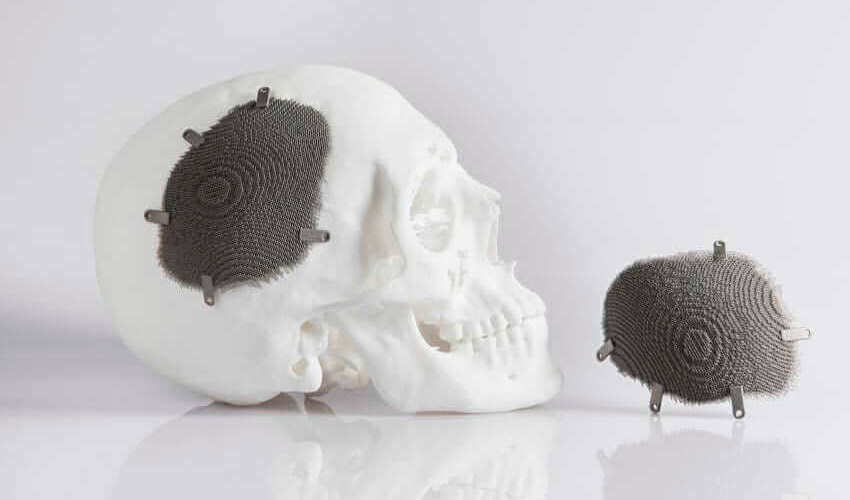 ApplicationsThe Growing Market of 3D Printed ImplantsResearch firm, Precedence Research, recently published a report on 3D printed medical implants. According to the report, 3D printed implants should generate more than 9 billion dollars in 2030 against 1.5 billion in 2020, an annual growth of 19%. Faced with increasingly complex&h
 GuidesWhich 3D Printing Companies Have Raised the Most Money?The additive manufacturing sector has attracted many investors for a few years now, with several notable fundraisers sometimes followed by major acquisitions. Manufacturers, software publishers, startups, and other players around the world are taking advantage of the benefits of
  ApplicationsBugatti Bolide: a light and fast vehicle thanks to 3D PrintingThe French carmaker Bugatti has probably imagined the lightest, fastest and most aggressive vehicle in its range. Called Bolide, this sports car is an assortment of new technologies, relying, in particular, on additive manufacturing to reduce the weight of its…
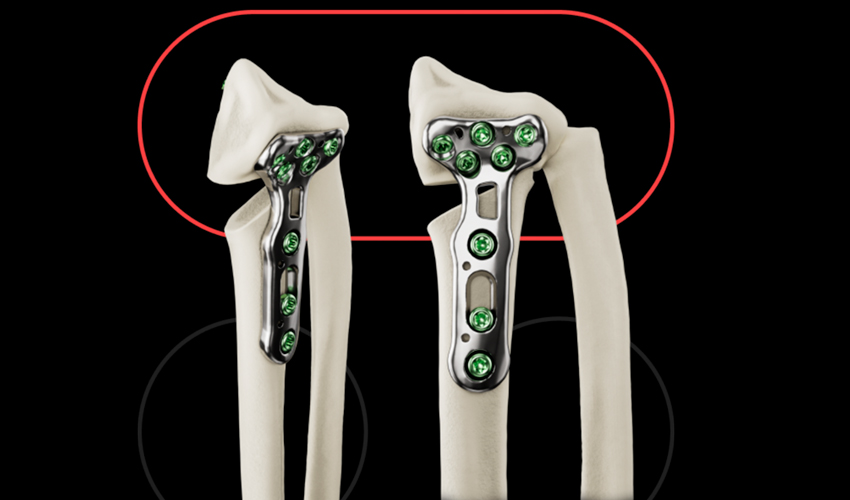 GuidesTailor Surgery on the Use of Additive Manufacturing in MedicineThe usage of 3D printing in the medical domain continues to expand. Presently, it is possible to fabricate personalized medical devices tailored to individual patients, including prosthetics, orthotics, and custom implants. Moreover, additive manufacturing serves as a valuable ai
 NewsTOP 5 videos of the week: jewelry, Polaroid and a touch screen attachmentA new selection of the best 3D printing videos of the week, just for you! Find our TOP 5 videos of the week below and tell us what your favorite video is in a comment or on our Facebook and Twitter page.…