Applications
3D Printed Respiratory Masks May Be Able to Help Premature Babies
According to the World Health Organization, 15 million babies are born prematurely each year. A newborn is considered premature when it is born before 37 weeks of pregnancy. This abnormality can cause health complications for the baby, especially in terms…
- 3 min read
- Applications
- Six more stories
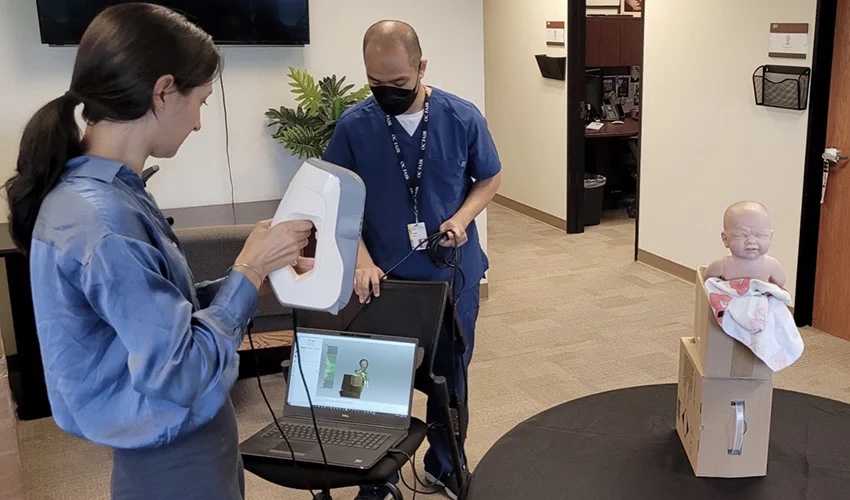
According to the World Health Organization, 15 million babies are born prematurely each year. A newborn is considered premature when it is born before 37 weeks of pregnancy. This abnormality can cause health complications for the baby, especially in terms of breathing as the lungs are not considered fully-functioning until they have reached term. That’s why medical students at Western University of Health Sciences (WesternU) in Pomona, California, decided to use 3D printing to create prototype breathing masks for premature babies. The project was started after the students noticed a lack of respiratory tools in dedicated neonatal care units.
CPAP (continuous positive airway pressure) with surfactant therapy is the current preferred method to help premature newborns that are at risk for respiratory distress. Surfactant is a type of thick, foamy fluid. It plays an essential role in keeping the alveoli open and thus facilitates breathing in the baby. However, this technique involves the use of nasal tip masks, which can cause trauma in very low birth weight premature babies.
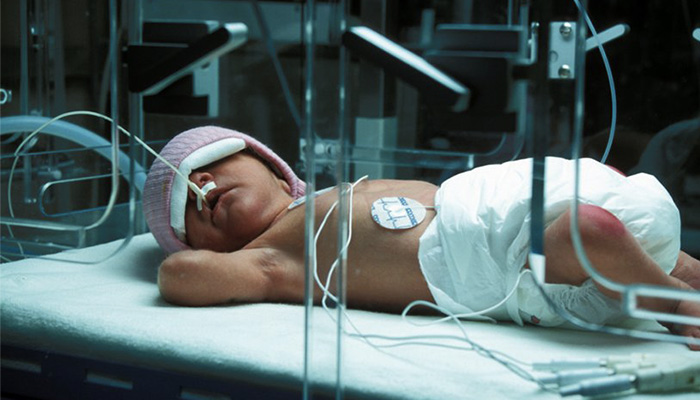
Premature baby in incubator (photo credits: Inserm)
3D Printed Masks Designed for Premature Babies
To solve this issue, these 3D printed CPAP masks have been designed to perfectly fit the nose of a premature baby. As a result, they are considered less dangerous for premature newborns suffering from respiratory distress and related diseases. These tools are generally used for babies who breathe well enough on their own. Nevertheless, the masks provide a constant air pressure in the baby’s nose, helping their lungs to stay open and avoid apneas, especially during sleep.
More from the desk
Six other notes from the rest of the bench.
 NewsResearchers creates prototype of a 3D printed bionic eyeThe University of Minnesota (UMN) McAlpine research group claims to have successfully 3D printed optoelectronic devices using polymeric photodetectors on hemispherical surfaces. These first prototypes could accelerate the development of a 3D printed bionic eye to help people with
 ApplicationsApplication of the Month: SprintRay 3D Printed Teeth RestorationAdvanced digital workflows and additive manufacturing are transforming the field of restorative dentistry. In this feature, we highlight a full-mouth rehabilitation case managed by Dr. Guvinder Gakhal, where SprintRay 3D printed crown resin was used to restore a patient with&hell
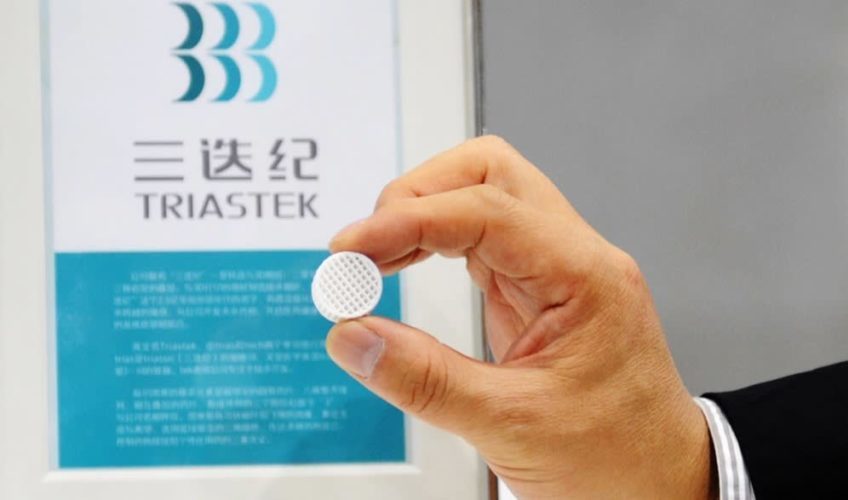 ApplicationsTriastek Raise $15 million to Develop 3D Printed PharmaceuticalsChinese startup, Triastek has just raised $15 million in series A funding for the research and development of 3D printed drugs. The company was established in Nanjing, China, in 2015 with the intention of improving healthcare using 3D technologies to…
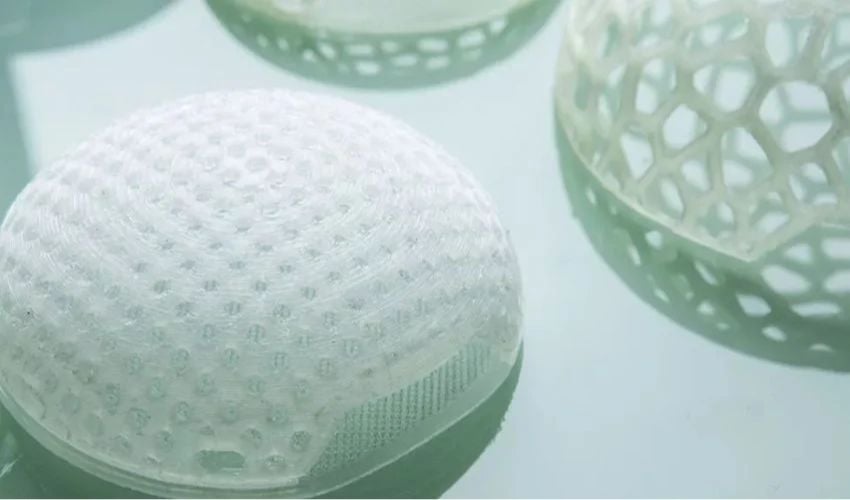 ApplicationsRecord Fundraising for LATTICE MEDICAL: €43 Million to Reinvent Breast Reconstruction!Big news has just impacted the French additive manufacturing market and, more broadly, the medtech sector in France: LATTICE MEDICAL has just raised €43 million. This €43 million will be used to accelerate the clinical development of MATTISSE. This is…
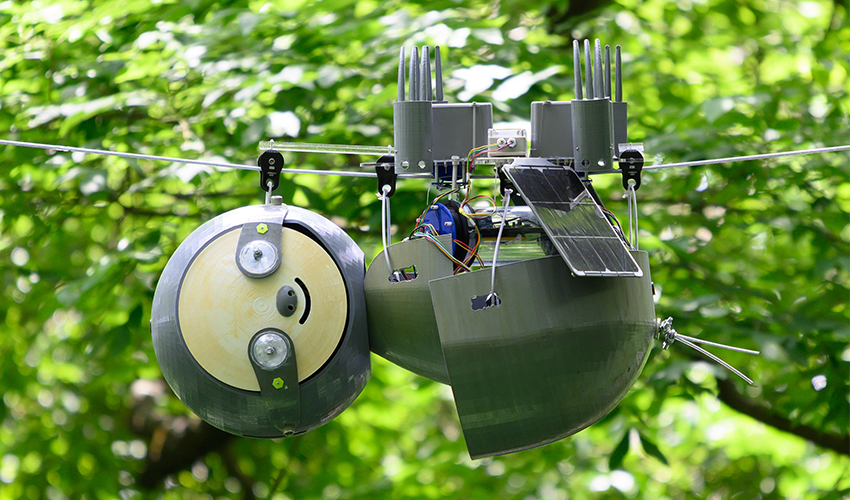 News3D printed SlothBot to preserve biodiversityThe development of 3D-printed robots is no longer a novelty. Previously, we wrote about different 3D printed robots, which have a wide range of applications. Recently, students from Georgia Tech (School for Electrical Engineering and Information Technology), Gennaro Notomista and
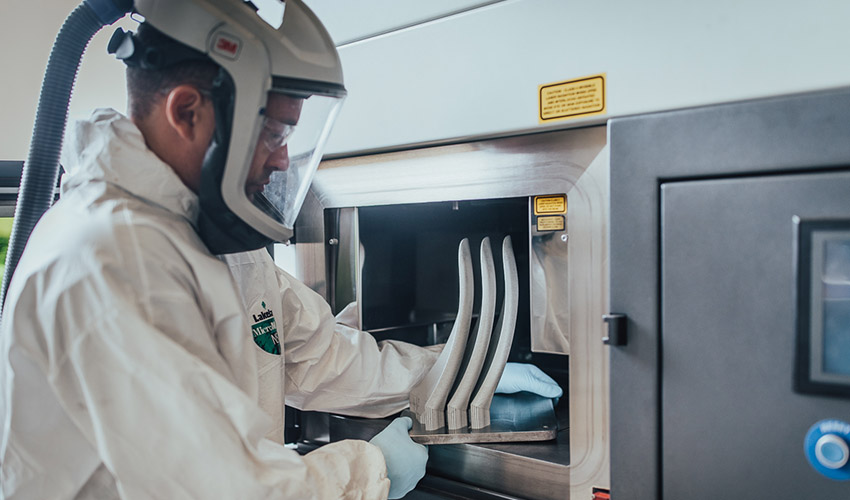 NewsUsing metal additive manufacturing for renewable applicationsRenishaw has collaborated with the Nova Scotia Community College (NSCC) in Canada to produce two ocean turbine parts using additive manufacturing for industrial design firm Biome Renewables. Biome Renewables is a startup specialized in using biomimetic design processes to create&