News
3D printed SlothBot to preserve biodiversity
The development of 3D-printed robots is no longer a novelty. Previously, we wrote about different 3D printed robots, which have a wide range of applications. Recently, students from Georgia Tech (School for Electrical Engineering and Information Technology), Gennaro Notomista and
- 3 min read
- News
- Six more stories
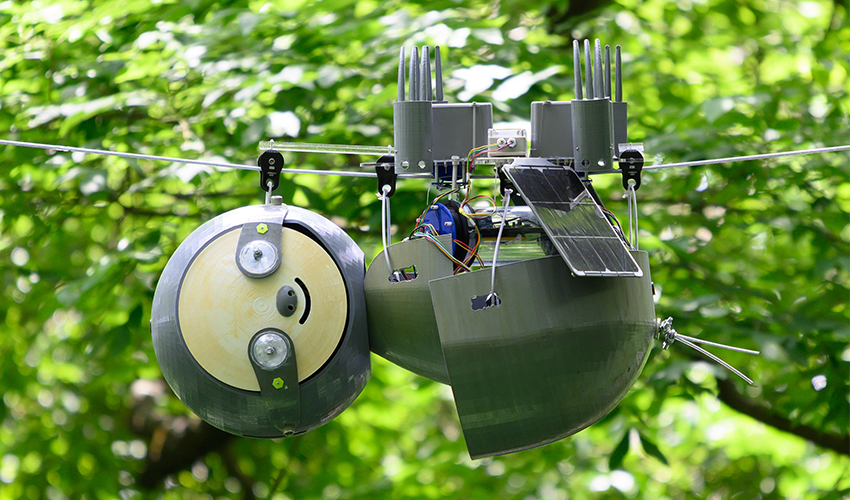
The development of 3D-printed robots is no longer a novelty. Previously, we wrote about different 3D printed robots, which have a wide range of applications. Recently, students from Georgia Tech (School for Electrical Engineering and Information Technology), Gennaro Notomista and Yousef Emam, under the supervision of their professor Magnus Egerstedt have developed an extraordinary robot. The robot in question is SlothBot, which is partly additively manufactured. What are the characteristics of this robot and in which areas should it be used?
The development of SlothBot started in 2019. As the name implies, the robot is based on its animal model. The resemblance with an actual sloth can be seen not only in the design, but also in the robot’s slow mode of locomotion. The inspiration came to Professor Egerstedt while he was traveling in Costa Rica, during the trip he saw the animals climbing on a rope. The SlothBot was developed with the aim of measuring temperature fluctuations and carbon dioxide to protect endangered plants and animals.
It quickly became clear during the development stage that the robot would have to withstand long-term weather fluctuations. As a solution, the researchers used 3D printing, more specifically an FFF 3D printer, to manufacture a cover that would protect the electronics. One of the advantages of 3D printing lies in the freedom of design – since the SlothBot will be used in places where visitors are present, the goal is for the robot not to be perceived as a nuisance. An even greater advantage, however, is the weight reduction made possible by 3D printing. After all, the SlothBot will be powered by solar cells, thus, it should be as energy-efficient as possible.
More from the desk
Six other notes from the rest of the bench.
 ApplicationsASTRO America to 3D Print Combat Vehicle Hull for U.S. ArmyOn Tuesday, the Applied Science & Technology Research Organization, also known as ASTRO America, announced that it had been chosen by the U.S. Army for the “Jointless Hull Project”. Contracted through LIFT, the Department of Defense supported manufacturing innovation institut
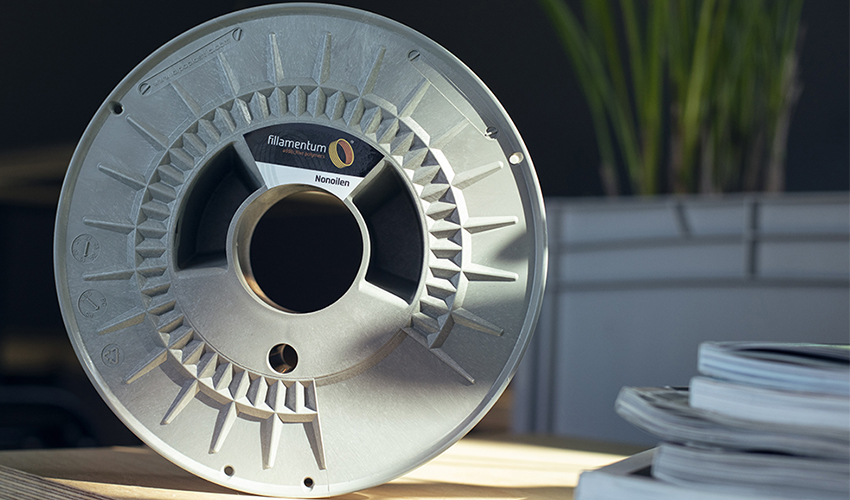 MaterialsNonOilen, a 100 % Biodegradable Filament From FillamentumOn World Recycling Day, we told you about Bluesint PA12. A polymer developed by Materialise, which allows printing with a 100% recycled powder. And today, it is the turn of the Czech manufacturer Fillamentum to unveil its new ecological 3D…
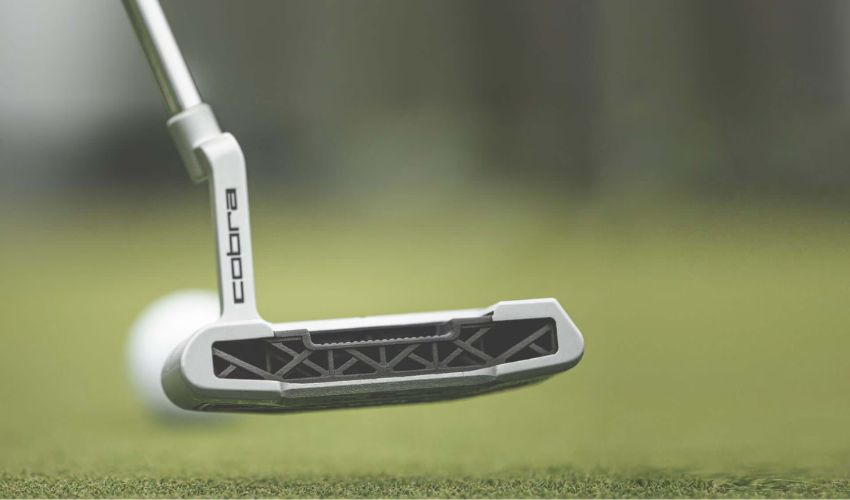 News3D Printing in Golf: Where Are We Now?Formula 1, basketball, hockey, American football…golf? What do these things have in common? They are all using additive manufacturing in some capacity. Golf especially has been adopting 3D printing in various ways in recent years. Golf may be one of…
 MaterialsFormlabs Announces Color Printing for their SLA 3D Printers3D printer manufacturer Formlabs will launch a new range of resins for their SLA machines including color. The Color Kit is available for their Form 2 3D printer, and will print color parts. This is important as it eliminates the…
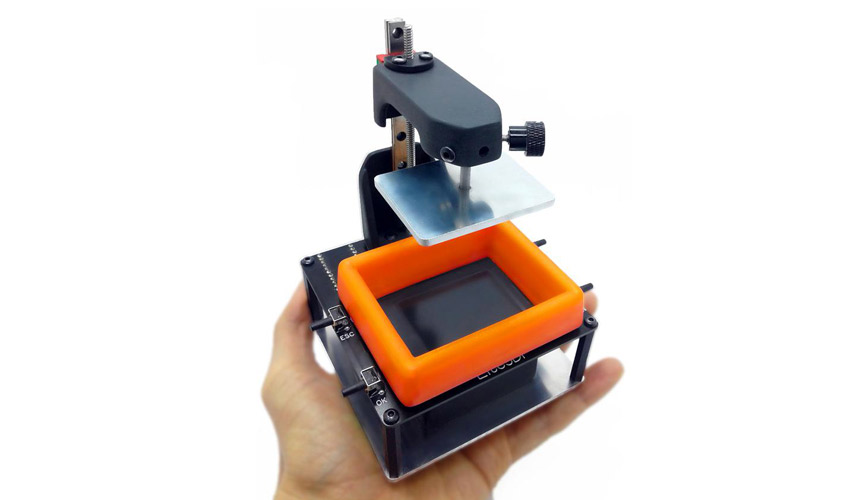 PrintersLite3DP S1, an affordable MSLA micro 3D printerLite3DP has launched a new micro 3D printer. Sold in DIY kit form, the small compact Lite3DP S1 is designed for makers and enthusiasts. It is undoubtedly one of the smallest MSLA printers on the market, measuring 100 x 100…
 NewsTop 5: 3D Printing For Cancer TreatmentHello everybody and welcome to our weekly top 5, where we collate the best 3D printing videos of the week. This time we have a 3Dnatives original video for you about how 3D printing can be used for cancer treatment…