News
3D Printed Reefs Help Restore Marine Life in Danish Waters
In a recent project, Danish multinational power company Ørsted and the World-Wide Fund for Nature (WWF) deployed 3D-printed reef structures in Kattegat, a strait between Denmark and Sweden. The goal of this initiative is to test how the 3D printed…
- 3 min read
- News
- Six more stories
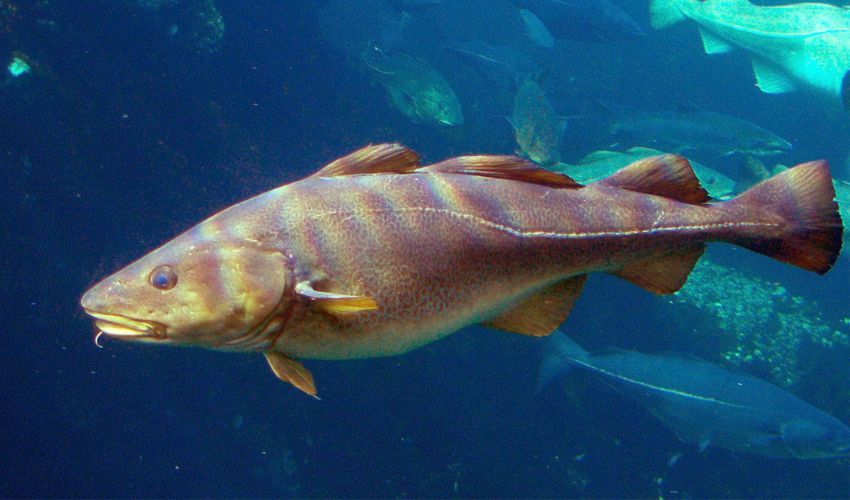
In a recent project, Danish multinational power company Ørsted and the World-Wide Fund for Nature (WWF) deployed 3D-printed reef structures in Kattegat, a strait between Denmark and Sweden. The goal of this initiative is to test how the 3D printed structures can benefit biodiversity in the Danish waters and help to put an end to the decline of the cod stock in the last few years. The project is the first of its kind in Danish waters, though not the first in the World.
Our environment is suffering, and the consequences of the constant exploitation of the planet are becoming more and more visible. The ocean especially has been pushed to the limits of endurance, and the damages are moving closer to a point of no return. Sea life has been declining over the last decades, as the example of the extremely low stock of cod in Kattegat, a part of the Greater North Sea, shows. The now alarmingly low stock is the result of many different negative impacts, such as overfishing, the loss of habitat, or increasing oxygen depletion. Bo Øksnebjerg, Secretary General, WWF Denmark, explains,” Marine biodiversity in Denmark is under heavy pressure, and today there are 90 % fewer cod in the Kattegat than in 1990. Action is needed – and urgently. We must give nature and wildlife a hand while trying to solve our climate crisis by expanding our renewable energy production at the same time.”
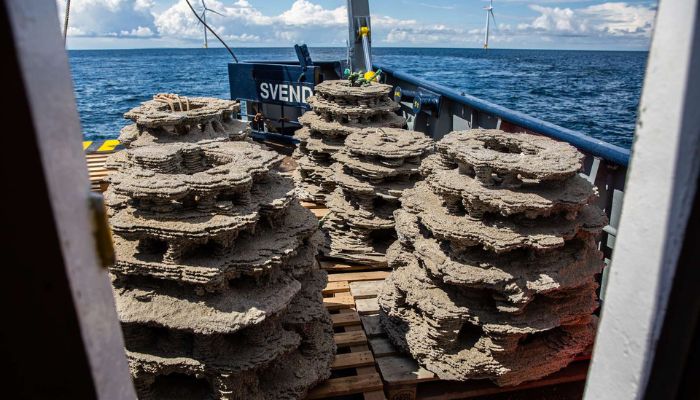
The 3D printed reef structures (photo credits: Ørsted)
The idea of 3D-printing reef structures isn’t exactly a new one. Similar projects, such as the 3D printing of coral reefs off the southern coastal Israeli city of Eilat a few months ago or archiREEF’s work in Hong Kong, have shown that the use of AM technologies can lead to great results. Following that success, the cooperation of the two partners in Denmark planted 12 3D-printed reef structures on a seabed in the Kattegat. The exact spot is located between wind turbines at Anholt Offshore Wind Farm in the North-East of Denmark. The project is the latest of several other initiatives to help the environment since the start of the strategic partnership between Ørsted and WWF Denmark in 2018.
More from the desk
Six other notes from the rest of the bench.
 NewsIsotropy in 3D Printing: What Is It and How Does It Affect the Final Parts?If you are part of the 3D printing industry or at least somewhat familiar with the technology, you will have heard of the concept of isotropy, which is defined as uniformity in all orientations. Thus, if we apply it to…
 NewsFor the first time, a 3D printed house is listed on AirbnbFor several years now, Airbnb has been one of the preferred choices for tourists when they go on vacation. The platform, which allows individuals to rent out their apartment or house, has been so successful that it is now considered…
 Guidesnonplanar.xyz provides the tools to use the z axis correctly in FDM printingWhilst a 3D printer has movement for 3 axis, x, y and z, it pretty much never uses them at the same time. Usually only x and y movements of the 3D printer nozzle are used to form the geometry…
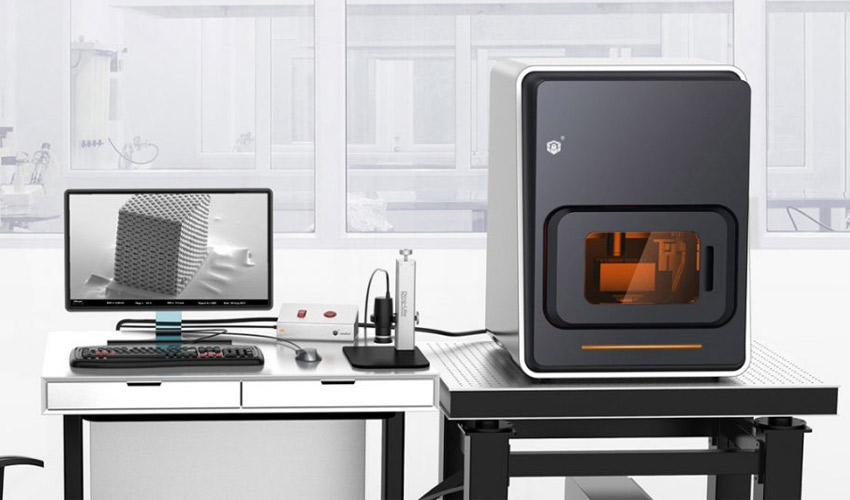 NewsmicroArch, Boston Micro Fabrication’s micro 3D printing technologyBoston Micro Fabrication (BMF) is a young manufacturer of micro 3D printing solutions that, after successfully expanding in Asia over the past 18 months, is officially launching its microArch technology worldwide. This technology would be capable of 3D printing of…
 NewsFortify enables new functionality in photopolymer compositesFortify is a startup based in Boston that creates composites for the additive manufacturing industry. Following some research on composite 3D printing at Northeastern University in Boston, the founders decided to create a company that would develop materials with optimized&hellip
 NewsTOP 5 VIDEOS: Formlabs, Ecco & Dassault Systèmes partner up, 3D printed trophy…We found the TOP 5 VIDEOS of the week about 3D printing and the way additive manufacturing is shaping and changing our society. If you enjoy these, you can view even more 3D printing videos on our Youtube channel. Hope you’ll enjoy…