News
3D Printed Holiday Park to Be Built In Australia
Plans are underway for the creation of a 3D printed holiday park in Dubbo, Australia. This will create a block of 3D-printed houses, public toilets, and a holiday camp featuring 50-100 cabins, using five large-scale printers. The holiday park will…
- 3 min read
- News
- Six more stories

Plans are underway for the creation of a 3D printed holiday park in Dubbo, Australia. This will create a block of 3D-printed houses, public toilets, and a holiday camp featuring 50-100 cabins, using five large-scale printers. The holiday park will not only be 3D printed, but will have an eco focus. They will build each cabin to withstand harsh weather conditions and to have high thermal stability and durability.
The project is being conducted by Contour3D, an Australian 3D printing company who wants to make Australia a leader in additive manufacturing for construction. They have completed other similar projects such as a so-called ‘granny flat’ in Sydney, but this is the first intended for tourists. The New South Wales city is a popular destination for tourists as it is situated in the Great Western Plains region and features a major zoo, the Taronga Western Plains Zoo: this new holiday park will stretch across 12 hectares just opposite the Zoo. Indeed, the choice of Dubbo came to the CEO, Nick Holden, while on holiday in the region with his children. Due to the large scale of the project, large printers are needed; the ones to be used are 16 meters in height and 25 metres in length.
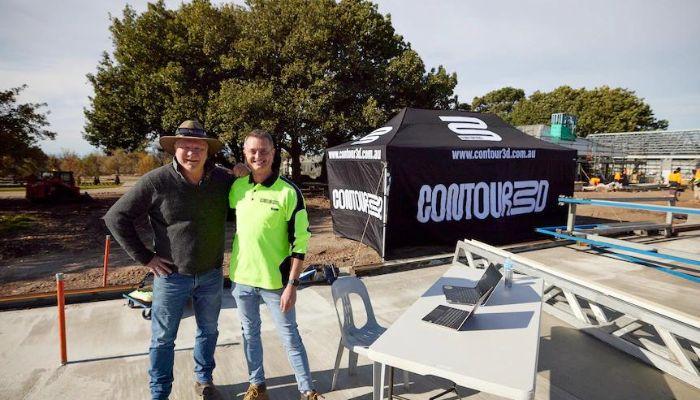
TV presenter Scott Cam (left) meets with Nick Holden on the site of 3D printed home build.(Photo credit: Contour3D)
The local government of the region strongly encourages the project. The Dubbo City Mayor, Matthew Dickinson, said that the potential of 3D printing is causing a ‘great deal of chatter’ among councilors who are interested in its application to solve Australia’s housing crisis. The interest is matched by industry players; he said that the council had received an ‘unbelievable’ amount of offers to print the parts needed for the park. Furthermore, Mr. Holden describes the new project as potentially 20 to 30 percent cheaper than traditional methods, which of course interests governments who look to reduce costs wherever possible.
More from the desk
Six other notes from the rest of the bench.
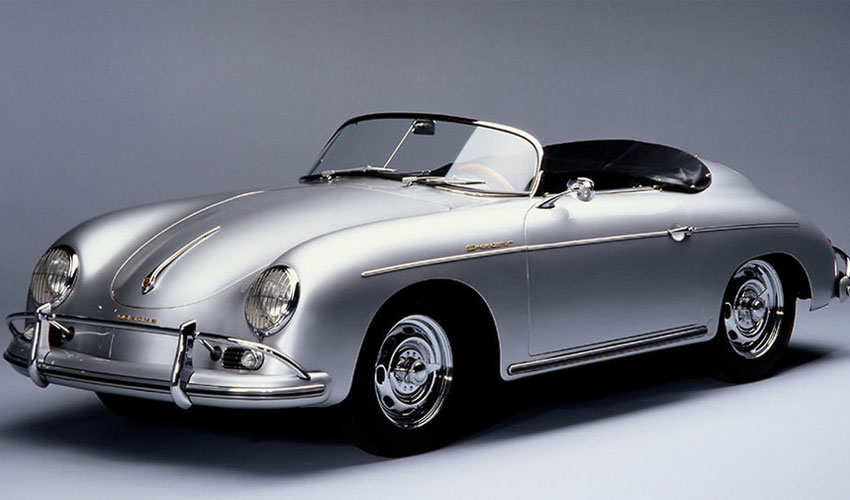 NewsPorsche to 3D Print Spare Parts for their Luxury CarsGerman luxury car manufacturer Porsche has recently announced that it will enter the 3D printing market. This move is to begin the development of spare parts for some of their classic cars so they last longer before becoming unusable. We…
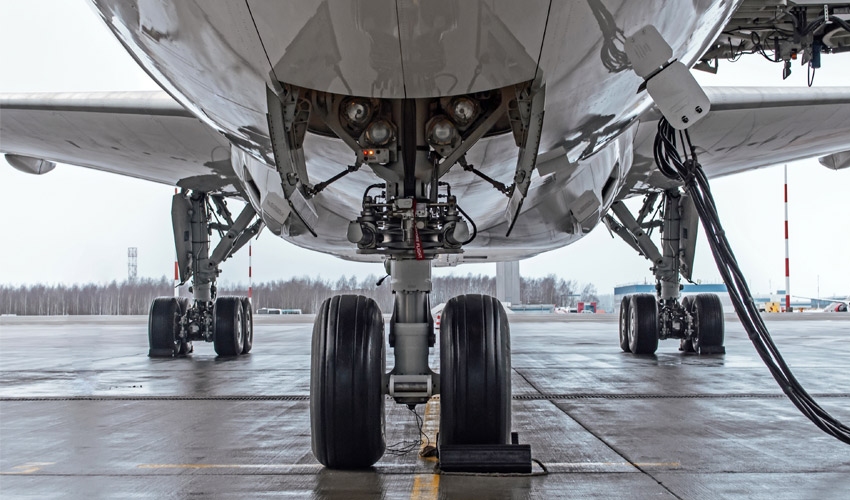 ApplicationsAirbus and Safran Join British Consortium to Develop Metal 3D PrintingAerospace giants Airbus and Safran, through its Safran Landing Systems branch, have announced that they are part of a new project to improve manufacturing processes in the aerospace sector. The group will work to create a new DED process, named…
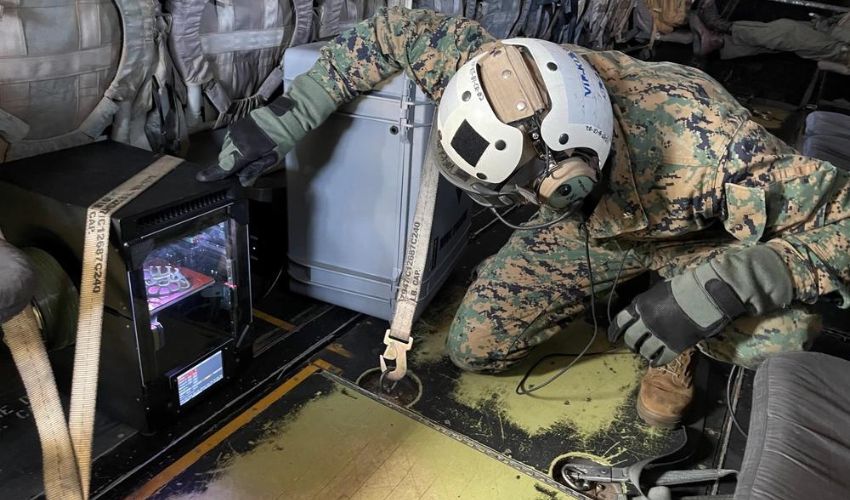 ApplicationsMarines Have Successfully Demonstrated 3D Printing In-Flight for the First TimeIt is no secret that the U.S. military is increasingly turning to 3D printing for a number of interesting applications in the defense sector. Indeed, in the past few years, we have seen a number of projects including the use…
 GuidesInterview with Hargurdeep Singh about his role at CAD MicroSolutionsCAD MicroSolutions is dedicated to helping mechanical and electronic customers ensure they are realizing the greatest value from their technology investment. The company offers design automation software, training, and consulting to help clients innovate, disrupt, design, and suc
 NewsSilca Is Creating 3D Printed, Titanium Derailleur Hangers for BicyclesAmong the different application sectors in which we can find additive manufacturing, there is one that stands out in particular. This is the use of 3D printing in cycling, either to create specific part or entire bicycles. Undoubtedly, this method…
 ApplicationsRolls-Royce is accelerating the integration of 3D printing into its production processSince the start of the year, the British manufacturer Rolls-Royce, a subsidiary of the BMW Group, has been 3D printing plastic and metal parts for its Rolls-Royce Ghost model. The parts are manufactured along the production line at various locations…