Guides
Why 3D Printed Brain Models Are Transforming Neurosurgery — Insights from Maggie Lashutka Ahead of RAPID + TCT 2026
Additive manufacturing is increasingly finding its place in healthcare, enabling the creation of patient-specific anatomical models that give surgeons a deeper understanding of complex cases before they ever enter the operating room. By transforming MRI and other medical imaging
- 3 min read
- Guides
- Six more stories
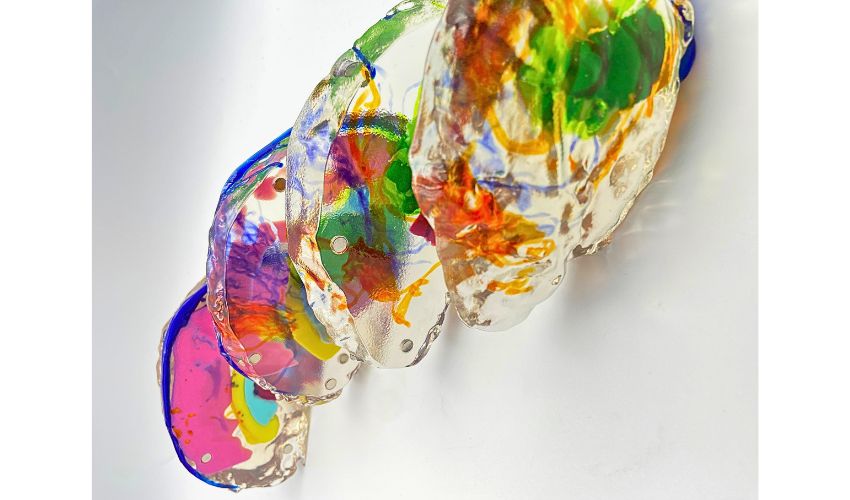
Additive manufacturing is increasingly finding its place in healthcare, enabling the creation of patient-specific anatomical models that give surgeons a deeper understanding of complex cases before they ever enter the operating room. By transforming MRI and other medical imaging data into tangible, life-sized replicas, physicians can visualize tumors, critical structures and potential surgical corridors in ways that traditional scans alone often cannot convey. Ahead of RAPID + TCT 2026, we spoke with Maggie Lashutka, biomedical engineer specializing in additive manufacturing at Ricoh 3D for Healthcare, about how 3D printed brain models are supporting neurosurgical planning and why having one in hand can feel, as one surgeon put it, like “having the answers to a test before taking it.”
3DN: Could you briefly introduce yourself and tell us how you first became involved in additive manufacturing and healthcare applications?

Later, I expanded my research into bioprinting during a fellowship in the Lewis Lab at Harvard University. Through these experiences, I fell in love with the potential of additive manufacturing to support personalized care. Seeing how patient-specific models can improve surgical planning and ultimately benefit patients is what continues to motivate me in this field.
More from the desk
Six other notes from the rest of the bench.
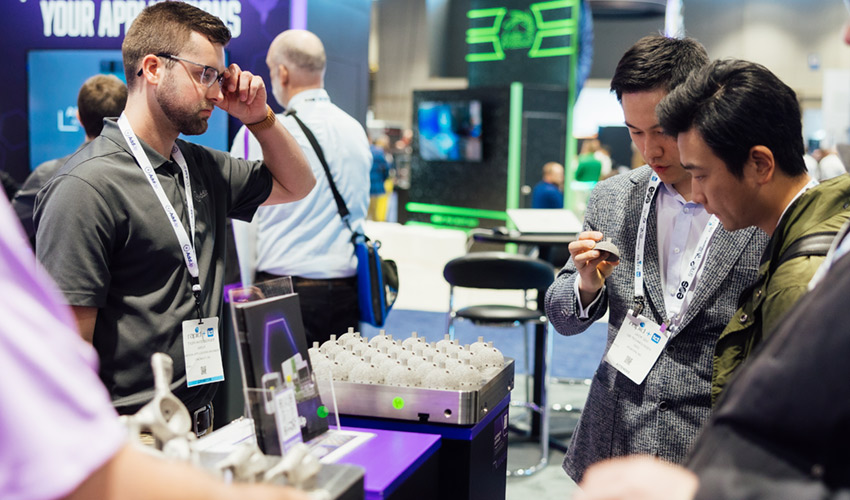 NewsThe Industry Partners That Make RAPID + TCT the Most Relevant AM Event in North AmericaAs we know, 3D printing, along with other disruptive technologies, plays a key role in Industry 4.0 and helping society move towards smart production. This is why events and trade shows are so important for bringing together experts and exhibitors…
 NewsMonitoring Food Freshness With 3D Printing and Neural NetworksCan we rely on our five senses to know if fruits and vegetables are fresh or not? In most cases, it is enough to observe, smell or touch the food to realize that we can eat it. In these cases,…
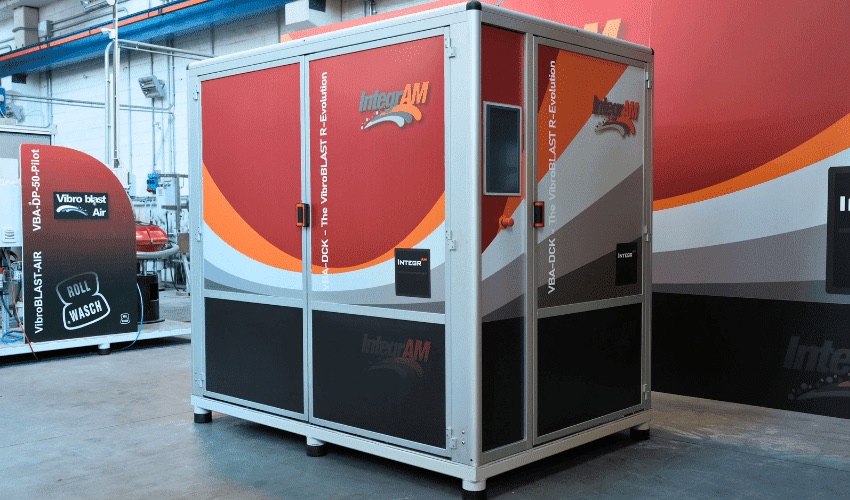 NewsSpengler Automates 3D Printing Post-Processing With Its DCK 01 SystemThe 3D printing industry is constantly evolving, moving more and more towards mass production and the need to optimize production and post-processing processes. As highlighted in the latest report from PostProcess Technologies, which analyzes post-processing trends in 2022, indus
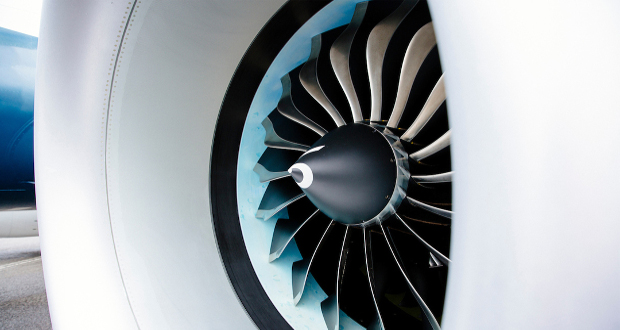 ApplicationsGE unveils world’s largest 3D printer for the aerospace industryThere has been nothing but exciting news buzzing over the last few weeks in the 3D printing industry, as companies unveil their latest announcements and projects at the different expos and shows taking place around the world. Following HP’s multiple…
 NewsTOP 5 VIDEOS: Open Heritage, exploring the world thanks to 3D printing technologiesThis week we found the top 5 videos about 3D printing and the way additive manufacturing is shaping our society. The technology has infiltrated many sectors, from medical to space! Check out our selection of the week to keep up…
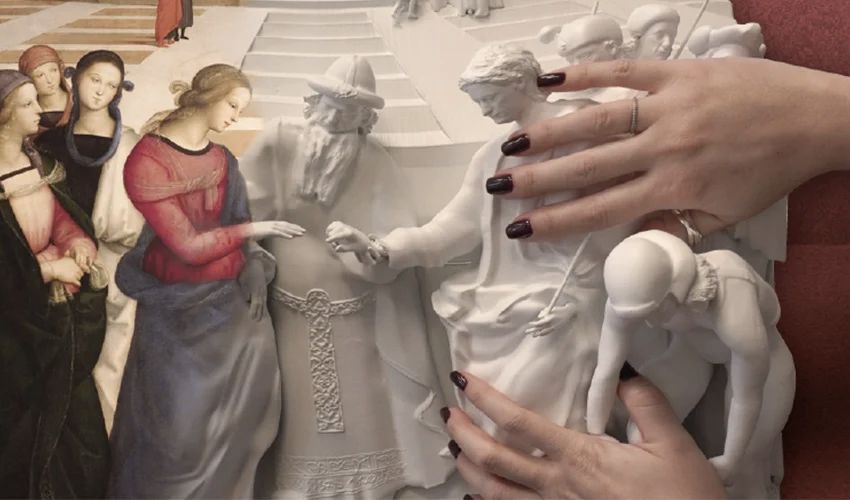 News‘Tactile Tours’: How Can 3D Printing Facilitate Access to Art and Culture For the Visually Impaired?Valentin Haüy is a voluntary association dedicated to the support of visually impaired people in France. Created in 1889, it deploys a large number of actions throughout the country to allow the visually impaired easier access to education, to the…