Applications
Particle3D is creating tailor-made 3D printed bone implants
The Danish company, Particle3D, uses a proprietary technology to create 3D printed bone implants that are tailored to a patient’s body. Additionally, the implants are porous and degradable which means that they fuse to a patient’s skeleton before disappearing. Founded…
- 3 min read
- Applications
- Six more stories
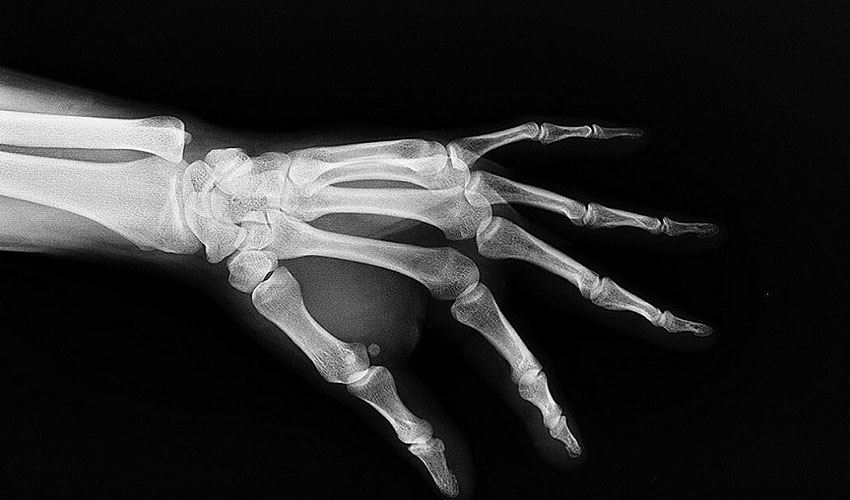
The Danish company, Particle3D, uses a proprietary technology to create 3D printed bone implants that are tailored to a patient’s body. Additionally, the implants are porous and degradable which means that they fuse to a patient’s skeleton before disappearing. Founded in 2014, the company has come a long way in the development of these implants. Today, Particle3D’s fabrication method and bone material has been validated through various studies and tests from researchers worldwide.
Bone tissue reconstruction is a surgery performed millions of times each year for people that have congenital bone defects, victims of accidents or cancer patients. In the world of additive manufacturing, many attempts have been made at developing a viable solution for these people. For example, a team of researchers at the University of Arizona was combining 3D printing with adult stem cells to create biomimetic scaffolds that could treat fractures. In the case of Particle3D, it is using a bioink made from tricalcium phosphate (TCP) particles that stimulate natural bone growth, and fatty acids.
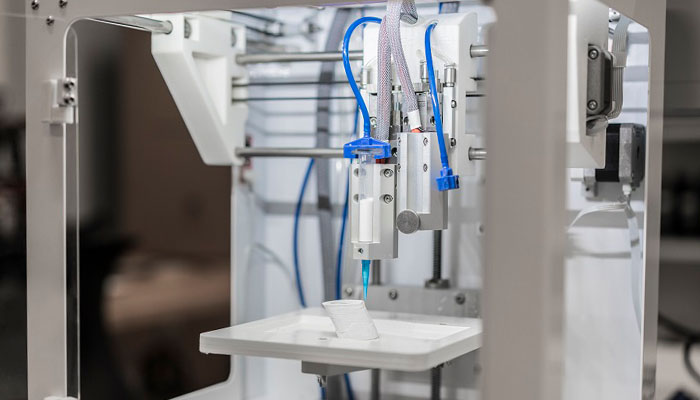
Image via Particle3D
The Danish company explains that TCP is often used in similar cases, however the implants are made manually from solid blocks which limit their usefulness. Moreover, in such a process the implant is not perfectly adapted to the patient’s body. This is why Particle3D starts with scans of the patient’s bones, enabling the creation of a tailor-made 3D printed implant. Just like any 3D model that needs to be printed, the data from the scan is fed to CAD software and then adjusted in order to be optimized for surgery. Particle3D takes care of the production process, leaving the insertion in the hands of the hospital it sends the implant to.
More from the desk
Six other notes from the rest of the bench.
 NewsWhat Can You Expect From AMUG 2024?AMUG 2024 is right around the corner! The Additive Manufacturing Users Group (AMUG) Conference is a mainstay in AM events in the United States, aiming to “bring together engineers, designers, managers, and educators from around the world to share expertise,…
 ApplicationsAre the resins used in dental 3D printing dangerous for reproductive health?At Northwestern University, a team of researchers developing the first female reproductive tract on a chip (EVATAR) in order to enable sex-based ex vivo (outside of the organism) research discovered something worrying about their “biocompatible” materials. While using
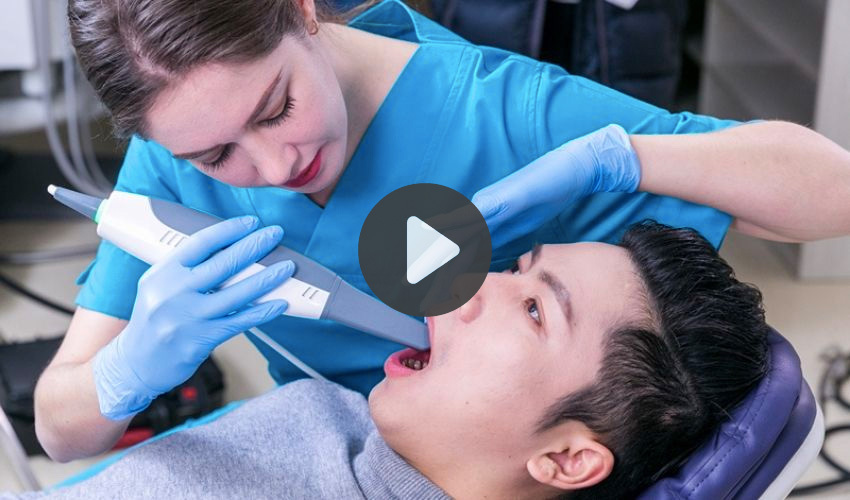 PrintersSHINING 3D Talks Digitalization in the Dental SectorIn the dental industry, 3D scanner technology has become an integral part of patient care. From hardware in labs to software solutions, 3D dental scanners allows dentists to make better parts for their patients thanks to customization and speed. In…
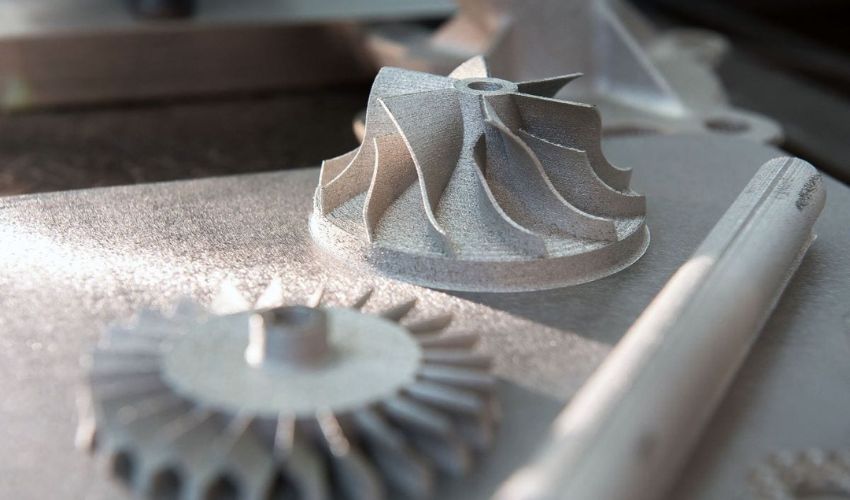 MaterialsNIST Announces Metal 3D Printing Breakthrough Which Could Help Spur Wider AdoptionOne of the biggest obstacles to widespread adoption of metal additive manufacturing is that we still have large gaps of understanding about what happens to the material during the process. More specifically, there are few tools which can show what…
 NewsInfographic: The Role of 3D Printing in Sports and the OlympicsAdditive manufacturing has gained in popularity in many sectors, including the world of sports. More and more companies are experimenting with 3D printing to design more comfortable and safe equipment, or to improve athletes’ performance. Furthermore, with the upcoming 2024
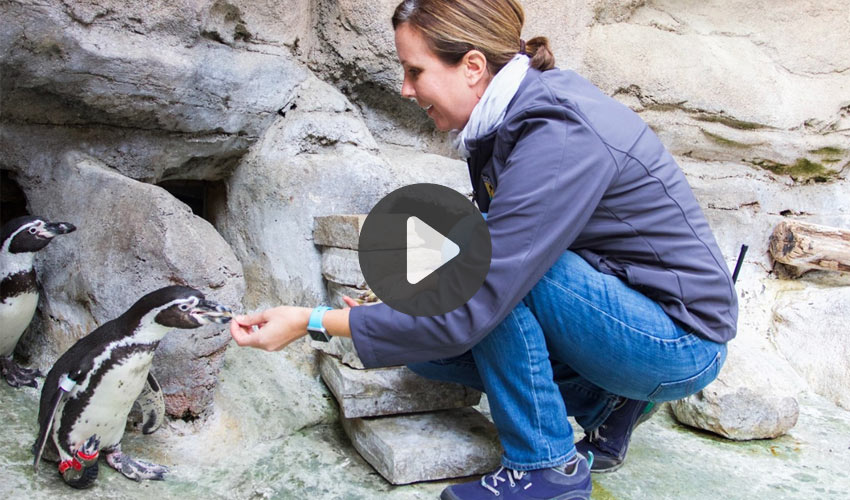 News#TOP5 videos: Penguin rescued by 3D printing and much more!We found the TOP 5 videos of the week related to 3D printing and collected the additive manufacturing here. You can enjoy even more 3D printing videos on the our Youtube channel, as well as share your videos and comment on…