News
What Will Change for Post-Processing in 2026?
It’s been a while since PostProcess Technologies released its renowned study on post-processing trends. But now, the 5th edition is finally available, following the last release in 2022. The report highlights a growing focus on sustainability, safety, and health. As…
- 3 min read
- News
- Six more stories
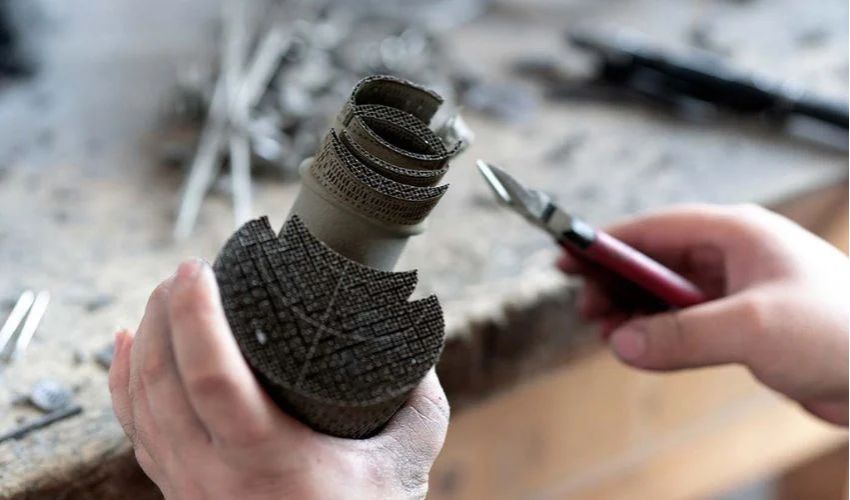
It’s been a while since PostProcess Technologies released its renowned study on post-processing trends. But now, the 5th edition is finally available, following the last release in 2022. The report highlights a growing focus on sustainability, safety, and health. As production volumes in additive manufacturing increase, concerns surrounding post-processing are also shifting. How can we keep up with production speeds and ensure that workers are properly protected? Let’s take a closer look at what’s on the horizon for post-processing in 2026.
Many post-processing trends and requirements have remained consistent over the years: since 2019, support removal and surface finishing have remained the two most commonly used methods among 3D printing users. 59% of participants use the former technique, while 48% use the latter.
Of course, these post-processing techniques are closely tied to the preferred additive manufacturing process. The study shows that material extrusion remains in first place, followed by resin-based processes, and finally powder-based methods. Similarly, there have been no major changes compared to previous years. So, what’s different about the post-processing sector in 2026?
More from the desk
Six other notes from the rest of the bench.
 ApplicationsMicrofluidic channels 3D printed for the first time by UMNResearchers at the University of Minnesota partnered with the U.S. Army Combat Capabilities Development Command Soldier Center to 3D print unique fluid channels at the micron scale. The ability to additively manufacture such microfluidic channels can potentially automate the prod
 NewsIs 3D printing the future of construction for Dubai?The real estate development company, Emaar Properties announced the construction of its first 3D printed home in Dubai, in collaboration with an international 3D concrete printer manufacturer and a contractor from the United Arab Emirates. The project is still in…
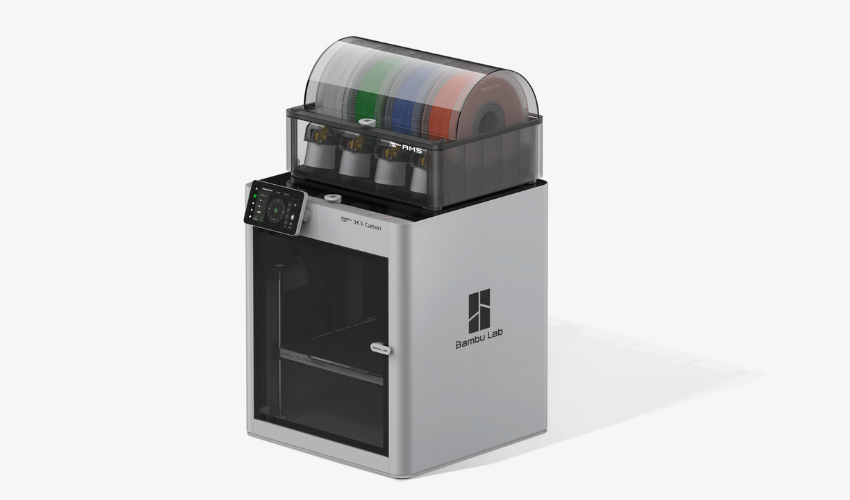 PrintersA New Leap in FDM 3D Printing? The Bambu Lab X1 Kickstarter Has Officially LaunchedSince the early days of FDM desktop 3D printing and the emergence of the Reprap project, a lot of different 3D printers have come out, and the market is now very broad. Today, we wanted to introduce you to yet…
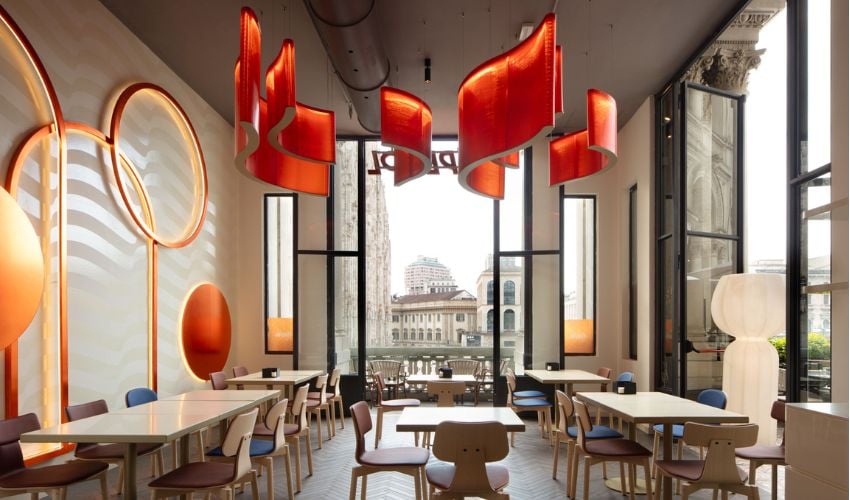 News3D Printing Used in Redesign of Terrazza Aperol in MilanOne of Milan’s iconic nightlife spots has been redesigned thanks to additive manufacturing. This is Terrazza Aperol, overlooking Piazza Duomo, which serves as the setting for an interior design project that blends aesthetics, sustainability, and technological innovation. Behind t
 NewsGE Brings COBOD Concrete 3D Printing Technology to Climate SummitLast week, GE put COBOD ’s 3D concrete printing technology forward at the Climate Summit, hosted by President Biden. The event was attended by leaders of 16 different countries across the world, which together are responsible for 80% of global…
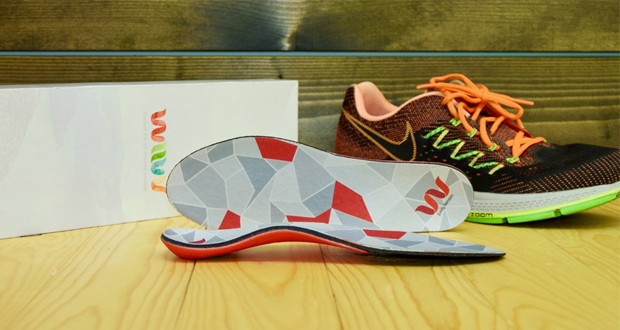 GuidesStartup of the month: Wiivv’s 3D printed, customizable insoles and sandalsThis month, we would like to introduce you to a young Canadian startup as our startup of the month of June! As personalization specialists, Wiivv is creating completely tailor-made 3D printed insoles and sandals that will bring even more comfort…