Applications
The Gradual Yet Expanding Integration of 3D Printing in Dentistry
A recent study conducted by the American Dental Association revealed that only 17% of dentists currently use 3D printers as part of their dental practice. Furthermore, of those dentists who do use 3D printers, a significant 67% have incorporated this…
- 3 min read
- Applications
- Six more stories
A recent study conducted by the American Dental Association revealed that only 17% of dentists currently use 3D printers as part of their dental practice. Furthermore, of those dentists who do use 3D printers, a significant 67% have incorporated this technology into their practice for fewer than two years. Interestingly, the study also indicated that 21% of non-users are considering acquiring or renting a 3D printer in the future.
Given the widespread applications of 3D printing in the dental sector, it is worth exploring the reasons behind the relatively low adoption rate of this technique. Market research conducted by Markets and Markets in 2022 even projected that the dental 3D printing market would generate a staggering $7.9 billion by 2027. So why haven’t more dental professionals embraced this technology? Could it be beneficial for all dental practitioners to incorporate 3D printing into their workflow? And once adopted, what specific uses and advantages does this technology offer in the field of dentistry?
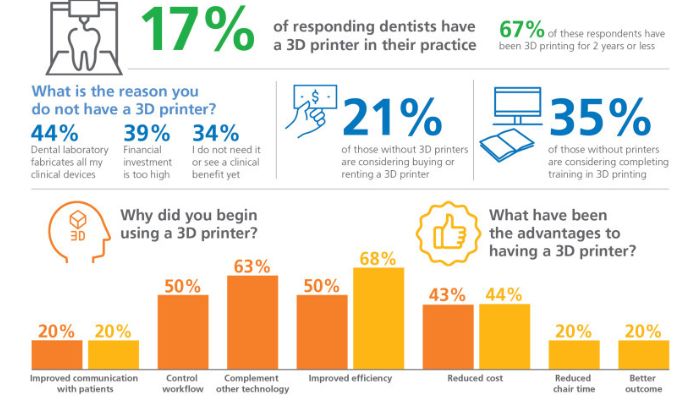
17% of responding dentists have a 3D printer in their practice (Photo credits: American Dental Association)
3D Printing Improves Dentists’ Efficiency and Cuts Costs
Out of the 277 dentists surveyed, only 17% currently utilize additive manufacturing as part of their dental care practices. So, what drives these dentists to incorporate this technology? According to the survey, 63% of adopters use 3D printing to complement other existing technologies, while 50% aim to improve control over their workflow. Additionally, an equal percentage of dentists, 50%, anticipate that additive manufacturing will enhance their efficiency. Furthermore, 43% of adopters see the potential for cost reduction as a motivating factor.
More from the desk
Six other notes from the rest of the bench.
 NewsTop 5 Videos: 3D Printing Face Shields for Essential WorkersThis week we found the top 5 videos about 3D printing and the way additive manufacturing is changing production. The technology has infiltrated many sectors, from medical to automotive: check our selection of the week to keep up with the innovations! If you enjoy these, you&helli
 NewsSavorEat Makes History on the Tel-Aviv Stock ExchangeThe Israeli food-tech company SavorEat produces 3D-printed plant-based meat alternatives. After going public earlier this year, SavorEat made history. It was the first company of its kind to be listed on the Tel Aviv Stock Exchange (TASE) and raised NIS…
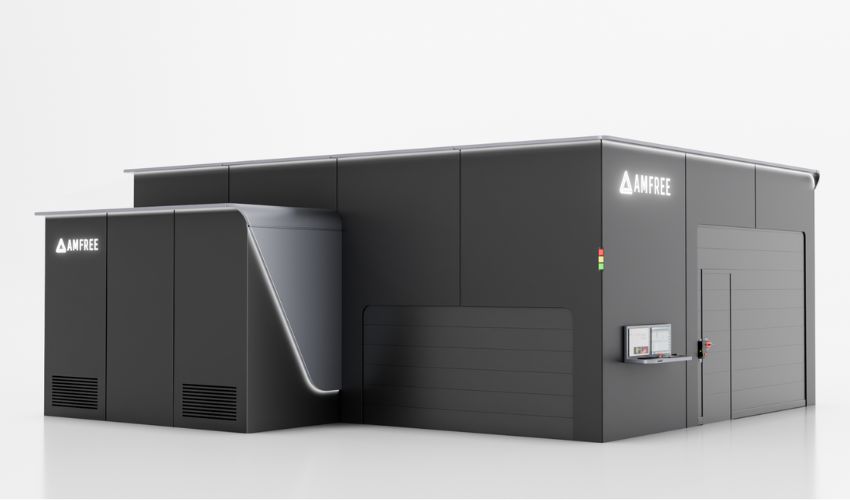 Printers#3DStartup: AMFREE Overcomes the Constraints of XXL Metal 3D PrintingWhile metal additive manufacturing seems to be ever-expanding, the market still faces a number of challenges, particularly when it comes to producing and repairing large-format parts. The solutions available on the market are often unreliable, and the parts produced are…
 NewsFormnext 2025: How Can You Keep Up with the Latest from the Trade Show?It’s impossible to miss the buzz around Formnext right now. The world’s largest additive manufacturing trade show opens its doors in just a few days, and excitement is building fast—just look at the flood of announcements from exhibitors. From product…
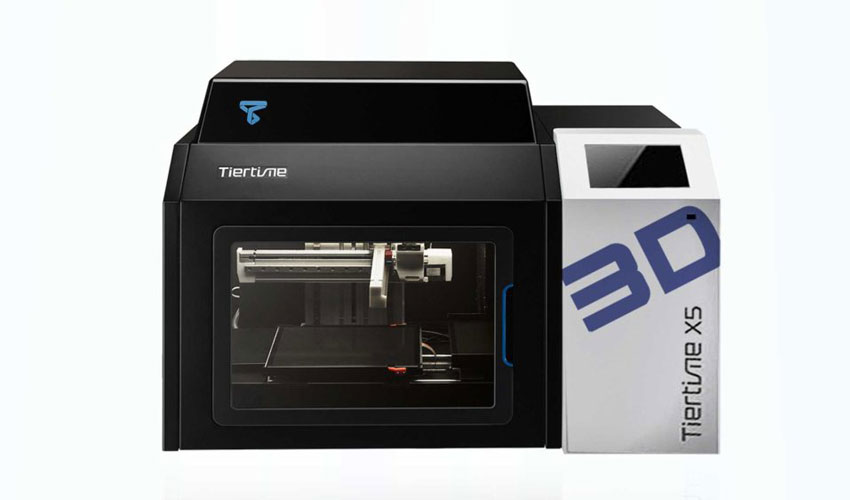 PrintersTierTime X5, semi-continuous printing for professionalsChinese 3D printer manufacturer, TierTime, has expanded their range of machines with the announcement of three new printers, the Up Mini 2 ES, the UP300 and the TierTime X5. The latter is particularly innovative since it offers almost continuous production…
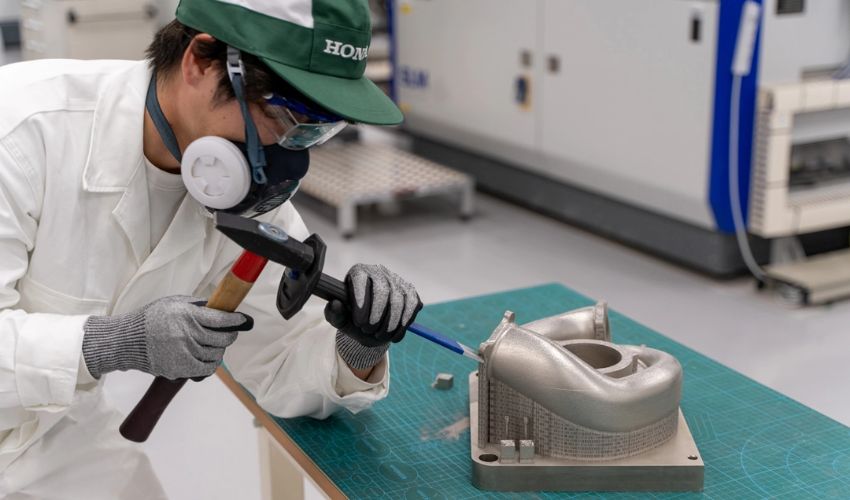 ApplicationsHonda Is Leveraging (and Improving!) Laser Powder Bed Fusion for TransportationJapanese car manufacturer Honda recently revealed how it uses 3D printing to increase efficiency. The company’s technology of choice? Laser powder bed fusion (LPBF). This metal additive manufacturing technology can create complex geometries that are impossible to achieve th