Guides
3D Printed Architecture: Our Top Picks
The Oxford English Dictionary defines architecture as “the art and study of designing buildings”: whether it is houses, offices, bridges or schools, this art is greatly impacted by new technologies. Architects are looking for innovative structures, both in terms of&he
- 3 min read
- Guides
- Six more stories
The Oxford English Dictionary defines architecture as “the art and study of designing buildings”: whether it is houses, offices, bridges or schools, this art is greatly impacted by new technologies. Architects are looking for innovative structures, both in terms of design and energy efficiency – as we know, the latter has become a major issue in our society today. Among the new technologies used, we can mention additive manufacturing of course. It brings many benefits to the construction sector, which is expected to grow by 101.9% annually from 2023 to 2030 according to a study published by Grand View Research. Designs can be customized, significant resources can be saved by using less material, and complex shapes that were previously considered impossible can be created in record time. Let’s take a look back at a few projects that blend architecture and 3D printing to see what is possible with the technology today!
MX3D’s Metal Bridge
In 2015, Dutch 3D printing company MX3D unveiled the MX3D bridge in Amsterdam. This 12 meter fully functional stainless steel bridge was made by a 6-axis robot that extrudes metal rods and welds them layer by layer. It crosses the Oudezijds Achterburgwal, one of the most famous canals in the capital. The bridge has an integrated sensor network to measure structural elements and environmental factors to allow engineers to monitor the quality of the bridge. Furthermore, these factors are inputted into a ‘digital twin’ of the bridge so the workers can modify the bridge as needed, and to inform them for future 3D printing projects.
TECLA, the 100% green building from WASP
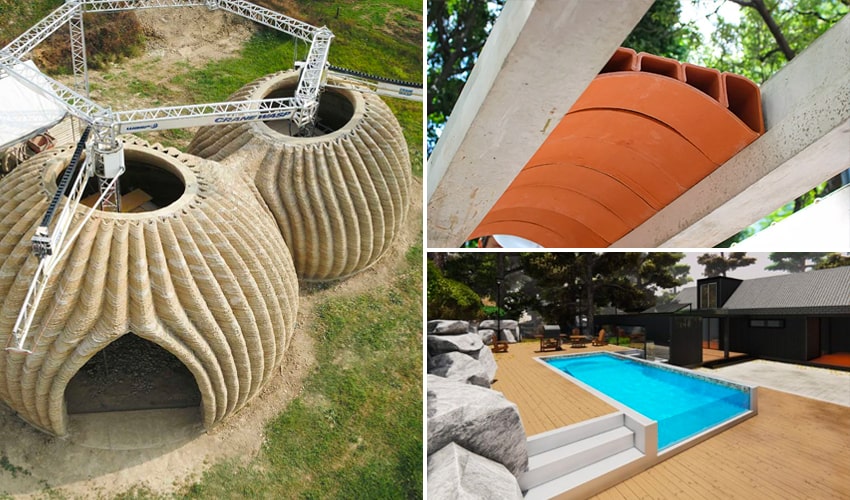
Italian company WASP is responsible for many projects that combine 3D printing and the construction industry. In 2016, it announced plans to build the houses of an experimental Italian village called Shambalha using additive manufacturing. Most recently, WASP 3D printed a 100% eco-friendly house from recyclable materials. Called TECLA (taking its name from Technology and Clay), the building was designed to address the climate crisis by providing low-carbon housing. The Italian company used their proprietary Crane WASP modular 3D printer to build it. The company also plans to build fully 3D-printed residential buildings. This will involve the use of new materials, among other things, and the project will serve as a case study in the future.
More from the desk
Six other notes from the rest of the bench.
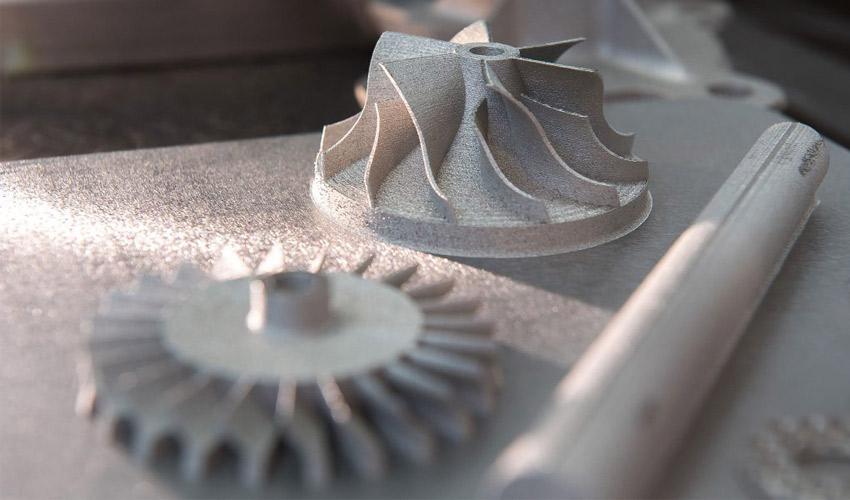 NewsThe US Army transforms a steel alloy to 3D print ultra-resistant partsA team of researchers from the U.S. Army Combat Capabilities Development Command Research Laboratory says they have adapted a custom-made steel alloy to be compatible with 3D powder-bed fusion printing technology. This new material should be able to produce parts…
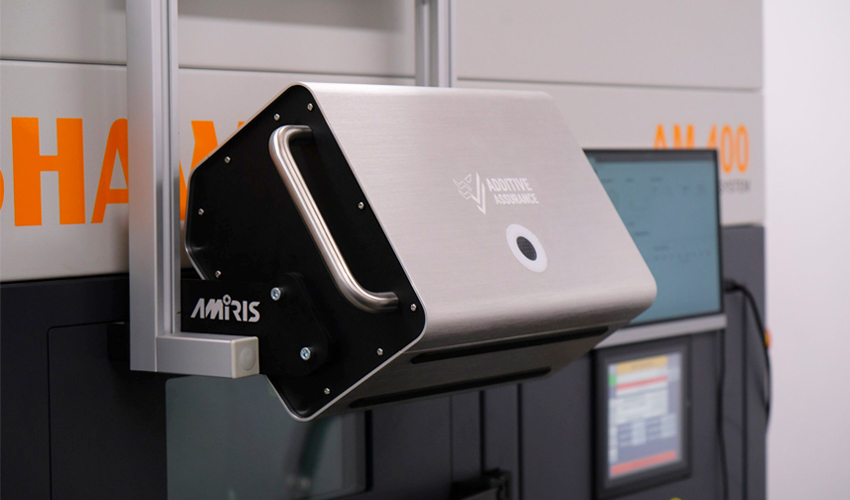 GuidesAdditive Assurance Talks Ensuring Part Quality in Metal 3D PrintingMetal additive manufacturing is being used by many advanced industries thanks to the ability to create complex and customized parts. However, to ensure feasibility and quality, it is essential to validate the parts obtained. This is an essential step to…
 NewsReverse Engineering Helps Ford to Revive Michigan Central StationAlready a veteran in the technology, Ford has been using additive manufacturing for many years. While the automaker usually applies 3D printing to design parts for cars, this time the American company used 3D technologies to renovate the Michigan Central…
 ApplicationsThe Countdown to Space Flight: Relativity Space’s Terran 1 Set for Test Flight on March 8The countdown is on! You might remember us telling you about 3D printing for space being used for rockets, and one of these will soon be put to the test. Relativity Space will launch the Terran 1 on a test…
 GuidesWhat Are the 3D Printing Startups to Know in 2021?For several years now, every month 3Dnatives has given you the opportunity to discover a startup in the additive manufacturing sector. 3D printer and material manufacturers, software developers or machine distributors, many young companies are developing solutions that will impac
 Applications#3DExpress: Partnership Seeks to Further Silicone 3D PrintingIn this week’s 3DExpress, start off with a new French partnership between Lynxter and 3Deus that could help advance silicone additive manufacturing in the industrial and healthcare sectors. Then learn about Creality’s latest launch and how the combination of chocolate