Guides
Startup of the Month: 3D MicroPrint
A well-known German company in the 3D printing industry is EOS. EOS have been in the 3D printing industry for more than 25 years, and pioneered laser sintering technologies. EOS recently cooperated with another company to create a new innovative…
- 3 min read
- Guides
- Six more stories
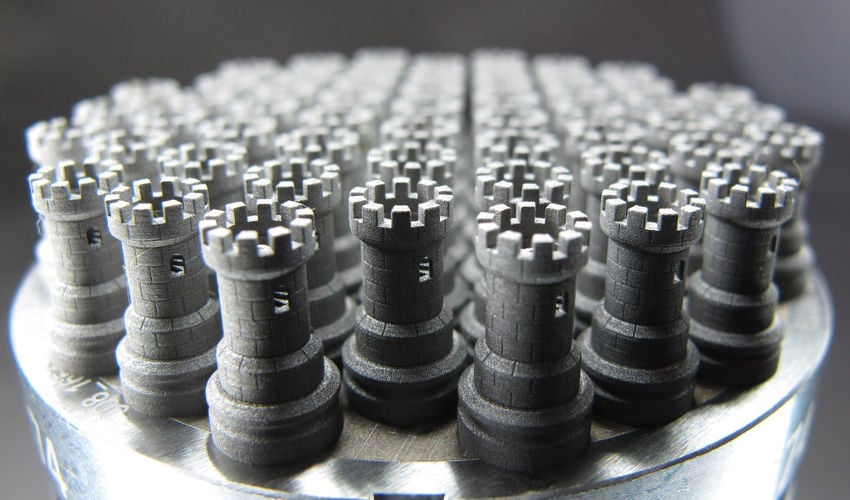
A well-known German company in the 3D printing industry is EOS. EOS have been in the 3D printing industry for more than 25 years, and pioneered laser sintering technologies. EOS recently cooperated with another company to create a new innovative startup in 2013, called 3D MicroPrint. When we heard of their fascinating new microlaser sintering technologies, we knew we had to interview them. Therefore, here is our interview with 3D MicroPrint about what they do, their goals for the future, and more!
3DN: Could you introduce the 3D MicroPrint in more detail?

CEO Joachim Göbner
The 3D MicroPrint GmbH was founded in 2013 in Chemnitz (Germany) as a result of a cooperation between the EOS GmbH and the 3D-Micromac AG. Our procedure Microlaser sintering (MLS) combines the two worlds of additive manufacturing and laser micro machining. As a 3D MicroPrint GmbH, we have taken this process to an industrial level and continue to develop the technology. We specialize in the development, manufacture and sale of MLS machines, as well as the production of micro-metal parts through micro laser sintering.
3DN: What is behind the ‘micro laser sintering’ technology, and how does it differ from other 3D printing technologies?
Microlaser sintering is a powder bed process in which the component is built up layer by layer. An infrared fiber laser is used to melt the powder, which is focused on a spot diameter smaller than 30 μm. The biggest difference to conventional additive manufacturing by means of laser sintering lies in the powder particle size used. The powder is smaller by a factor of 10 smaller than conventionally used powder sizes with a powder particle size less than or equal to 5 μm. As a result, a much finer resolution of the components can be achieved. Currently, this resolution is unique for metal components worldwide.
More from the desk
Six other notes from the rest of the bench.
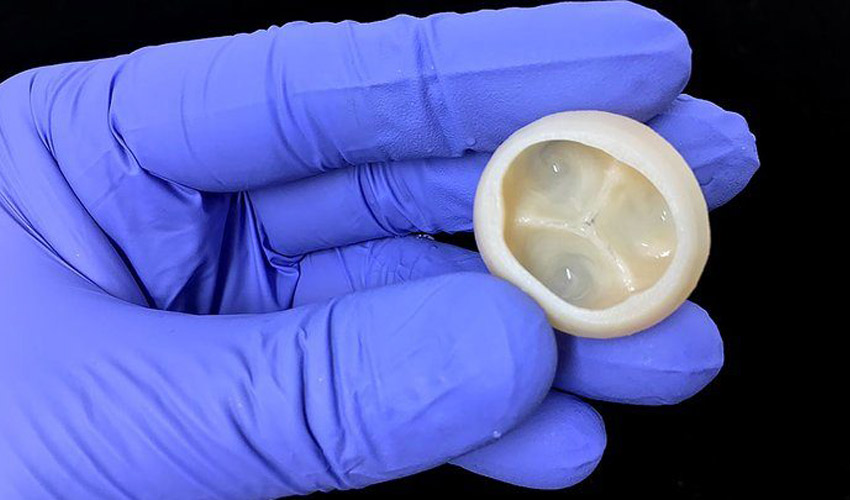 ApplicationsResearchers have been able to bioprint parts of the human heartScientists at Carnegie Mellon University are one step closer towards the manufacture of functional 3D printed organs: by using FluidForm technology, they have been able to reconstruct parts of the human heart, including heart valves. Called FRESH (Freeform Reversible Embedding&he
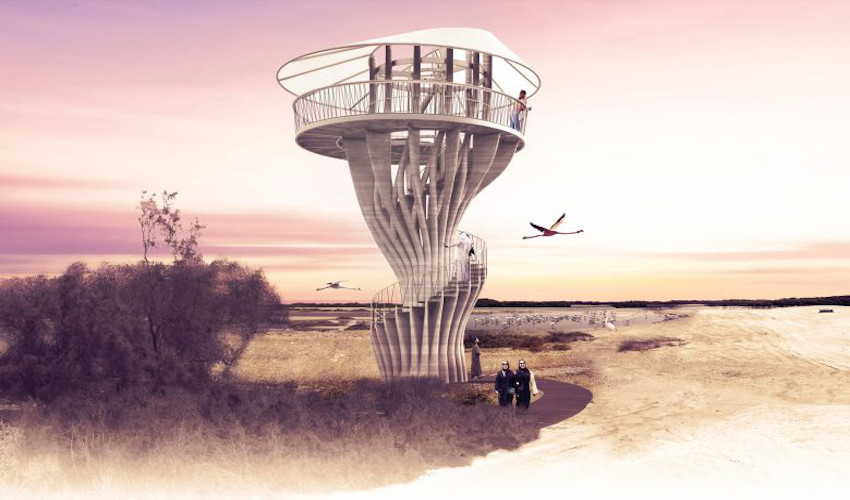 News3D Printed Observation Tower in Dubai’s Desert3D construction printing (3DCP) refers to various technologies that use additive manufacturing as a core method to fabricate buildings or construction components. We have already written about several 3D printed bridges and the 3D printed floating house project. The most…
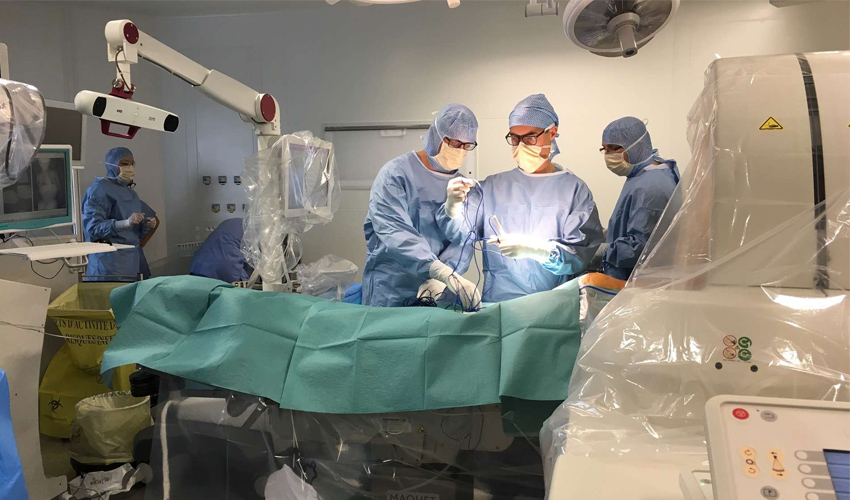 ApplicationsSurgeons use 3D printing to fix 6-year-old boy’s spineSurgeons from France’s Amiens-Picardie University have used 3D printing alongside a robot to successfully perform surgery on a boy’s spine. The boy, 6, had been suffering from severe progressive scoliosis coupled with infantile spinal amyotraphy, rendering him unable
  NewsTOP 5 videos of the week: Boomboxes, Tiny Satellites and more!A new selection of the best 3D printing videos of the week, just for you! Find our TOP 5 videos of the week below and tell us what your favorite video is in a comment or on our Facebook and Twitter page.…
 NewsSpring and Wonder: Tailor-made, 3D printed jewelryThe growth of the Shapeways 3D printing service has accelerated since its inception; After several successful fundraisers, the US has announced a range of new services including the production of personalized jewelry designs. Called Spring & Wonder, the jewelry range…
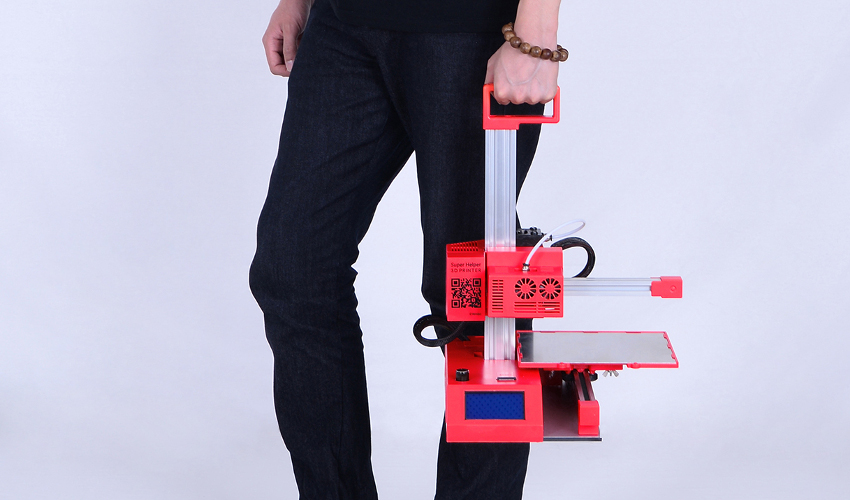 PrintersLab 3Dnatives: Testing the 3D printer Winbo SH105As summer starts coming to a close, we decided to mark this with a test of the Chinese printer Winbo SH105. Little known to the general public, the brand offers around 19 different FDM machines, with prices ranging from $199…