Applications
3D Bioprinting Could Make Cancer Treatment More Effective
Cancer is one of the leading causes of death worldwide. Indeed, according to the World Health Organization (WHO), it accounted for about 10 million deaths worldwide in 2020 alone, or nearly one in six deaths. However, though research into treatment…
- 3 min read
- Applications
- Six more stories
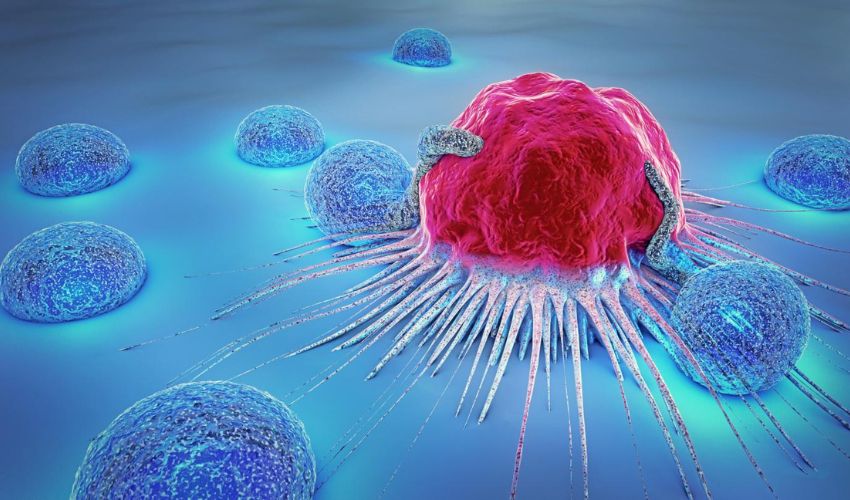
Cancer is one of the leading causes of death worldwide. Indeed, according to the World Health Organization (WHO), it accounted for about 10 million deaths worldwide in 2020 alone, or nearly one in six deaths. However, though research into treatment is constantly ongoing, there is still much to be done in working towards a cure. But, there may be some new hope. Scientists from the Korea Institute of Machinery and Materials (KIMM) and the Korea Research Institute of Bioscience and Biotechnology (KRIBB), under the jurisdiction of the Ministry of Science and ICT have announced a new 3D bioprinting technology which they claim could be a new method for treating cancer, notably solid tumors.
Defined as malignant tumors composed of vascular and connective tissues with solidity and form, solid tissues can be difficult to treat, notably with immunotherapy. This treatment uses substances to boost the immune system, notably natural killer cells (NK cells) a leukocyte that kills cells that are harmful to the human body. Immunotherapy is often recommended for patients with advanced stages of cancer according to the Cancer Center and has been known to be extremely effective in treating certain types of cancers. Hence, this latest research.
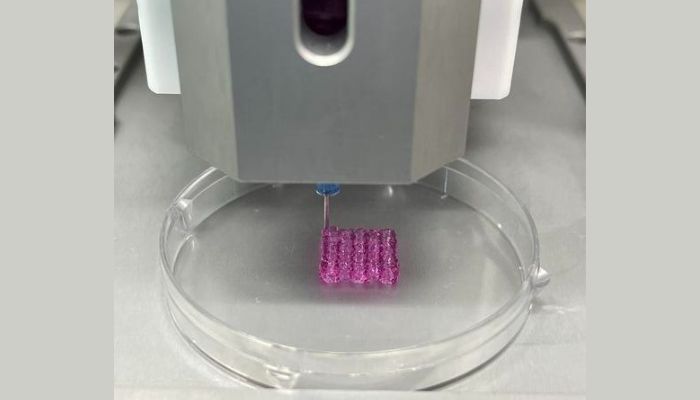
Korean researchers are using 3D bioprinting to treat solid tumors (photo credits: Korea Institute of Machinery and Materials (KIMM))
In essence, in immunotherapy, NK cells are injected via intravenous injection. However, in this newest method, 3D printed hydrogels encapsulate the NK cells. This helps to prevent the loss of NK cells, thus enabling a larger majority of said cells to home in on the tumor cells themselves. This is achieved by pores that form over time in the hydrogel, made from sodium alginate and gelatin, allowing NK cells to be released later on. And as they have been injected in the hydrogel, printed and then cultured, the cell viability and activity of the NK cells is also enhanced.
More from the desk
Six other notes from the rest of the bench.
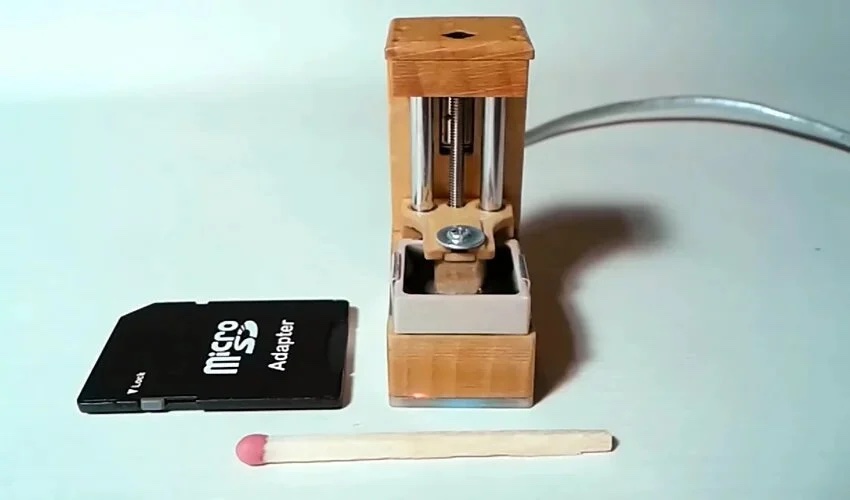 PrintersThe Smallest 3D Printer in the World Is No Bigger Than a Match3D printing is evolving by the minute and innovations in the sector are not about to stop, whether in terms of speed, materials or size: machine manufacturers are always looking for more volume or on the contrary are in search…
 ApplicationsINTENSE M1 Mountain Bike Integrates 3D Printing for Unmatched PerformanceFor downhill mountain bikers, conquering large drops and navigating unpredictable terrain requires lightweight, durable biking equipment. INTENSE’s M1 has long been a leader in the pack, but has recently taken a step forward to further innovate their bicycles. Through a&hel
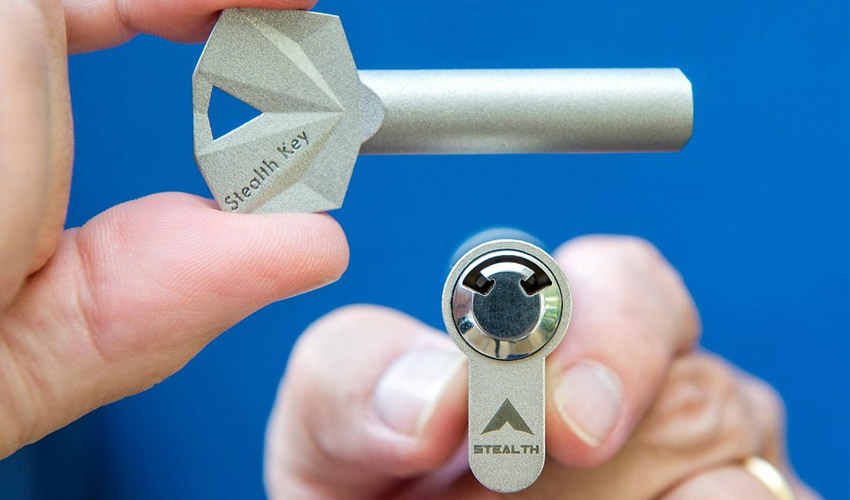 NewsFieldmade and UrbanAlps 3D print secure keys on demandThe young Swiss company, UrbanAlps had created a metal 3D printed key, hiding security functions inside its mechanism to make it impossible to scan it, in order to protect it. The company has just announced a collaboration with Fieldmade, a…
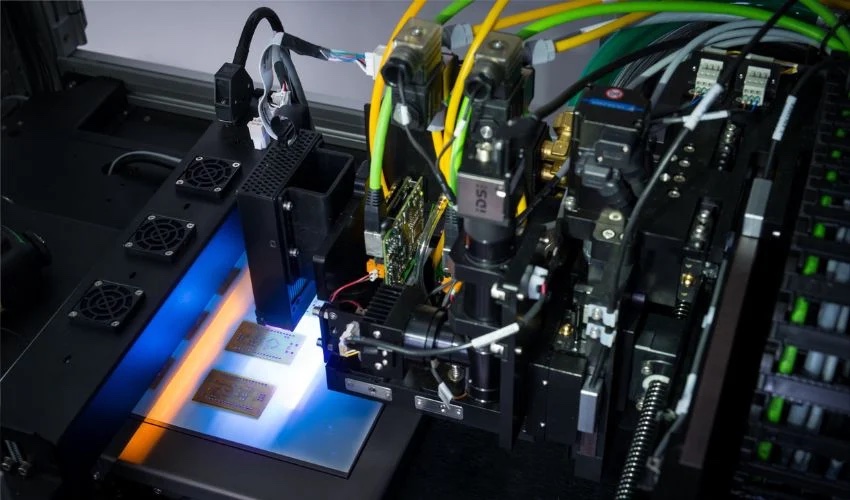 NewsNano Dimension Acquires Markforged and Positions Itself as a Market LeaderLast night, Israeli manufacturer Nano Dimension announced its intention to acquire Markforged, an American 3D printing solution provider, renowned in particular for its composite machines. Nano Dimension has agreed to buy all the outstanding shares of the American company, in&hel
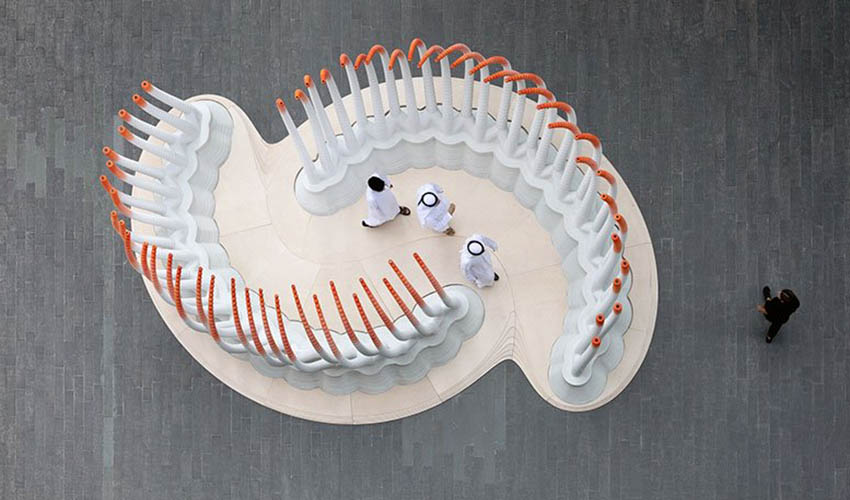 NewsMEAN* creates 3D printed pavilion in Dubai to explore sustainable constructionDubai has welcomed major 3D printing construction projects, possibly more than any other city in the world. The city is truly home to much of the innovation and experimentation in this sector. Recently, the Middle East Architectural Network, also known…
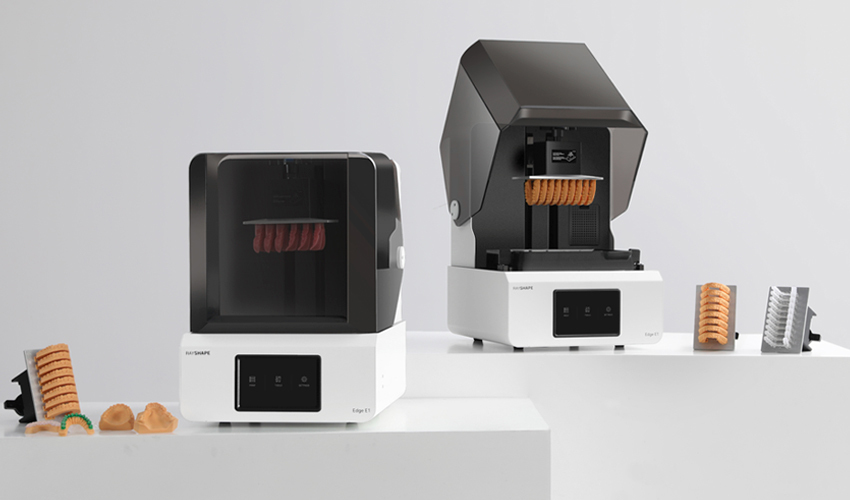 PrintersEdge E1, RAYSHAPE’s New 3D Printer for Digital DentistryChinese manufacturer RAYSHAPE, known for its DLP 3D printing solutions, continues its expansion in the resin additive manufacturing market. Most recently, it has announced the launch of a new 3D printer, the Edge E1, intended for use in the dental…