
Revolutionizing Aerospace: Honeywell’s STRATA Project Leverages Additive Manufacturing & AI with £14.1M UK Funding
The aerospace industry is on the cusp of a profound transformation, driven by groundbreaking advancements in manufacturing and artificial intelligence. In a significant boost for advanced manufacturing within the aerospace and defense sectors, a consortium spearheaded by the global technology leader Honeywell has announced a substantial funding award. This consortium, which includes key innovators such as 3T Additive Manufacturing, BeyondMath, Qdot Technology, and the Oxford Thermofluids Institute, has secured an impressive £14.1 million from the UK government. This considerable investment is earmarked to accelerate a pivotal research and development initiative, known as STRATA, which aims to redefine the future of aircraft systems. The project’s core mission is to explore and implement how cutting-edge 3D technologies, particularly additive manufacturing, can be innovatively applied to critical aircraft components, specifically cabin pressurization systems and environmental control systems. Moreover, artificial intelligence (AI) is set to play a crucial role, providing advanced analytical capabilities to fast-track innovation and optimize R&D processes. This ambitious endeavor is proudly funded through the prestigious Aerospace Technology Institute (ATI) program, underscoring its strategic importance to the UK’s industrial and technological landscape.
While the STRATA project is a UK-led initiative, its implications resonate globally, promising to unlock unprecedented opportunities for the entire aerospace sector. It stands as compelling evidence that the synergistic integration of 3D printing technology with other advanced techniques, such as artificial intelligence, can yield a truly transformative impact. This project is not merely about incremental improvements; it represents a fundamental paradigm shift in how aerospace components are conceived, designed, and ultimately produced. By leveraging artificial intelligence, for instance, the consortium aims to significantly mitigate the risk of design and manufacturing errors. Through sophisticated simulation models and predictive analytics, AI will enable engineers to identify potential flaws and optimize designs long before physical production begins, ultimately leading to enhanced performance, greater reliability, and superior safety standards. Concurrently, the incorporation of additive manufacturing empowers manufacturers to drastically reduce production lead times, minimize material waste, and achieve a level of design complexity previously unattainable with traditional methods. These efficiencies collectively contribute to improved profitability and a more sustainable manufacturing footprint for aerospace companies worldwide.

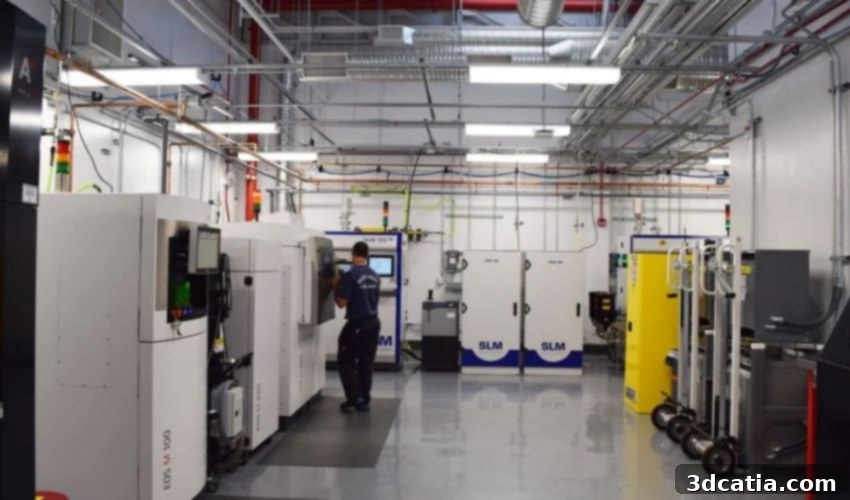
Example of an advanced aerospace component 3D printed by Honeywell, showcasing the intricate geometries possible with additive manufacturing.
The success of the STRATA project hinges on the collective expertise of its distinguished consortium members. Honeywell, as the lead, brings unparalleled experience in aerospace systems and advanced materials. 3T Additive Manufacturing contributes deep specialization in high-volume, high-quality industrial 3D printing services and solutions, enabling the scale-up of innovative designs. BeyondMath offers advanced mathematical modeling and optimization capabilities, critical for developing robust AI algorithms and simulation tools that predict component behavior under extreme conditions. Qdot Technology specializes in high-performance thermal management solutions, an area directly addressed by STRATA’s objectives to improve aircraft energy efficiency. Finally, the Oxford Thermofluids Institute provides world-class academic research and intellectual rigor in thermofluidics, essential for understanding and optimizing the performance of cabin pressurization and environmental control systems. This multi-disciplinary collaboration ensures a holistic approach to tackling complex engineering challenges, blending industrial application with cutting-edge academic research and fostering true innovation.
This substantial government investment underscores the United Kingdom’s commitment to remaining at the forefront of global aerospace innovation and advanced manufacturing. Sarah Jones, the Minister of State for Industry, eloquently articulated this vision, stating: “This is great news for Honeywell, and a good example of how government and business can work together to help keep the UK at the forefront of innovation in our world-class aerospace sector. We’re doubling down on this support through our modern Industrial Strategy – giving business the confidence it needs to invest in UK advanced manufacturing and delivering on our Plan for Change.” Her remarks highlight a strategic alignment between governmental policy and industrial pioneering, fostering an environment where technological breakthroughs are not just encouraged but actively financed. This funding is poised to bolster the UK’s position as a hub for next-generation aerospace technologies, attracting further investment and talent, and solidifying its role in shaping the future of global aviation. It signals a strong belief in the potential of additive manufacturing and AI to create high-value jobs and drive economic growth within the nation.
Improving Passenger Safety and Comfort Through Additive Manufacturing Innovations
The STRATA project’s practical application focuses intently on developing a new generation of aircraft components, with a keen eye on improving both passenger safety and comfort—factors paramount to the aviation industry. Specifically, five distinct components are slated for development and optimization across two critical aircraft domains: environmental control systems (ECS) and cabin pressure control systems (CPCS). These systems are fundamental to maintaining a safe, stable, and comfortable environment within the aircraft cabin, ensuring passengers can travel without adverse effects from altitude or external conditions. Modern additive manufacturing techniques offer unprecedented opportunities to redesign these components for superior performance, reduced weight, and enhanced durability. This could involve creating intricate internal lattice structures to dissipate heat more effectively, designing optimized airflow channels that improve system efficiency, or consolidating multiple parts into a single, lighter component. All these innovations directly contribute to a more pleasant cabin atmosphere, reduce operational costs for airlines, and enhance overall flight safety.
Beyond safety and comfort, the STRATA project is also deeply committed to addressing the pressing issue of energy efficiency in aviation, a critical global concern. A significant focus will be placed on improving aircraft thermal management, which directly impacts fuel consumption and emissions. Traditional manufacturing methods often impose significant limitations on the complexity and efficiency of heat exchangers, cooling systems, and air ducts, leading to compromises in overall system performance. Additive manufacturing, however, allows for the creation of highly complex, optimized geometries that can significantly enhance heat transfer coefficients, reduce pressure drops, and improve thermal performance across various components. This directly supports the broader goal of reducing fuel consumption and, consequently, moving towards zero emissions, aligning seamlessly with stringent environmental policies and the aviation sector’s long-term sustainability objectives. By making aircraft systems more thermally efficient and lighter, the project contributes to a greener future for air travel, reducing the carbon footprint associated with flight operations and fostering a more eco-conscious aerospace industry.
Jacqueline Castle, Technical Director of the Aerospace Technology Institute, further elaborated on the profound potential of this initiative: “Additive manufacturing has the ability to deliver both high-performance optimized components and the consolidation of complex assemblies into a single part, which can lower manufacturing costs, reduce waste and deliver new efficiencies in manufacturing. STRATA will bring this capability to critical aircraft systems, utilizing advanced simulation technologies to transform the design process. This project aligns well with the ATI’s strategy and roadmap for additive manufacturing for advanced systems, which sees additive manufacturing contributing significantly to the sector’s future sustainability.” Her insights underscore the multi-faceted benefits of AM, not just in terms of superior performance but also in streamlined production, significant waste reduction, and enhanced economic viability for manufacturers. The integration of advanced simulation, often powered by AI, ensures that these redesigned components are rigorously tested and validated in a virtual environment before physical production, further enhancing reliability, reducing prototyping costs, and dramatically accelerating the overall development cycle, a critical advantage in the fast-paced aerospace industry.
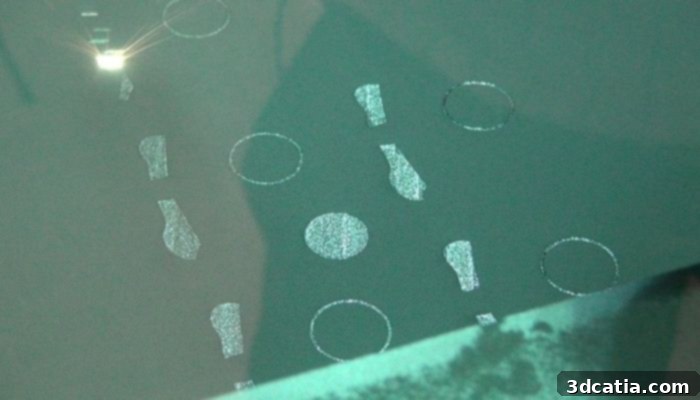
Many diverse additive manufacturing processes and materials will be employed and explored to achieve optimal performance for aerospace applications, pushing the boundaries of what is possible.
The STRATA project represents a beacon of innovation, setting a new benchmark for how future aircraft will be designed and manufactured. The substantial funding secured from the UK government is expected to significantly accelerate the subsequent stages of development, bringing these advanced solutions closer to real-world application much faster than traditional R&D cycles. As the project progresses, it promises to generate invaluable insights into the practical implementation of additive manufacturing and AI in highly regulated and critical environments like aerospace, providing a blueprint for wider industry adoption. The collaborative model, bringing together industrial leaders, technology specialists, and academic researchers, is itself a testament to the complex and interdisciplinary nature of modern technological advancement. This holistic approach ensures that not only are the technical challenges addressed with cutting-edge solutions, but also the broader implications for supply chains, regulatory frameworks, and workforce development are thoroughly considered and integrated into the project’s strategic outlook.
The potential impact of projects like STRATA extends far beyond the direct development of specific aircraft components. It serves as a powerful catalyst for broader adoption of advanced manufacturing techniques across the industry, inspiring other aerospace firms to invest in similar R&D initiatives and fostering a competitive environment for innovation. The knowledge, methodologies, and expertise gained from STRATA will contribute to a growing body of best practices for designing, validating, and manufacturing mission-critical parts using additive processes. This will help standardize procedures and build confidence in the reliability of 3D printed components for aviation. Furthermore, the project’s strong emphasis on sustainability and zero-emission goals positions it as a frontrunner in developing environmentally responsible aviation solutions, a crucial imperative for the industry’s long-term future. This pioneering work could well establish new standards for efficiency, performance, and environmental responsibility that will shape the next generation of aircraft and air travel, ultimately benefiting both the planet and passengers worldwide.
The progress of the Honeywell-led STRATA project is undoubtedly promising, and the secured funding provides the necessary impetus to drive forward its ambitious goals. For those keen to delve deeper into the initial details and official statements, the comprehensive press release can be accessed here. We invite you, our readers, to share your thoughts on this exciting news from Honeywell and the broader implications for the future of aerospace manufacturing and sustainable aviation. Please feel free to let us know your opinions in a comment below or engage with us on our LinkedIn or Facebook pages! Furthermore, to stay abreast of all the latest developments and breakthroughs in 3D printing, remember to sign up for our free weekly Newsletter, delivered directly to your inbox. You can also explore our extensive video content and interviews with industry leaders on our YouTube channel. For more specialized news and insights specifically within the aerospace and defense sectors concerning 3D printing, we encourage you to visit our dedicated resource page HERE. Stay tuned for further announcements as the STRATA project progresses and continues to shape the future of flight.
*All Photo Credits: Phoenix Business Journal