

GE Additive Education Program: Fostering Future Innovators Through 3D Printing in Primary and Secondary Schools
GE Additive, a leading division of the American multinational conglomerate General Electric (GE), proudly announced the official opening of its highly anticipated GE Additive Education Program for the 2019/2020 academic year cycle. This groundbreaking initiative is specifically designed to engage and inspire the next generation of talent, focusing exclusively on primary and secondary schools worldwide. The program’s core mission is to cultivate an early interest in additive manufacturing and 3D printing technologies among young students, providing them with invaluable hands-on experience and foundational knowledge. Applications for this transformative program are now officially open, with an important deadline of Monday, April 1, 2019, encouraging educational institutions globally to seize this unique opportunity.
This commitment to educational advancement isn’t a new endeavor for GE Additive; the initiative traces its roots back to a significant launch in 2016. Since then, the company has consistently demonstrated its dedication by taking tangible steps and making substantial investments in various educational programs over the past five years. Its profound impact is evident in the thousands of polymer 3D printers already delivered to primary and secondary schools, alongside sophisticated metal 3D printers deployed in colleges and universities across the globe. To date, GE Additive proudly reports the donation of an impressive 1,400 polymer 3D printers to over 1,000 schools spanning 30 countries, significantly broadening access to this cutting-edge technology and empowering countless students to explore the exciting world of digital manufacturing.
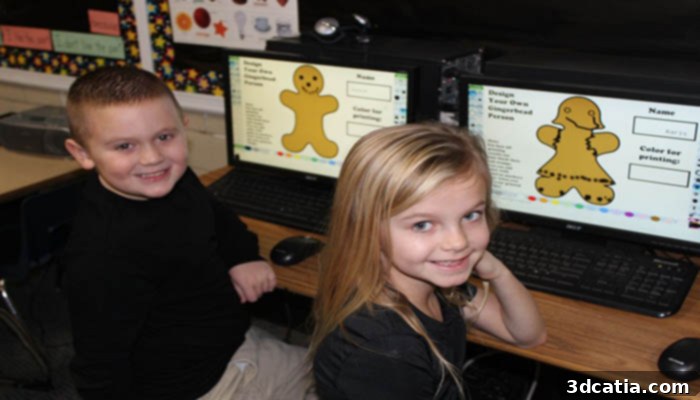
Jason Oliver, President & CEO of GE Additive, articulated the refined focus for the current year, stating, “This year’s education program will concentrate solely on primary and secondary schools. The original purpose of our program is to accelerate awareness and education of 3D printing among students – building a pipeline of talent that understands 3D design and printing when they enter the workplace. We already enjoy some wonderful working relationships with universities and colleges, so this year we have decided to focus our efforts on younger students.” This strategic shift underscores GE Additive’s belief in the critical importance of early exposure to STEM fields and advanced manufacturing concepts. By targeting K-12 education, the program aims to demystify complex technologies, making them accessible and engaging for younger learners. This proactive approach ensures that students develop fundamental skills in 3D design and printing from an early age, equipping them with a crucial competitive advantage as they progress into higher education and eventually the professional workforce. The goal is not just to teach a skill, but to ignite a passion for innovation and problem-solving that will drive future advancements in additive manufacturing.
For K-12 students and their educators, a cornerstone of the GE Additive Education Program is its commitment to building a robust and interconnected ecosystem for 3D printing education. This is achieved primarily through the innovative online platform, Polar Cloud. Polar Cloud serves as a dynamic hub, seamlessly networking students, machines, and rich educational content in a collaborative and secure environment. Participating schools, including both educators and students, gain access to Polar Cloud, unlocking a wealth of resources. This includes intuitive design tools, advanced software applications, and a vast library of instructional materials and project ideas. The platform fosters a unique learning experience where students can collaborate on designs, remotely manage 3D printing jobs, and share their creations with a global community of peers. Polar Cloud transcends the traditional classroom setting, transforming 3D printing into an interactive, project-based learning adventure that cultivates critical thinking, digital literacy, and practical engineering skills. It’s an essential component that ensures the technology is not just present, but actively utilized to its full potential for educational benefit.
The integration of 3D printing into the curriculum offers multifaceted benefits far beyond mere technical skill acquisition. It inherently promotes problem-solving abilities, encouraging students to think creatively and iterate on designs to overcome challenges. Furthermore, it cultivates a hands-on approach to learning, allowing abstract concepts in mathematics, science, and engineering to become tangible and understandable. Educators, in turn, receive comprehensive support and training to effectively implement additive manufacturing in their classrooms, transforming their teaching methodologies and inspiring a new generation of inventors. The program is carefully structured to align with existing educational standards, making it easy for schools to adopt and integrate into their STEM (Science, Technology, Engineering, and Mathematics) initiatives. This strategic partnership between industry and education is vital for bridging the skills gap in advanced manufacturing, ensuring that today’s students are prepared for the jobs of tomorrow in fields revolutionized by additive technologies.
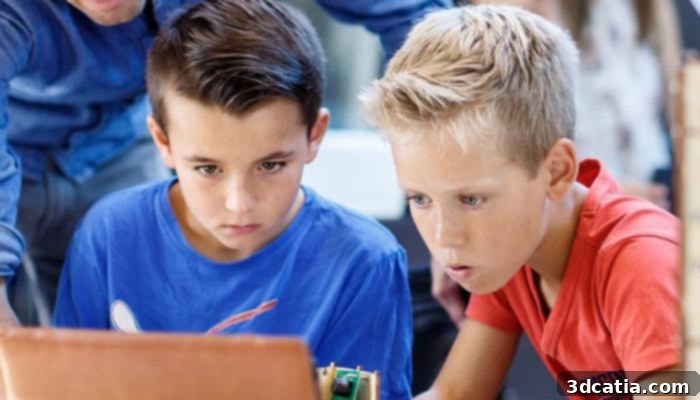
Expanding on GE Additive’s compelling brand campaign, ‘Anything Factory,’ Jason Oliver passionately elaborates on the broader vision underpinning the education program. “The purpose of our education program is to create moments like that, to inspire students like her, in classrooms all around the world. The sooner we put additive technology in the hands of the next generation of engineers, materials scientists and chemists, the sooner we can realise its potential.” This powerful statement encapsulates the transformative power of early exposure to advanced technologies. The ‘Anything Factory’ philosophy is about empowering individuals to imagine and create without conventional manufacturing constraints. By introducing 3D printing to young minds, GE Additive is not merely teaching a skill; it is fostering a mindset of innovation, creativity, and boundless possibility. The program aims to spark curiosity and ambition in future engineers, materials scientists, and chemists, encouraging them to envision solutions to real-world problems and to push the boundaries of what is achievable. This early inspiration is crucial for developing a workforce that can fully leverage the immense capabilities of additive manufacturing, ultimately accelerating its impact across diverse industries from aerospace to healthcare.
The long-term impact of such an initiative cannot be overstated. By democratizing access to 3D printing technology in primary and secondary schools, GE Additive is cultivating a foundational understanding of digital design and fabrication that will profoundly influence future innovation. Students learn not just to operate a machine, but to think critically about design constraints, material properties, and the iterative process of engineering. These are invaluable transferable skills that transcend specific industries, preparing them for a rapidly evolving global economy. Furthermore, the program helps to dismantle traditional barriers to entry in engineering and manufacturing, making these fields more appealing and accessible to a diverse range of students. It’s an investment in human capital, ensuring that the next generation is equipped with the tools, knowledge, and inspiration to drive the next wave of technological breakthroughs and maintain global leadership in advanced manufacturing.
For those interested in delving deeper into the specifics of this impactful program and understanding its implications for global education, comprehensive details can be found in the official press release. This resource provides further insights into the application process, program criteria, and the vision that drives GE Additive’s commitment to fostering educational excellence through advanced manufacturing technologies. Stay connected with the latest developments in additive manufacturing and 3D printing education by following our discussions on social media. We invite you to share your thoughts, experiences, and questions in the comments section below, or engage with us directly on our Facebook and Twitter pages. Additionally, ensure you don’t miss out on any crucial industry updates by signing up for our free weekly Newsletter, which delivers all the essential news and insights directly to your inbox, keeping you at the forefront of the additive manufacturing revolution.
The GE Additive Education Program is more than just a donation of printers; it’s a strategic effort to build a sustainable educational framework that empowers students with the skills and mindset necessary for future success in a technology-driven world. By nurturing talent at an early stage, GE Additive is not only shaping individual futures but also contributing significantly to the broader landscape of industrial innovation and economic growth. This visionary program exemplifies how corporate responsibility can translate into meaningful educational impact, creating a lasting legacy of skilled innovators ready to tackle the challenges and opportunities of tomorrow.