
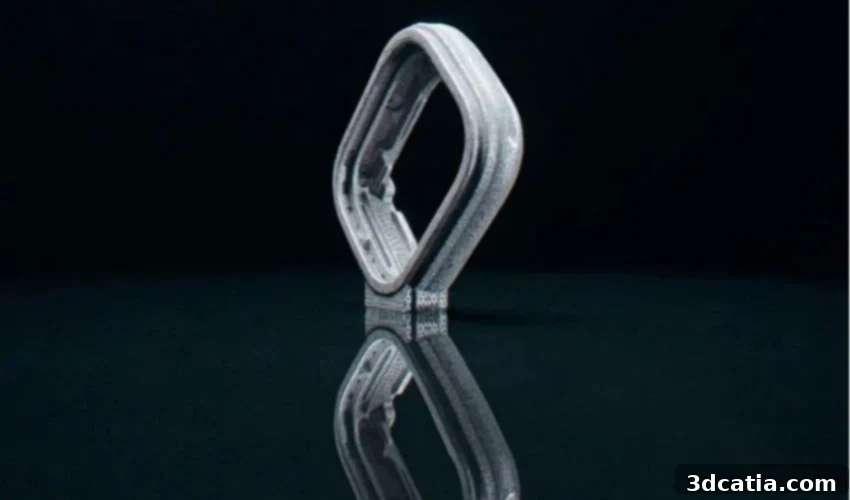
Apple Explores Aluminum 3D Printing: Revolutionizing Manufacturing for iPhones, MacBooks, and More
Rumors are swirling that Apple is significantly ramping up its use of additive manufacturing, with a particular focus on metal and aluminum 3D printing, across a wider range of its products. Following the successful integration of 3D-printed titanium in the Apple Watch and the iPhone Air’s USB-C port, the tech giant is reportedly considering extending these advanced manufacturing techniques to other metals and applying them to upcoming smartphone models, potentially revolutionizing how iPhones and other devices are produced.
This speculation has gained momentum following the recent launch of the MacBook Neo, a surprisingly affordable laptop priced at just €699 (or €599 for students). This price point is a significant departure from Apple’s typical pricing strategy, which usually sees MacBooks starting at €1,000 or higher.

The MacBook Neo (Photo credits: Apple)
The affordability of the MacBook Neo raises questions about the manufacturing and component choices Apple made to achieve this lower price. While the design maintains a similar aesthetic with a refined and lightweight construction, the performance expectations naturally differ from higher-end Macs. The MacBook Neo is equipped with an Apple A18 Pro chip, originally designed for iPhones. This suggests that demanding tasks such as heavy video editing, complex software processing, or graphically intensive applications may experience limitations. However, Apple’s strategic approach with the MacBook Neo sparks interesting considerations about their overall manufacturing and materials strategy.
So, where does 3D printing fit into this picture? Reportedly, Apple has been exploring new manufacturing processes, including one that uses 50% less aluminum in production. While the MacBook Neo itself may not directly utilize 3D printing, its development has reportedly prompted Apple to seriously evaluate existing manufacturing processes and explore alternative technologies, including additive manufacturing.
According to various sources, Apple is actively investigating the potential of 3D printing aluminum for components in its smartwatches and potentially specific models of iPhones. However, the exact parts that would be produced using this method and the scale of implementation remain unclear. The details surrounding Apple’s potential adoption of aluminum 3D printing are still largely speculative at this stage.
The shift from titanium to aluminum in additive manufacturing could offer several advantages, particularly in terms of cost-effectiveness and weight reduction. However, the precise reasons driving Apple’s exploration of these manufacturing techniques are not fully known. Regardless, it is evident that Apple is closely monitoring the market for innovative manufacturing solutions and exploring ways to enhance its production processes. We will continue to monitor this story and provide updates as more information becomes available.
Apple’s potential embrace of aluminum 3D printing could have significant implications for the entire manufacturing industry. Additive manufacturing offers the potential to create lighter, stronger, and more complex parts with greater design freedom than traditional manufacturing methods. By leveraging 3D printing, Apple could potentially streamline its supply chain, reduce waste, and create more customized and innovative products. Furthermore, the use of aluminum could lead to more sustainable manufacturing processes by reducing the amount of material required and minimizing energy consumption during production.
One of the key benefits of 3D printing is its ability to create complex geometries and intricate designs that are difficult or impossible to achieve using traditional methods. This allows engineers and designers to push the boundaries of innovation and create products with enhanced functionality and performance. For example, Apple could use 3D printing to create internal structures within iPhone or Apple Watch casings that optimize weight distribution and improve structural integrity.
Another advantage of 3D printing is its ability to create customized products tailored to individual needs and preferences. With 3D printing, Apple could potentially offer personalized iPhones or Apple Watches with unique designs, sizes, or features. This level of customization could significantly enhance the customer experience and create a deeper connection between customers and the Apple brand.
However, there are also challenges associated with adopting 3D printing on a large scale. One of the main challenges is the cost of 3D printing equipment and materials. While the cost of 3D printing has decreased in recent years, it is still relatively expensive compared to traditional manufacturing methods. Additionally, the speed and scalability of 3D printing processes may not be sufficient to meet the high production volumes required by Apple.
Despite these challenges, Apple’s exploration of aluminum 3D printing represents a significant step forward for the additive manufacturing industry. If Apple successfully integrates 3D printing into its production processes, it could pave the way for other companies to adopt this technology and revolutionize the way products are designed and manufactured. The move towards 3D printing aligns with Apple’s history of innovation and its commitment to pushing the boundaries of technology.
The potential impact of aluminum 3D printing extends beyond just Apple’s product lineup. The adoption of this technology could create new opportunities for material suppliers, equipment manufacturers, and service providers in the additive manufacturing ecosystem. As the demand for 3D-printed aluminum parts increases, companies that specialize in this technology could experience significant growth and expansion.
Moreover, the rise of 3D printing could lead to the creation of new jobs and skills in the manufacturing sector. As companies adopt additive manufacturing, they will need skilled engineers, designers, and technicians to operate and maintain 3D printing equipment, design 3D models, and manage the overall production process. This could help to revitalize the manufacturing industry and create new opportunities for workers in the 21st century.
In conclusion, the rumors surrounding Apple’s increased use of aluminum 3D printing suggest a significant shift in the company’s manufacturing strategy. While the details are still emerging, the potential benefits of this technology, including cost reduction, weight optimization, design freedom, and customization, could revolutionize the way Apple designs and manufactures its products. As Apple continues to explore the possibilities of additive manufacturing, we can expect to see even more innovative and groundbreaking products emerge in the years to come. The shift towards aluminum 3D printing could also have a transformative impact on the broader manufacturing industry, creating new opportunities for innovation, growth, and job creation. We will continue to follow these developments closely and provide updates as they unfold.
What are your thoughts on Apple’s potential use of additive manufacturing? Share your opinions in the comments below or connect with us on LinkedIn or Facebook! And don’t forget to subscribe to our free weekly Newsletter to stay informed about the latest 3D printing news.
*Cover Photo: 3D printed Apple Watch case (Credits Apple)