Raise3D RMS220: Pioneering Compact Professional SLS 3D Printing with Advanced Features
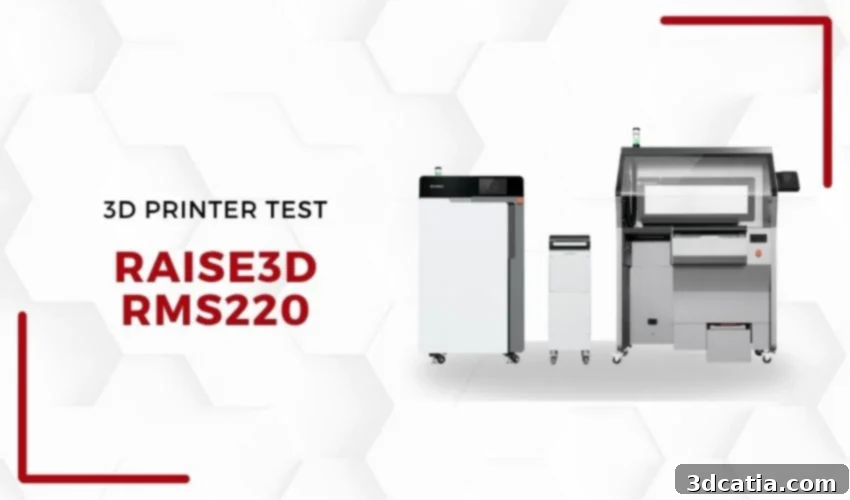
Raise3D, a prominent name in the additive manufacturing industry, proudly commemorates its tenth anniversary this year. Over the past decade, the company has solidified its reputation through a portfolio of professional-grade FDM (Fused Deposition Modeling) printers, with the Pro3 and E2 series standing out as industry benchmarks. More recently, Raise3D expanded its technological reach with the introduction of its innovative DF2 and DF2+ resin systems, marking a significant foray into photopolymerization. Now, the company takes an even bolder stride by unveiling its first Selective Laser Sintering (SLS) printer: the Raise3D RMS220. This landmark launch is more than just a new product; it symbolizes a strategic inflection point for Raise3D, signaling its ambition to evolve into a comprehensive multi-technology provider within the professional 3D printing segment. With the RMS220, Raise3D is now capable of offering filament deposition, photopolymerization, and selective laser sintering, thereby addressing an even wider array of industrial applications and material requirements.
The RMS220 made its highly anticipated debut at TCT Asia 2025, where it immediately garnered attention for its strategic positioning within the compact SLS machine market. This segment, traditionally characterized by established players like Formlabs with its Fuse series and Sinterit, is now poised for disruption. Raise3D enters this arena with a distinct proposition: to deliver a faster, more open, and significantly more affordable SLS system, all without compromising the critical aspect of print quality. This approach aims to democratize access to high-performance SLS technology, making it attainable for a broader spectrum of professional users and businesses. The RMS220 will be available for pre-order towards the end of 2025, with its official commercial launch slated for the first quarter of 2026, promising to reshape expectations for compact SLS solutions.
Our team recently had the unique privilege of testing a pre-production unit of the RMS220 directly at Raise3D’s facilities in Portugal. It is crucial to note that this version was not yet the final commercial product; certain components were still 3D printed for rapid iteration, and some advanced features had not yet been fully activated or optimized. Despite these developmental characteristics, this hands-on test provided invaluable insight into Raise3D’s ambitious vision and the intended market positioning of this groundbreaking new SLS platform. It allowed us to assess the core functionalities, potential performance, and overall user experience that the final commercial model is set to deliver.
Rigorous Test Conditions and Prototype Insights
During our comprehensive visit to Raise3D’s advanced facilities, the RMS220 pre-production unit was already expertly installed and meticulously calibrated by the dedicated Raise3D engineering team. This thoughtful preparation allowed our review process to bypass the initial assembly and network setup stages, enabling us to immediately dive into a focused evaluation of the machine’s critical elements: its sophisticated software interface, robust mechanical operation, and, most importantly, its raw printing performance. This streamlined approach ensured that our time was efficiently spent on assessing what truly matters to end-users.
The unit we tested represented an advanced prototype, a pre-production machine that was remarkably close to the final commercial model but still retained specific characteristics inherent to its development phase. Notably, several internal components, such as hinges, support arms, intricate grids, and various fasteners, were still fabricated via 3D printing. This pragmatic choice is common in rapid product development, serving as an efficient solution for accelerating design iterations and fine-tuning before committing to mass production tooling. While these components function effectively, their prototype nature provided a glimpse into the ongoing refinement process. Understanding this context is essential for a balanced appreciation of the machine’s capabilities and its evolution towards a fully commercialized product.
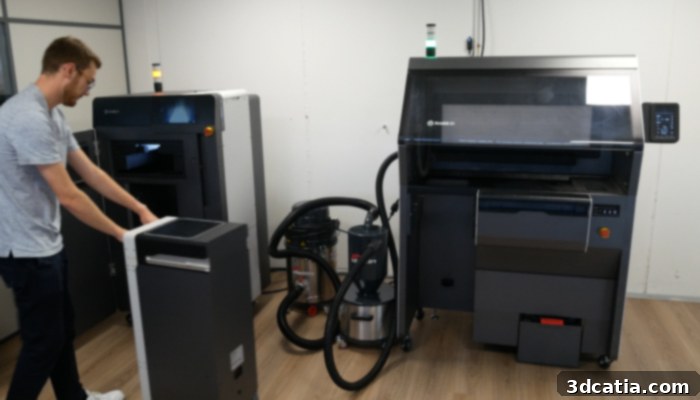
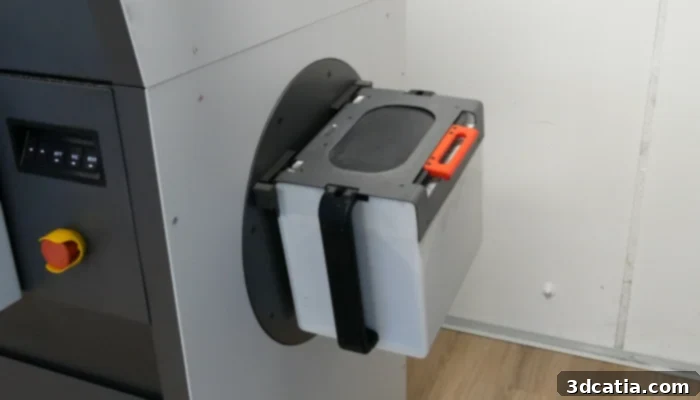
The removable build unit streamlines workflow, allowing easy transfer from printer to cleaning station for enhanced productivity.
One significant feature not yet fully operational during our evaluation was the active cooling system designed for the build unit, along with its external power supply and dedicated controls. In the commercial version, these controls will empower operators to precisely manage the temperature and adjust the build plate height independently, without relying on the cleaning station. This represents a substantial gain in operational flexibility and efficiency, allowing for quicker turnaround times between prints and greater autonomy in managing the printing process. For our test, cooling of the build unit was limited to its presence within the printer or the cleaning station, highlighting a key area of refinement for the final product.
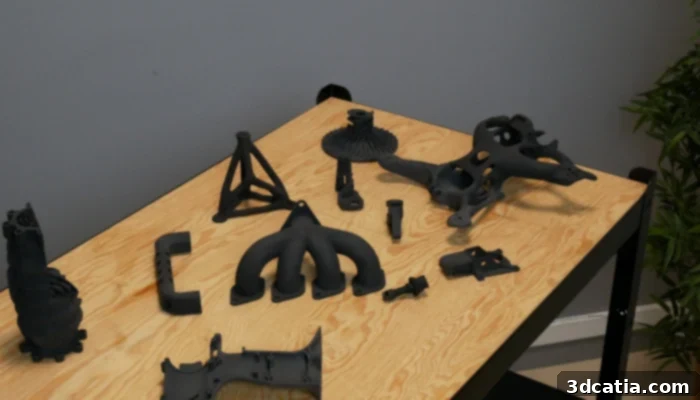
Regarding material capabilities, our testing was primarily confined to PA11, which was the sole material readily available on-site for direct printing. However, Raise3D did provide us with an impressive array of sample parts meticulously printed in PA12 and TPU. These samples vividly showcased the RMS220’s inherent versatility and its potential to work with a broader spectrum of advanced engineering polymers. While we couldn’t produce these specific samples ourselves during the test, their quality demonstrated the machine’s capacity for diverse material processing in its final form.
Finally, it’s worth noting that several other features were still in the integration and optimization phase. This included the highly anticipated quick-release system designed to enable printer cleaning in under 45 minutes, a significant improvement for workflow efficiency. This pre-production context is paramount when interpreting our review, as the final commercial version of the RMS220 is confidently expected to incorporate substantial hardware and software enhancements, delivering an even more polished and high-performing SLS solution.
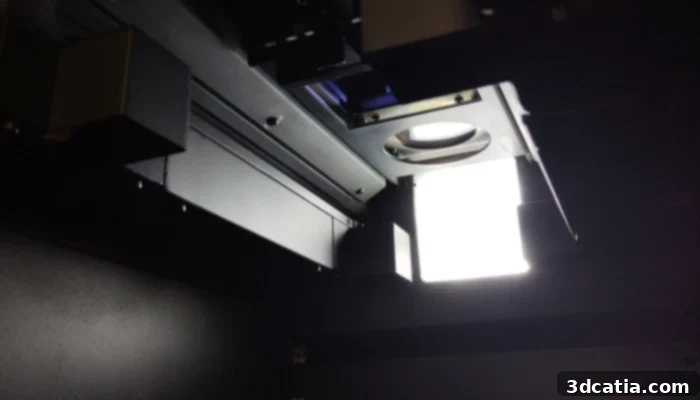
Technical Characteristics and Innovative Design
The Raise3D RMS220 is meticulously engineered for efficiency and integration within professional environments. Boasting a remarkably compact footprint of just 0.58 m², it is designed to seamlessly fit into various workspaces without demanding extensive floor area. Despite its compact exterior, the RMS220 offers a generous build volume of 220 × 220 × 350 mm, translating to approximately 17 liters of usable printing space. This capacity is more than double that of competitors like the Formlabs Fuse 1+, and it rivals the build volumes found in some larger, more industrial-grade SLS machines, making it a powerful contender in its class.
At the heart of the RMS220’s exceptional performance lies Raise3D’s strategic choice of a 75 W fiber laser, operating at a 1064 nm wavelength. This high-power laser is expertly coupled with a rapid galvanometer and precision F-theta optics. This sophisticated combination allows the RMS220 to achieve an impressive scan speed of 30,000 mm/s, a rate significantly higher than the market average, which typically ranges between 12,000 and 20,000 mm/s. This superior scanning speed directly translates into faster print times and higher throughput, boosting overall productivity.
The adoption of a fiber laser represents a profound technical decision by Raise3D, offering several tangible and compelling advantages over traditional CO₂ laser systems. Firstly, fiber lasers demand substantially less maintenance. Unlike CO₂ laser tubes, which can degrade and potentially leak over time, fiber lasers are solid-state devices with a significantly longer operational lifespan and no need for regular tube replacements. This translates into reduced downtime and lower operational costs. Secondly, the beam quality generated by a fiber laser is superior, characterized by enhanced stability and homogeneity. This ensures a consistent energy distribution across the entire powder bed, guaranteeing uniform part quality and dimensional accuracy from the center to the edges of the build area. Finally, fiber laser technology excels in energy efficiency. Whereas CO₂ lasers often necessitate an external liquid cooling system or very powerful, noisy air ventilation, often requiring a dedicated, specialized electrical installation, the RMS220 is remarkably modest in its power consumption. Averaging 1100W, it operates perfectly with a standard 230V/16A socket, eliminating the need for costly and complex electrical infrastructure modifications. This is a crucial benefit for businesses and organizations seeking to integrate a high-performance SLS printer without incurring significant facility upgrade expenses.
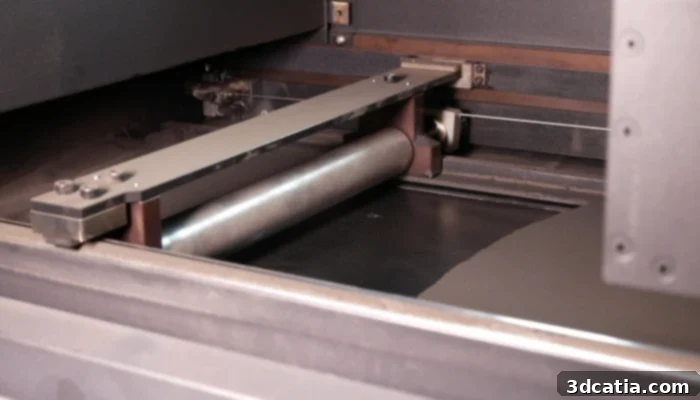
Efficient powder management is central to the RMS220’s design. The system utilizes an integrated hopper and a precision recoater mechanism to ensure uniform layer distribution, a fundamental requirement for producing consistent and high-quality SLS prints. A key innovation for workflow optimization is the completely removable Build Unit. This design feature enables operators to initiate a new print job almost immediately after the completion of a previous one, while the used build unit can be transferred outside the printer to cool down. In its final commercial iteration, the Build Unit will incorporate active cooling, capable of bringing the vat temperature down to 15-20 minutes after printing, a dramatic reduction compared to the several hours currently required for passive cooling. The prototype we evaluated only allowed cooling when the build unit was within the printer or the cleaning station, but the final version will integrate an independent power system and a dedicated control panel, allowing for separate, accelerated cooling, thereby significantly enhancing overall throughput and flexibility in busy production environments.
The RMS220 further distinguishes itself through its integrated nitrogen generator, a notable first in this price segment. When combined with an external compressor, this innovative feature allows for printing in a controlled, inert atmosphere. This capability dramatically limits powder oxidation, which not only extends the lifespan of the printing material but also significantly reduces the need for fresh powder. Depending on the specific material, users can achieve refresh rates as low as 10% (compared to typical 50% refresh rates when printing in open air). While users retain the option to print in open air for simpler applications, the nitrogen generator provides a crucial advantage for demanding engineering applications, cost savings, and material property preservation.
The entire system is intuitively controlled via a large, responsive touchscreen interface, ensuring ease of operation. Complementing this, an internal camera provides remote monitoring capabilities, allowing users to keep an eye on their print progress from anywhere. Full Wi-Fi and LAN connectivity ensure seamless integration into existing network infrastructures. On the test unit, some internal fasteners were still traditional screws, but the final version will feature a quick-disassembly design, coupled with a specialized powder-resistant coating within the printing chamber, making cleaning and maintenance significantly easier and more efficient.
Sophisticated Software and Intuitive User Experience
On the software front, the RMS220 leverages ideaMaker, Raise3D’s proprietary and highly regarded slicing software. For this ambitious SLS project, ideaMaker has undergone extensive adaptation and enhancement, specifically tailored to harness the complexities and unique requirements of Selective Laser Sintering technology. Our evaluation included testing a beta version that integrated several SLS-specific tools, showcasing the depth of this development.
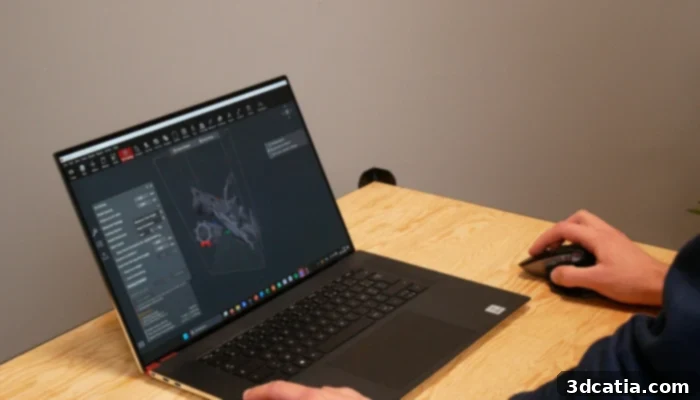
RAISE3D utilizes IdeaMaker, its versatile slicer, across its entire printer lineup, from FFF and DLP to the new SLS machines.
Among these innovations is the advanced 3D Packing function, which serves as the equivalent of automatic nesting for SLS printing. This intelligent algorithm optimizes the placement of parts within the build volume, maximizing space utilization and material efficiency. While the algorithm performs commendably, offering excellent infill rates, there is still scope for improvement in terms of automatic rotation and collision detection, features that are continuously being refined. Another groundbreaking addition is predictive thermal analysis. This powerful tool actively highlights areas of the powder bed that are prone to experiencing undesirable temperature variations, effectively helping to prevent common issues like warping or inconsistent part properties before a print job even commences. This proactive approach significantly reduces print failures and material waste. Furthermore, ideaMaker now generates highly detailed post-slicing reports. These comprehensive reports include crucial data such as infill density, estimated part weight, and a complete breakdown of production costs. This suite of indicators is invaluable for professionals, empowering them with the data necessary to accurately plan production runs, manage material inventories, and meticulously control overall manufacturing costs.
The machine’s integrated interface is designed for fluidity and intuitiveness, contributing to a seamless user experience. The automatic calibration of the four infrared heating zones is a critical feature, ensuring a uniform and precisely controlled temperature distribution across the entire powder bed surface, which is essential for consistent sintering and part quality.
However, during our test, we identified a minor ergonomic consideration: the touchscreen exhibited reduced responsiveness when operated with gloves. While a small detail, this can be problematic in professional environments where handling powder necessitates consistent hand protection. On our specific test unit, it was occasionally necessary to remove gloves to effectively interact with the interface. This is an area where future software optimizations or hardware adjustments could further enhance the user experience for gloved operation.
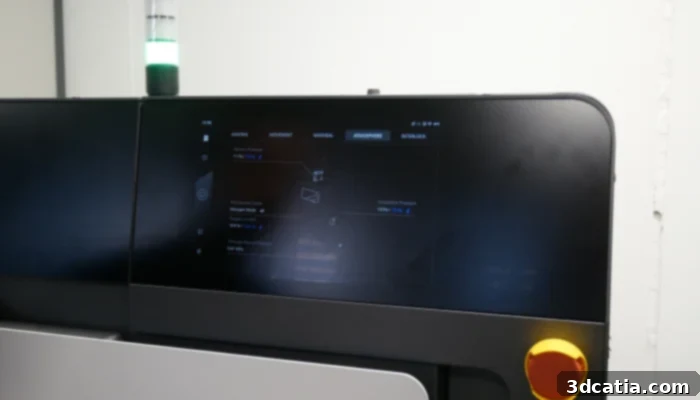
The RMS220 features a vibrant color touchscreen with an intuitive interface, providing comprehensive control over the machine.
Looking ahead, Raise3D has ambitious plans to integrate its cloud-based platform, RaiseCloud, with the RMS220 by mid-2026. This integration will revolutionize fleet management by enabling remote monitoring of multiple printers, facilitating batch scheduling, and allowing for the comprehensive management of print history—all accessible from a centralized, user-friendly dashboard. This advancement is particularly welcome for high-volume production environments and distributed manufacturing setups, offering unparalleled control and oversight.
Exceptional Performance and Optimized Workflow
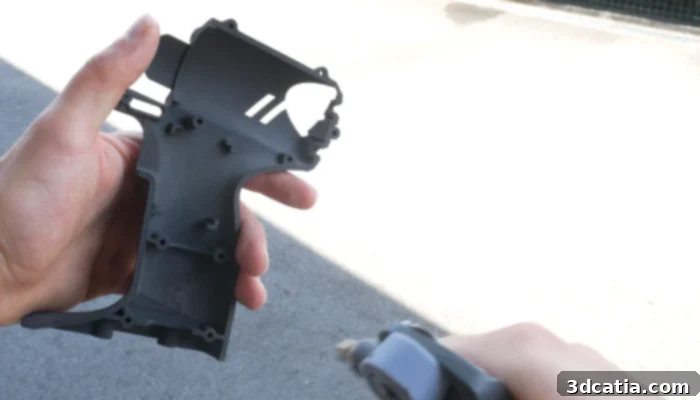
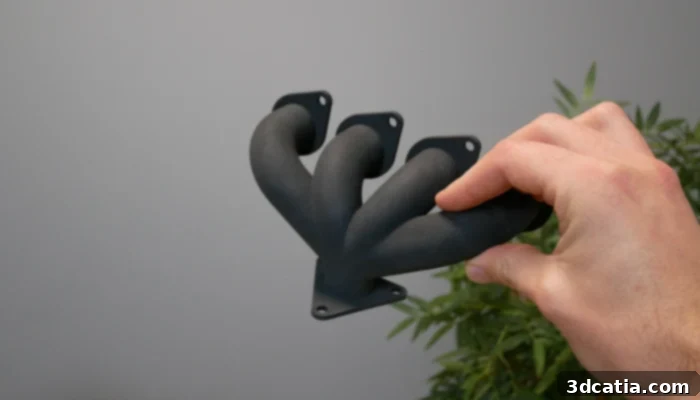
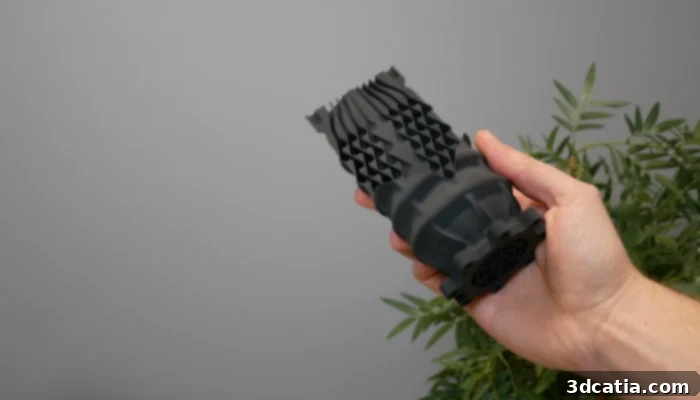
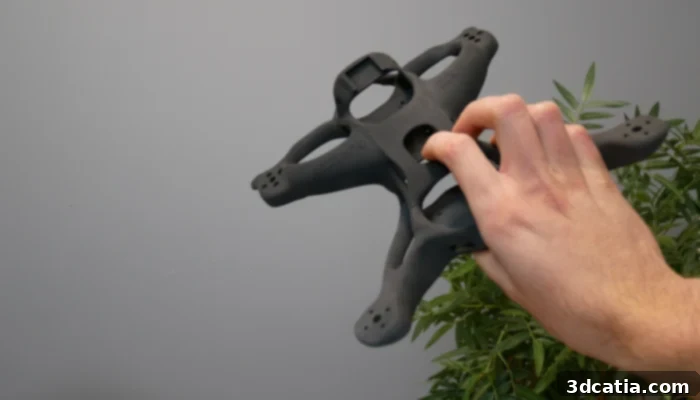
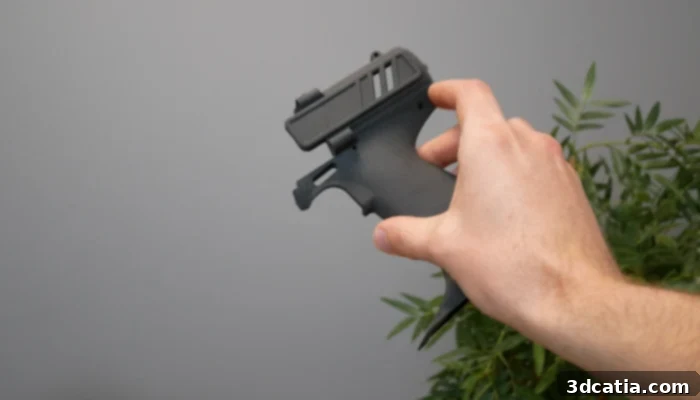
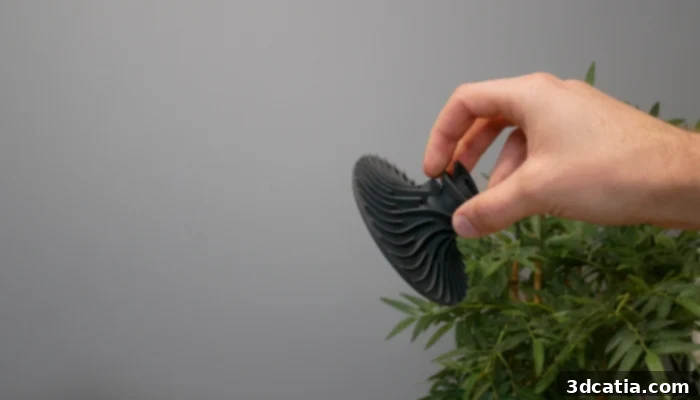
Our print tests with PA11 powder yielded results that underscore the RMS220’s professional capabilities, demonstrating a dimensional accuracy of approximately ±0.2 mm. This level of precision is perfectly consistent with, and indeed meets, the stringent standards expected in professional SLS additive manufacturing applications. The resulting parts exhibited an excellent surface finish, remarkably homogeneous surfaces, and consistently controlled internal density, affirming the machine’s ability to produce high-quality, functional components.
Raise3D confidently announces a impressive productivity rate of up to 2.2 L/h when utilizing PA12 powder at a 20% packing density. This translates into the capacity to produce up to 5 kg of finished parts per day, figures that were found to be realistic and achievable based on our extensive testing. A cornerstone of this high productivity is the removable Build Unit, which dramatically saves valuable production time. By allowing a new print cycle to commence almost immediately while the previously used build unit cools down or undergoes post-processing, it ensures continuous operation and minimizes idle time in demanding production environments.
In terms of material strategy, Raise3D adopts a thoughtfully balanced, two-tiered approach that marries openness with security and reproducibility. For advanced users, researchers, or those with specific material development needs, a full open license is available, priced at approximately €5,999. This license unlocks all printing parameters, granting complete control and allowing users to experiment with virtually any compatible powder, including those sourced from third-party manufacturers. This flexibility is crucial for innovation and specialized applications. Conversely, for users who prefer a more structured, validated, and repeatable approach, Raise3D offers a material card system. These cards are sold for around €120 per 10 kg and temporarily activate features akin to the full license for specific material profiles. This innovative system enables users to easily experiment with new powders, produce small batches with third-party materials, or ensure consistent results without needing the full open license. This hybrid strategy skillfully maintains the machine’s inherent flexibility while guaranteeing print reproducibility and reliability, catering to a diverse range of user expertise and application requirements.
Raise3D is actively cultivating partnerships with leading material developers to continuously expand the RMS220’s material ecosystem. Collaborations, such as with Fabulous for an FDA-certified PA, are already underway. The company anticipates rapidly enriching its material offerings to include a wider range of high-performance polymers, such as PA6, PA-CF (carbon fiber reinforced PA), PP (polypropylene), and TPU (thermoplastic polyurethane). These new materials will be seamlessly integrated into the third-party materials program, where they will be provided with pre-configured material cards, making them immediately ready for use with the RMS220. This thoughtful approach ensures that users can access a growing library of specialized materials without necessarily requiring the purchase of a full open license, further enhancing the machine’s versatility and value proposition.
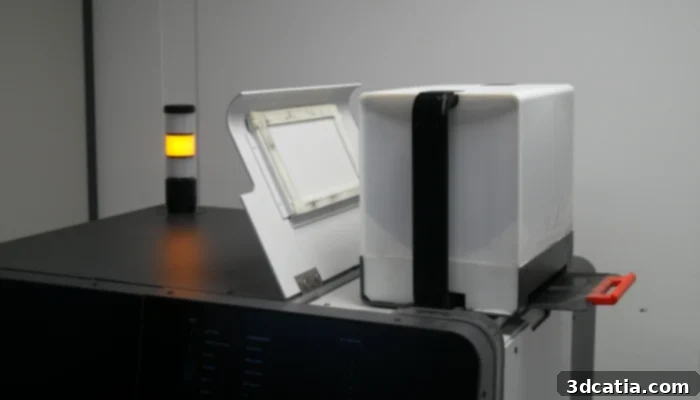
The material box securely attaches to the 3D printer for precise powder dispensing.
Comprehensive Post-Processing and Integrated Ecosystem
To complement the advanced capabilities of the RMS220, Raise3D offers a dedicated and meticulously designed cleaning station: the C220-P. This compact yet highly efficient unit is an indispensable component of the SLS workflow, purpose-built to streamline the critical post-processing steps of cleaning, sifting, and recycling unused powder directly after a print job is completed. Its integrated design ensures that powder management is not only efficient but also environmentally conscious, minimizing waste and maximizing material reuse.
The C220-P offers exceptional versatility in its operation. It can be utilized in a closed configuration, featuring integrated gloves that provide a contained environment for powder handling, thereby enhancing operator safety and preventing airborne dust. Alternatively, for tasks requiring more direct access and dexterity, the front panel can be easily removed, converting it into an open workstation. A robust integrated ventilation system is key to its design, actively capturing suspended powder particles and effectively preventing their emission into the workspace. This focus on containment is crucial for maintaining a clean working environment and protecting operator health, especially in industrial settings where powder exposure must be carefully managed.
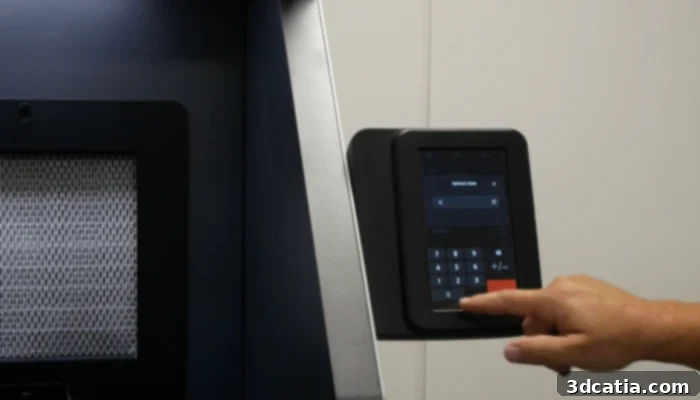
The cleaning station’s screen allows for monitoring powder temperature within the build unit, and configuring mixing cycles for efficient powder recycling.
While an air gun was not yet present in the pre-production test version, it will be a standard inclusion in the final commercial unit. This addition will further accelerate the crucial task of powder removal from finished parts, significantly enhancing post-processing efficiency. Raise3D strongly advises the use of one dedicated cleaning station per material type. This recommendation is paramount in SLS additive manufacturing, as it is a crucial measure to prevent cross-contamination between different powders. Maintaining material purity ensures consistent part quality and predictable mechanical properties, which are critical for professional and industrial applications.
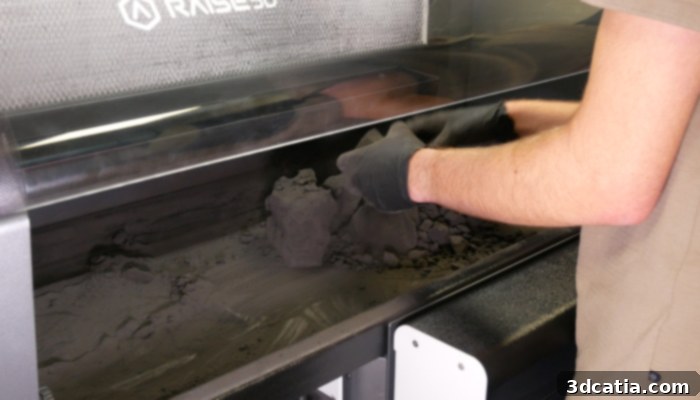
The integrated air filtration system of the cleaning station allows for safe operation even in “open” mode, without the front panel.
Further solidifying its commitment to a complete SLS ecosystem, Raise3D has plans for an automated blast cabinet, slated for release in early 2026. This automated solution will seamlessly integrate into the post-processing workflow, providing efficient and consistent surface finishing for printed parts. By offering this comprehensive suite of solutions—from advanced slicing software and a high-performance SLS printer to efficient powder recovery and automated post-processing—Raise3D aims to provide a true end-to-end SLS solution. Their vision is to empower users with a streamlined workflow that covers every stage, from the initial digital design to the final, ready-to-use part, truly establishing itself as a leader in integrated professional additive manufacturing.