
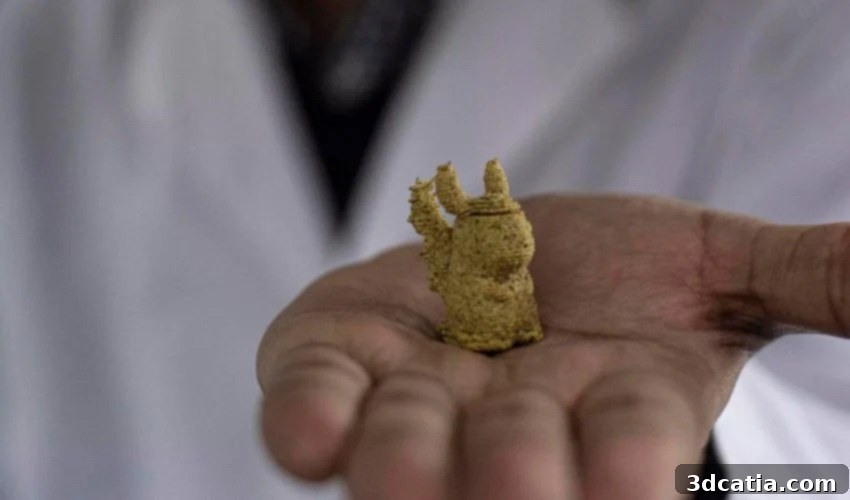
Revolutionizing Child Nutrition: Chile’s 3D Printed Cochayuyo Snacks Make Healthy Eating Fun
In a groundbreaking stride towards combating childhood malnutrition and fostering healthier eating habits, nutrition experts from Chile have ingeniously harnessed the power of 3D printing technology. Their innovative project focuses on developing visually appealing and highly nutritious food for children, transforming a traditional Chilean superfood into engaging, edible figurines. These healthy creations are primarily composed of dehydrated Cochayuyo, an abundant and nutrient-rich algae commonly consumed in Chile, combined with instant mashed potatoes and hot water. Through these pioneering 3D printed snacks, the Chilean team aspires to revolutionize the future of the food market, with a particular emphasis on enhancing children’s nutrition and making healthy food choices an enjoyable experience.
Cochayuyo: Chile’s Ancient Superfood and Nutritional Powerhouse
The choice of Cochayuyo as the foundational ingredient for these innovative snacks is no accident. Often known in English as New Zealand bull kelp or by its scientific designation, Durvillaea antarctica, Cochayuyo is much more than just an edible algae. For centuries, it has served as an indispensable food resource for the indigenous peoples of Chile, deeply embedded in their culinary traditions and understanding of natural remedies. This remarkable seaweed belongs to the botanical family Phaeophyta, commonly referred to as brown algae, and is naturally abundant along the rugged coastlines of Chile. It thrives particularly well on rocks and in areas exposed to intense waves and varying depths, showcasing its resilience and widespread availability in its native habitat. Historically, and even today, the algae are meticulously collected under sometimes challenging and hazardous conditions, then carefully dried on sun-drenched rocks, a testament to its enduring value and the dedication involved in its harvesting.
Beyond its historical significance, Cochayuyo boasts an impressive nutritional profile that solidifies its status as a true superfood. It is widely recognized for its potential healing properties and an array of health benefits. For instance, it has traditionally been utilized to alleviate common digestive complaints such as heartburn and constipation. Furthermore, scientific studies and traditional knowledge suggest that regular consumption can contribute to cholesterol reduction and support healthy weight management, making it a valuable addition to a balanced diet for individuals of all ages. What truly distinguishes Cochayuyo, however, is its rich concentration of vital nutrients essential for optimal health and development, especially in children.
Unpacking the Nutritional Benefits of Cochayuyo
- Omega-3 Fatty Acids: Cochayuyo is a remarkable plant-based source of omega-3 fatty acids. These essential fats are critical for brain development, cognitive function, and maintaining cardiovascular health. For growing children, adequate omega-3 intake supports learning abilities and neurological well-being.
- Iodine: As a marine algae, Cochayuyo is exceptionally rich in iodine, a trace element vital for thyroid hormone production. Thyroid hormones regulate metabolism, growth, and brain development. Sufficient iodine intake is paramount for children to prevent developmental delays and ensure proper physical and mental growth.
- Polyphenols: These powerful antioxidants protect the body’s cells from damage caused by free radicals, potentially reducing the risk of chronic diseases and supporting overall immune health. Their anti-inflammatory properties are also highly beneficial.
- Vitamins B and B1: Cochayuyo provides a good supply of B vitamins, particularly B1 (thiamine). These vitamins play crucial roles in energy metabolism, converting food into usable energy, and maintaining a healthy nervous system. They are essential for a child’s active lifestyle and rapid growth.
- Iron: Iron is fundamental for red blood cell formation and oxygen transport throughout the body. Iron deficiency in children can lead to fatigue, impaired cognitive function, and weakened immunity. Cochayuyo offers a valuable source of plant-based iron, helping to combat this common nutritional challenge.
- Vegetable Protein: With approximately 11 grams of protein per 100 grams, Cochayuyo stands out as an excellent source of plant-based protein. Protein is indispensable for muscle growth, tissue repair, and the production of enzymes and hormones, making it a cornerstone of a child’s diet.
The versatility of Cochayuyo seaweed extends beyond its impressive nutritional content. It is remarkably easy to prepare, requiring only about 15 to 20 minutes to cook and dehydrate before it can be incorporated into a wide array of dishes. It can be a delicious addition to hearty soups, refreshing salads, robust stews, or even as a unique ingredient in paellas and many other culinary creations, demonstrating its adaptability and potential for diverse meal applications.
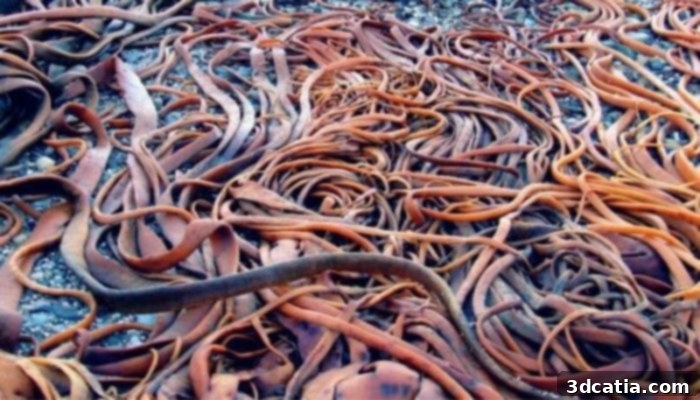
Cochayuyo algae (photo credits: Caroarevalokarl)
Making Healthy Eating Engaging: 3D Printed Food for Children in Chile
At the forefront of this culinary innovation is Roberto Lemus, a distinguished professor at the University of Chile, who, along with his dedicated team of students, has successfully leveraged 3D printing technology to develop these pioneering nutritious edible figurines. Understanding that children are often influenced by appearance and fun, the team produces these snacks in a myriad of captivating shapes, ranging from beloved cartoon characters like Pokémon to various playful animals. This strategic approach aims to capture children’s attention and enthusiasm, making healthy food choices a delightful discovery rather than a reluctant obligation.
While the visual appeal is a significant draw, Professor Lemus firmly emphasizes that the primary focus remains on the nutritional integrity of these figurines. The underlying philosophy is to create a product that is not only packed with essential nutrients but also undeniably delicious and enjoyable for children. This dual emphasis ensures that the snacks are both beneficial for health and appealing to young palates, addressing one of the biggest challenges in child nutrition: getting kids to eat what’s good for them.
“We’re looking for different shapes, fun figures, visuals, colors, taste, flavors, smells,” Lemus says. “The product has to be highly nutritious for people, but it also has to be tasty. “
The creation process for these innovative snacks is meticulously designed for both nutrition and printability. It begins with dehydrating the Cochayuyo algae, which is then carefully ground into a fine Cochayuyo flour. This nutrient-dense flour is subsequently blended with instant mashed potatoes, creating a robust and pliable base. The addition of hot water transforms this mixture into a gelatinous substance, ready for printing. Professor Lemus explains that the starch naturally present in the mashed potato mixture plays a crucial role in stabilizing the printing process, ensuring that the figurines maintain their intended shapes and structural integrity. This gelatinous substance then serves as the raw material for the food 3D printer, which efficiently produces these delightful and nutritious figurines in an astonishingly short time, typically just seven minutes per batch. This project, which has been under rigorous research and development for approximately two years, is still in its initial stages. However, its ambitious goal is clear: to furnish children with nutritious, healthy snacks that are not only beneficial for their well-being but also genuinely fun and exciting to eat, thereby cultivating positive relationships with food from an early age.
Addressing Global Child Nutrition Challenges with Innovation
The global landscape of child nutrition presents complex challenges, ranging from widespread nutrient deficiencies to the rising prevalence of childhood obesity. Many children struggle to meet their daily nutritional requirements, often preferring processed foods high in sugar and unhealthy fats over nutrient-dense options. This innovative project from Chile offers a promising solution by transforming a highly nutritious, yet perhaps unfamiliar, ingredient like Cochayuyo into something children actively desire. By presenting essential nutrients in fun, recognizable shapes, the team bypasses typical resistance to “healthy food,” making the consumption of vital vitamins, minerals, and proteins an enjoyable part of a child’s day. This approach is not merely about providing food; it’s about reshaping children’s perceptions of healthy eating and laying the groundwork for lifelong positive dietary habits.
Future Implications and Market Potential of 3D Printed Superfoods
The potential impact of this Chilean innovation extends far beyond its current scope. The ability to use 3D printing to create personalized, nutrient-rich foods opens up a vast array of possibilities for the future of the food industry. Imagine a world where customized snacks could be printed to address specific dietary needs or deficiencies in individual children, or where schools and parents could easily produce healthy treats tailored to their community’s preferences. The sustainability aspect of using algae like Cochayuyo as a primary food source is also significant, as it requires minimal land and fresh water, offering an environmentally friendly alternative to traditional agriculture. While the project is still in its infancy, its success could inspire similar initiatives globally, paving the way for a new generation of smart, healthy, and sustainable food solutions that prioritize both nutrition and consumer appeal.
However, scaling such an innovation comes with its own set of challenges. These include reducing the cost of food 3D printers, ensuring public acceptance of novel food technologies, and navigating complex regulatory hurdles for food products. Nevertheless, the enthusiasm and ingenuity demonstrated by Professor Lemus and his team suggest that these obstacles are not insurmountable. Their vision points towards a future where technology and nature converge to create healthier, happier, and more nourished children.
What are your thoughts on this exciting project to make 3D printed food in Chile? We encourage you to share your insights in a comment below or join the conversation on our LinkedIn, Facebook, and Twitter pages! Don’t forget to sign up for our free weekly Newsletter here, to receive the latest 3D printing news directly to your inbox! You can also find all our compelling videos on our YouTube channel.
*Cover Photo Credits: AFP