
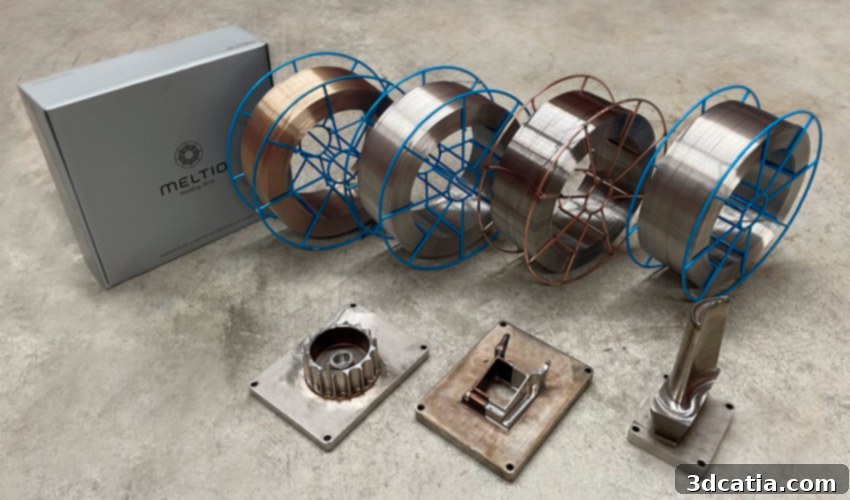
Meltio Unveils Four Advanced Metal Wire Materials to Transform Industrial 3D Printing Applications
Meltio, a leading international manufacturer of metal 3D printing solutions with a strong presence in both Spain and the US, has significantly expanded its material portfolio. The company proudly announces the launch of four innovative metal wire materials: Stainless Steel 17-4PH, Tool Steel H11, Nickel 625, and Invar. This strategic introduction is set to empower users to broaden their application possibilities across diverse industries, as these materials have been meticulously optimized for seamless integration with Meltio’s advanced metal additive manufacturing solutions. This pivotal development not only underscores the growing maturity and reliability of Meltio’s proprietary Laser Metal Deposition (LMD) technology but also plays a crucial role in accelerating the widespread adoption of metal 3D printing. By offering cost-effective products coupled with validated material parameters, Meltio effectively minimizes the guesswork typically associated with printer settings, making high-performance metal AM more accessible and efficient for engineers and manufacturers globally.
Earlier this year, Meltio marked its initial foray into proprietary materials with a foundational launch, meticulously designed for optimal performance with its core solutions. These include the acclaimed Meltio M450 3D printer, the versatile Meltio Engine CNC Integration, and the powerful Meltio Engine Robotic Integration. These systems have already garnered significant traction, being adopted by major industrial players, including prominent names like Phillips Corporation, demonstrating their proven capability and reliability in demanding environments. While Meltio steadfastly maintains an open material system – a commitment that ensures users are not restricted to proprietary materials for achieving excellent results – the company’s own branded materials undergo rigorous, extensive testing under controlled conditions. This commitment to validation provides users with the assurance of pre-verified part properties and meticulously optimized print parameters, crucial for critical applications. The inaugural material collection featured commonly utilized metals such as Stainless Steel 316L, Stainless Steel 308L, Mild Steel ER70S, Titanium 64, and Nickel 718. With this latest release, Meltio aims to cater to an even broader spectrum of industries, expanding capabilities for both general industrial use and highly specialized, niche applications requiring unique material characteristics.
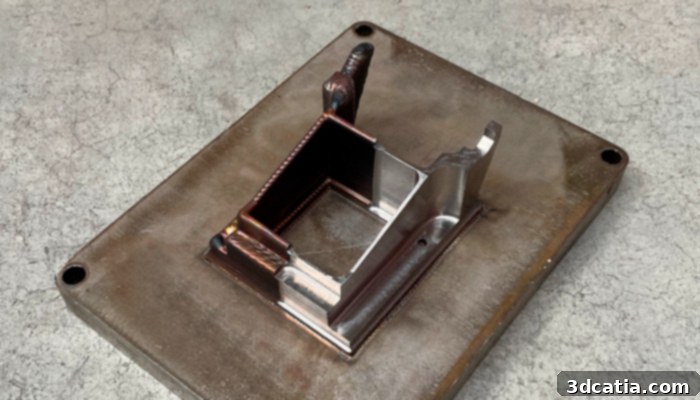
Meltio has maintained an open materials system to drive the adoption of the technology.
Meltio’s strategic focus on metal wire as a primary feedstock is intrinsically linked to its core technology: Laser Metal Deposition (LMD). LMD is a sophisticated Directed Energy Deposition (DED) process, distinguishing itself by using a focused energy source – in Meltio’s case, multiple precision lasers – to melt deposited material as it exits the nozzle. Unlike powder-bed fusion methods, DED typically utilizes either powder or, as Meltio has championed, wire feedstock. This DED variant has experienced a significant surge in popularity over recent years, primarily due to its inherent flexibility in manufacturing, repair, and cladding applications, alongside the distinct advantages offered by using wire over powder. Wire feedstocks are notably safer to handle, presenting a lower risk of airborne particulate inhalation and reducing explosion hazards. They are also significantly cleaner, resulting in less material waste and requiring simpler containment systems compared to fine metal powders. Furthermore, wire is often considered a more sustainable choice, contributing positively to environmental initiatives, an increasingly vital consideration as additive manufacturing is positioned as a key technology to address growing global environmental concerns through optimized resource utilization and reduced waste.
Elevating Performance: A Deep Dive into Meltio’s New Material Offerings
The meticulous selection process for these four particular materials was predominantly driven by direct user interest, with Meltio prioritizing those most frequently requested by its global customer base. The overarching objective, naturally, was to develop materials that are perfectly optimized for seamless integration and superior performance on Meltio’s range of 3D printing solutions. This optimization translates into significant benefits for users: by leveraging Meltio’s pre-optimized print profiles, they can dramatically reduce the likelihood of print failures, streamline the entire printing process, and effectively lower the barrier to entry for metal additive manufacturing. This ease of use means that even beginners can achieve sophisticated results, while experienced users benefit from guaranteed part properties – a paramount requirement in highly regulated industries with stringent quality and performance demands.
Indeed, a significant portion of these new offerings, specifically three out of the four materials, are exceptionally well-suited for demanding applications in the aerospace sector, among others. Meltio SS17-4PH, a precipitation-hardened martensitic stainless steel, stands out for its significantly higher hardness compared to previous offerings, coupled with outstanding corrosion resistance and robust mechanical properties. Its versatility makes it a commonly preferred choice across critical industries, enabling users to harness the power of additive manufacturing in challenging environments such as oil & gas, aerospace, energy generation, and defense. Meanwhile, Meltio Tool Steel H11 is a chromium-based hot-work tool steel renowned for its exceptional impact toughness and resistance to thermal fatigue. These characteristics make it an ideal material for hot tooling applications, including forging dies and extrusion equipment, as well as for high-stress aerospace components that require enduring performance under extreme conditions. Furthermore, Meltio Invar, a nickel-iron alloy, is uniquely positioned for use in aerospace and precision instrumentation due to its exceptionally low coefficient of thermal expansion, effective from cryogenic temperatures of -250°C up to approximately 200°C. In simpler terms, this means Invar exhibits minimal expansion or contraction when subjected to temperature fluctuations, making it an indispensable choice for applications requiring extreme dimensional stability, such as satellite components, optical mounts, sensitive measuring equipment, and high-precision molds where thermal distortion cannot be tolerated.
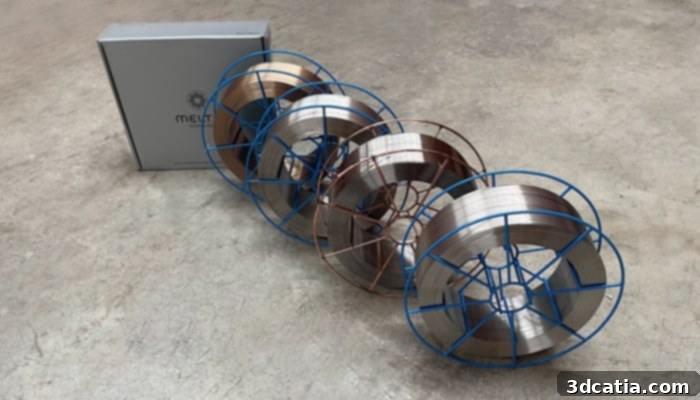
This new range of materials is particularly interesting for industries with high requirements, such as aerospace.
Finally, completing this significant material release is Meltio Nickel 625, a high-performance nickel-based superalloy also known by its trade name Inconel 625. According to Meltio, this material was strategically chosen for its exceptional mechanical properties, which are maintained across a remarkably wide range of temperatures, from cryogenic to intensely hot environments. However, a standout characteristic that makes Nickel 625 particularly valuable for DED applications is its outstanding weldability. This attribute is critically important for Directed Energy Deposition solutions, as it makes the material highly effective for repairing and refurbishing components that operate under severe conditions, such as those exposed to high temperatures or requiring enhanced corrosion protection. Considering that one of the primary benefits and key applications of DED additive manufacturing technology is its superior capability for part repair and restoration, the addition of Nickel 625 perfectly aligns with Meltio’s overarching goal. It significantly increases the range of applications and expands the utility of their systems for users, enabling the restoration of valuable industrial parts and extending their operational lifespan, thereby reducing replacement costs and downtime.
What Will Be Next? Meltio’s Vision for Material Expansion and Industry Adoption
Looking ahead, Meltio appears steadfast in its commitment to further expanding the material portfolio for its proprietary systems. This strategic direction stems from the company’s deeply held belief that by simultaneously maintaining an open material platform and offering its rigorously tested Meltio Materials range, users gain the best of both worlds. This dual approach not only showcases the advanced maturity and versatility of its wire-fed LMD technology but also caters to a broader spectrum of user needs, from those seeking validated, ready-to-use solutions to innovators looking to push the boundaries of material science. Additionally, providing their own high-quality wire materials is expected to significantly facilitate and accelerate the adoption of metal 3D printing in a manner that is both highly cost-effective and operationally efficient for industrial users. Ángel Llavero, Meltio’s CEO, eloquently articulated this vision, stating: “With the launch of this new batch of Meltio Materials, we would like to reinforce our position as the leading OEM in the DED space that pledges for the use of welding wire over powder because of its numerous advantages. Our plan is to keep broadening our selection according to our users’ demands while keeping an open materials platform for those who would like to push the envelope and experiment with different materials.” This statement underscores Meltio’s dedication to innovation, customer-centric development, and its role as a pioneer in advancing wire-based Directed Energy Deposition as the preferred method for industrial additive manufacturing. You can learn more comprehensive details about this exciting material launch and Meltio’s offerings HERE.
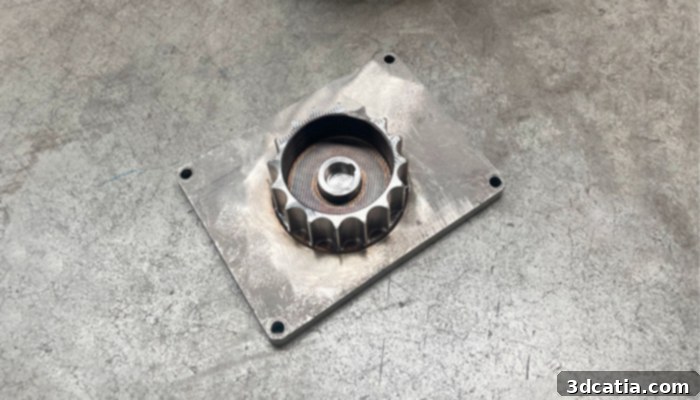
These new materials demonstrate the maturity of metal additive manufacturing.
What are your thoughts on Meltio’s second significant launch of advanced metal wire materials? We encourage you to share your insights and feedback in the comments section below or engage with us on our various social media platforms, including LinkedIn, Facebook, and Twitter! Don’t forget to subscribe to our complimentary weekly Newsletter here to receive the very latest 3D printing news and updates directly in your inbox. Additionally, you can explore all our in-depth videos and content on our dedicated YouTube channel for more visual insights into the world of additive manufacturing.
*All photo credits: Meltio