
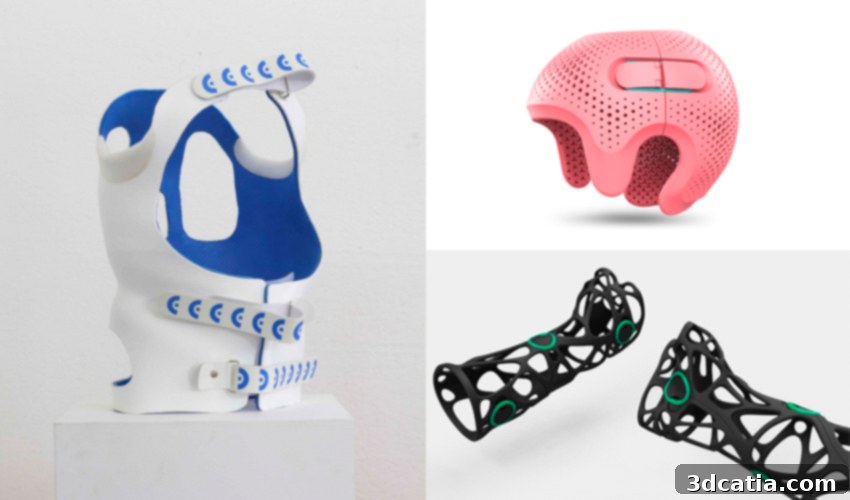
Revolutionizing Healthcare: How 3D Printing is Shaping the Future of Personalized Orthotics
The integration of additive manufacturing, commonly known as 3D printing, into the medical sector is no longer a futuristic concept but a burgeoning reality, fundamentally transforming patient care. Its profound impact is primarily driven by an unparalleled ability to create highly customized and perfectly tailored solutions for individual needs. From groundbreaking bioprinting initiatives focused on tissue engineering and regeneration to the production of sophisticated medical devices like 3D printed implants, prostheses, and orthoses, the technology offers immense potential. Orthoses, in particular, serve as external medical supports designed to modify the structural and functional characteristics of the neuromusculoskeletal system. Unlike prostheses which replace a missing body part, orthoses aim to stabilize, relieve, immobilize, guide, or correct a damaged or dysfunctional part of the body, thereby improving mobility and quality of life. Given that every patient’s anatomy is unique, 3D printing stands out as an ideal solution for designing and producing these highly personalized devices. This advanced manufacturing method ensures an exact fit, enhanced comfort, and superior functionality compared to mass-produced alternatives. On this occasion, we delve into some of the most innovative and impactful 3D printed orthosis projects and companies that are leading this medical revolution.
Innovating Patient-Specific Solutions with Additive Manufacturing
Traditional orthotic solutions often involve cumbersome casting processes, leading to delays, discomfort, and less-than-perfect fits. 3D printing addresses these challenges head-on by enabling rapid prototyping, precise customization, and the use of advanced materials. This section highlights pioneering companies that are leveraging 3D printing technologies to deliver superior orthotic devices, enhancing patient outcomes across various medical conditions.
POHLIG GmbH’s SimBrace Technology: Precision and Customization
Pohlig, a renowned manufacturer of orthotics, offers a comprehensive range of solutions for various body parts, including hands, legs, and even the chest. Their commitment to innovation is exemplified by the development of SimBrace technology, a sophisticated 3D scanning process tailored for individual patients. This cutting-edge system meticulously adjusts the shape and position of the brace to perfectly match the patient’s unique morphology. The manufacturing process begins with prototypes created using Fused Deposition Modeling (FDM) technology, allowing for quick iterations and design validation. Once finalized, the production of the end-use products employs advanced powder sintering techniques, ensuring optimal material properties and durability. Pohlig’s dedication extends beyond manufacturing; they provide extensive post-delivery support, particularly for leg orthoses, to ensure seamless adaptation and optimal patient comfort. This holistic approach underscores their commitment to delivering not just a device, but a complete care solution that integrates seamlessly into the patient’s recovery and daily life.
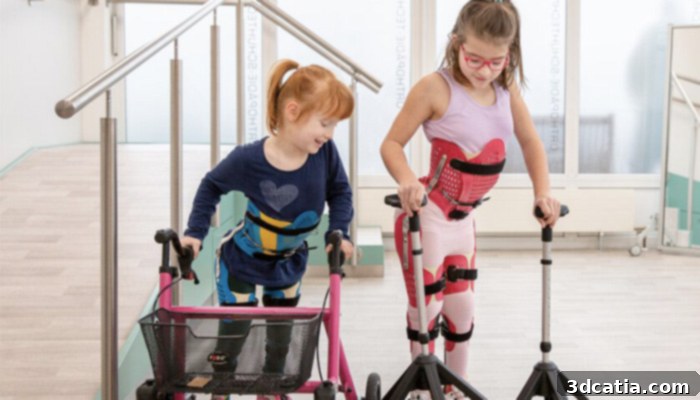
Photo credit: Pohlig GmbH
OT4 Orthopädietechnik: German Engineering in Custom Orthotics
As a proud member of the Streifeneder Group, the German company OT4 Orthopädietechnik stands out for its specialization in crafting patient-specific orthotics with exceptional precision. Utilizing modern manufacturing tools, particularly Multi Jet Fusion (MJF) technology, OT4 is able to produce custom-made devices with remarkable efficiency and flexibility. This advanced printing process allows for easy design modifications and rapid production, ensuring that each orthosis perfectly meets the individual’s needs. OT4 Orthopädietechnik designs devices for a diverse range of anatomical areas, including the face, head, arms, and various joints, addressing a wide array of medical requirements. The advantages offered by their chosen technology are significant, including reduced weight for enhanced patient comfort, superior product quality, and high reproducibility, guaranteeing consistent excellence across all devices. By seamlessly integrating the strengths of traditional craftsmanship with cutting-edge digital manufacturing, OT4, in collaboration with its partner craft companies, consistently delivers highly reliable and effective orthotic products to patients.
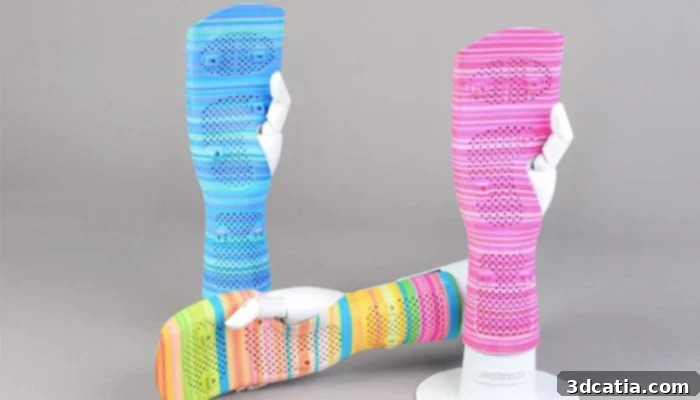
Photo credit: OT4 Orthopädietechnik
Chabloz Orthopedics: Tailored Solutions for Limbs and Beyond
Chabloz Orthopedics, a prominent French company, specializes in the design and production of custom-made orthotics for both upper and lower limbs, leveraging the power of 3D printing to create truly personalized solutions. Among their innovative 3D printed offerings are helmets specifically designed to treat plagiocephaly, a common skull deformity in infants, providing gentle yet effective correction. For lower limbs, Chabloz Orthopedics distinguishes between two primary types of orthoses: posture orthoses and walking orthoses. Posture orthoses are engineered to compensate for lower limb disabilities, offering crucial support and alignment to improve stability and prevent further complications. Walking orthoses, on the other hand, are often used in conjunction with other walking aids to enhance the fluidity and efficiency of joint movement, significantly improving gait and overall mobility. The company utilizes HP Multi Jet Fusion printers, a choice that greatly accelerates their manufacturing process, enabling faster turnaround times for critical patient devices without compromising on precision or quality. This commitment to advanced technology ensures patients receive their custom-fitted orthoses promptly, facilitating quicker recovery and improved functional outcomes.

Photo credit: Chabloz Orthopaedics
ScientiFeet: Pioneering 3D Printed Insoles for Podiatry
ScientiFeet, a visionary French solution launched in January 2016 by PODO 3D (a subsidiary of the leading French 3D printing group Prodways), has rapidly emerged as a frontrunner in the production of bespoke 3D printed insoles. Their innovative solution empowers podiatrists to offer patients truly personalized and unique products designed for optimal foot health and comfort. The process begins with a precise 3D scan of the patient’s foot using their proprietary Podoclic 3D scanner. This detailed scan generates a highly accurate 3D footprint, which is then modeled on the intuitive Scientifeet software. This software allows for the meticulous design of 3D soles, taking into account specific size, thickness, and arch height requirements to address individual biomechanical needs. The production of these advanced insoles is outsourced to Prodways’ extensive fleet of industrial printers, utilizing durable PA12 material to ensure longevity and support. In a remarkably efficient turnaround, the finished product is delivered to the practitioner’s office in just five days. Furthermore, Scientifeet offers comprehensive support by enabling practitioners to install the Scientifeet solution directly in their offices, providing expert advice and periodic training on the equipment to ensure seamless integration and usage. This end-to-end approach guarantees a high degree of accuracy and opens up entirely new production possibilities at a significantly improved cost.
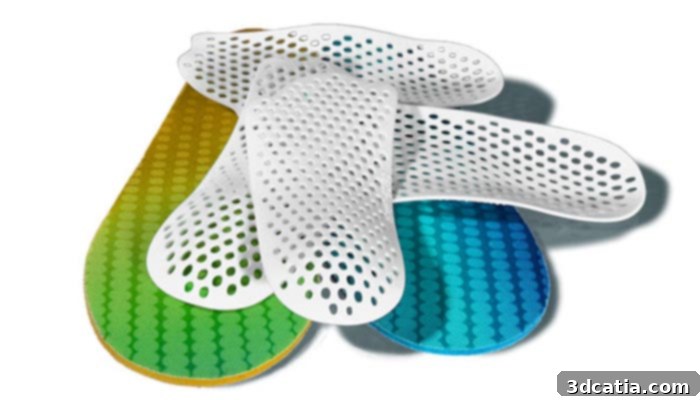
Photo credit: ScientiFeet
Invent Medical: Custom Orthotics for Sport, Rehabilitation, and Beyond
Invent Medical, a dynamic UK-based firm, has been at the forefront of 3D printing orthotic and prosthetic solutions since its inception in 2010. Collaborating extensively with doctors, clinicians, and universities, they consistently deliver durable, functional, and aesthetically pleasing devices. Their comprehensive product portfolio includes cranial remolding helmets, essential for treating infant head deformities; ankle-foot orthoses (AFOs) for various lower limb conditions; custom prosthetic sockets for improved fit and comfort; specialized insoles; and protective face masks. Future projects are set to expand their offerings to include arm and adult orthoses, further broadening their impact. These innovative products cater to a wide range of applications, from aiding recovery from sports injuries and supporting prosthetic limbs to correcting anatomical abnormalities. A cornerstone of their patient-centric approach is the Invent Medical Configurator, an intuitive software tool that empowers users to design their orthotic and prosthetic products within minutes. Following the design phase, advanced 3D and 2D scanners ensure a perfect fit for the patient before the data is sent to a high-performance HP industrial printer for precise 3D printing. The result is comfortable, aesthetically pleasing, and truly custom-made products that significantly enhance the lives of their users.
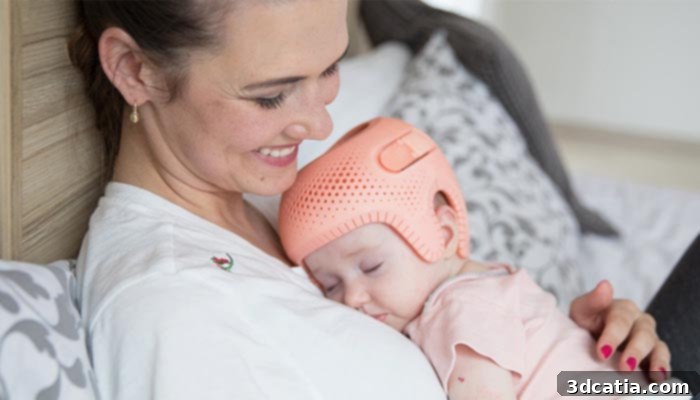
Photo credit: Invent Medical
Xkelet: Rapid Scanning and Resin 3D Printing for Immobilization
The Spanish company Xkelet has pioneered an innovative system that combines rapid 3D scanning with advanced manufacturing to produce orthoses perfectly adapted to each patient’s unique morphology and medical needs. These custom devices are designed to immobilize upper and lower extremities, effectively addressing issues traditionally associated with conventional systems such as heavy plaster casts, fiberglass, thermoplastics, and off-the-shelf orthopedic products. A key feature of Xkelet’s solution is their user-friendly mobile application, which allows for quick and accurate 3D scanning of the body part requiring an orthosis in a matter of seconds. This immediate digital capture streamlines the entire process, making it significantly faster and more convenient for both patients and clinicians. Thanks to their strategic partnership with Photocentric, Xkelet leverages resin 3D printing technology to create customized orthoses on demand. This advanced manufacturing approach yields a unique orthosis that is remarkably lighter, more breathable, and more comfortable than traditional plaster options, vastly improving the patient experience during recovery. The seamless integration of mobile scanning and resin 3D printing represents a significant leap forward in personalized medical immobilization.
Korthotics: Durable Nylon Orthoses from Down Under
Korthotics, a Sydney-based provider of orthotic solutions, boasts over 40 years of invaluable experience in designing, manufacturing, and delivering custom orthoses to patients. Their expertise is now significantly enhanced by the integration of 3D printing technology, specifically utilizing a 3D Systems ProX SLS 6100 Printer – an industrial-grade Selective Laser Sintering (SLS) machine. Their material of choice is nylon-11, selected for its exceptional properties including absorbency, strength, and lightweight characteristics, which collectively enable the creation of high-quality products with minimal material waste. Korthotics’ extensive range of custom-made 3D printed orthoses includes specialized devices for feet, cranial helmets, knee braces, and ankle-foot orthoses, all meticulously manufactured at their state-of-the-art facility in Sydney. Beyond their 3D printing capabilities, Korthotics also operates the DM Orthotics (DMO®) brand, which offers advanced elastomeric fabric orthoses. These specialized fabric orthoses are designed to provide dynamic support for a wide array of conditions, including cerebral palsy, scoliosis, stroke recovery, and Down Syndrome, showcasing Korthotics’ comprehensive commitment to addressing diverse patient needs with both advanced digital and traditional textile solutions.
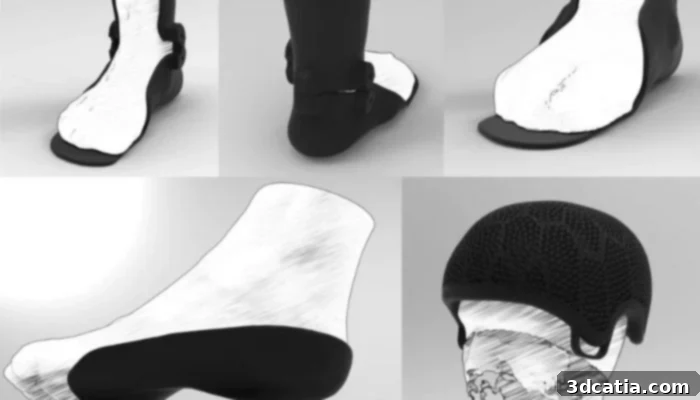
Korthotics offers a range of custom 3D printed solutions. (Photo credit: Korthotics)
Think3DDD: Personalized Orthotics for Both Humans and Animals
Based in Berlin, Think3DDD, co-founded by Tino Jacobi and Leonardo Lauer, distinguishes itself by focusing on providing custom 3D printed orthotics for both human and animal patients. Their flagship 3D-printed solution, aptly named Orthimale, was developed with the primary goal of overcoming common problems associated with traditional casts, such as their heavy weight, uncomfortable itching, and irritating sutures. The manufacturing process for Orthimale is streamlined and patient-centric: it begins with a precise 3D scan of the affected body part, conveniently performed via a smartphone. This digital model is then meticulously refined in close collaboration with the treating physician, ensuring the orthosis perfectly meets the medical requirements. After rigorous testing, the orthosis is 3D printed using the FFF (Fused Filament Fabrication) process, chosen for its versatility and cost-effectiveness. A key aspect of Think3DDD’s philosophy is environmental responsibility; once the treatment is complete, the orthosis is either responsibly recycled or even composted by the company, ensuring minimal ecological impact. This innovative approach offers a more comfortable, hygienic, and eco-friendly alternative to conventional immobilization methods for a wide range of patients, both human and animal.
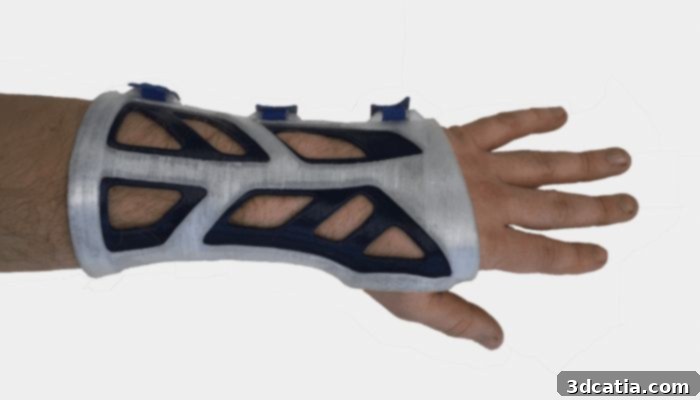
Photo credit: Think3DDD
Wypro: Advanced Orthopaedic Insoles with Laser Precision
Wypro, under the astute leadership of Dr. Pablo Marin, a highly specialized podiatrist and the company’s CEO, has been singularly focused on the production of advanced orthopedic insoles since its establishment in 2019. Central to Wypro’s innovative approach is a proprietary 3D laser scanner, meticulously developed in 2017 specifically for the demanding podiatry and orthopedics sectors. The Spanish company highlights several distinct advantages in their laser scanning technology. Firstly, it offers unmatched speed and accuracy in capturing the intricate contours of the foot, ensuring an exceptionally precise digital model. Secondly, and critically, this advanced system empowers the professional to actively correct the foot’s position before the scan, allowing it to be placed in an optimal, therapeutic alignment. Once the highly accurate 3D scan has been successfully captured and finalized, the data is then processed for manufacturing using the Selective Laser Sintering (SLS) process. This sophisticated 3D printing technique is ideal for creating orthopedic insoles that offer superior comfort, support, and durability, tailored to each individual’s unique foot structure and biomechanical needs. Wypro’s commitment to precision and innovation is truly transforming the field of custom orthopedic insoles.
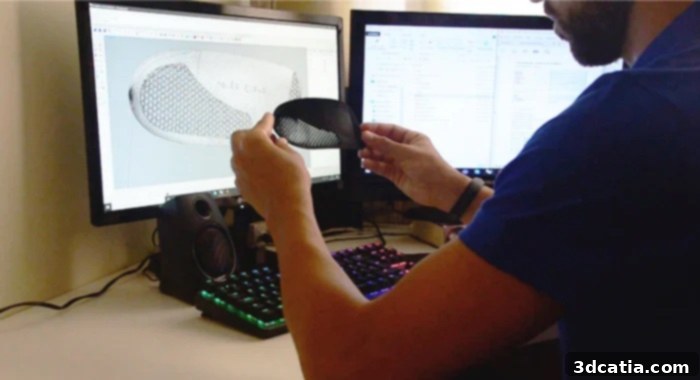
Photo credit: Wypro
WASP: 3D Printed Back Corsets for Scoliosis and Beyond
Scoliosis, the lateral curvature of the spine, is a condition commonly diagnosed in children and adolescents, affecting an estimated 2-3 percent of the global population, with millions impacted in the United States alone. Untreated, it can become debilitating, particularly if not properly managed during growth. Traditional treatment often involves uncomfortable and expensive orthopedic corsets, which can significantly hinder a patient’s quality of life. Fortunately, 3D printing offers a revolutionary solution. Lelio Leoncini, in collaboration with the innovative Italian 3D printing company WASP, has developed advanced 3D printed corsets made from polypropylene. These bespoke corsets provide effective solutions even for severe cases, including patients who require busts with complex shapes or additional head support. The ability to design in 360 degrees allows for the creation of truly tailor-made solutions, accommodating all types of spinal curvatures and patient body types. This level of customization is particularly beneficial for children facing breathing or walking difficulties due to their condition, offering a lightweight, more comfortable, and highly effective alternative to traditional bracing. WASP’s pioneering work is transforming the management of scoliosis, providing hope for improved outcomes and enhanced patient comfort.
Photo credit: WASP
ActivArmor: Waterproof, Breathable 3D Printed Casts and Splints
Among the most ubiquitous orthotics encountered worldwide are casts and splints, essential for immobilizing broken bones. However, traditional plaster casts are notoriously heavy, bulky, non-waterproof, and often cause itching and discomfort, becoming a significant burden during the healing process. American company ActivArmor has revolutionized this field by offering a superior alternative: custom 3D printed, waterproof, breathable, and sanitizable plastic casts. These innovative casts allow users to maintain their active lifestyles, including showering and swimming, while ensuring optimal protection and support for healing. This significant improvement in patient convenience and hygiene contributes positively to mental well-being during recovery. Currently, ActivArmor holds a unique position as the only commercially available 3D printed custom splint in the USA. Furthermore, its commitment to patient safety and quality is underscored by its listing with the FDA as a Class 1 splint and its ISO-10993 certification for biocompatibility, ensuring it meets rigorous medical standards. ActivArmor truly exemplifies how additive manufacturing can transform a conventional, often inconvenient medical device into a comfortable, functional, and life-enhancing solution.
The companies and projects highlighted above unequivocally demonstrate the immense potential and tangible benefits of 3D printing in the field of orthotics. From enhanced patient comfort and unparalleled customization to faster production times and innovative material usage, additive manufacturing is rapidly becoming indispensable in delivering personalized medical care. As technology continues to advance, we can anticipate even more sophisticated, accessible, and life-changing orthotic solutions emerging in the coming years, further solidifying 3D printing’s role as a cornerstone of modern medicine. Was this ranking on 3D printed orthoses useful? Which project or company captivated your interest the most? We invite you to share your thoughts in a comment below or engage with us on our LinkedIn, Facebook, and Twitter pages! Don’t forget to sign up for our free weekly Newsletter here to receive the latest 3D printing news directly to your inbox. You can also explore all our insightful videos on our YouTube channel.