
Photocentric Drives Innovation: Pioneering 3D Printed Batteries for a Sustainable Automotive Future
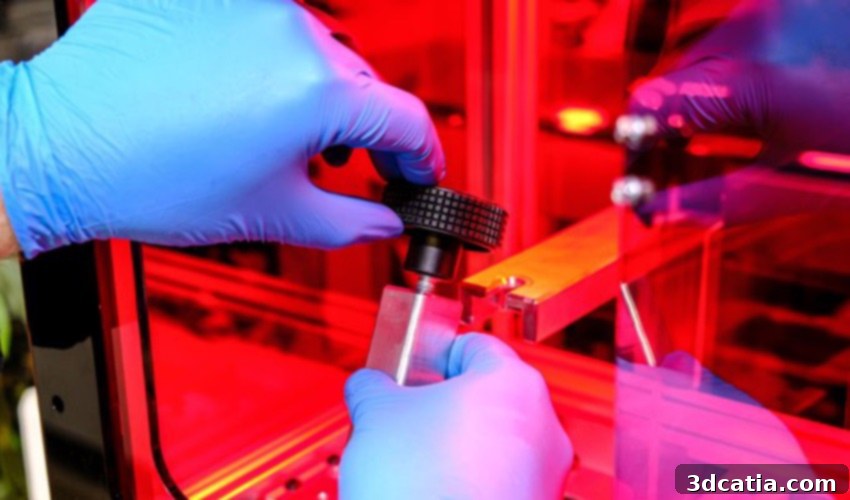
In a significant move poised to revolutionize energy storage, UK-based Photocentric, a recognized leader in 3D printer and material manufacturing, has announced the establishment of a dedicated research department. This new division is exclusively focused on the development of eco-friendly 3D printed batteries. With a rich history dating back to 2002 in producing photopolymer resins, Photocentric has solidified its position as a global pioneer in Visible Light Polymerisation (VLP) 3D printing technology. The ambitious goal of this new endeavor is to design and mass-produce electric batteries that are not only significantly lighter but also far better optimized for diverse applications, particularly within the demanding automotive sector, compared to current market solutions. This initiative marks a strategic pivot for the company, leveraging its core additive manufacturing expertise to tackle one of the most pressing challenges in the transition to sustainable energy.
The current landscape of batteries used in the automotive industry presents numerous challenges. Traditional electric vehicle (EV) batteries are often characterized by their substantial size and considerable weight, factors that inherently limit design flexibility and overall vehicle performance. Critically, these conventional batteries are not optimally integrated into vehicle architectures; instead, vehicle design is frequently constrained and ultimately dictated by the available battery dimensions and weight distribution. This creates a suboptimal scenario where engineering compromises are made to accommodate the power source rather than allowing the power source to seamlessly integrate into an optimized vehicle platform. Recognizing this fundamental limitation, Photocentric has committed to utilizing its extensive fleet of advanced additive manufacturing (AM) systems. The company aims to innovate by 3D printing batteries that are not just lighter and smaller, but also highly customized and tailored to specific vehicle requirements, a stark contrast to the existing one-size-fits-many approach. Dr. Sarah Karmel, the Head of R&D Chemistry at Photocentric, underscores the depth of this commitment, stating that the company’s work will encompass not only the battery electrodes but also the intricate development of the full battery cell, promising a holistic approach to battery innovation.
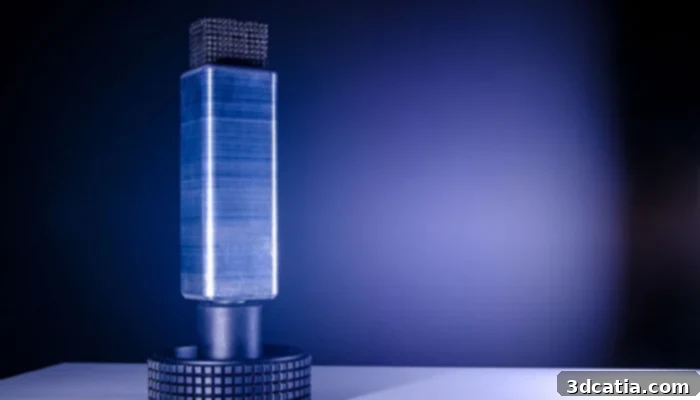
Image credits: Photocentric
The transformative power of additive manufacturing lies at the core of Photocentric’s strategy. This advanced manufacturing technique empowers the company with unprecedented control over both the macro and micro geometries of the battery components. This includes the crucial ability to precisely control the porosity of the electrodes – a critical factor influencing a battery’s performance metrics such as energy density, power output, and charging speed. By meticulously engineering these structural attributes at a microscopic level, Photocentric can significantly enhance the efficiency of ion flow and overall electrochemical reactions within the battery. The profound implication of this capability is that such 3D printed batteries can be meticulously customized to perfectly fit the unique specifications and spatial constraints of various electric vehicles. This paradigm shift means that, rather than designing vehicles around cumbersome, predefined battery packs, future EVs can be engineered with optimal performance and aesthetics in mind, with the battery then custom-printed to complement the vehicle’s design. Photocentric firmly believes that their innovative technology will lead to substantial advancements in battery performance, paving the way for lighter, more powerful, and longer-lasting energy solutions. In an ambitious projection, the company even expresses hope that its advanced 3D printed battery solution could be adopted for use in a future Tesla Giga factory located in the UK, highlighting the potential for large-scale industrial impact and collaboration with leading EV manufacturers.
While the initial focus for the UK-based AM manufacturer appears to be predominantly on batteries for electric cars, Dr. Karmel has emphasized the vast and diverse potential applications of this novel technology. The versatility offered by 3D printing allows for the creation of batteries tailored to numerous industries. For instance, these advanced batteries could be effortlessly integrated into drones, providing lighter power sources that extend flight times and enhance maneuverability. Beyond drones, the applications could span across various sectors, including portable electronics, robotics, medical devices, and even grid-scale energy storage solutions, where customizable form factors and optimized performance are highly desirable. The ability to precisely control material distribution and internal architecture through additive manufacturing opens doors to developing batteries with unique power characteristics, specific discharge rates, and improved thermal management capabilities for specialized uses. This adaptability underscores the transformative potential of Photocentric’s research, positioning 3D printed batteries as a disruptive force across a multitude of industries.
The journey to redefine battery chemistry and manufacturing through 3D printing is undoubtedly complex, as acknowledged by Dr. Karmel, who notes that “it is not the easiest thing to 3D print after all.” Battery chemistry involves intricate material science and electrochemical processes that are challenging to manipulate with precision, especially when introducing novel manufacturing methods. However, if Photocentric successfully navigates these formidable technical hurdles and achieves its ambitious goal of fundamentally changing battery composition and structure, the implications for energy storage could be truly revolutionary. Such a breakthrough would not only accelerate the adoption of electric vehicles by addressing key consumer concerns like range anxiety and charging times but also pave the way for more sustainable and efficient energy systems globally. The initiative promises a future where batteries are no longer a limiting factor but a highly adaptable and optimized component, driving innovation across transportation, consumer electronics, and renewable energy integration. This research could ultimately democratize advanced battery design, making customized, high-performance power solutions accessible for an array of next-generation technologies. Photocentric’s pioneering efforts represent a bold step towards a future powered by smarter, greener, and more efficient energy storage solutions, marking a new era where additive manufacturing fundamentally reshapes the very heart of our electric world.
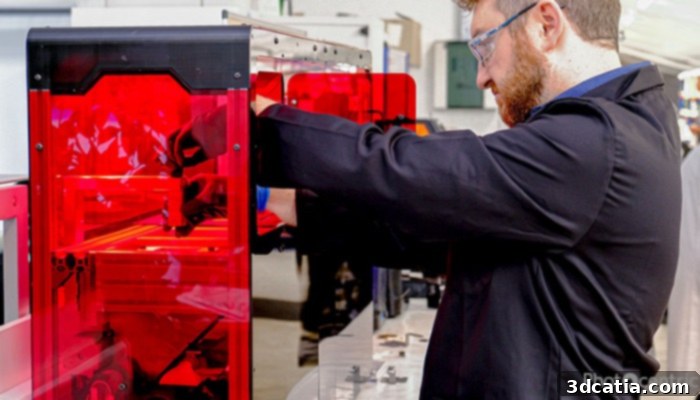
Image credits: Photocentric
What are your thoughts on Photocentric’s commitment to advancing 3D printed batteries research? Do you believe this innovative approach will fundamentally reshape the automotive industry and beyond? We invite you to share your perspectives and insights in the comments section below, or join the conversation on our Facebook and Twitter pages! For those eager to stay informed about the latest developments in additive manufacturing and breakthrough technologies like Photocentric’s battery research, don’t forget to sign up for our free weekly Newsletter, delivering all the essential news in 3D printing directly to your inbox!