

The Future of Food: Alt Farm Pioneers 3D Printed Plant-Based Wagyu Beef
In a groundbreaking leap for food technology and sustainable dining, Alt Farm, an innovative startup based in Hong Kong, is spearheading the production of plant-based food through the revolutionary power of 3D printing. Their ambition is not just to create meat alternatives, but to precisely replicate the sensory experience of premium cuts. The company has developed a proprietary nozzle system, a significant technological advancement that enables the precise inclusion of specific textures within its printed products. This intricate control over texture allows Alt Farm to remarkably reproduce the visual appearance and mouthfeel of conventional meat products. The reason for the global buzz around Alt Farm today is their ambitious pursuit to mimic one of the world’s most luxurious and sought-after meats: the exquisite Wagyu beef, a renowned breed originating from Japan’s Kobe region. Most discerning diners and culinary enthusiasts are familiar with Kobe beef, universally recognized as one of the most expensive and revered meats globally. Alt Farm’s sophisticated approach involves utilizing a carefully formulated blend of pea, soy, and algae proteins, meticulously combined and 3D printed to create a convincing semblance of a steak, complete with the marbling and fibrous structure that defines traditional meat.
The concept of 3D printed food is not an entirely novel idea; indeed, numerous projects and initiatives in this exciting field have already come to fruition across the globe. From intricate chocolate designs and personalized candies to highly customized dishes tailored to specific dietary constraints and nutritional needs, the market has witnessed a surge of innovative developments over recent years. And when it comes to meat, the landscape is no exception to this technological evolution! A growing number of companies, driven by ethical considerations, environmental concerns, and a burgeoning demand for healthier alternatives, have dedicated their efforts to developing innovative products that serve as compelling alternatives to traditional cattle breeding. These companies are not merely producing plant-based burgers, but are striving to create products that closely approximate the vegetarian equivalent of a premium steak, mirroring its texture, taste, and overall culinary experience. It is crucial to clarify, therefore, that Alt Farm’s endeavors do not involve printing actual animal meat derived from cellular agriculture. Instead, their focus is squarely on designing and producing foods based entirely on plant proteins, offering a sustainable and ethical choice for consumers without compromising on the gourmet experience.
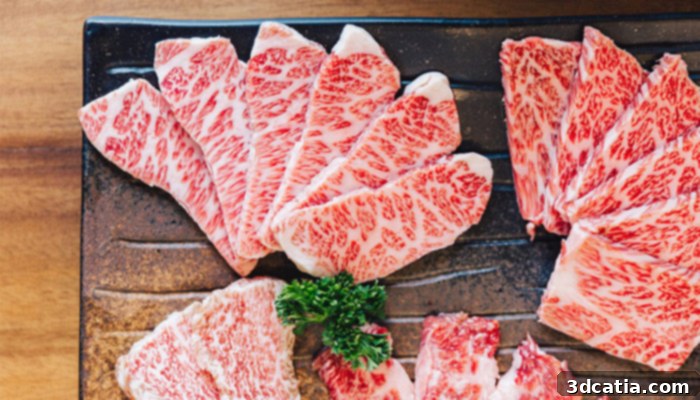
The breed of beef raised in the Kobe region is the source of the most expensive steaks in the world
Alt Farm’s Innovation: Mastering Texture for Plant-Based Kobe Beef
At the heart of Alt Farm’s groundbreaking approach lies an intense focus on texture – a critical, yet often overlooked, element in the successful replication of meat. Kenny Fung, the visionary CEO of Alt Farm, elaborates on their core innovation, stating, “We have developed a patented nozzle in which biochemical enzymatic reactions can be performed to solidify the printed product and generate different textures such as the fibrous texture for plant-based meat products. Our primary focus is on plant-based products, but the technology allows us to adjust 3D printed food to have most textures, from chewy to crunchy, etc. The plant-based products market is our first target, as it is growing very fast and has the scale and innovation to support our simultaneous growth as well.” This patented nozzle represents a significant breakthrough, enabling the precise control over the material during the 3D printing process. By harnessing biochemical enzymatic reactions, Alt Farm can manipulate the proteins and other ingredients at a microscopic level, solidifying them in specific patterns that emulate the complex fibrous structure of animal muscle tissue. This meticulous attention to texture is what truly elevates their products, moving beyond simple patties to sophisticated cuts that offer a genuine steak-like mouthfeel. The versatility of their technology is also remarkable, allowing them to produce a wide spectrum of textures, from the tender chewiness of a premium steak to the crispiness desired in other food applications. This adaptability positions Alt Farm not just as a plant-based meat producer, but as a pioneer in future food customization, with the rapidly expanding plant-based market serving as their initial, strategically chosen battleground.
The Science Behind the Steak: Ingredients and Replication of Wagyu
As highlighted by Alt Farm’s CEO, the company’s focus is firmly rooted in vegetable proteins. Their method involves applying a meticulously prepared mixture of these plant-based ingredients, layer by layer, through their custom-made nozzle. This precise additive manufacturing process is designed not only to reproduce the visual appearance of a steak but also to impart the authentic feel and satisfaction of biting into a traditional cut of meat. The startup has now intensified its efforts, placing a keen focus on replicating Waygu meat, a revered Japanese breed of beef celebrated globally for its unparalleled quality, exquisite marbling, and distinctive flavor profile. Beyond its culinary prestige, this exclusive beef is also infamous for its incredibly high price point – with a single kilogram often fetching well over $1,000, underscoring the luxury status of authentic Wagyu. To achieve this ambitious feat, Alt Farm specifies the use of a sophisticated blend of pea, soy, and seaweed proteins. These core ingredients are then enriched with carefully selected added fats, natural flavors, and a combination of shea, coconut, and cocoa butters. Each component plays a vital role: the proteins provide the foundational structure and nutritional value, while the various fats are crucial for mimicking the intramuscular fat (marbling) that gives Wagyu its signature tenderness, juiciness, and rich umami flavor. This intricate combination allows Alt Farm to emulate the complex sensory experience of Wagyu, from its visual appeal to its unique melt-in-your-mouth texture.
Crafting the Plant-Based Wagyu Experience
The choice to target Wagyu beef is highly strategic. Wagyu is renowned for its distinctive marbling pattern – fine veins of fat distributed throughout the muscle tissue – which contributes significantly to its tenderness, juicy texture, and rich, buttery flavor. Replicating this intricate fat distribution using plant-based ingredients is a formidable challenge, requiring advanced material science and printing precision. Alt Farm’s patented nozzle and biochemical enzymatic reactions are crucial for creating these nuanced textures and fat inclusions. The pea protein contributes to the overall bulk and firmness, while soy protein offers a desirable fibrous structure and a complete amino acid profile. Seaweed proteins, beyond their nutritional benefits, can also introduce subtle umami notes and contribute to the textural complexity, mimicking some of the deeper flavors found in animal protein. The inclusion of plant-based fats like shea, coconut, and cocoa butters is pivotal for simulating the coveted marbling effect. These specific fats are chosen for their melting points and textural properties, allowing them to integrate seamlessly within the protein matrix and replicate the succulent mouthfeel of traditional Wagyu. When heated, these fats render and contribute to the juiciness and rich flavor release, completing the illusion of premium beef. This meticulous ingredient selection and precision engineering underscore Alt Farm’s commitment to not just creating a meat alternative, but a true culinary experience that stands on its own merits.
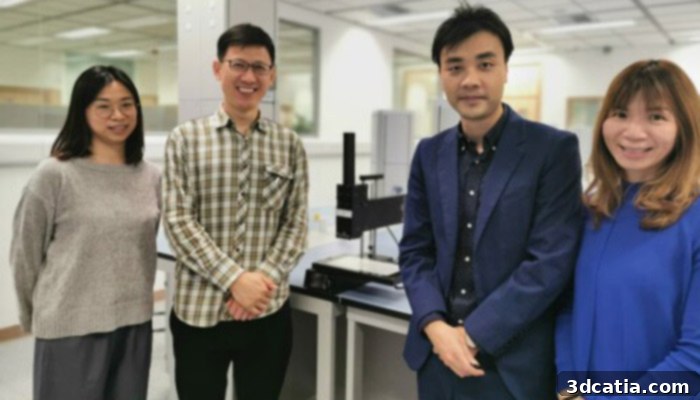
The Alt Farm team (photo credits: Alt Farm)
Market Vision and the Global Impact of Sustainable 3D Printed Food
Through the innovative combination of these plant-based ingredients and advanced 3D printing technology, Alt Farm is able to produce a sophisticated, plant-based Wagyu steak in an impressive timeframe of just four hours. This rapid production capability is a testament to the efficiency and scalability of their additive manufacturing process. The company is strategically targeting key markets, primarily focusing on China and Australia, which they have identified as significant sources of revenue and growth potential for high-quality, sustainable food products. The Asian market, particularly China, demonstrates a rapidly growing appetite for plant-based foods, driven by health consciousness, environmental awareness, and a burgeoning middle class seeking premium dining experiences. Similarly, Australia, with its strong agricultural sector and increasing consumer demand for ethical and sustainable options, presents a fertile ground for Alt Farm’s offerings. The shift towards plant-based diets is a global trend, fueled by concerns over the environmental footprint of livestock farming, including greenhouse gas emissions, land degradation, and water consumption. Alt Farm’s 3D printed plant-based Wagyu offers a compelling solution, promising a luxurious culinary experience without the ecological impact associated with traditional beef production.
Looking ahead, Alt Farm anticipates introducing a first prototype of its 3D printed plant-based Wagyu to the market in 2023. This eagerly awaited launch will mark a pivotal moment, not just for the company, but for the entire food technology sector, demonstrating the tangible potential of advanced manufacturing in creating sustainable, gourmet alternatives. The success of Alt Farm could catalyze further investment and innovation in personalized nutrition, food security, and ultimately, a more resilient global food system. As environmental concerns continue to mount and consumer preferences evolve, technologies like 3D food printing offer a pathway to decouple delicious, high-quality food from resource-intensive traditional farming methods. The ability to precisely control ingredients and textures also opens doors for tailoring products to specific dietary needs or preferences, offering unprecedented levels of customization. We will continue to monitor Alt Farm’s progress closely and keep our readers informed about this exciting development as they move closer to bringing their revolutionary plant-based Wagyu to dinner tables worldwide.
What are your thoughts on the innovative Alt Farm startup project and the potential of 3D printed plant-based meat? Let us know in a comment below or on our Linkedin, Facebook, and Twitter pages! Don’t forget to sign up for our free weekly Newsletter here, the latest 3D printing news straight to your inbox! You can also find all our videos on our YouTube channel.
*Cover Photo Credits: CNBC