

Hemp 3D Printer Filament: Revolutionizing Sustainable Additive Manufacturing
In an era increasingly defined by environmental consciousness and technological innovation, the discussion around sustainable materials for additive manufacturing has gained significant traction. While cannabis, in its broader sense, continues to be a topic of multifaceted debate concerning its medical applications, environmental advantages, and economic potential, it is only logical that its industrial counterpart, hemp, would emerge as a frontrunner in the quest for eco-friendly 3D printing solutions. Hemp 3D printer filament represents a fascinating convergence of ancient natural resources and modern manufacturing techniques, offering a compelling alternative to conventional plastics. Beyond being just another alternative 3D printer filament, hemp brings a unique set of properties and benefits that warrant a closer look. This article delves into everything you need to know about this innovative material, from its rich history to its manufacturing process, key producers, and practical applications in the world of 3D printing.
The Enduring Legacy and Modern Revival of Hemp
Few materials boast a history as long and influential as hemp. For over 10,000 years, hemp has been an integral part of human civilization, making it one of the earliest plants domesticated by our ancestors. Its robust fibers were used for textiles, ropes, and paper; its nourishing seeds provided sustenance and oil; and its natural medicinal properties were recognized across various cultures. Kings and emperors even encouraged its cultivation due to its economic and practical value, recognizing its role in building strong societies. Hemp was, for millennia, a cornerstone material, underpinning everything from maritime exploration (ropes and sails) to the dissemination of knowledge (paper). However, this long-standing relationship with humanity took a drastic turn around the mid-20th century. Propelled by growing concerns and misinformation surrounding its psychoactive cousin, marijuana, cannabis as a whole was largely demonized for its euphoric properties. This widespread negative perception led to stringent legislative restrictions, causing the cultivation and use of the entire cannabis plant, including industrial hemp, to decline drastically across much of the USA and Europe.
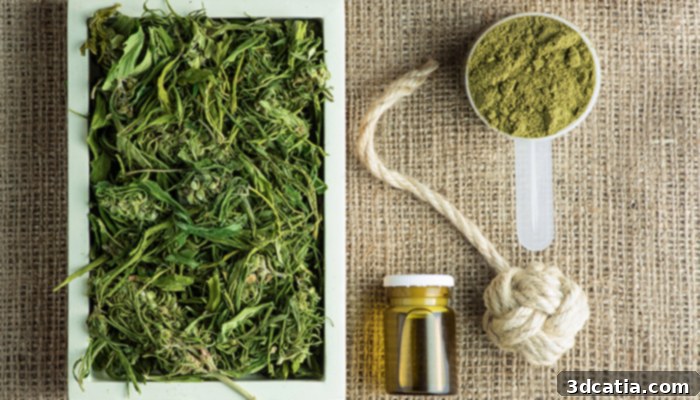
Industrial hemp material
Fortunately, in recent years, there has been a significant shift in perspective, bringing this versatile material back into a positive light. A global movement towards sustainability, coupled with a more informed understanding of the differences between industrial hemp and marijuana, has spurred legislative changes in numerous regions. Jurisdictions like California, for example, have been at the forefront of reforming cannabis laws, paving the way for the reintroduction of hemp into mainstream industrial and consumer applications. This resurgence is largely driven by hemp’s exceptional environmental credentials. As a rapidly growing and highly renewable resource, hemp offers compelling solutions to many ecological challenges. Its cultivation requires significantly less water compared to many other crops, often negating the need for harmful pesticides and herbicides. Furthermore, hemp plants are excellent at sequestering carbon dioxide from the atmosphere, improving soil health, and preventing erosion. Its versatility is astounding, with applications ranging from biofuels and building materials to textiles and bioplastics. It is within this expansive potential that 3D printing enters the picture, leveraging hemp as a less-known but incredibly promising material for sustainable filament production. The development of hemp filament introduces a vital new dimension to the additive manufacturing industry, offering a truly eco-conscious option for designers and engineers.
The Sustainable Manufacturing Process of Hemp 3D Printer Filament
Additive manufacturing, commonly known as 3D printing, inherently offers improvements over traditional manufacturing processes in terms of environmental impact. By precisely depositing material layer by layer, 3D printing significantly reduces material waste, often speeds up production timelines, and can operate with less energy consumption compared to subtractive methods. However, the industry still faces challenges on the path to a completely closed-loop system, particularly concerning the sustainability of its raw materials. The common occurrence of failed prints, prototypes, or end-of-life products generates a substantial amount of plastic waste when traditional synthetic polymers are used. To genuinely advance towards environmental responsibility, there is a critical need for widely available and effective biodegradable or recyclable filaments, and this is where materials like hemp, often combined with PLA, shine. Hemp’s natural growth cycle is remarkably eco-friendly; it requires no pesticides or herbicides, enriches the soil it grows in through phytoremediation, and can be cultivated densely without depleting resources. These inherent attributes make hemp an outstanding candidate for an eco-solution in various industries, including 3D printing. Polylactic Acid (PLA), frequently used as a base polymer with hemp, is itself a biodegradable bioplastic derived from renewable resources such as cornstarch, sugarcane, or tapioca roots. The synergy of combining hemp, with its robust natural fibers and sustainable cultivation, with PLA, a biodegradable and easy-to-print polymer, opens up exciting new possibilities for creating advanced, environmentally responsible composite materials for 3D printing.
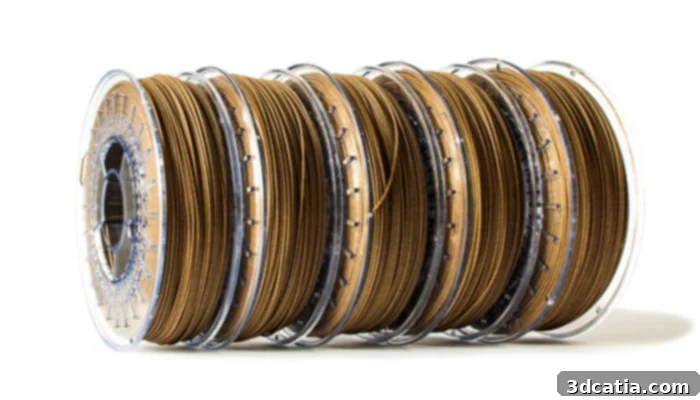
The process of manufacturing hemp 3D printer filament is relatively straightforward, building on established techniques for creating composite filaments. Typically, a polymer base, most commonly PLA, is selected for its excellent printability and biodegradability. Industrial hemp fibers are meticulously processed and ground into very fine particles to ensure uniform dispersion and prevent nozzle clogging during printing. These fine hemp particles are then blended with the polymer base in a precise ratio. This composite mixture is subsequently extruded into a continuous strand, cooled, and spooled to form the final filament. While some manufacturers might add pigments, many hemp filaments are intentionally left uncolored, allowing the natural, earthy tones of the hemp fibers to shine through. This not only maintains the material’s environmental integrity but also imparts a unique, organic aesthetic to the printed objects. Furthermore, the inclusion of hemp fibers often gives prints a distinctive texture, setting them apart from standard plastic prints. Given hemp’s impressive environmental benefits and the relative ease of its incorporation into existing filament production lines, it’s no surprise that demand for this sustainable material is steadily increasing as the 3D printing community seeks greener alternatives.

It is crucial to understand that the legality of hemp 3D printer filaments, like all hemp-derived products, hinges on the individual legislative framework of each geographical location, primarily concerning its tetrahydrocannabinol (THC) content. THC is the psychoactive compound found in cannabis. Industrial hemp, by legal definition in many regions, must contain a very low percentage of THC. For instance, in France and across much of the European Union, the legal threshold for industrial hemp is set at less than 0.2% THC. In the United States, the federal limit is generally 0.3% THC. These regulations are designed to differentiate non-intoxicating industrial hemp from marijuana. The global legal landscape surrounding hemp has been evolving rapidly over recent years, with many countries re-evaluating and modernizing their cannabis policies. The United States, in particular, has seen significant legislative movement. A pivotal moment was the signing of the Agricultural Act of 2014 by then-President Obama, which allowed universities and state departments of agriculture to begin cultivating industrial hemp for limited research purposes, effectively reopening the door for the domestic hemp market. Building on this foundation, the Agricultural Improvement Act of 2018 (the 2018 Farm Bill) further legalized industrial hemp at the federal level by removing it from the Controlled Substances Act, provided it contains less than 0.3% Delta-9 THC. This landmark legislation spurred immense growth and clarification within the hemp industry. In the years following, individual states have been instrumental in developing their own regulatory frameworks. For example, in a single year, at least 38 states considered legislation related to the hemp industry, covering a wide array of topics from clarifying existing laws and establishing new licensing requirements to launching comprehensive cultivation and processing programs. Out of these, a significant number of states, far beyond the initial five, have since enacted legislation to establish robust hemp research and industrial pilot programs, demonstrating a widespread commitment to integrating hemp into their agricultural and industrial economies. This dynamic regulatory environment continues to shape the availability and use of hemp-based products, including 3D printer filaments, globally.
Leading Innovators in Hemp 3D Printer Filament Production
The burgeoning market for sustainable 3D printing materials has seen the emergence of several pioneering companies dedicated to bringing hemp 3D printer filament to the forefront. These innovators are not only providing eco-friendly alternatives but are also pushing the boundaries of material science to enhance printability and performance.
One such prominent company is **3D4MAKER**. This Dutch producer has been an early adopter in the biodegradable plastics market, developing a hemp-infused filament specifically designed for sustainability. Their product is formulated to be either recyclable or compostable after use, aligning with principles of circular economy. 3D4MAKER’s commitment lies in providing high-quality, environmentally responsible materials that don’t compromise on print quality, making their hemp filament a reliable choice for eco-conscious makers.
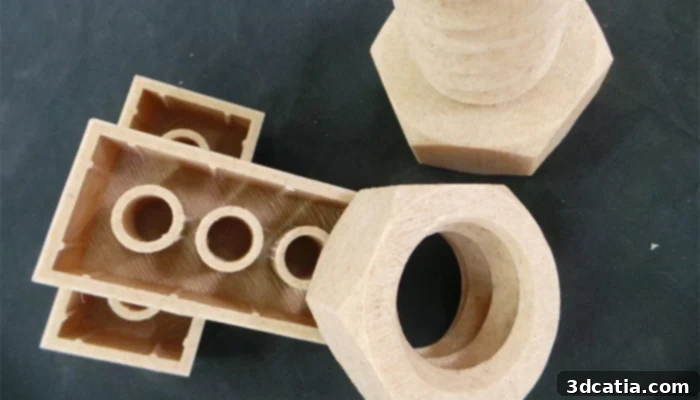
Another significant player in this space is **3Dfuel**, based in the United States. 3Dfuel has distinguished itself by releasing a comprehensive series of eco-friendly composite materials, demonstrating a strong commitment to utilizing waste streams and natural fibers. Partnering with c2renew, an innovative bioplastics compounder, they have developed an impressive line of four distinct materials. These include ‘Wound Up,’ a unique coffee filament; ‘Buzzed,’ derived from beer waste; ‘Landfillament,’ made from repurposed landfill waste; and their flagship hemp offering, ‘Entwined.’ All these materials are produced by combining various waste streams with Ingeo PLA, resulting in functional, sustainable, and aesthetically distinct 3D prints. 3Dfuel is continuously innovating, evident in their release of an improved ‘Entwined v2’ hemp filament. This enhanced version features a reduced particle size of the hemp material, allowing for a higher percentage of hemp to be incorporated into the filament. The finer particles also contribute to a smoother extrusion while retaining the visible bio-fill that creates a uniquely textured finish, showcasing their dedication to both performance and aesthetics in sustainable materials.
A relatively newer but impactful company is **Kanèsis**, an Italian firm rapidly making a name for itself by pushing the boundaries of natural materials in additive manufacturing. Though they initially faced challenges with a campaign that didn’t immediately take off, their persistence paid off as they successfully funded and launched their HempBioPlastic, or HBP®. Kanèsis has since established their website and remains steadfast in their mission to develop innovative solutions for a sustainable world. On their platform, they offer both their HBP filament and a ‘Weed filament,’ with the primary distinction between the two being their respective THC levels, adhering strictly to regional legal limits. Kanèsis is singularly committed to leveraging natural materials specifically for industrial manufacturing, aiming to significantly reduce environmental impact while providing versatile, high-performance bioplastics. Their focus is not just on producing a filament but on fostering an ecosystem of natural, sustainable materials for the additive manufacturing industry at large.
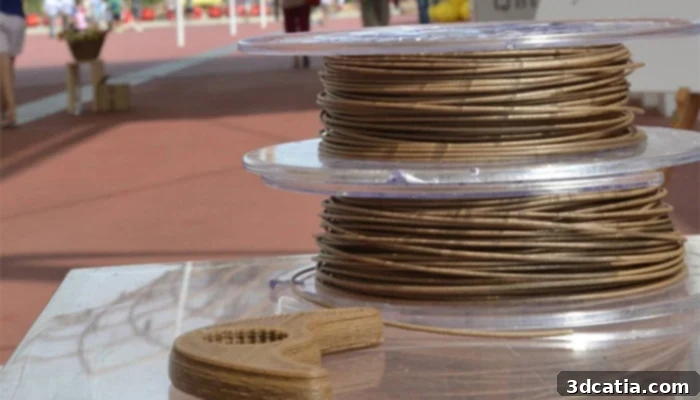
Kanèsis’ HempBioPlastic or HBP®
Practical Guide: How to Print with Hemp 3D Printer Filament
One of the most appealing characteristics of hemp 3D printer filament is its user-friendly nature, making it accessible even for those relatively new to printing with specialty materials. The general printing properties of most hemp filaments closely resemble those of standard PLA, a widely used and easy-to-print material. In fact, many users find it even more forgiving to print with. Depending on the specific producer and filament formulation, hemp filament can often be printed at temperatures slightly lower than typical PLA, sometimes by as much as 10°C, generally falling within a nozzle temperature range of 190°C to 220°C. This lower temperature requirement can reduce energy consumption and minimize potential issues like stringing. A significant advantage for indoor users is that hemp filament is virtually odorless during printing, providing a more pleasant experience in smaller workshops or home environments compared to some other plastics that emit strong fumes. Furthermore, hemp filament exhibits low-warp characteristics, meaning it is less prone to curling or lifting off the print bed during cooling. This low-warp property often eliminates the need for a heated print bed altogether, simplifying the printing setup. However, if a heated bed is available, an optimal temperature setting around 45°C can further improve adhesion and print quality, especially for larger objects. Adhesion to common surfaces like blue painter’s tape, PEI sheets, or glass with an adhesive spray is generally excellent.
Given its ease of use and similar handling to PLA, hemp 3D printer filament can be utilized in a vast array of applications. Its biodegradable attributes make it an excellent choice for daily prototyping, where numerous iterations might be printed and discarded. It’s also ideal for educational projects, experimental designs, and any endeavor where the environmental impact is a primary concern. Since many hemp filaments are uncolored or feature natural hues, they are perfectly suited for projects where a specific, natural look or texture is desired, rather than vibrant colors. Beyond prototyping, hemp filament can create beautiful and functional end-use parts. Its unique visual aesthetic, often characterized by subtle speckles of hemp fiber, provides a distinctive organic feel that cannot be replicated by traditional plastics. While it is currently often found as a hybrid filament, combining hemp fibers with a polymer base, the resulting material rarely has the exact same smooth, uniform texture of pure PLA. Instead, it offers a more tactile and visually interesting finish, making it particularly valuable for artistic prints, decorative objects, and products where a natural, eco-friendly appearance is a key design element. When using hemp filament, it’s advisable to use a standard or slightly larger nozzle diameter (e.g., 0.4mm or 0.6mm) to minimize any potential for clogging from the natural fibers, though modern formulations are generally quite refined.
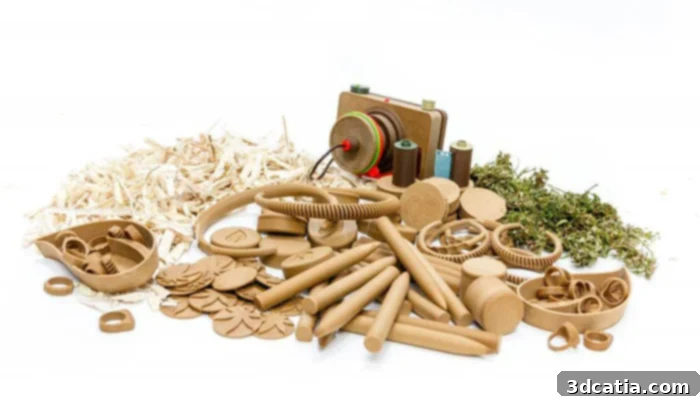
The price of hemp 3D printer filament can vary significantly from one producer to another, reflecting factors such as the purity and percentage of hemp material, research and development costs, and the scale of production. For instance, Kanèsis typically sells their HBP and Weed filaments for approximately $37 for a 500g spool. 3D4MAKERS offers their hemp filament at a comparable per-kilogram price point, with a 750g spool retailing for around $48. On the higher end of the spectrum, 3Dfuel’s ‘Entwined’ hemp filament might be priced around $45.99 for a 500g spool. These price differences are influenced by the specific sourcing of industrial hemp, the proprietary blending and extrusion processes, and the overall business model of each company. As the market for bio-filaments matures and production scales increase, it is anticipated that prices may become more competitive, making these sustainable options even more accessible to the broader 3D printing community. Despite the current variations, the long-term environmental benefits and unique aesthetic qualities often justify the investment for users committed to sustainable additive manufacturing practices.
To further illustrate the potential and characteristics of this material, 3Dfuel has created a short video introducing the concept of hemp 3D printer filament:
While a variety of bio-filaments are already available on the market, the journey towards truly sustainable and widely adopted 3D printing materials is still in its early stages. Both established industry giants and agile startups will continue to invest in research, develop, and refine their products, pushing the boundaries of what’s possible with natural composites like hemp. The unique combination of hemp’s ecological benefits, its remarkable strength-to-weight ratio, and its inherent biodegradability positions it as a key material for the future of additive manufacturing. It offers a tangible pathway towards reducing the environmental footprint of 3D printing, enabling creators to produce objects that are not only functional and aesthetically pleasing but also responsible. What are your thoughts on the promise and future of hemp 3D printer filament? We invite you to share your insights and experiences in a comment below or join the conversation on our Facebook and Twitter pages! And don’t forget to sign up for our free weekly Newsletter to receive all the latest news on advancements, groundbreaking research, and inspiring entrepreneurs in the dynamic world of 3D printing, delivered directly to your inbox!