
Unlocking Sustainable Additive Manufacturing: AMGTA’s Groundbreaking Research on Metal Feedstock Energy Efficiency
In recent years, the landscape of additive manufacturing has witnessed an escalating and critical focus on sustainability. This intensified attention is not merely a fleeting trend but a fundamental shift, propelled by the synergistic efforts of pioneering industry leaders and influential organizations like the Additive Manufacturer Green Trade Association (AMGTA). This commitment to eco-conscious practices is reshaping how we view and implement 3D printing technologies across various sectors. Just last week, a pivotal research study emerged, offering profound insights into the intricate equilibrium required between energy consumption, overall environmental impact, and the imperative for manufacturing efficiency within the rapidly evolving additive manufacturing ecosystem. This study underscores the complex challenges and promising opportunities in making AM truly green.
The AMGTA, a formidable and dedicated force in the rigorous testing, promotion, and advocacy of environmentally beneficial AM practices, recently unveiled the highly anticipated initial results of its comprehensive new study, succinctly titled “Specific Energy of Metal AM Feedstock: A Comparison.” This crucial research, undertaken through an impactful partnership with the esteemed research consultancy Syntec Associates and the renowned industry innovator Divergent Technologies, meticulously delved into the varying energy requirements associated with diverse metal AM feedstock processing approaches. Understanding these energy demands is paramount for developing more sustainable production chains. The findings from this collaborative effort promise to guide manufacturers toward more energy-efficient and environmentally responsible choices, thereby steering the entire additive manufacturing industry towards a greener future. By shedding light on the energy footprint of different feedstock production methods, the AMGTA is empowering stakeholders with the knowledge needed to make informed decisions that benefit both their operations and the planet.
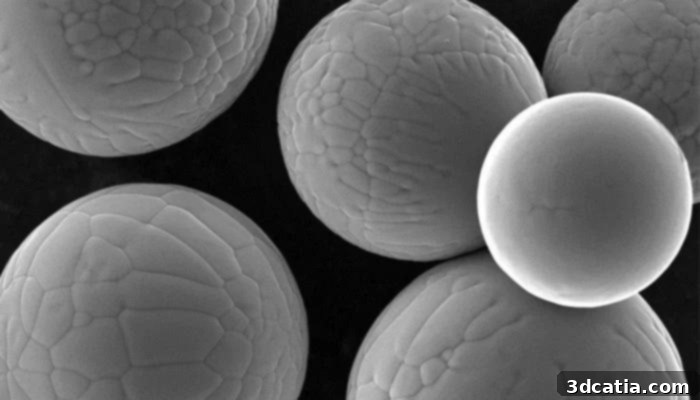
Powder is one of the main obstacles to the development of metal additive manufacturing
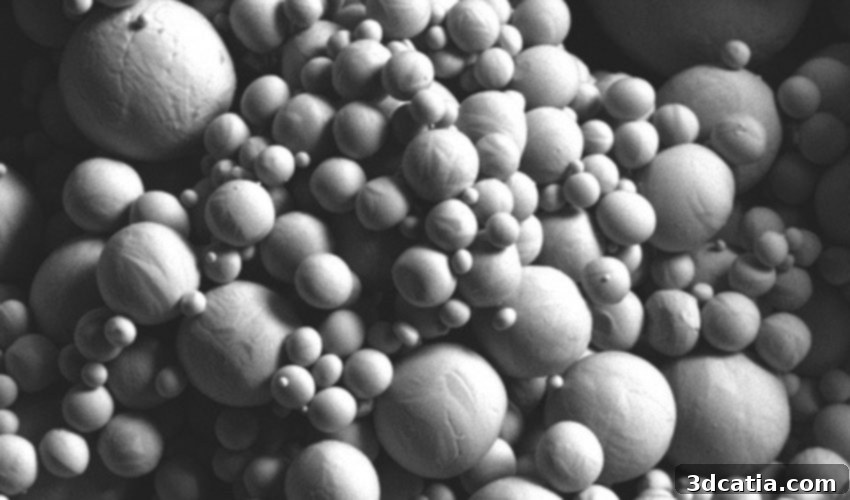
The study meticulously evaluated several key methods employed in the production of metal AM feedstock. Among these, gas atomization, mechanical milling (with a specific focus on ball milling), and wire drawing emerged as the primary processes central to the discussion on sustainable feedstock production. Each method presents unique advantages and inherent challenges concerning energy efficiency and environmental impact. Gas atomization, a widely utilized technique often lauded for its capacity to produce high-quality, spherical metal powders suitable for various AM processes, found itself under considerable scrutiny within the study. While it holds significant potential, the research revealed significant criticism due to the wide and often unpredictable variations in its reported energy consumption. The study went further, meticulously detailing the complex interplay of several critical factors that influence energy consumption during gas atomization, including the specific material properties of the metal being atomized, the choice of inert gas used in the process (e.g., argon, nitrogen, helium), and a myriad of process parameters such as melt temperature, gas pressure, and nozzle design. These variables collectively contribute to the substantial differences in energy usage, highlighting the need for optimization and standardization to enhance its sustainability profile. The findings suggest that while gas atomization is effective, its energy efficiency is far from uniform, demanding a more nuanced understanding and targeted improvements.
In stark contrast to the variability observed in gas atomization, mechanical milling, a robust process fundamentally associated with precise particle size reduction, showcased highly promising potential as a significantly more energy-efficient alternative within the realm of additive manufacturing feedstock production. This method, which involves physically breaking down materials rather than melting and atomizing them, demonstrated notable advantages. The AMGTA study specifically highlighted substantial improvements in specific energy consumption—a crucial metric representing the amount of energy required to produce a specific quantity of material—with mechanical milling, particularly evident in the ball milling process. Ball milling, a common form of mechanical milling, utilizes impact and attrition forces from grinding media to reduce particle size. Two key and impactful findings emerged from this portion of the AMGTA study: firstly, the research confirmed that harder materials, by their very nature, necessitate a greater expenditure of energy to achieve desired particle breakdown during the ball milling process. This is intuitive, as more robust material bonds require more force to overcome. Secondly, and perhaps even more critically for manufacturers, the study revealed that the pursuit of producing finer particles, which are often desirable for higher-resolution 3D printing, demands a significantly escalated amount of energy. This is due to the exponential increase in surface area and the corresponding work required to create smaller, more numerous particles. These insights provide valuable guidance for optimizing feedstock production, allowing manufacturers to balance particle size requirements with energy efficiency considerations, ultimately driving forward more sustainable practices in metal additive manufacturing.
Beyond the well-known powder production methods, wire drawing, a manufacturing technique often inadvertently overlooked or underappreciated in broader discussions concerning AM feedstock production, emerged as a surprisingly critical player in the ongoing sustainability narrative. Unlike powder-based methods, wire drawing involves continuously pulling a metal rod or wire through a series of progressively smaller dies, reducing its diameter and increasing its length without melting the material. The AMGTA study prominently underscored the material-dependent characteristics inherent to wire drawing, revealing how factors such as the ductility, tensile strength, and alloy composition of the metal significantly influence the energy required for the drawing process. More importantly, the research highlighted its remarkable potential for substantially reducing overall energy consumption when compared to more traditional, energy-intensive methods of feedstock production, particularly those involving melting and atomization. This efficiency stems from the fact that wire drawing is primarily a mechanical deformation process, which typically consumes less energy per unit of material compared to phase-change processes. The reduced number of processing steps, minimal material waste, and the direct conversion of bulk material into a usable wire form contribute to its advantageous energy profile. As wire-based additive manufacturing processes, such as Wire Arc Additive Manufacturing (WAAM) and Directed Energy Deposition (DED) using wire, gain traction, the sustainability benefits of wire drawing become even more pronounced. This recognition of wire drawing as an energy-efficient alternative encourages broader exploration and adoption of wire-based AM technologies, offering a greener pathway for certain applications within the additive manufacturing landscape.
Further extending its comprehensive analysis, the study meticulously investigated the impact of various inert gases used in the gas atomization process, finding compelling differences in their energy footprints. Specifically, the research highlighted that while gas atomization generally presents several challenges regarding overall energy consumption, the use of helium as the atomization gas boasts a notable and significant decrease in specific energy consumption when compared to other common alternatives like argon and nitrogen. Argon, often considered the second most efficient gas for this purpose, still lags behind helium in terms of energy performance. This superior efficiency of helium can be attributed to its unique thermophysical properties: helium possesses exceptionally high thermal conductivity and low density. These characteristics allow for more rapid cooling of the molten metal droplets during atomization, which translates to a reduced need for energy input to achieve the desired powder characteristics. Faster cooling means the atomization process can be completed more quickly or with less intensive energy parameters. Furthermore, the lower density of helium requires less energy to circulate the gas within the atomization chamber. Brian R. Neff, the distinguished Board Chair of AMGTA, eloquently elaborated on these profound findings, stating:
“A primary, overarching goal of the AMGTA is to rigorously educate the consumer and industry stakeholders on the most sustainable and environmentally responsible methods of production available within the entire additive supply chain. This important and meticulously conducted piece of research provides invaluable guidance on precisely which methods of gas atomization require the least amount of specific energy per kilogram of produced material. It offers clear pathways for optimization within existing atomization processes. At the same time, and perhaps even more significantly, it definitively indicates to the broader market that mechanical production methods of powder feedstock, such as various forms of ball milling, are themselves inherently an order of magnitude better than gas atomization from a purely energy perspective. This revelation represents a paradigm shift, highlighting that fundamental process changes, beyond just gas selection, hold the key to truly transformative energy savings in metal AM feedstock production.”
Sherri Monroe, the highly regarded AMGTA Executive Director, further underscored the immense importance and far-reaching implications of this landmark study, stating, “These findings are absolutely vital as they highlight key considerations for manufacturers who are actively seeking environmentally friendly and energy-efficient feedstock production methods. To truly advance and embed sustainability deeply within additive manufacturing, robust, data-driven research is not merely beneficial but absolutely vital in order to empower industry professionals to make informed, strategic decisions. Without such foundational research, the path to a sustainable future in AM remains unclear and inefficient.” Her statement emphasizes the critical need for scientific inquiry to guide practical applications and ensure that sustainability initiatives are based on solid evidence. The study’s findings provide a clear roadmap for manufacturers to evaluate and adapt their feedstock production processes, fostering a more sustainable and responsible approach to metal additive manufacturing. These insights will undoubtedly spur further innovation and collaboration across the industry, driving the adoption of greener practices. To delve deeper into the comprehensive details of this groundbreaking study released by the AMGTA, interested parties are encouraged to click here.
The implications of the AMGTA’s research extend far beyond mere energy figures; they represent a fundamental call to action for the entire additive manufacturing industry. By providing concrete data on the energy efficiency of various feedstock production methods, the study empowers manufacturers to make strategic investments in processes that not only reduce their carbon footprint but also potentially lower operational costs in the long run. The preference for mechanical milling over gas atomization in certain contexts, and the significant energy savings offered by helium in atomization, are not just technical details; they are pathways to a more resource-efficient and environmentally responsible future for 3D printing. As the demand for additive manufacturing continues to grow across diverse industries—from aerospace and automotive to medical and consumer goods—the environmental impact of its supply chain will only become more scrutinized. This research provides a crucial framework for navigating these challenges, ensuring that the innovation inherent in AM is coupled with an unwavering commitment to sustainability. It underscores that true progress in manufacturing involves not only creating advanced products but doing so in a way that respects planetary boundaries. The AMGTA’s dedication to this cause serves as a beacon, guiding the industry towards practices that are both economically viable and ecologically sound.
What do you think about this pivotal study released by the AMGTA? We highly encourage you to share your valuable insights and opinions by letting us know in a comment below, or by engaging with us on our vibrant social media platforms, including our LinkedIn, Facebook, and Twitter pages! Your feedback is invaluable to fostering a robust discussion. Furthermore, to ensure you never miss out on the very latest advancements and breaking news in the exciting world of 3D printing, don’t forget to sign up for our completely free weekly newsletter here, delivered straight to your inbox! For an even more immersive experience, you can also find all our compelling videos, tutorials, and interviews on our dedicated YouTube channel, offering visual insights into the future of additive manufacturing. Join our community and stay ahead of the curve!