
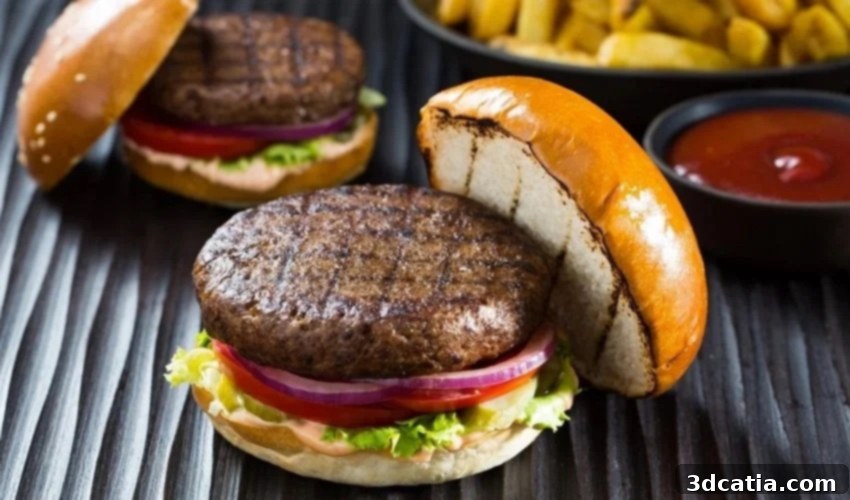
Revolutionizing Gastronomy: The Rise of Personalized 3D Printed Food and Tailored Taste Experiences
Consumer behavior has undergone a profound transformation over the past few decades, impacting industries from fashion and automotive to, perhaps most significantly, the food sector. Contemporary trends such as the widespread adoption of veganism, a growing emphasis on sustainability, and a holistic drive towards healthier eating habits have become increasingly prevalent. This shift has ignited a demand for food products that cater to highly individual preferences and dietary needs. In response, a wealth of new possibilities in food production is emerging, greatly facilitated by cutting-edge technologies like additive manufacturing, commonly known as 3D printing. Beyond catering to personal tastes, this innovative approach also presents a powerful tool for controlling global food waste and ensuring the safety and quality of food products. Recognizing this immense potential, the esteemed Eindhoven University of Technology has keenly invested its research efforts into the exciting field of 3D printed food.
Imagine a culinary experience where every single bite of a food item, such as a meticulously crafted cookie, delivers a distinct flavor and texture sensation, completely different from the last. This intriguing concept is no longer confined to the realm of speculative fiction; thanks to the advanced capabilities of 3D food printing, it is now entirely feasible to engineer unprecedented and truly personalized taste experiences. Our individual need for food is arguably one of the most subjective and fundamental human requirements. Our personal preferences, cultural backgrounds, and critical health aspects play a major role in what we choose to consume. As we are already familiar with from various other 3D printing projects, the production process in food printing also involves applying edible material layer by layer. However, according to the pioneering Dutch research team at the Eindhoven University of Technology, this technology not only enables the creation of visually unique and delicious dishes but also provides the revolutionary possibility of altering the mechanical properties of our food from its very foundation, opening doors to truly bespoke culinary creations tailored to individual sensory desires.
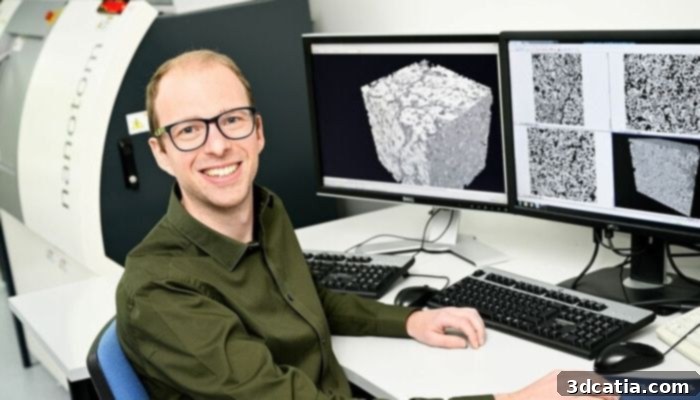
Nicky Jonkers has been working on the personalized production of food as part of his doctoral project (photo credits: Bart van Overbeeke)
The Science Behind Personalized Meals: Harnessing SLS Technology for 3D Printed Food
At the forefront of this culinary innovation is Dr. Nicky Jonkers’ impactful Ph.D. project, which meticulously explores the application of Selective Laser Sintering (SLS) technology to produce individual and innovative food products. The primary goal of this ambitious research is to achieve unparalleled customization of food’s textural properties, thereby entirely redefining and enriching the consumer’s eating experience. To meticulously realize this goal and consistently achieve the desired textural characteristics, Dr. Jonkers’ team rigorously manipulates various process conditions within the SLS printing cycle. Simultaneously, they conduct extensive characterization of the food’s microstructure and its mechanical properties. This dual approach allows for precise control over the final product’s attributes. Through this meticulous investigative work, Jonkers has successfully established critical process-property relationships, which are indispensable for fulfilling the project’s ambitious targets and delivering on the promise of truly personalized food.
Selective Laser Sintering (SLS) is a sophisticated powder-bed fusion additive manufacturing technique traditionally employed in industries working with polymers and metals. In the context of food, edible powders—which can range from finely milled sugar to protein isolates, starches, or other powdered food ingredients—are selectively fused together by a laser. This method offers exceptional control over the internal structure and porosity of the printed object. By meticulously varying critical parameters such as laser power, scan speed, and the thickness of each powder layer, researchers can precisely dictate how dense or porous the final food structure will be. This granular level of control is paramount for manipulating attributes like crispiness, chewiness, and how a food item dissolves or melts in the mouth. For instance, a denser structure might result in a harder, crunchier bite, while a more porous structure could yield a delicate, melt-in-your-mouth sensation or a fine crumbly texture. This precision engineering of texture holds profound implications for individuals with specific dietary requirements, those with chewing or swallowing difficulties, or simply for culinary enthusiasts seeking entirely new sensory experiences from their meals.
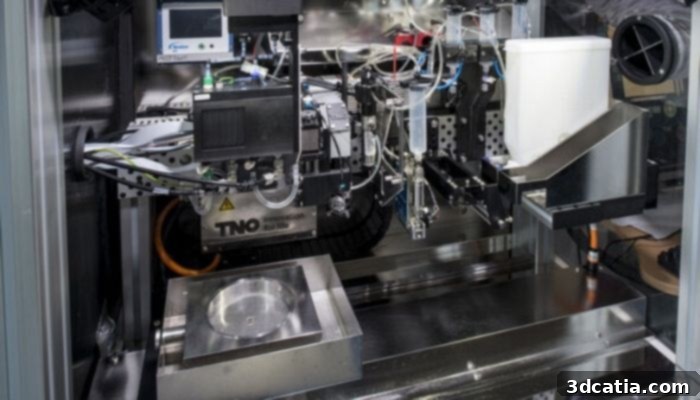
One of the SLS-based 3D printers used by Jonkers (photo credits: TNO)
The Broader Implications: Benefits and Future Outlook of 3D Printed Food
The implications of personalized 3D printed food extend far beyond merely creating novel taste experiences; this technology holds immense potential to address several pressing global challenges. Firstly, it allows for unparalleled dietary customization, catering precisely to individuals with specific needs such as allergies, intolerances, chronic health conditions (like diabetes or dysphagia), or even athletes requiring precise macronutrient and micronutrient ratios for optimal performance. Imagine a meal perfectly calibrated to your body’s unique requirements at any given moment. Secondly, 3D food printing can significantly contribute to global food waste reduction. By printing only the exact quantity of food needed, and potentially utilizing unconventional or underused ingredients, the amount of waste generated during food preparation and consumption can be dramatically minimized. Furthermore, this technology opens new avenues for incorporating sustainable protein sources, plant-based alternatives, and even recycled food streams, fostering a more circular and environmentally friendly food economy. It also presents unique opportunities for food fortification, allowing essential vitamins, minerals, and other beneficial compounds to be embedded directly into customized meals, which could be particularly impactful in regions facing nutritional deficiencies.
While the promise of 3D printed food is vast and exciting, several challenges remain before widespread adoption. These include scaling up production for mass markets, reducing the cost of specialized food-grade printers and edible ink materials, and navigating complex regulatory frameworks for novel food products. Consumer acceptance is another critical factor; convincing people to embrace food created by machines rather than traditional cooking methods requires a significant cultural shift and robust education about the safety and benefits of the technology. However, the trajectory of this innovation points towards a future where personalized food becomes increasingly common and integrated into our daily lives. We might envision specialized 3D food printers in high-end restaurants offering bespoke dining experiences, in hospitals providing nutritionally tailored meals for patients with complex dietary needs, or even in homes, allowing individuals to print their own custom snacks and meals on demand with unprecedented convenience. The ongoing, groundbreaking research at institutions like Eindhoven University of Technology is steadily overcoming these hurdles, paving the way for a truly revolutionary transformation in how we produce, consume, and experience food. This convergence of engineering precision and culinary artistry is set to redefine our plates and enhance our palates in the coming decades, offering not just meals, but meticulously designed and personalized sensory experiences.
Would you be curious to try 3D-printed, customized, and potentially completely new-tasting food? We’d love to hear your thoughts! Let us know in a comment below or connect with us on our LinkedIn, Facebook, and Twitter pages! Don’t forget to sign up for our free weekly Newsletter here, to get the latest 3D printing news straight to your inbox! You can also find all our videos and fascinating insights on our YouTube channel for more immersive content.