
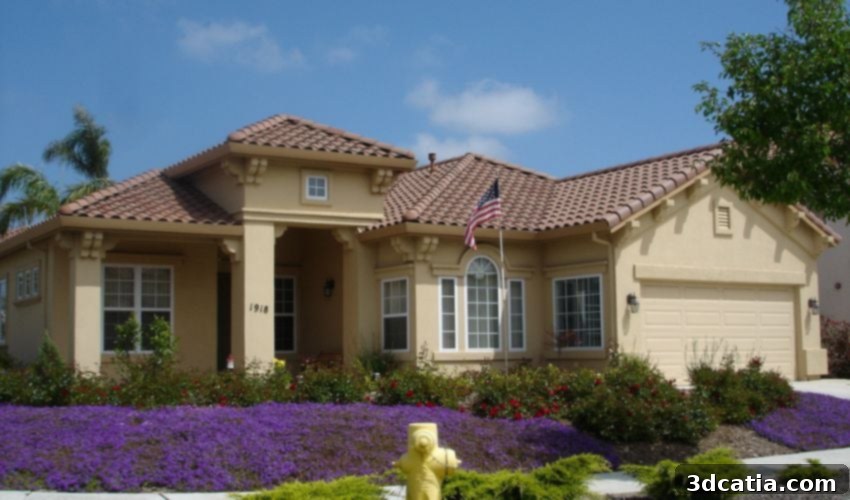
Montana Leads the Way: Broad Regulatory Approval for 3D Printing in Construction Signals a New Era for Building
In a landmark decision that is set to reshape the landscape of the American construction sector, building code regulators from the Department of Labor & Industry in Montana have granted comprehensive regulatory approval for the use of 3D printing in construction. This makes Montana the first state in the United States to officially recognize 3D printed walls as a direct and equal replacement for walls constructed using traditional concrete masonry units (CMUs). This groundbreaking approval stemmed from an initiative by Tim Stark, a forward-thinking contractor based in Billings, Montana, who championed the integration of advanced 3D printing construction technologies developed by the Florida-based innovator, Apis Cor. This significant recognition of additive manufacturing (AM) technologies marks a pivotal step, paving the way for its wider acceptance and establishment within the demanding American building industry.
The concept of utilizing concrete 3D printing to construct entire houses might already be familiar to many. Indeed, numerous projects involving 3D printed homes have been successfully completed across the globe, showcasing the immense potential of this technology. However, despite these impressive demonstrations, 3D printing in construction has yet to fully cross the threshold into widespread adoption, often still viewed as a niche alternative rather than a serious contender to conventional building methods. The primary challenge has been the lack of standardized regulatory frameworks and broad governmental approvals. With the recent developments in Montana, the aspiration of 3D printing becoming a mainstream reality in home construction appears much closer and more tangible than ever before, promising to accelerate its integration into daily building practices.
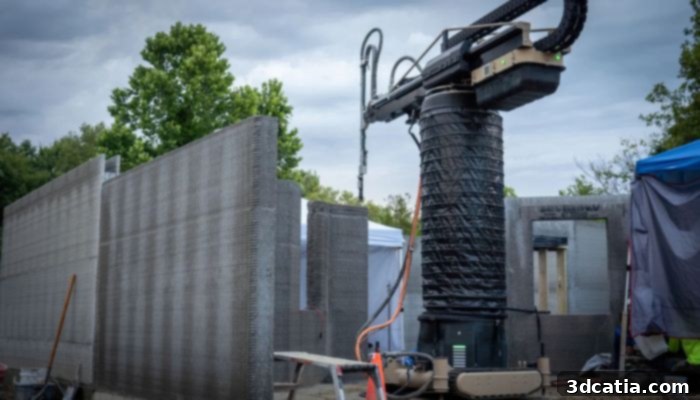
A concrete 3D printer for 3D printed walls by Apis Cor (photo credits: Apis Cor)
Catalyzing Innovation: Tim Stark’s Vision for Sustainable Housing in Montana
The initial drive to submit this crucial application to Montana’s Department of Labor & Industry originated from Billings native Tim Stark. His vision was born from a desire to address growing housing needs and explore more efficient construction methods. Stark began exploring 3D printing technologies for an ambitious new housing development project he had planned for the city of Billings and potentially other areas within the state. He meticulously evaluated additive manufacturing for its compelling advantages over traditional construction. Chief among his motivations was the potential to significantly reduce production costs. Stark anticipates that by opting for AM, he could cut building expenses by up to 30% compared to houses constructed with conventional concrete blocks or wood framing. This substantial cost saving is not merely theoretical; it promises to make housing more affordable and accessible for a broader segment of the population.
Beyond the immediate financial benefits, the 3D printing method offers several other critical advantages. It dramatically increases the speed of production, allowing builders to erect structures in a fraction of the time required by manual labor. This accelerated pace is crucial for boosting housing supply at a much faster rate, directly confronting the acute housing shortages impacting many regions, including Montana. Furthermore, 3D printing contributes to environmental sustainability by reducing construction waste and potentially allowing for the use of more localized and eco-friendly materials. The precision and automation inherent in 3D printing also lead to higher quality control and consistency in construction, reducing the margin for human error and ensuring structural integrity. Stark’s initiative is not just about building houses; it’s about pioneering a more economical, efficient, and environmentally responsible approach to construction.
Apis Cor: Pioneering Technology Meets Strict Regulations
To bring his vision to life, Tim Stark partnered with Apis Cor, a Florida-based company renowned for its innovative approach to construction 3D printing. Apis Cor has already garnered international recognition, most notably for constructing a spectacular 3D-printed building in Dubai. This achievement not only showcased the company’s advanced capabilities but also earned them a coveted entry in the Guinness Book of World Records for the largest 3D-printed building globally. This feat of engineering and design underscored Apis Cor’s ability to execute large-scale, complex projects with precision and efficiency, building trust and credibility within the nascent industry.
What truly sets Apis Cor apart, and made them the ideal partner for Stark’s endeavor in a highly regulated environment like Montana, is their rigorous commitment to compliance. Apis Cor is distinguished as one of the few, if not the only, construction companies to date that has designed 3D-printed walls specifically engineered to meet stringent international building codes. This focus on regulatory alignment was paramount for Stark, especially given Montana’s strict construction regulations. The path to approval was comprehensive and demanding; Stark was required to submit an extensive dossier of documents, detailed specifications, and thorough testing reports, all meticulously developed and provided by Apis Cor. These submissions demonstrated the structural integrity, material performance, and safety of their 3D printed wall systems, assuring regulators that these innovative structures meet or exceed established safety standards. The official reception of this permission represents a monumental milestone, not only for Stark and Apis Cor but for the entire construction 3D printing industry seeking broader acceptance.
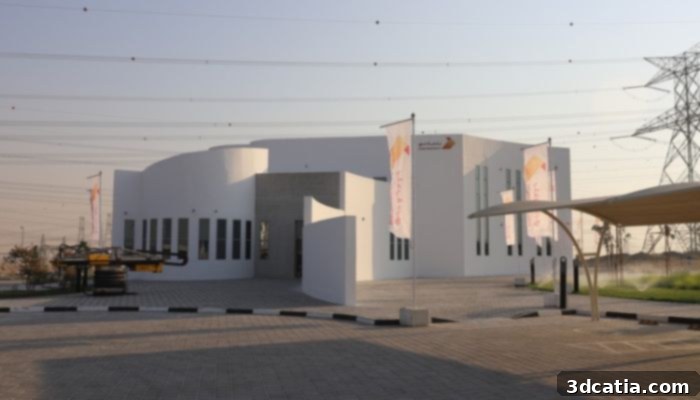
Apis’ world record earning Dubai house (photo credits: apis cor)
Beyond Walls: Broader Impact and Future Prospects of Construction 3D Printing
Tim Stark expressed immense satisfaction with the decision made by Montana’s regulators, stating, “In so many states, regulations are getting in the way of building more homes. I’m proud of my home state of Montana for being so forward-thinking and leading the way with this approval of 3D printing as a modern construction method on par to CMU block construction, which opens the door instead of closing it.” His sentiment highlights a critical challenge facing the nation: the pervasive housing crisis. Montana, like many interior states in the U.S., has been severely impacted by this national issue, struggling to provide sufficient affordable housing options for its growing population. The proactive stance of the Department of Labor & Industry to recognize 3D printed walls as a legitimate and viable option to construct homes is far more than a mere technicality; it is a declaration that innovation can and should play a central role in solving pressing societal problems.
This landmark decision could very well mark the beginning of a new era for 3D printed house construction, not just within Montana but potentially across the entire United States. As other states observe Montana’s successful integration of this technology, it is expected to inspire similar regulatory reviews and approvals. This ripple effect could dramatically accelerate the adoption of 3D printing, fostering a nationwide movement towards more efficient, sustainable, and affordable housing solutions. The benefits extend beyond addressing the housing crisis. Construction 3D printing promises greater design flexibility, allowing architects to create more complex and aesthetically pleasing structures that might be cost-prohibitive with traditional methods. It also promotes safer construction sites due to increased automation and reduced manual labor in hazardous environments. Furthermore, the technology’s ability to use local materials and reduce transportation costs contributes to a smaller carbon footprint, aligning with global efforts towards sustainable development.
A Model for Progressive Regulation and Sustainable Development
The approval in Montana serves as a powerful model for how progressive regulatory bodies can embrace technological advancements while ensuring public safety and structural integrity. By thoroughly reviewing Apis Cor’s documentation and testing reports, Montana’s Department of Labor & Industry has demonstrated that rigorous oversight and open-mindedness can coexist. This approach encourages innovation, stimulates economic growth, and provides viable solutions to complex problems like housing shortages. The focus on comprehensive testing and compliance, rather than outright rejection due to novelty, sets a precedent for other industries and technologies seeking regulatory acceptance. It underscores the importance of a collaborative effort between innovators, contractors, and government agencies to push the boundaries of what is possible in construction.
Looking ahead, the implications of Montana’s decision are vast. It paves the way for a more diverse construction workforce, with new skills needed for operating and maintaining 3D printing machinery. It could also lead to new supply chains for specialized printing materials and equipment, fostering further economic development. Moreover, as 3D printing becomes more widespread, economies of scale will likely drive down costs even further, making this construction method even more competitive. The promise of rapidly deployable, durable, and affordable housing has significant potential for disaster relief efforts, providing quick shelter in emergencies. Ultimately, Montana’s bold step reinforces the idea that smart, forward-thinking regulation is not an impediment to progress but a necessary catalyst for a more innovative, efficient, and sustainable future for the built environment. You can learn more about this groundbreaking approval in the press release HERE.
What are your thoughts on Montana’s pioneering approval of 3D printing in construction? Do you believe this will accelerate the adoption of additive manufacturing in the building industry across the U.S.? Share your insights in a comment below or join the conversation on our LinkedIn, Facebook, and Twitter pages! Don’t forget to sign up for our free weekly Newsletter here to receive the latest 3D printing news directly in your inbox! You can also find all our videos on our YouTube channel.
*Cover Photo Credits: BrendelSignature