
Alveo3D: Pioneering Advanced Air Filtration for Safer 3D Printing Environments
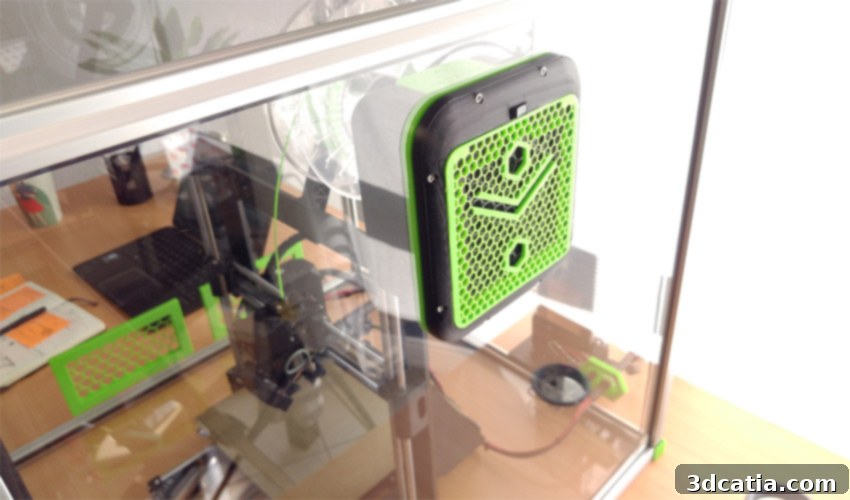
Alveo3D, an innovative young French company, is at the forefront of developing sophisticated nanoparticle filtration systems specifically designed for 3D printers. Their core mission is to significantly mitigate the health risks associated with toxic emissions released by these machines, especially when operated in poorly ventilated environments. The long-term exposure to these airborne particles can pose serious dangers to user health, making effective air purification an increasingly critical concern for hobbyists, professionals, and educational institutions alike. Alveo3D’s solution involves compact, high-performance filters integrated into custom-designed enclosures, all expertly crafted from 3D printed plastic elements. These systems are now conveniently available as DIY kits or ready-to-use units, with enclosures that can be precisely customized to fit a wide range of 3D printer sizes. To delve deeper into these essential solutions, we had the opportunity to speak with Lucas Martini, the visionary CEO of Alveo3D, who shared insights into the company’s journey and technological advancements.
3DN: Can you introduce yourself and your link to 3D printing?

Lucas Martini
My name is Lucas Martini, and I represent Flexee System, the parent company driving the Alveo3D project, which is dedicated to tackling the pervasive issue of toxic emissions generated by 3D printers. Our journey began back in 2018, fueled by a shared passion and a collective recognition of an unmet need in the additive manufacturing space. Our team consists of three dedicated partners: myself, focusing on the strategic vision and business development; Victor, an accomplished industrial product designer who translates concepts into functional, aesthetically pleasing solutions; and Laurent, our talented developer who brings the technological infrastructure to life. For us, 3D printing is not just a hobby; it has become an indispensable and essential tool within our arsenal, fundamental for the rapid prototyping of our various models and demonstrators. Its versatility and speed have allowed us to iterate and innovate at an unprecedented pace, but this extensive use also illuminated the potential hazards, which ultimately led to the genesis of Alveo3D.
3DN: Why did you create Alveo3D?
Our extensive reliance on 3D printers, often in confined spaces such as our workshop or even directly at home, quickly brought us face-to-face with the potential dangers these machines could pose. We personally experienced uncomfortable symptoms, including throat and eye irritation, coupled with the distinct and often worrying smell of melted plastic. These anecdotal observations weren’t isolated; we soon learned that many fellow makers reported similar symptoms, particularly when working with popular thermoplastics like ABS or HIPS. The severity of these issues often escalated in smaller, less ventilated areas, where concentrations of airborne pollutants could build up rapidly. Online forums were replete with similar accounts, with some users even attempting to devise their own rudimentary, home-made filter solutions, underscoring a widespread, yet unaddressed, problem in the 3D printing community.
Indeed, during the 3D printing process, users can be exposed to two primary categories of harmful emissions: Volatile Organic Compounds (VOCs) and nanoparticles. This realization was the catalyst that convinced us to equip our own 3D printers with a dedicated filtration system. Understanding the nature of these emissions is crucial. Toxic emissions linked to VOCs represent a significant long-term risk, with potential chronic health effects. While these pollutant emissions are often released in relatively low concentrations into the ambient air, the regular and prolonged presence of an operating 3D printer can lead to cumulative exposure that becomes genuinely harmful. Consequently, whenever 3D printers are utilized in poorly ventilated spaces, the insidious accumulation of both nanoparticles and VOCs can escalate into a serious air quality and health risk.
The dangers associated with VOCs are well-documented and widely recognized by industrial health and safety bodies, as well as air quality authorities worldwide. Certain gases emitted by various thermoplastics are known carcinogens or possess other severe toxic properties. Even seemingly benign materials like PLA, despite its natural base, can become problematic due to the quantity and type of additives incorporated to enhance its mechanical or aesthetic properties, rendering it potentially toxic. Other filaments, such as POM (Polyoxymethylene), naturally release formaldehyde, a known irritant and carcinogen, posing a risk even simply upon opening the sealed filament bag. For nanoparticles, the risk profile is arguably even more concerning, though perhaps less definitively quantified in some contexts. These incredibly tiny particles, measured in nanometers, are small enough to bypass the body’s natural defenses and can penetrate deep into the lungs, enter the bloodstream, and potentially accumulate in various organs and even the brain, where they are exceptionally difficult for the human body to eliminate. This intrinsic difficulty in clearance makes them a particularly insidious threat to long-term health.
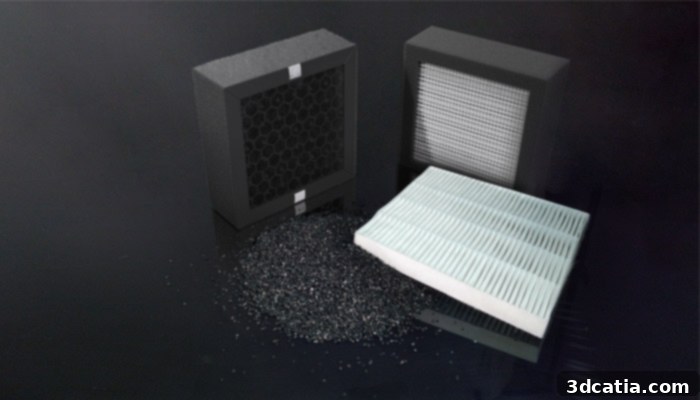
To effectively combat these dual threats, the CNRS (French National Centre for Scientific Research) recommends a dual-stage filtration approach: utilizing a HEPA (High-Efficiency Particulate Air) filter to capture nanoparticles and activated carbon to adsorb VOCs. Our initial market research revealed a surprising scarcity of dedicated 3D printing filtration solutions priced under 150 euros, especially those that comprehensively addressed both types of emissions. While many makers had indeed crafted their own air filtration systems, often attaching them directly to their printer enclosures to draw in and purify air before it dispersed, these DIY solutions lacked standardized performance and reliability. This gap in the market further solidified our resolve to develop a robust, accessible, and scientifically validated solution.
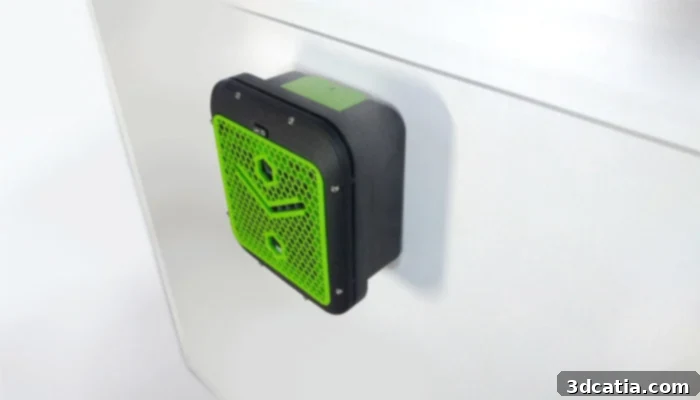
Our first prototype filtration system was indeed a handcrafted solution, a direct response to our immediate needs. It comprised a basic HEPA filter, a quantity of activated carbon granules, and a custom 3D printed model designed to precisely position these components within our printer enclosure. The initial results were highly encouraging, providing a noticeable improvement in air quality. However, we were driven by a desire for certainty – to ensure we were not just mitigating, but effectively neutralizing, all forms of toxic emissions. What began as a simple accessory for our 3D printer rapidly evolved into a comprehensive research and development project. We meticulously mapped the risks associated with the majority of gases and particulate matter that could be encountered during 3D printing. We synthesized findings from numerous scientific studies on nanoparticle releases and quickly recognized that effectively treating elements on the scale of mere tens of nanometers would necessitate extensive further development and specialized engineering. This deep dive into the science of air purification became the cornerstone of Alveo3D’s development.
Over a period of three to four intense months, we rigorously tested dozens of filter configurations within our development boxes. This iterative process involved close collaboration with both European and Chinese manufacturers, allowing us to source and evaluate various filter media and components. Our goal was to pinpoint the optimal combination of materials and design that could effectively treat both VOCs and nanoparticles with high efficiency. Throughout this demanding development phase, a core principle guided our efforts: we wanted our final solution to remain universally accessible to all 3D printer users. We firmly believe that the inherent dangers posed by these emissions do not differentiate between an entry-level hobbyist machine and a professional-grade industrial model. Safety, we contend, should not be a luxury, but a fundamental right for anyone engaging with 3D printing technology.
3DN: How do Alveo3D air filters work?
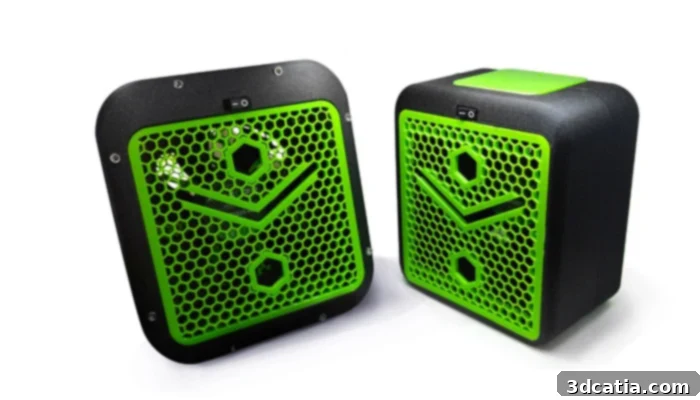
Alveo3D filter boxes are ingeniously designed with user-centric principles in mind. They are engineered to be 3D printed, facilitating customizability and localized production, while ensuring straightforward assembly and effortless replacement of filter cartridges. Each unit integrates a powerful, high-pressure fan with a meticulously engineered filter cartridge, specifically optimized to combat the harmful emissions inherent in FDM (Fused Deposition Modeling) 3D printing. This advanced filtration system features a multi-stage approach: a crucial activated carbon layer effectively treats a broad spectrum of Volatile Organic Compounds (VOCs), capturing gaseous pollutants through adsorption. Complementing this, a high-efficiency particulate filter, meeting or exceeding HEPA standards, is responsible for trapping ultrafine nanoparticles, preventing them from being released into the ambient air. This comprehensive design ensures that both gaseous and particulate threats are addressed simultaneously.
A common inquiry we receive pertains to the life cycle and longevity of our filters. The precise lifespan, however, is influenced by a multitude of factors, primarily the cumulative printing time, the specific type of filament being used, and the extrusion temperature employed. As a prudent and conservative measure, we recommend replacing the filter cartridge after approximately 600 hours of active use. This recommendation is predominantly linked to the activated carbon component. Over time, as it adsorbs more VOCs, the activated carbon gradually becomes saturated. Once saturated, its capacity to capture new VOCs diminishes significantly, allowing them to pass through unfiltered. Therefore, regular filter replacement before reaching this saturation point is paramount to maintaining effective air purification. To provide a practical reference, 600 hours of filtration typically translates to a replacement schedule of roughly once every six months for printers used occasionally, and a more frequent change, approximately every three months, for printers that operate regularly or continuously.
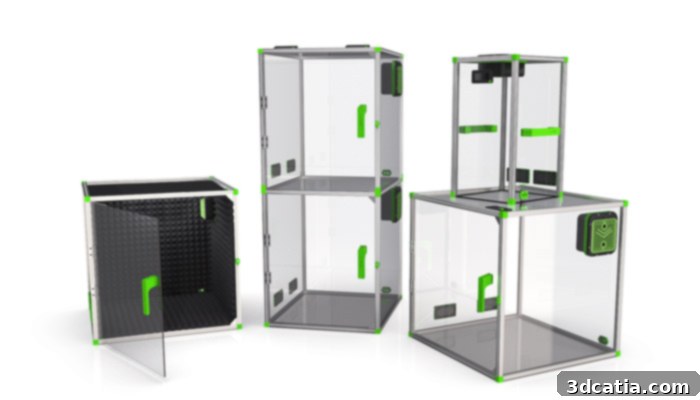
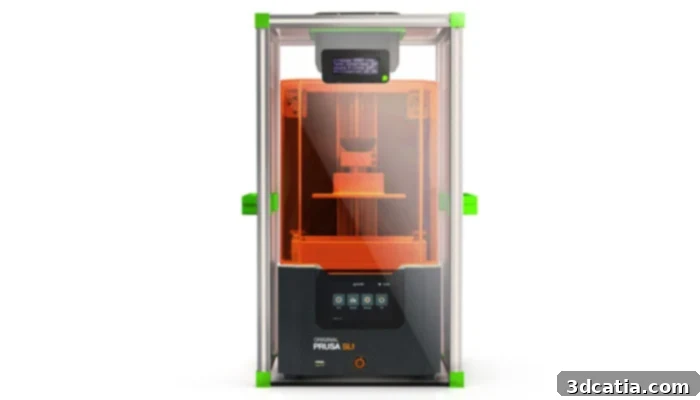
Our filtration systems are designed for seamless integration with a 3D printer enclosure, which itself is an indispensable tool for optimizing the 3D printing experience. An enclosure serves multiple critical functions: it provides enhanced protection for your valuable equipment, significantly improves print success rates, especially with challenging plastics like ABS which are prone to warping, and substantially reduces the operational noise generated by the machine. Crucially, the enclosure ensures that all fumes and particulates are contained and drawn into the filtration system, even after the plastic has cooled down and off-gassing continues. Fundamentally, our enclosures combined with the filtration system achieve three core objectives: first, maintaining a stable ambient temperature within the print chamber, which is vital for consistent material extrusion; second, limiting the negative effects of warping by creating a controlled thermal environment; and third, comprehensively treating the air within the enclosure as a whole. We offer custom-made enclosures, precisely fabricated to suit the dimensions of virtually any printer model. These enclosures typically feature a robust common structure, often incorporating an aluminum frame combined with Plexiglas or polycarbonate facades for durability and visibility. Each box is equipped with our state-of-the-art filtration system, and we can further customize them with additional options tailored to meet the specific requirements and preferences of our diverse clientele.
Furthermore, as previously highlighted, all the plastic components integrated into our enclosures are themselves produced via 3D printing. This strategic choice provides us with unparalleled flexibility, enabling continuous technical improvements and rapid iterations based on user feedback and evolving research. It also allows for extensive customization of the final solution, ensuring that each system can be perfectly adapted to specific user needs and printer models. Our solutions are available in two convenient formats: as ready-to-assemble kits for those who enjoy a DIY approach, or as fully assembled, ready-for-use units for maximum convenience.
Currently, we have developed two distinct and highly effective filtration models to cater to varying operational needs. The alveoONE filtration model is designed for use with an enclosure that includes an air inlet and does not require a completely sealed environment. This system operates by drawing air into the housing, generating a slight vacuum, and then discharging thoroughly cleaned air into the room. This model is exceptionally well-suited for printing common thermoplastics such as PLA, ABS, PETG, and similar materials, providing excellent air purification for general 3D printing applications. In contrast, the alveoONE-R filtration model is specifically engineered for use with a fully waterproof or airtight housing and operates in an internal recycling mode. This closed-loop system is ideal for applications where maintaining an elevated and stable internal temperature, often above 40°C, is critical. By continuously filtering and recirculating the air within the sealed enclosure, the alveoONE-R facilitates a more efficient temperature rise and maintenance, which is beneficial for printing high-performance engineering plastics that require specific thermal conditions to prevent warping and ensure optimal layer adhesion.
3DN : Do you think users are aware of the dangers of 3D printing?
Our internal research, which involved a targeted study on user awareness, suggests a concerning trend: approximately half of all 3D printer users are not fully cognizant of the potential health risks associated with operating these machines. This lack of awareness appears prevalent across both professional and beginner demographics. For many, a true understanding of the risks often only emerges after experiencing unpleasant symptoms, such as persistent bad smells, throat and eye irritations, or headaches, which become noticeable after several uses. Consequently, the automatic adoption of proactive safety measures, such as proper ventilation or filtration, is not yet a widespread practice. Compounding this issue is a common misconception among some users who believe that simply using PLA filament is sufficient to protect them from toxic emissions. While PLA is generally considered less harmful than some other thermoplastics, it is crucial to understand that it is still laden with various additives designed to enhance specific features and technical properties. These additives can, and often do, introduce toxic elements into the emissions profile. Therefore, one of Alveo3D’s fundamental missions extends beyond providing cutting-edge filtration solutions; we are equally committed to educating the 3D printing community about security risks, best practices, and the importance of comprehensive air quality management, irrespective of the filament type used.
3DN: What are the future projects of Alveo3D?
We have a robust roadmap with several exciting areas of development planned for the coming months. By the end of July, we anticipate being able to deliver our first generation of V2 electronic control cards. These advanced cards are designed to significantly enhance the functionality of our filter housings, enabling more precise control over filtration parameters and, crucially, providing real-time monitoring of filter wear. This will allow users to know precisely when a filter change is necessary, optimizing performance and safety. In parallel, we are diligently preparing for the launch of a new, high-capacity model specifically tailored for commercial and industrial applications: the alveoONE PRO. This professional-grade filtration system will be engineered to simultaneously treat the air from two individual 3D printers or efficiently manage the emissions from a single, high-volume industrial printer. The alveoONE PRO will feature individually tested and certified filters, ensuring superior performance and compliance with stringent commercial air quality standards, addressing the growing demand for robust filtration in professional settings.
3DN: Any last words for our readers?
Ultimately, we have several ambitious projects aligned for the future, constantly pushing the boundaries of safe 3D printing. However, our immediate focus remains on expertly managing the current demand for our existing solutions and successfully executing the planned developments for 2019. We invite all our readers to explore our diverse range of innovative air filtration solutions and enclosures on our official website, which can be found HERE. We are passionate about making 3D printing safer and more enjoyable for everyone, and we believe our products are a vital step in that direction.
What are your thoughts on Alveo3D’s commitment to safer 3D printing? We encourage you to share your comments below or engage with us on our Facebook and Twitter pages! And don’t forget to sign up for our free weekly Newsletter to receive all the latest news, innovations, and insights in the world of 3D printing delivered directly to your inbox!