
Dubai Establishes World’s First 3D Printing Construction Certification System: A New Era for Additive Manufacturing Standards
The additive manufacturing construction sector has experienced remarkable growth globally, driven by its potential for significantly faster project completion times and substantial reductions in labor costs. This innovative approach to building is seeing projects emerge across continents, transforming the landscape of modern construction. Among its various applications, concrete 3D printing stands out for its rapid advancements in construction practices, material science, and sustainable sourcing. As the 3D printing construction industry continues its exponential expansion, attracting more companies and sophisticated technologies, the urgent need for comprehensive standardization has become increasingly evident. Addressing this critical requirement, the Municipality of Dubai in the United Arab Emirates has taken a monumental step forward, introducing what is widely recognized as the world’s inaugural system for ‘certification and conformity’ grading within this burgeoning sector. This groundbreaking initiative not only solidifies Dubai’s position as a leader in technological innovation but also sets a vital precedent for quality assurance and regulatory frameworks worldwide, promising to shape the future of 3D printed structures.
Dubai’s newly implemented certification system is meticulously designed to standardize and streamline operations across the entire 3D printing construction industry. Beyond procedural harmonization, it also establishes a robust series of standards specifically for the concrete mixes utilized throughout the city. This regulation offers an exhaustive framework that considers every facet of the 3D printed concrete production process, which currently represents the most widespread application of additive manufacturing in construction globally. From the initial evaluation of raw material quality to assessing the operational efficiency of manufacturing machinery and even defining precise operational standards for each stage of production, the review process is exceptionally comprehensive. This holistic approach ensures that every component and process involved in 3D printed construction meets rigorous quality and safety benchmarks, fostering greater reliability and trust in the technology and promoting its widespread adoption across various building applications.

3D printing concrete structures in action (Photo credits: MiCoB)
Commenting on this landmark achievement, Dawoud Al Hajri, Director-General of Dubai Municipality, emphasized the strategic vision behind the initiative: “The certification and conformity mark system for factories and entities operating in the field of 3D printing for construction has been comprehensively established in alignment with Dubai Municipality’s proactive vision. This system embraces international best practices to provide exceptional services to both individuals and the community, thereby enhancing Dubai’s global reputation and aligning with Dubai Municipality’s strategic objectives outlined in Dubai’s 2030 Plan.” His statement underscores Dubai’s unwavering commitment not only to technological leadership but also to public safety, environmental sustainability, and progressive urban development. This forward-thinking approach positions Dubai at the forefront of global construction innovation, setting a benchmark for cities worldwide aiming to integrate advanced manufacturing techniques into their infrastructure.
The Indispensable Need for Standardization in Additive Construction
While the benefits of 3D printing in construction are widely acknowledged – including reduced material waste, accelerated construction timelines, increased design flexibility, and potentially lower overall project costs – the rapid proliferation of diverse technologies, materials, and operational methodologies has highlighted a critical challenge: the absence of universal standards. Without clear guidelines for quality, safety, and performance, the industry faces potential hurdles related to building code compliance, structural integrity concerns, and a general lack of confidence from investors, developers, and regulatory bodies. The inherent novelty of additive manufacturing in construction means that traditional building codes often do not fully encompass its unique processes and material behaviors. This creates ambiguity and slows down adoption, as project stakeholders require assurance regarding the longevity and safety of printed structures. Dubai’s initiative directly addresses these issues, providing a much-needed framework that will foster greater trust, ensure consistent quality, and significantly accelerate the mainstream adoption of 3D printing in the built environment. This regulatory clarity is paramount for transitioning additive manufacturing from a niche application to a cornerstone of modern construction, unlocking its full potential for scalable and sustainable development.
Dubai’s Strategic Vision: A Global Hub for Additive Construction Innovation
Beyond merely setting a precedent for industry-wide standardization, the city of Dubai harbors an ambitious vision: to firmly establish itself as a regional and international hub for advanced 3D printing technology. This goal aligns perfectly with previous strategic initiatives aimed at leveraging technological innovation for urban development, such as its focus on using 3D printing for road maintenance and other infrastructure projects. By providing a clear, transparent, and regulated environment, Dubai intends to attract a broader base of participating organizations, ranging from pioneering material scientists and sophisticated printer manufacturers to visionary architectural firms and large-scale construction companies. This anticipated influx of talent, investment, and collaborative efforts will enable the city to significantly expand its research and development capabilities, refine existing operations, and spearhead future advancements in 3D printing construction. The certification system acts as a powerful magnet, drawing in reputable entities seeking to operate within a framework of excellence and verifiable quality, further cementing Dubai’s status as a beacon of innovation and a leading city committed to embracing the technologies of tomorrow.
Rigorous Quality Assurance: The Critical Role of the Dubai Central Laboratory
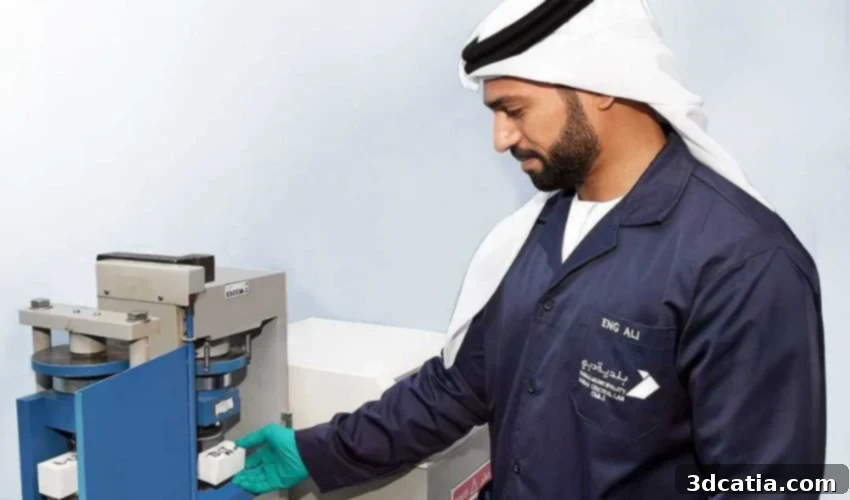
Central to the integrity and effectiveness of Dubai’s new certification system is the pivotal involvement of the Dubai Central Laboratory (DCL). Tasked with conducting the initial certification and ongoing quality control, the DCL brings extensive, proven expertise in various domains, including comprehensive evaluation, meticulous conformity auditing, and advanced laboratory material testing. Their robust track record ensures that the highest possible standards are not only met but consistently maintained across all 3D printed construction projects within the emirate. The DCL’s rigorous protocols will encompass a wide array of assessments, from scrutinizing the mechanical properties and long-term durability of printed concrete under varying environmental conditions to ensuring strict adherence to structural design specifications. Furthermore, they will critically evaluate the overall performance and consistency of the entire additive manufacturing processes. This independent verification by a reputable and experienced institution like the DCL is absolutely crucial for building public confidence, gaining trust from industry stakeholders, and fostering widespread acceptance of 3D printed structures as a reliable and safe alternative to conventional construction methods.
Supporting Industry Transition: A Collaborative Approach to Compliance and Growth
Recognizing that the introduction of new, comprehensive regulations can sometimes present challenges for existing companies, Dubai Municipality is adopting a proactive and highly supportive approach to facilitate compliance. They are offering easily accessible resources specifically designed to assist businesses in making a smooth and efficient transition to the new standards. As Alia Al Harmoodi, acting CEO of the Environment, Health and Safety Establishment of the Dubai Municipality, eloquently explained: “In line with its efforts, Dubai Municipality included an integrated guide on its website featuring four chapters that cover the key requirements to be met by factories and entities engaged in 3D printing for the construction sector. The guide, which has a flexible and relevant design, sheds light on various methods and technologies of manufacturing concrete used in 3D printers, while also considering different components and specifications of materials used by companies.” This comprehensive guide serves as an invaluable tool, meticulously detailing best practices, precise technical specifications, and clear procedural steps for achieving compliance. It ensures that companies have transparent instructions and robust support, enabling them to meet the new certification requirements efficiently and effectively, thereby minimizing disruption and maximizing adherence. This collaborative stance clearly underscores Dubai’s commitment to nurturing innovation while simultaneously maintaining stringent quality and safety benchmarks, ensuring the sustainable growth of the 3D printing construction ecosystem. For more detailed information and access to the guide, stakeholders are strongly encouraged to visit the official Dubai Municipality’s website HERE.
Understanding the Broader Impact: Paving the Way for Global Adoption
Dubai’s pioneering move is not merely a local regulatory update; it is a significant and transformative milestone with far-reaching implications for the global construction industry. By meticulously establishing a clear, verifiable framework for 3D printed construction, Dubai is actively contributing to the maturation and legitimization of additive manufacturing as a mainstream building technique. This initiative will likely inspire and influence other nations and regulatory bodies around the world to develop similar standards and certification protocols, fostering an environment where 3D printed buildings and infrastructure can be safely, confidently, and widely deployed worldwide. The strong emphasis on consistent material quality, verified machinery efficiency, and rigorous operational excellence will undoubtedly drive accelerated innovation within the sector, pushing manufacturers, material scientists, and researchers to develop even more reliable, sustainable, and high-performance solutions. It transforms the conversation around 3D printing in construction from a speculative “can it be done?” to a pragmatic “how can we do it better, more safely, and more universally across different regions and applications?” This leadership is essential for unlocking the full potential of additive construction on a global scale.
Key Benefits of Dubai’s Standardization for the Additive Construction Industry
- Enhanced Quality and Safety Assurance: The system ensures that all 3D printed structures adhere to stringent safety and performance criteria, providing robust protection for occupants, future users, and investors alike.
- Increased Trust and Market Acceptance: It provides a credible and transparent regulatory framework that significantly builds confidence among clients, insurers, and the broader public in the long-term viability and integrity of 3D printing for critical infrastructure.
- Streamlined Regulatory Processes: By offering clear, unambiguous guidelines, the initiative simplifies permit applications, reduces bureaucratic hurdles, and minimizes potential project delays for companies operating in the additive construction sector.
- Fostering Innovation and R&D: A stable and well-defined regulatory environment provides a solid, dependable foundation for continued research and development, actively encouraging substantial investment in new materials, cutting-edge technologies, and novel applications for 3D printing.
- Economic Growth and Market Expansion: This strategic move positions Dubai as a definitive global leader in additive construction, attracting international companies, fostering a competitive ecosystem, and stimulating significant economic activity within the high-tech construction sector.
- Environmental Responsibility and Sustainability: By standardizing material usage and optimizing printing processes, the system can further promote the inherent sustainable practices of 3D printing, such as dramatic waste reduction, minimized material transport, and highly efficient resource allocation.
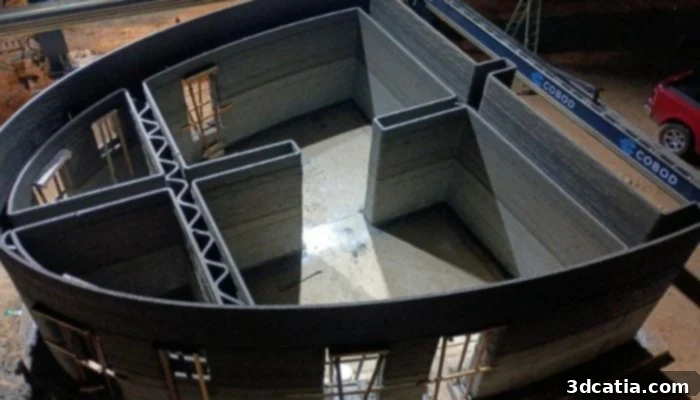
A 2022 project which saw three separate projects in Oman: A 3D printed café, restroom, and fishing house. (Photo credits: COBOD)
In conclusion, Dubai Municipality’s introduction of the world’s first comprehensive certification and conformity grading system for 3D printing in construction marks a truly pivotal and transformative moment for the entire industry. This visionary initiative not only addresses the critical, long-standing need for robust standardization in a rapidly evolving technological landscape but also powerfully reinforces Dubai’s strategic commitment to innovation, unparalleled quality, and sustainable urban development. By establishing clear, internationally recognized benchmarks for materials, processes, and operational excellence, Dubai is decisively paving the way for safer, more efficient, more reliable, and ultimately more widely accepted additive manufacturing solutions in the global built environment. This courageous leadership is set to catalyze further advancements, accelerate technological adoption, and ensure that 3D printing realizes its full, monumental potential in shaping the resilient and innovative cities of tomorrow.
What are your thoughts on Dubai’s groundbreaking 3D printing construction certification and conformity system? We invite you to share your valuable perspectives in the comments section below or join the vibrant discussion on our LinkedIn, Facebook, and Twitter pages! Don’t forget to sign up for our free weekly newsletter here to receive the very latest 3D printing news, insights, and updates directly in your inbox. You can also explore all our insightful videos and engaging content on our YouTube channel for more in-depth coverage of the additive manufacturing world.
*Cover Photo Credits: Dubai Municipality