
Innovating Sustainability: How 3D Printing Transforms Waste into Wonders
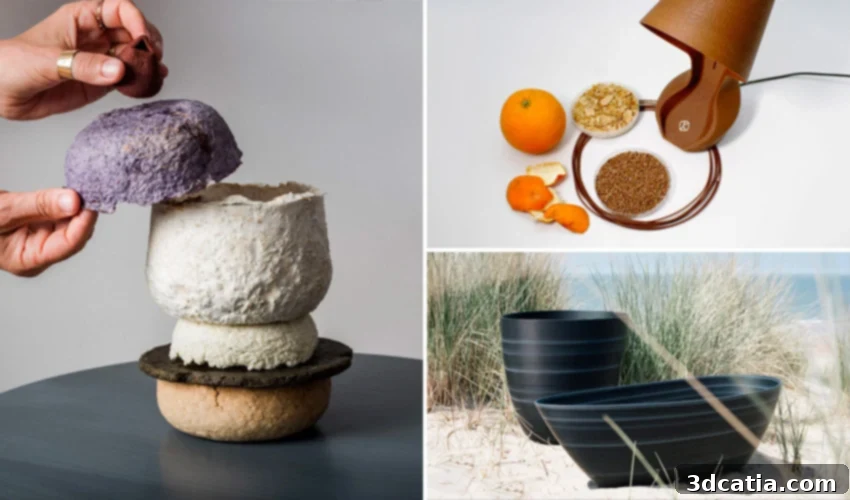
On this global day dedicated to recycling, we delve into the remarkable synergy between additive manufacturing and environmental stewardship. 3D printing technologies are revolutionizing how we approach material consumption, product design, and logistics. By enabling on-demand production and shortening supply chains, these technologies inherently reduce waste and minimize our environmental footprint compared to traditional manufacturing methods. However, the impact of 3D printing extends far beyond mere efficiency; it actively contributes to a circular economy by transforming various forms of waste – from plastics to food scraps – into valuable resources. This innovative approach breathes new life into discarded materials, converting them into a diverse array of functional and aesthetic objects and structures. From elegant lamps and robust buildings to stylish furniture and even wearable items like shoes, the potential for combining 3D printing with recycled materials is virtually limitless. Join us as we explore a fascinating collection of projects that exemplify how 3D printing is at the forefront of the recycling revolution, demonstrating tangible solutions for a more sustainable future.
The New Raw: Pioneering Sustainable Urban Furniture from Plastic Waste
The Dutch design studio, The New Raw, stands as a beacon of innovation in the realm where 3D printing intersects with recycling. Their core mission is to repurpose plastic waste, transforming it into functional, everyday objects using advanced robotic additive manufacturing. One of their most impactful initiatives, “Print My City,” gained significant attention for its ambitious goal: to convert the household plastic waste of Amsterdam residents into bespoke 3D-printed urban furniture. This project served a dual purpose, not only creating durable public amenities but also actively engaging citizens in the recycling process, encouraging them to reflect on and improve their waste management habits. Beyond urban landscapes, The New Raw also spearheaded the “Second Nature” project, which tackled the pressing issue of ocean pollution by recycling discarded fishing nets. These nets, notorious for becoming ‘ghost gear’ that harms marine life, were ingeniously transformed into intricate 3D-printed shells. Both projects underscore The New Raw’s commitment to raising awareness about critical environmental challenges and demonstrating practical, scalable solutions through additive manufacturing.
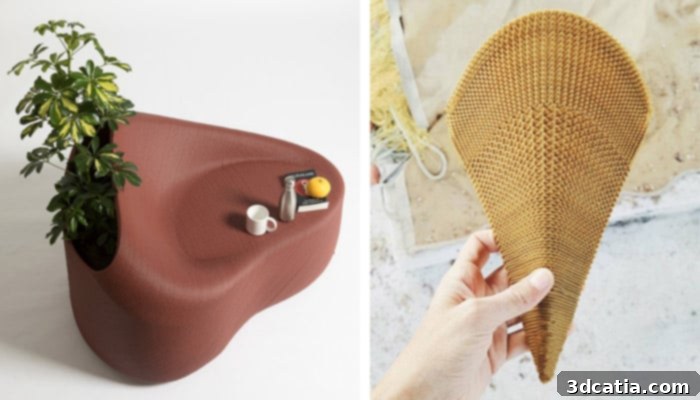
Photo Credits: The New Raw
EOOS Design Studio Creates a 3D Printed Electric Tricycle from Supermarket Waste
Journeying to Vienna, Austria, we discover another inspiring example of sustainable innovation from the design studio EOOS. Last year, EOOS embarked on a truly unique endeavor, transforming waste collected from various supermarkets across the capital into a fully functional 3D-printed electric tricycle. This ambitious project effectively diverted approximately 70 kilograms of what would have been landfill-bound waste, meticulously processing it into a specialized 3D printing material. This recycled material was then precisely deposited layer by layer to construct the robust chassis of the three-wheeled vehicle. The resulting tricycle is not only a testament to creative design but also engineered for practicality, demonstrating sufficient strength and stability to comfortably transport two adults. The EOOS project beautifully illustrates how localized waste streams can be leveraged to create valuable, practical products, showcasing the immense potential of integrating recycling with advanced manufacturing for eco-conscious urban mobility solutions.
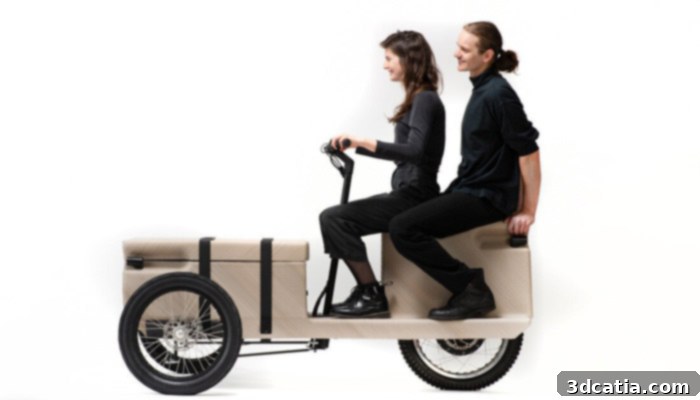
Photo Credits: EOOS
Recycling Masks and Plastic Caps into 3D Printed Furniture
The global pandemic brought with it an unprecedented surge in single-use medical waste, particularly surgical masks. These ubiquitous items, often discarded carelessly, contribute significantly to environmental pollution, littering sidewalks and streets worldwide. In response to this pressing issue, the Lorraine Fab Living Lab (LF2L) in France has joined forces with the European INEDIT project. This collaborative initiative is dedicated to the innovative design and creation of furniture from recycled plastic, offering a tangible solution to mitigate plastic waste. The fablab ingeniously employs additive manufacturing to achieve its goals, taking discarded surgical masks and plastic bottle caps as primary materials. These items are meticulously processed and then fed into a granular 3D printing machine, the Gigabot X, which extrudes a new printing material. This transformative process not only addresses the environmental burden of medical and consumer plastic waste but also showcases the versatility of 3D printing in producing practical, durable goods from otherwise problematic refuse, contributing to a more circular economy in public spaces and beyond.
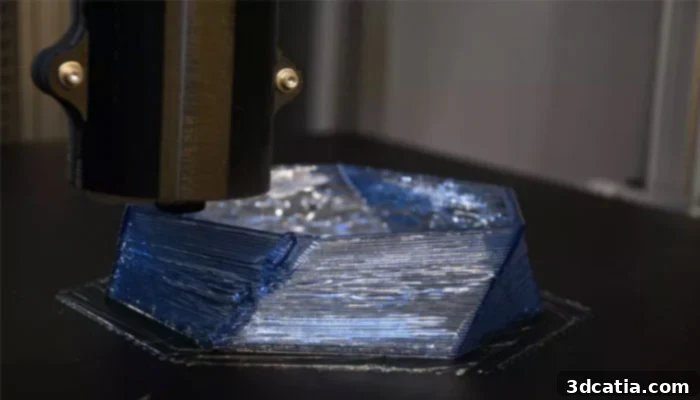
Photo credits: University of Lorraine – ERPI Laboratory – LF2L
Aectual’s Eco-Conscious Planters from 100% Recycled Plastic
The Dutch architectural firm Aectual, renowned for its innovative approach to design and manufacturing, has introduced a captivating line of planters, aptly named ‘Mussel planters.’ Developed in close collaboration with DUS Architects, these organizations have masterfully integrated 3D printing and advanced recycling techniques to create these aesthetically pleasing and environmentally responsible designs. The planters are fabricated entirely from 100% recycled plastic, which is meticulously processed and transformed into a high-quality manufacturing material. This material is then precisely extruded by four 3D printers mounted on robotic arms, allowing for intricate designs and various sizes. The largest planter impressively measures 98 x 40 x 29 cm, while the tallest stands at 55 x 45 x 49 cm. Hans Vermeulen, co-founder and CEO of Aectual, succinctly articulated the company’s philosophy: “We have to get rid of the negative idea that plastic is a disposable product.” This statement encapsulates Aectual’s steadfast commitment to leveraging 3D printing as a powerful tool to challenge conventional perceptions of plastic, transforming it from a polluting waste product into a sustainable resource for durable, beautiful objects, thereby significantly promoting recycling within the design and architecture sectors.
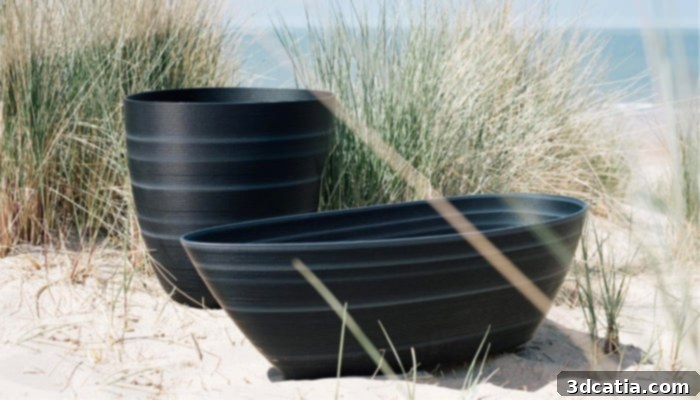
Photo Credits: Aectual
Barbara Gollackner’s Wasteware: Tableware from Food Waste
The innovative design studio led by Barbara Gollackner has introduced a groundbreaking collection of tableware that redefines sustainable dining. Months ago, they unveiled “Wasteware,” a remarkable line featuring 3D-printed plates, cutlery, and bowls crafted entirely from industrial and personal food waste. This ingenious process involves transforming various organic food discards into a workable paste, which is then precisely extruded using a specialized 3D FDM (Fused Deposition Modeling) food printer. With the Wasteware project, Barbara Gollackner’s studio directly confronts the dual challenges of food waste and the proliferation of single-use, disposable plates and cutlery, which have significant detrimental effects on our environment. By embracing 3D printing, Gollackner demonstrates a powerful model for the circular economy, effectively recovering and reusing what would otherwise be considered waste to create new, high-quality, and functional products, even edible items. This initiative not only minimizes environmental impact but also showcases the potential for design to foster innovative solutions for resource management in our everyday lives.
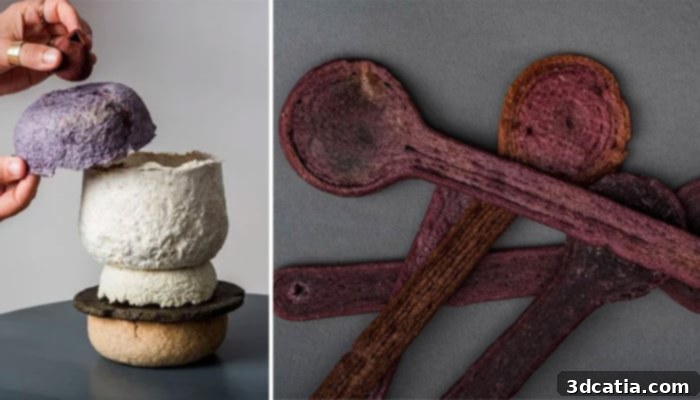
Photo Credits: Barbara Gollackner
Matt Harkness’ Groundbreaking PLA Recycling via Tattoos
In a truly avant-garde intersection of art, technology, and environmental science, Matt Harkness, a visionary student from the University of New South Wales, has conceived an extraordinary method for recycling PLA waste generated during 3D printing. His audacious idea proposes the integration of this recycled material directly into the human body through tattoos. Harkness engineered a sophisticated biorecycling machine capable of converting waste PLA granules, typically a byproduct of 3D printing, into a specialized PLA polymer ink. This innovative ink can then be introduced into the skin using a customized tattooing device. Once implanted within the skin’s dermal layer, the PLA initiates a process known as hydrolysis. Through this biological mechanism, the body effectively “recycles” the PLA particles, breaking them down into their constituent components which are then naturally excreted from the body via urine or breath. While the concept might initially seem startling, Harkness’s project serves as a profound demonstration of PLA’s remarkable capabilities, highlighting its biocompatibility, recyclability, and the potential for its safe and integrated use within the human biological system, pushing the boundaries of material science and sustainability.
Deciduous Pavilion: An Architectural Marvel from 30,000 Recycled Bottles
The architecture sector has been increasingly embracing sustainability, often utilizing additive manufacturing for its waste-reducing properties. However, the Middle East Architecture Network (MEAN) studio has taken this commitment to an entirely new level with their stunning creation: the Deciduous pavilion. This architectural masterpiece was constructed using an astonishing 30,000 recycled plastic water bottles. Considering that, according to the UN Environment Programme (UNEP), one million plastic bottles are purchased every minute globally, with the vast majority ultimately polluting our oceans, MEAN’s project is not just admirable but profoundly impactful. The Deciduous pavilion, exhibited at the prestigious Dubai International Financial Center (DIFC), served as more than just an impressive structure. It functioned as a powerful reflective space, encouraging visitors to ponder the beauty of nature and the staggering volume of waste generated worldwide. This project stands as a vivid testament to how architectural innovation, coupled with a deep commitment to recycling, can transform pervasive environmental problems into opportunities for striking design and profound public awareness.
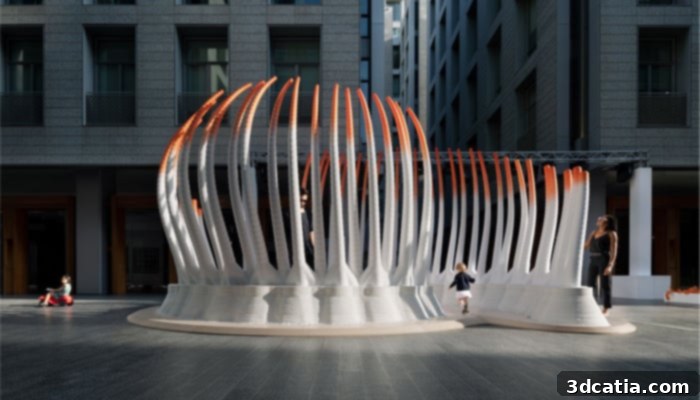
Photo Credits: NAARO
Phoenix Sneakers: Stylish Footwear from Recycled Plastic Bottles
Addressing the alarming global issue of plastic waste, Oliver Cabell has launched its innovative “Phoenix” sneakers, a project entirely dedicated to recycling discarded plastic bottles into stylish, functional footwear. The brand starkly highlights the scale of the problem, noting on its website that “300 million tons of plastic is produced every year, with only 9% of it ever being recycled.” In response, each pair of Phoenix sneakers is 3D printed using material derived from seven recycled water bottles, offering a tangible solution to plastic pollution. The manufacturing process is ingeniously circular: plastic water bottles are first shredded into flakes, then melted down and extruded into fine yarn. This yarn is meticulously refined and spun through a 3D printing machine to form the seamless, comfortable upper part of the shoe. Beyond its eco-friendly origins, the Phoenix sneaker is also entirely machine washable, adding to its practicality and longevity. Originally priced at $100, these sustainable sneakers are now available on Oliver Cabell’s website starting at an accessible $59, making eco-conscious fashion more attainable for a wider audience.
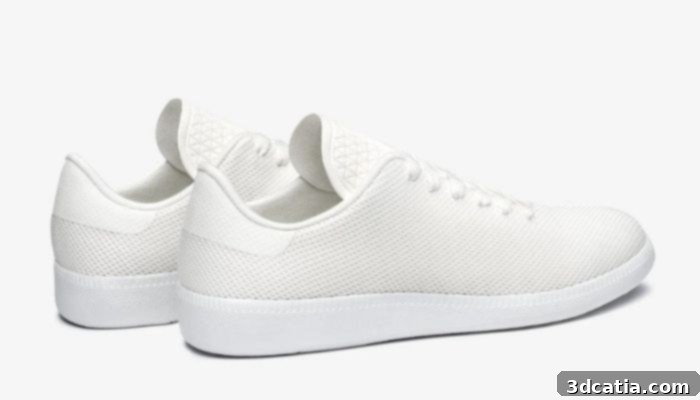
Photo Credits: Oliver Cabell
GREENFILL3D: Biodegradable 3D Printed Marketing and Interior Elements
The Polish company GREENFILL3D is at the forefront of sustainable manufacturing, specializing in the design and production of a diverse range of items including marketing and advertising materials, useful everyday gadgets, and unique interior design elements. What sets GREENFILL3D apart is their unwavering commitment to eco-friendliness: all their projects are meticulously crafted from biodegradable or biocompostable materials, fully aligning with the principles of zero waste and the circular economy. Leveraging the precision and versatility of 3D printing, GREENFILL3D offers highly customizable solutions, producing individual items tailored to each customer’s specific needs and aesthetic preferences. To achieve this, they utilize an innovative selection of filaments derived from three distinct sustainable materials: GF3D Branfill3d, which incorporates wheat bran; BioWOOD, made from powdered wood; and BioCREATE, a fully compostable material. This commitment to environmentally responsible material science allows GREENFILL3D to not only create visually appealing and functional products but also to significantly reduce the ecological impact of consumer goods and promotional items.
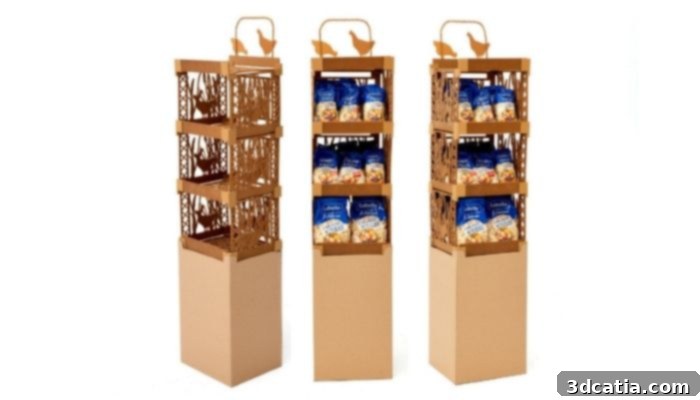
Photo Credits: GREENFILL3D
OHMIE: The World’s First Lamp Crafted from Orange Peels
Behold Ohmie, an extraordinary design marvel and a testament to radical sustainability: the world’s inaugural lamp created entirely from discarded orange peels. This revolutionary piece offers more than just illumination; it provides an elegant, chic aesthetic with a uniquely tactile texture and emits a warm, inviting glow. Perfect for enhancing the ambiance of a living room, study, or bedroom, OHMIE introduces a distinct touch to any home while simultaneously making a significant contribution to planetary well-being. Annually, countless tons of organic materials are discarded globally, representing a vast untapped resource. OHMIE brilliantly demonstrates the potential of reusing such materials to forge new, high-quality products, thereby circumventing the need for virgin resources and dramatically reducing negative environmental impacts. Astonishingly, the creation of these innovative lamps requires only the peels of two oranges. The end result is a magnificent, velvety-finished recycled lamp that challenges conventional notions of waste and showcases the immense value locked within everyday refuse, truly embodying the principles of a circular economy in a beautiful form.
Royal3D’s R-IGLO: A 3D Printed Pavilion from Recycled PET
In the dynamic construction sector, the Royal3D printing service has pioneered an innovative solution: the R-IGLO pavilion, a versatile shelter designed to function as a 3D-printed workspace. This groundbreaking structure is notably constructed using PET, the notorious plastic commonly found in water bottles and food containers. Manufactured on the CFAM Prime machine from CEAD, the R-IGLO is a testament to advanced design and engineering. Each pavilion comes fully equipped with essential amenities, including ventilation, heating, electricity, and integrated LED lighting, ensuring a comfortable and functional environment. One of its key advantages lies in its remarkable adaptability; the R-IGLO can be custom-manufactured in virtually any size and color, perfectly suiting diverse client demands and aesthetic preferences. Furthermore, its impressive manufacturing time, typically just a couple of weeks, makes it a highly efficient option. Whether envisioned as a dynamic workspace, an exhibition stand, or a temporary shelter, the R-IGLO offers a sustainable, customizable, and rapidly deployable solution, demonstrating the transformative power of recycling PET plastic into robust architectural elements.
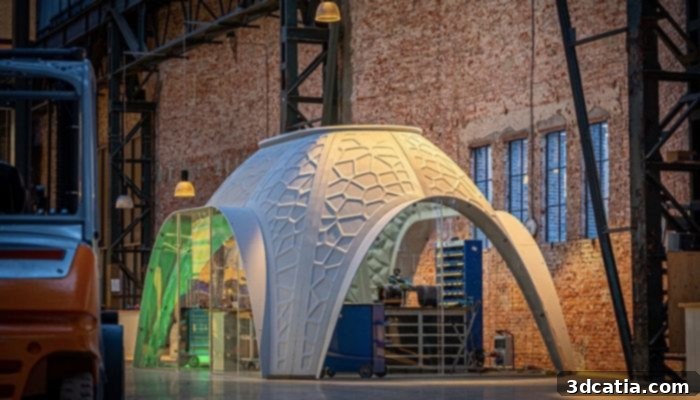
Photo Credits: Royal3D
Azur Printed Homes: Building Sustainable Futures with Recycled Plastic
Azur Printed Homes, a visionary U.S. company, is dedicated to revolutionizing the entire building industry through the strategic application of additive manufacturing. With ambitious plans to establish a sprawling 15,000-square-foot factory in California, Azur is committing significant resources to 3D printing technology. Their core objective is to produce large-scale structural components for homes, ingeniously utilizing recycled plastic as the primary building material. This environmentally conscious manufacturing process is designed to drastically minimize the volume of construction waste that traditionally ends up in landfills. Beyond waste reduction, Azur Printed Homes is deeply committed to combating ocean pollution, highlighting the fact that the construction sector is globally recognized as the highest consumer of raw materials. By adopting this sustainable and innovative approach to long-term housing, Azur directly addresses the staggering statistic that the construction industry is responsible for approximately 20% of the world’s total carbon emissions. Their pioneering efforts offer a compelling model for future construction, demonstrating that robust, durable, and eco-friendly homes can be built from materials once considered mere waste, ushering in a new era of sustainable living.
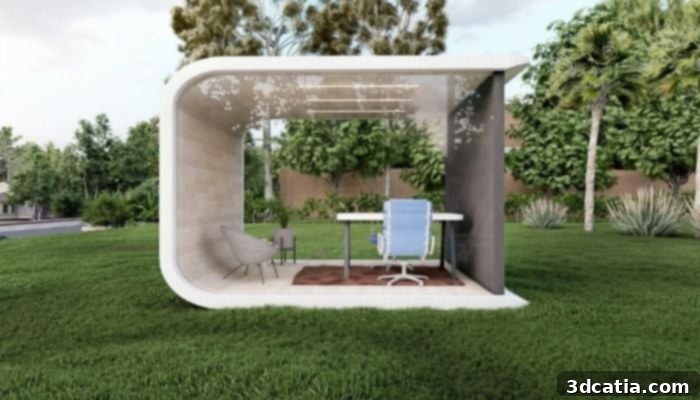
Photo Credits: Azur
R3direct: Giving New Life to Post-Consumer Plastic Waste
The Italian company R3direct is driven by a clear and impactful mission: to create objects exclusively from 100% recycled post-consumer plastic, all realized through the power of 3D printing. By skillfully combining additive manufacturing with ingenious creativity, R3direct identifies immense added value in their approach, particularly emphasizing the inherent sustainability and extended longevity of their newly manufactured 3D-printed products. In their innovative process, what was once considered waste is meticulously transformed into a crucial, high-value resource. R3direct employs a unique method of directly printing plastic in the form of pellets, which distinguishes them from processes that first convert plastic into filaments. This pellet-based printing technique significantly reduces energy consumption and consequently generates less CO2 emissions, further enhancing their eco-friendly credentials. The company is a dynamic collaboration between the renowned designer Stefano Giovacchini and Cresco Lab, a firm comprised of highly creative engineers. Together, they currently possess the capability to print objects up to one cubic meter in size, with ongoing research and development focused on expanding their capacity to 3D print even larger and more complex objects in the near future, continually pushing the boundaries of what’s possible with recycled materials.
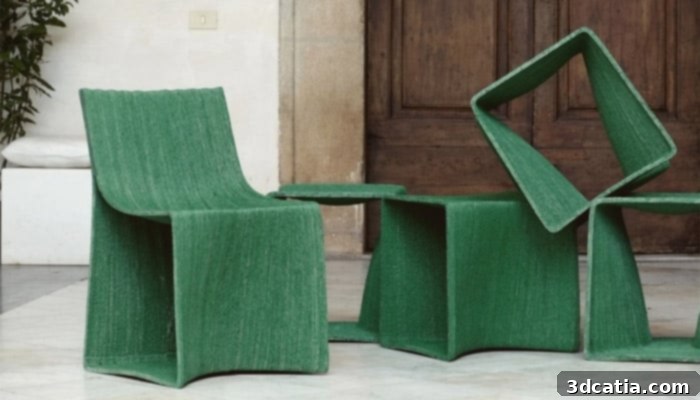
Photo Credits: R3direct
Yuma Labs and Tomorrowland: Festival Waste Transformed into Sustainable Sunglasses
Have you ever contemplated the sheer volume of waste generated by large-scale festivals? The aftermath, often strewn with rubbish, serves as a stark reminder of our considerable consumption of everyday items. To address this colossal issue, Yuma Labs has forged an inspiring partnership with the globally renowned music festival, Tomorrowland. Through this collaboration, Yuma Labs is producing additively manufactured sunglasses crafted entirely from 100% recycled plastic. Crucially, 50% of the material required for these sustainable sunglasses is sourced directly from recycled plastic bottles and cups collected on-site at Tomorrowland. The entire lifecycle, from design and printing to assembly, takes place in Belgium, the home country of Tomorrowland. The collected bottles and cups undergo a meticulous process: they are sorted, thoroughly washed, and then shredded into small pieces. This reclaimed waste material is subsequently fed into 3D printers, emerging as unique, stylish, and environmentally conscious sunglasses. This innovative initiative not only tackles the immediate problem of festival waste but also sets a powerful example for event sustainability and circular economy practices within the fashion industry.
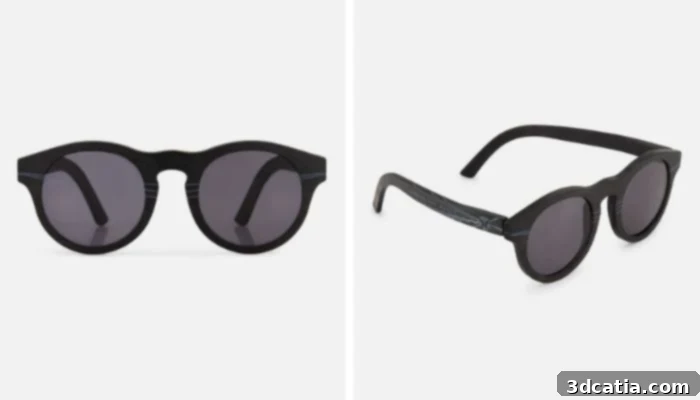
Photo Credits: Yuma Labs
The projects highlighted above brilliantly demonstrate the transformative power of combining recycling with 3D printing. From urban furniture and electric tricycles to architectural pavilions, innovative tableware, and stylish accessories, additive manufacturing is proving to be a game-changer in diverting waste from landfills and oceans, giving it new life as valuable products. These initiatives not only reduce environmental impact but also inspire a shift towards a more circular and sustainable economy. As we look to the future, the continuous innovation in materials science and 3D printing technology promises even more exciting possibilities for turning waste into wonders. We invite you to share your thoughts on these groundbreaking projects that seamlessly merge recycling and 3D printing. Let us know your perspective in the comments below or join the conversation on our LinkedIn, Facebook, and Twitter pages! Don’t forget to subscribe to our free weekly Newsletter here to receive the latest 3D printing news directly in your inbox. You can also explore all our engaging videos on our YouTube channel for more insights into the world of additive manufacturing.