
Revolutionizing Ocean Health: How 3D Printing is Pioneering Sustainable Marine Conservation
Our planet’s well-being is intrinsically linked to the health of its oceans. Yet, these vast and vital ecosystems are under unprecedented threat from a myriad of human-induced pressures. Climate change leads to alarming ocean warming and acidification, while a relentless tide of plastic pollution chokes marine life. Habitat destruction, rising sea levels, and unsustainable fishing practices further compound these challenges, collectively eroding marine biodiversity, jeopardizing countless species, and disrupting the coastal economies that depend heavily on thriving oceans. The urgency for innovative and effective solutions has never been greater, as the need to mitigate these impacts and safeguard our precious oceanic resources for future generations becomes a global imperative.
Many of these pressing issues are a direct consequence of human activity. For instance, extensive coastal development and destructive bottom trawling devastate critical marine habitats, while rampant overfishing depletes vital fish populations at unsustainable rates. Ironically, humans are also among the primary victims of these environmental shifts; the escalating threat of rising sea levels, a direct outcome of climate change and melting polar ice caps, poses an existential risk to countless coastal communities worldwide. It is unequivocally clear that pervasive environmental issues are threatening marine biodiversity and profoundly impacting human livelihoods across the globe. Fortunately, amidst these daunting challenges, cutting-edge technologies like 3D printing are emerging as powerful and versatile tools in the critical fight for ocean conservation, offering a beacon of hope for a more sustainable future.
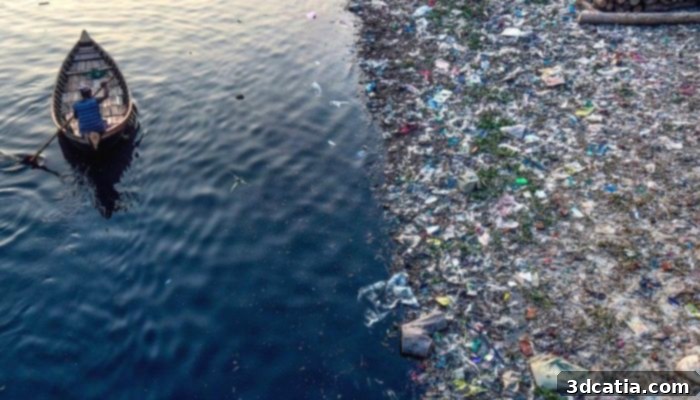
(Photo Credits: BBC)
The unique capabilities of 3D printing, also known as additive manufacturing, present unparalleled opportunities for addressing complex ocean sustainability challenges. Unlike conventional manufacturing techniques, which often generate significant waste and are limited in design flexibility, 3D printing enables highly precise, customized, and on-demand production. This inherent efficiency and design freedom are key factors driving the rapidly growing interest in leveraging additive manufacturing, alongside complementary 3D technologies such as 3D scanning, to combat a wide array of environmental issues, particularly within our oceans. By facilitating the creation of intricate structures, utilizing sustainable materials, and minimizing waste, 3D printing is proving to be an invaluable asset in global conservation efforts.
By embracing additive manufacturing, diverse groups and organizations are not only discovering innovative and creative methods to tackle the formidable challenges facing ocean conservation, but they are also achieving these goals in an inherently more eco-friendly manner. The technology’s ability to reduce material waste, optimize designs for specific environmental functions, and even utilize recycled materials contributes significantly to its green credentials. To gain a deeper understanding of this transformative technology’s real-world applications, we engaged with leading experts at the forefront of several pioneering projects. Their invaluable firsthand accounts offer profound insights into the methodologies, ambitious objectives, and tangible impact of 3D printing in fundamentally revolutionizing the field of ocean conservation.
Coral Reef Restoration: Rebuilding Underwater Ecosystems with Additive Manufacturing
Coral reefs, often referred to as the “rainforests of the sea,” are among the most biodiverse and ecologically critical ecosystems on Earth. They provide habitat for a quarter of all marine species, protect coastlines from erosion, and support the livelihoods of millions through fisheries and tourism. However, these magnificent underwater cities are increasingly imperiled by a triple threat: climate change-induced ocean warming and acidification, widespread pollution, and direct physical damage from human activities. The integration of 3D printing in coral reef restoration represents a groundbreaking and highly promising approach to mitigate these severe threats and breathe new life into ailing reefs. Organizations such as D-Shape and Archireef are leading the charge, harnessing the power of 3D printing to fabricate sophisticated artificial reef structures. These structures are meticulously designed to mimic the intricate natural coral formations, providing essential new habitat for diverse marine organisms and significantly facilitating coral larval settlement. This innovative strategy actively promotes reef recovery, enhances ecological resilience, and underscores the clear and vital role additive manufacturing plays in combating the dramatic loss of coral reefs, with an alarming 14% having vanished since 2001.
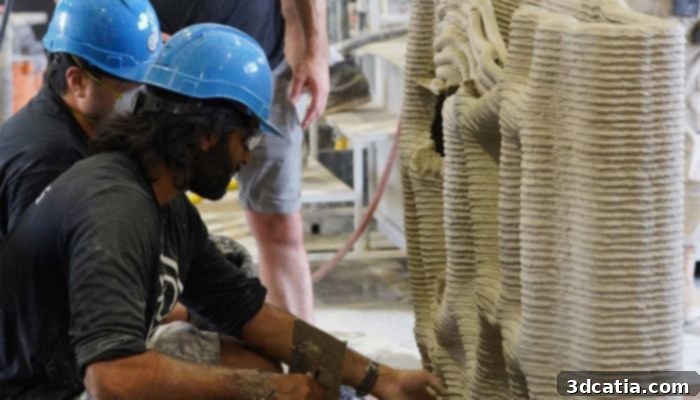
(Photo Credits: Kind Designs)
Indeed, the mission of creating new, thriving reefs is of paramount importance. The degradation or destruction of a coral reef signifies the death of an entire ecosystem, potentially leading to the extinction of certain animal species. These losses have far-reaching and catastrophic consequences for the entire planet, including setbacks for medical research, as many marine organisms offer unique biochemical compounds. However, the process of reef recreation is inherently challenging; artificial reefs must be as biologically appealing and functional as their natural counterparts to effectively support marine life. This is precisely where additive manufacturing demonstrates its exceptional strength and unparalleled advantage.
The unparalleled flexibility and capacity for creating complex geometric structures offered by additive manufacturing make it possible to design and produce more intricate, dynamic, and ecologically effective reef formations than could ever be achieved with traditional construction methods. This ability to closely replicate natural reef complexity is crucial for attracting and sustaining diverse marine species. Furthermore, given that the destruction of coral reefs is a profound environmental issue, the eco-friendly aspects of 3D printing are highly appealing. The technology allows for the creation of these vital reef structures using natural, sustainable materials like terracotta or specialized concrete blends, often with significantly less waste compared to conventional processes. These distinct advantages – design complexity, material sustainability, and waste reduction – are core reasons driving the widespread adoption of 3D printing in the critical field of coral reef restoration.
Beyond direct habitat restoration, the recreation of coral reefs with additive manufacturing can serve multiple complementary purposes. For example, Miami-based technology innovator Kind Designs has also ingeniously turned to 3D printing in its efforts to restore coral reefs. What truly sets them apart, however, is their innovative application of the technology to simultaneously address several pressing environmental challenges, demonstrating a holistic approach to coastal sustainability.
Recognizing the dual threats of escalating coastal erosion and rapidly declining marine biodiversity, Kind Designs has pioneered a truly groundbreaking solution: 3D printed Living Seawalls. Unlike conventional concrete seawalls, which frequently exacerbate environmental degradation by creating barren, lifeless barriers, Kind Designs’ Living Seawalls function as robust and resilient defenses against rising sea levels while simultaneously serving as vibrant, thriving marine ecosystems akin to natural coral reefs. These revolutionary seawalls are meticulously designed to mimic natural marine habitats, such as mangrove roots or rocky intertidal zones. They provide essential shelter, critical breeding grounds, and attachment points for a diverse array of aquatic species, thereby making a substantial contribution to ecological resilience and enhancing overall marine biodiversity along coastlines.
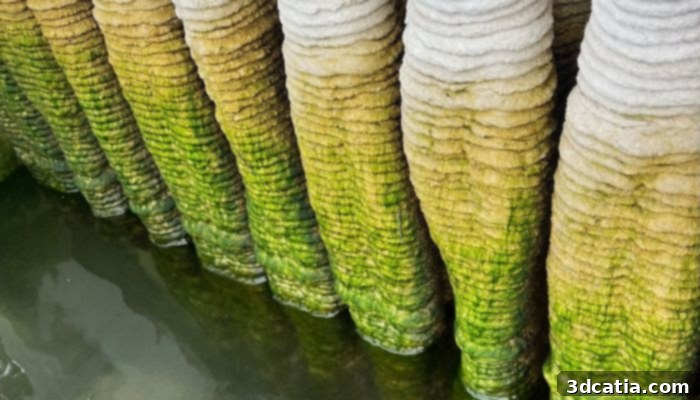
Kind Designs’ 3D printed ‘Living Seawalls’ (Photo Credits: Kind Designs)
Anya Freeman, Founder and CEO of Kind Designs, elaborated on the distinct advantages of these innovative seawalls, stating, “These Living Seawalls are structurally identical to traditional seawalls: same PSI, same reinforcement, and same installation method. However, through careful material composition and the application of biomimicry design principles, these walls also function as incredibly effective marine habitats. They feature large caves that offer vital protection for sea life from predators, and their carefully engineered rugosity and texture provide ideal surfaces for smaller organisms to attach to and thrive, even during extreme weather events.” This synthesis of engineering integrity and ecological functionality represents a significant leap forward in coastal protection.
Another critical and distinctive feature of Kind Designs’ Living Seawalls is their construction using a proprietary material blend that is entirely free from harmful metals and chlorides. This thoughtful design ensures that no detrimental chemicals leach into the ocean environment, standing in stark contrast to traditional seawalls that typically degrade over time, posing significant environmental risks and contributing to habitat loss. Freeman further confirmed the material’s integrity, stating, “Our materials have been successfully utilized in various artificial reef projects and even in reservoirs for drinking water. Although our Living Seawalls are a newer application, we have extensive historical data on the material’s use in other marine and environmental applications spanning many years.” This commitment to non-toxic, durable materials underscores the long-term sustainability of their solution.
Once again, we observe that 3D printing was selected not solely for its more eco-friendly nature but also for its unparalleled ability to produce highly dynamic and geometrically complex structures. A significant strength of these innovative seawalls lies in their intricate and biomimetic shapes, which are far more achievable with extrusion 3D printing than with conventional methods. This design freedom allows for the creation of varied surfaces and crevices that mimic natural habitats, essential for marine biodiversity. Furthermore, 3D printing can often be a more cost-effective method for producing such complex structures when compared to alternative construction techniques, especially when factoring in material efficiency and reduced labor. This combination of ecological benefit, design flexibility, and economic viability powerfully demonstrates the ever-increasing importance of 3D printing in comprehensive ocean conservation strategies.
It’s also important to note that the broader spectrum of 3D technologies extends beyond just 3D printing in its contributions to coral conservation. 3D scanning technology, for instance, significantly enhances marine conservation efforts by providing incredibly detailed and precise insights into complex underwater ecosystems. The Artec 3D Spider 3D scanner, for example, is revolutionizing how scientists study and monitor coral reefs. By generating highly accurate 3D models of coral structures, researchers can meticulously track subtle changes in growth patterns, morphology, and overall health with unprecedented precision and detail. This capability is vital for understanding reef dynamics and responding effectively to threats.
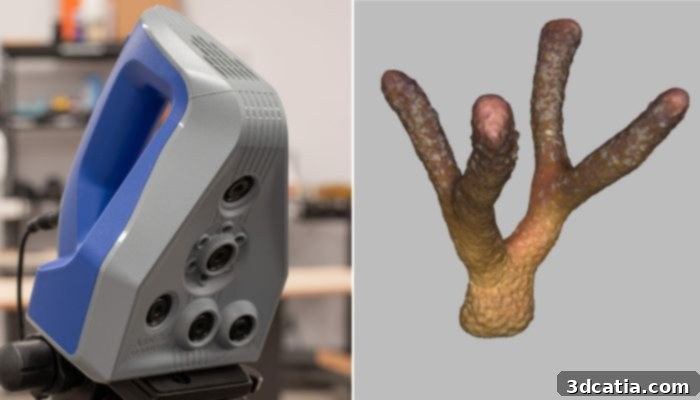
The Spider 3D scanner by Artec 3D (Photo Credits: Artec 3D)
“Utilizing advanced blue-light technology, the high-resolution Artec Spider ensures the best possible quality of scans. It is perfectly suited for capturing small objects or intricate details with steadfast accuracy and brilliant color fidelity,” explained Sergey Sukhovey, Artec 3D’s Founder & Chief Experience Officer. This exceptional capability is invaluable for quantitatively assessing the precise effects of environmental stressors, such as temperature fluctuations and pollution, on coral resilience and health. The data collected through 3D scanning provides critical evidence for conservation strategies.
The Spider’s noninvasive scanning approach is particularly crucial as it minimizes any disturbance to fragile marine ecosystems, a point Sukhovey emphasized when discussing methodologies like the ‘toothpicks & needles’ approach. This innovative technique allows for comprehensive 3D scanning of entire coral colonies without the need for physically repositioning the delicate structures, further safeguarding their fragile integrity. Ultimately, this enables researchers to accurately quantify changes over extended periods by precisely measuring coral dimensions and growth rates, providing critical insights for the sustainable management and effective protection of the world’s rapidly declining coral reefs.
Sukhovey further underscored the profound importance of this research, noting that “The Spider’s ability to facilitate this vital research at Giessen University is critical to global ocean sustainability. Under relentless environmental pressures such as climate change, devastating overfishing, and pervasive pollution, more than 50% of the world’s coral reefs have tragically died off since the 1950s. Of those remaining, a staggering up to 90% may not survive the next 100 years. If all the corals die, then so too will countless fish populations – and extinction, as we know, means forever.” His words highlight the dire urgency of the situation and the transformative potential of advanced technologies in this fight.
Ocean Debris Removal and Recycling: Turning Waste into Resources with 3D Printing
Beyond the widespread destruction of coral reefs, the pervasive and ever-increasing presence of plastic debris in our oceans constitutes another monumental threat to marine life and delicate ecosystems globally. With more than 16 million tons of plastic and other human-generated waste entering marine environments annually, the imperative to protect our seas has never been more urgent or critical. This pollution smothers habitats, entangles and starves marine animals, and introduces microplastics into the food chain, impacting everything from plankton to humans. Addressing this crisis requires innovative solutions that not only remove existing pollution but also create sustainable ways to prevent future accumulation.
Fortunately, innovative startups such as Fishy Filaments are actively tackling this enormous issue head-on. They are pioneering efforts to transform vast quantities of discarded fishing nets—often referred to as ‘ghost gear’—into high-quality nylon filaments suitable for 3D printing. This ingenious process effectively closes the loop on plastic waste, converting a harmful pollutant into a valuable resource, all while vigorously supporting sustainable manufacturing practices. Fishing nets, predominantly composed of durable nylon monofilaments, contribute significantly to global fishing gear waste and pose severe environmental challenges due to their long persistence in the marine environment and their devastating impact on marine wildlife.
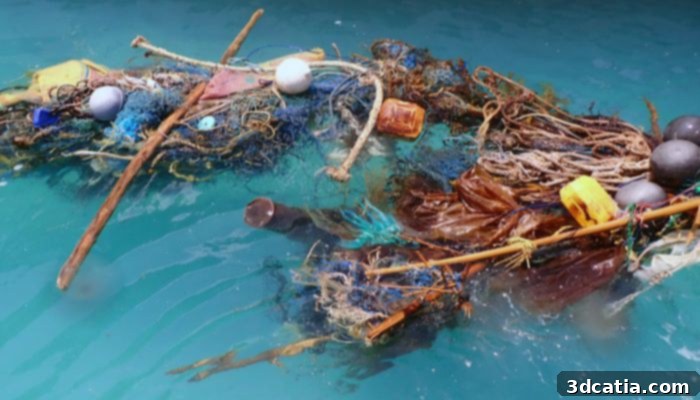
(Photo Credits: Olive Ridley Project)
“The UN FAO has clearly identified the severe lack of adequate waste management infrastructure as a primary causal factor in the escalating global issues surrounding fishing net disposal and loss,” states Ian Falconer, founder of Fishy Filaments. Recognizing this critical systemic flaw, the company has set an ambitious goal: to make a significant and measurable impact on carbon emissions across the nation through the strategic development and agile operation of advanced plastics recycling technologies. Their vision extends beyond mere collection to creating a sustainable, circular economy for these persistent marine plastics.
Falconer further elaborated on their core identity, stating, “What this means in practical terms is that we’re not really just an additive manufacturing (AM) company in the traditional sense. We are fundamentally a recycling infrastructure developer, equipped with a specialized technology set that can operate effectively at a hyper-local scale and produce a very specific material. That localized scale aligns exceptionally well with the distributed nature of additive manufacturing, and the material we produce, Nylon 6, has been an integral part of the 3D printing world since its very early days, making it a well-understood and highly versatile polymer for various applications.” This unique positioning allows Fishy Filaments to address both the environmental problem and the demand for sustainable materials simultaneously.
Fishy Filaments provides a critical and transformative service by making the recycling of fishing nets not only environmentally beneficial but also economically viable, particularly at the harbor level. Their core aim is to “make good fishing gear management pay well,” a strategic approach that directly empowers local communities to benefit financially from their recycling efforts. Their signature recycled nylon material, known as OrCA, is ingeniously designed to seamlessly bridge the gap between small-scale and mesoscale manufacturing technologies. By doing so, they are significantly reducing the catastrophic environmental impact of plastic waste and vigorously supporting sustainable practices in both traditional industries and the rapidly growing additive manufacturing sector. This dual benefit tackles pollution while fostering economic incentives for environmentally responsible behavior.
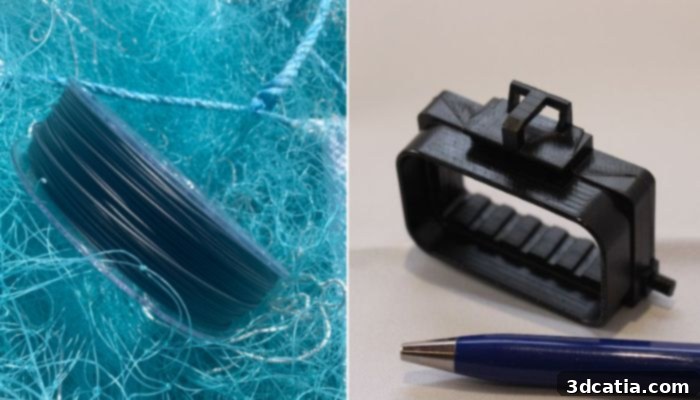
Fishy Filaments’ OrCA filament. (Photo Credits: Fishy Filaments)
Falconer continued, “We’d be providing what is known as a scale-out technology. Our ambition is to fundamentally replace the monolithic, highly centralized, and carbon-inefficient plastic recycling plants that currently capture a mere 15-20% of the nylon monofilament nets used each year around the world. By strategically shifting the economic balance towards the local fishing communities, the overarching goal is to make the recycling of nets financially rewarding at the individual harbor level. By ensuring that good fishing gear management yields economic returns, healthy and thriving communities can then afford to own, operate, and benefit from that crucial recycling infrastructure, tailoring it to their specific needs and creating a truly circular economy.” This decentralized model is key to increasing recycling rates and empowering communities.
This innovative approach not only effectively addresses the severe environmental impact of abandoned, discarded, or lost fishing gear – often referred to as ghost gear – but also actively fosters significant economic resilience within coastal communities. By creating local value chains, it empowers these communities to become active participants in conservation. “We’re more of an enabler for others, providing them with access to high-quality, sustainable materials they couldn’t otherwise develop or provide on their own,” Falconer explained, emphasizing their role in facilitating broader environmental responsibility across industries.
Highlighting a practical example of how their recycled filament is effectively utilized, Falconer illustrated a successful collaboration involving Mutiny Shaving, an innovative startup deeply committed to drastically reducing plastic waste generated by disposable razors. “Single-use plastics are an absolute scourge in the ocean, causing immense environmental damage. We provide Mutiny Shaving with a clear pathway to do the complete opposite of their big-name competitors. Their environmentally conscious customers can actively contribute to keeping our oceans clean, one recycled razor component at a time, whereas their major competitors are unfortunately a significant source of pervasive marine litter,” highlighted Falconer, underscoring the direct positive impact of choosing recycled materials.
Falconer also emphasized that Fishy Filaments engages in extensive collaboration with numerous universities, leading research institutions, and various governmental agencies. These partnerships are strategically formed based on shared interests in advancing ocean conservation and refining recycling technologies. These crucial collaborations contribute significantly to policy discussions, drive groundbreaking innovations that promote sustainable practices within the fishing industry, and extend their positive influence far beyond, creating a ripple effect of environmental stewardship.
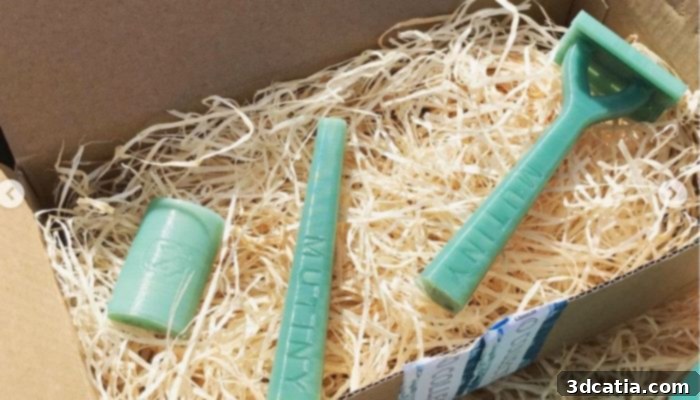
(Photo Credits: Fishy Filaments)
Looking towards the future, Fishy Filaments is ambitiously planning to upscale its positive impact by significantly expanding its advanced recycling technologies and diversifying its product offerings. “Our overarching mission is global carbon reduction achieved through resource-efficient manufacturing. As a rapidly growing manufacturing technology, additive manufacturing (AM) represents a key customer segment for us, and one that is uniquely positioned to switch between different materials with relative ease and agility. We absolutely need to understand and empower AM users to consistently make pro-environmental choices right from the initial design level. If we fail to do so, we will remain trapped in a Victorian model of high-waste mass production and tragically poor end-product disposal. Overall, as a company, we are dedicated to making ocean-positive choices readily available and highly visible to everyone,” articulated Falconer, encapsulating their vision for a more sustainable future.
Sustainable Seafood Innovations Through 3D Printing: Protecting Marine Life from Overfishing
While coral restoration and ocean debris recycling represent crucial benefits of 3D printing in ocean conservation, these are not the only ways this versatile technology is making a profound impact. It is also being ingeniously employed to address one of the most critical and pervasive problems confronting our oceans today: overfishing. The relentless and escalating global demand for seafood is placing immense strain on already fragile marine resources, thereby compelling an urgent exploration of alternative protein sources and the adoption of truly sustainable food practices.
The stark reality is that over 90% of global fish stocks are now classified as overfished, according to reports from the World Bank. Rising consumption rates have driven the populations of most in-demand fish species below 50% of their historical levels over the last several decades, signaling an ecological crisis. In response, 3D printing technology is proving instrumental in facilitating innovation within this vital field. It is enabling the precise production of plant-based seafood alternatives that remarkably replicate the complex texture, appearance, and nutritional profile of conventional seafood products. This offers a viable path towards reducing reliance on wild fish populations.
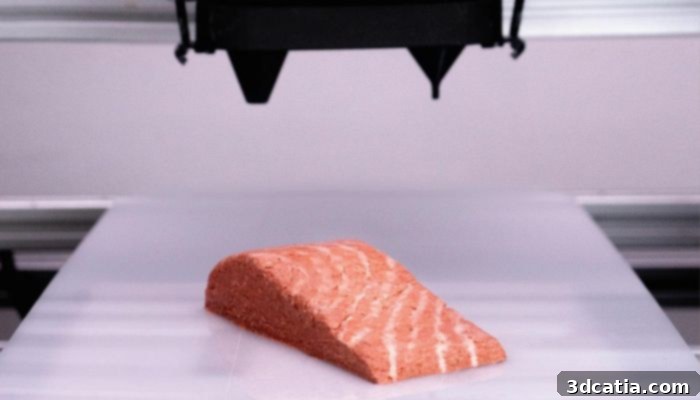
Revo Foods’ ‘The Filet’ (Photo Credits: Revo Foods)
Pioneering companies like Revo Foods are at the vanguard of advancing the development of highly convincing plant-based fish fillets and diverse seafood substitutes using sophisticated 3D printing techniques. By meticulously combining ingredients such as plant proteins, natural flavors, and specialized binders, these innovative products offer consumers truly sustainable and ethical alternatives to traditional seafood consumption. This directly contributes to broader ocean conservation efforts by reducing the pressure on wild fish stocks. Furthermore, the inherent scalability of 3D printing technology allows for the potential mass production of these plant-based products, thereby significantly reducing the global reliance on dwindling fish populations and alleviating the immense pressure currently exerted on marine ecosystems worldwide. As Revo Foods stated, “Our mission is to make food production more flexible and sustainable by developing modern food processing technologies,” highlighting their commitment to transforming the food industry.
One of Revo Foods’ flagship products, aptly named ‘The Filet,’ is a revolutionary plant-based alternative that is primarily crafted from mycoprotein. This innovative ingredient, described as a “fermented superfood,” boasts a complete amino acid profile, making it an exceptionally sustainable and highly nutritious protein source. This alternative promises a delicious and sustainable protein option that convincingly mimics the texture and taste of traditional fish fillets, all without the significant environmental impact associated with conventional fishing. Robin Simsa, CEO of Revo Foods, eloquently highlighted the unparalleled benefits of this substitute, explaining, “Mycoprotein has an astonishing doubling time of only 5 hours, making it truly a super-protein for a sustainable and future-proof global food supply.” Its rapid growth and nutritional density position it as a game-changer for food security.

Various 3D printed fish recipes by Revo Foods, including salmon, tuna, and their Filet recipe. (Photo Credits: Revo Foods)
Additionally, Simsa emphasized the significant advantages inherent in 3D food structuring, particularly its capacity for creating complex, next-level products with novel functionalities and sensory experiences. He stated, “3D Food Structuring offers a main advantage for complex, next-level products with completely new functionalities. For example, by combining two distinct ingredients in any desired shape or intricate structure, we can engineer a completely new mouthfeel and fibrousness that consumers have genuinely not tasted before. This is incredibly exciting because it’s only through offering demonstrably better and more appealing products that we can effectively convince consumers to embrace these sustainable alternatives and give them a real chance.” This capability allows Revo Foods to produce plant-based seafood with textures and tastes that closely mimic traditional fish, thereby encouraging a broader consumer embrace of sustainable food options and reducing the demand for wild-caught seafood.
Within a remarkably short timeframe, Revo Foods is poised to demonstrate the formidable scalability of its innovative technology with the inauguration of its first dedicated production facility, slated to become fully operational in August 2024. Following this milestone, they are preparing for the highly anticipated market launch of their advanced product, the new and improved Filet 2.0. Revo Foods is not alone in this burgeoning field; other companies are also showcasing the immense potential of additive manufacturing in providing viable, appealing alternatives to customers, thereby significantly contributing to addressing the critical issues related to overfishing and promoting a more sustainable global food system.
The Future of Ocean Conservation: Synergizing 3D Printing and Global Collaboration
Looking towards the horizon, the strategic integration of emerging technologies like 3D printing, coupled with significantly enhanced partnerships across a vast and diverse range of sectors, holds immense promise for dramatically advancing our global ocean sustainability goals. The groundbreaking efforts demonstrated by pioneering companies such as Kind Designs, Artec 3D, Fishy Filaments, and Revo Foods, among many other innovative entities, vividly showcase the transformative potential of 3D printing. This technology is uniquely positioned to address an extensive array of pressing environmental challenges, ranging from critical habitat restoration and innovative plastic waste recycling to the development of sustainable food production systems. These cutting-edge technological solutions not only offer immediate and tangible impacts but also proactively pave the way for robust, long-term strategies essential for comprehensive ocean conservation.
By consistently developing, refining, and implementing these cutting-edge solutions, 3D printing can drive profound and significant progress in both protecting and restoring our invaluable oceans. This commitment ensures a healthier, more resilient, and biodiverse future for marine ecosystems worldwide, and by extension, for the countless coastal communities and global populations that depend intrinsically on their vitality. As the frontiers of collaboration expand and technological innovation continues its rapid ascent, the potential for impactful, sustainable ocean management becomes not merely aspirational but increasingly attainable and within our collective grasp. The synergistic power of human ingenuity and advanced technology offers a powerful pathway to securing the future of our blue planet.
What are your thoughts on the various roles and innovative applications of 3D printing in the vital field of ocean conservation? We invite you to share your insights and perspective in a comment below or join the conversation on our LinkedIn, Facebook, and Twitter pages! Don’t forget to sign up for our free weekly newsletter here to receive the very latest 3D printing news directly to your inbox! You can also find all our engaging videos on our dedicated YouTube channel.