
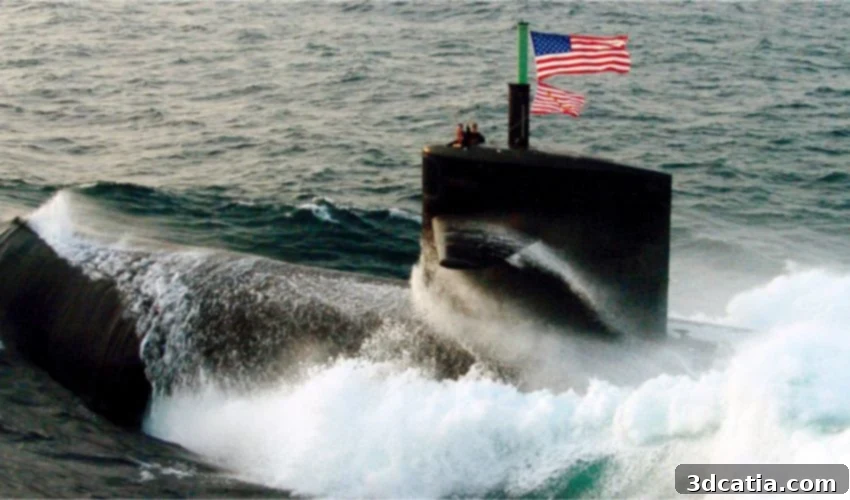
Revolutionizing Naval Readiness: US Navy Leverages SPEE3D’s Cold Spray 3D Printing for Critical Submarine Parts and Enhanced SUBSAFE Compliance
In a monumental stride towards modernizing defense manufacturing and significantly enhancing naval capabilities, SPEE3D, a leading Australian innovator in metal additive manufacturing, has been officially selected by the US Navy. This pivotal collaboration focuses on a groundbreaking project: developing advanced Subsafe manufacturing materials utilizing SPEE3D’s patented cold spray additive manufacturing (CSAM) technology. This strategic partnership with the Naval Sea Systems Command (NAVSEA) forms an integral part of a broader, comprehensive initiative centered on Expeditionary Maintenance and Sustainment, with the ultimate objective of not only meeting but exceeding the extraordinarily stringent quality and safety standards mandated by the Submarine Safety Program (SUBSAFE).
The commitment of the US Navy to SPEE3D’s innovative technology marks an unprecedented milestone in military additive manufacturing. It represents the very first instance where cold spray additive manufacturing will be thoroughly investigated and potentially adopted as a primary manufacturing methodology for critical SUBSAFE-compliant applications. The implications of this development are vast, promising to reshape how essential components for the nation’s submarine fleet are produced and maintained. Working in close conjunction with the Applied Research Laboratory of the Pennsylvania State University (ARL/PSU), a highly respected and long-standing NAVSEA partner renowned for its expertise in cold spray technology development and transition, SPEE3D is poised to pioneer an entirely novel and incredibly efficient method. This method aims to rapidly manufacture existing parts, as well as potentially new designs, for the most critical submarine systems, ensuring operational readiness and extending the lifespan of vital naval assets.
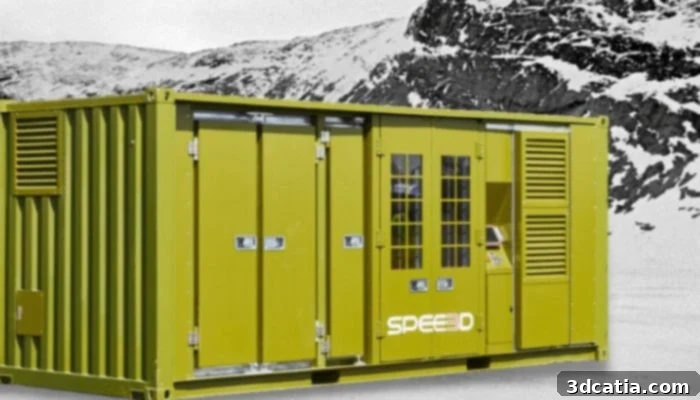
Metal cold spray additive manufacturing will be used to create NAVSEA’s submarine parts (Photo credit: SPEE3D)
The integration of SPEE3D’s unique capabilities is set to profoundly revolutionize the entire manufacturing process for essential submarine parts. Traditionally, the production of such specialized components can often span months due to complex supply chains, specialized tooling requirements, and stringent quality assurance protocols. However, with SPEE3D’s advanced cold spray technology, this timeline could be drastically condensed, transforming lead times from months into mere hours. This accelerated production capability is not merely an incremental improvement; it represents a paradigm shift that will significantly enhance the US Navy’s ability to maintain its fleet, respond to unforeseen challenges, and reduce the logistical footprint of repair operations. The technology itself boasts a proven track record, having undergone extensive and rigorous testing by the US, UK, and Australian militaries, consistently demonstrating its exceptional reliability, durability, and effectiveness in demanding operational environments. Furthermore, one of the key strengths of SPEE3D’s platform lies in its agnostic approach, offering unparalleled versatility. It enables the rapid manufacturing of components from a diverse array of metals, including robust aluminum 6061, resilient aluminum bronze, and highly conductive copper, thereby catering to the varied material requirements of complex submarine systems.
div class=”dnati-inside-article-leaderboard” id=”dnati-2113643911″ style=”text-align: center;”>
The US Navy’s Strategic Surge Towards 3D Printing and Additive Manufacturing
The US Navy’s recent engagement with SPEE3D is part of a much broader and deliberate strategy to integrate cutting-edge additive manufacturing technologies into its operational framework. Earlier in the year, the Navy demonstrated its escalating interest in 3D printing through its acquisition of AML3D technology, specifically targeting the critical task of supplying essential parts to the submarine industrial base. While additive manufacturing has seen increasing application in surface ships, such as the deployment of a metal 3D printer aboard the USS Essex, projects directly related to submarines had been comparatively limited prior to the AML3D acquisition. However, the profound challenges posed by persistent supply chain disruptions, which have historically plagued the timely delivery of submarine components, prompted the US Navy to recognize the transformative potential of 3D printing. This recognition has catalyzed a series of strategic collaborations aimed at leveraging additive manufacturing to resolve these critical logistical bottlenecks, ensuring that the submarine fleet remains operational and mission-ready.
At the heart of the partnership with AML3D was the strategic adoption of their Wire Additive Manufacturing (WAM) technology, which represents a sophisticated form of Directed Energy Deposition (DED) 3D printing. WAM technology ingeniously combines a precisely controlled electric arc with specialized welding wire, enabling the creation of robust, industrial-grade metal parts with exceptional material properties. The centerpiece of this initiative was the ARCEMY® ‘X-Edition 6700’ system, a state-of-the-art additive manufacturing platform, which was strategically stationed at the Oak Ridge National Laboratory. As the largest science and energy laboratory within the extensive U.S. Department of Energy system, Oak Ridge provides an unparalleled environment for advanced research, development, and scaling of innovative technologies. This strategic placement is instrumental in facilitating the rapid scaling of critical part production, directly addressing the urgent demands of the U.S. Navy’s submarine industrial base. By having such advanced capabilities co-located with leading scientific expertise, the Navy can streamline the qualification and deployment of newly manufactured components, drastically reducing the time from design to deployment.

U.S Navy’s ARCEMY® ‘X- Edition 6700’ system from AML3D bought earlier in the year (photo credits: AML3D)
Building upon these foundational steps with AML3D, the U.S. Navy’s most recent collaboration with SPEE3D further solidifies its commitment to embracing additive manufacturing as a cornerstone of future naval operations. Commenting on this significant development, Steven Camilleri, Co-Founder and CTO at SPEE3D, shared his enthusiasm: “We are profoundly honored to be chosen and trusted by the U.S. Navy to participate in this truly groundbreaking project. Our team has had the privilege of working successfully with the U.S. Navy in the past, and through those experiences, we deeply understand the unique and complex challenges they consistently face. These challenges include the pressing need for manufacturing capabilities that are not only exceptionally fast and unequivocally reliable but also easily deployable to critical points of need, whether at sea or in remote operational theaters. Our cold spray technology is perfectly positioned to address these demands, offering robust, on-demand manufacturing solutions that were previously unimaginable.”
This dynamic partnership between SPEE3D, the formidable US Navy, and the distinguished ARL/PSU unequivocally underscores the continuous, relentless drive for innovation and operational improvement that defines the modern defense industry. By strategically leveraging the transformative power of cold spray additive manufacturing, this ambitious project is specifically designed to significantly advance the production efficiency and quality of submarine parts. Furthermore, it aims to profoundly enhance maintenance and sustainment operations, ensuring that the US Navy’s fleet of submarines remains at peak operational readiness. Ultimately, these advancements will bolster the overall safety, extend the operational life, and improve the mission efficiency of the US Navy’s critical submarine fleet, contributing directly to national security and global stability. The ability to rapidly produce critical, certified components on demand, even in expeditionary environments, promises to be a game-changer for naval logistics and strategic deployment. For those eager to delve deeper into the specifics of this groundbreaking initiative and understand its full scope, more comprehensive information can be found by following the link HERE.
What are your thoughts on this significant partnership between SPEE3D and the US Navy, and its potential impact on naval defense and additive manufacturing? We invite you to share your insights and opinions in a comment below or join the conversation on our official social media channels, including LinkedIn, Facebook, and Twitter. Don’t forget to subscribe to our complimentary weekly Newsletter here to receive the very latest updates and breaking news in the world of 3D printing, delivered directly to your inbox! Additionally, you can explore all our exclusive video content and interviews on our dedicated YouTube channel.
*Cover photo credits: US Navy