
Spectroplast: Revolutionizing Industries with Advanced Silicone 3D Printing and Mass Customization
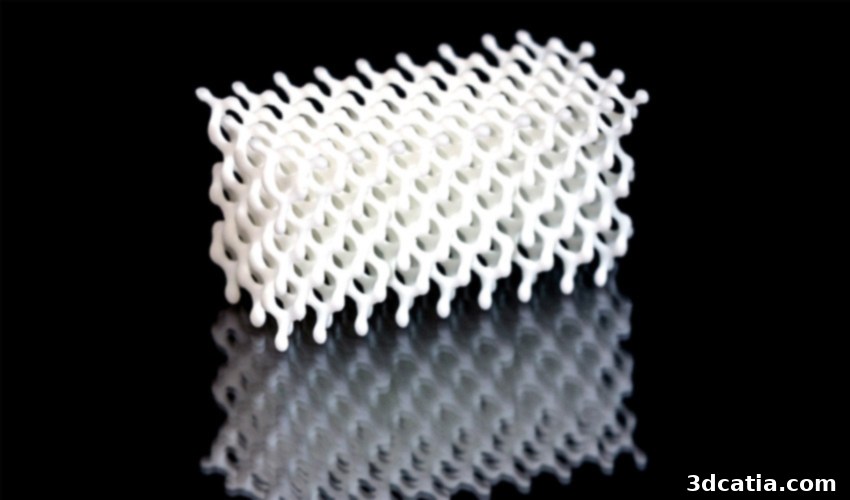
Spectroplast, a visionary startup that emerged from the renowned ETH Zurich, is at the forefront of a groundbreaking revolution in additive manufacturing. Specializing in SLA (Stereolithography) silicone 3D printing, the company offers a unique service dedicated to producing highly functional parts for diverse mass markets. Their journey began after several years of intensive research and development into sophisticated silicone resins at ETH Zurich, culminating in the official formation of the company in October 2018. Founded by a dynamic team of four individuals, each bringing distinct experiences and invaluable expertise to the table, Spectroplast is poised to redefine how industries approach silicone component production.
In an exclusive interview, Petar Stefanov, Co-Founder and CTO of Spectroplast, shared profound insights into the company’s mission, its innovative technology, and his expansive vision for industrial-scale 3D printing using silicone. He elaborated on the immense potential applications this technology holds across various sectors, highlighting Spectroplast’s commitment to transforming conventional manufacturing paradigms and enabling unprecedented levels of customization and efficiency.
The Genesis of Spectroplast: Pioneering Silicone Additive Manufacturing

Petar Stefanov
Spectroplast AG, a Swiss start-up proudly spun out of ETH Zurich, was officially established in October 2018. Our core competency lies in the unparalleled ability to transform digital silicone designs into tangible, functional products using our cutting-edge 3D printing process. We leverage high-precision silicone additive manufacturing technologies to achieve results previously deemed impossible, bridging a significant gap in the additive manufacturing landscape.
One of the most remarkable aspects of our technology is the capacity to produce readily functional products using virtually any off-the-shelf silicone material. This eliminates the traditional reliance on molds, which are inherently expensive and time-consuming to design, fabricate, and maintain. By circumventing the need for molds entirely, Spectroplast drastically cuts both production costs and lead times, offering a truly agile and economically viable solution for custom silicone parts.
Our young and dynamic team comprises experts spanning technology, business strategy, and advanced research. This multidisciplinary foundation fuels our ambitious goal: to successfully commercialize silicone 3D printing on a global scale. Through innovative Additive Manufacturing (AM) processes, we are committed to bringing high-performance 3D printed silicone products to the mass market, creating tangible and positive impacts across various industries and segments. We envision a future where customized silicone solutions are not just accessible but are the standard for diverse applications, from consumer goods to specialized industrial components and medical devices.
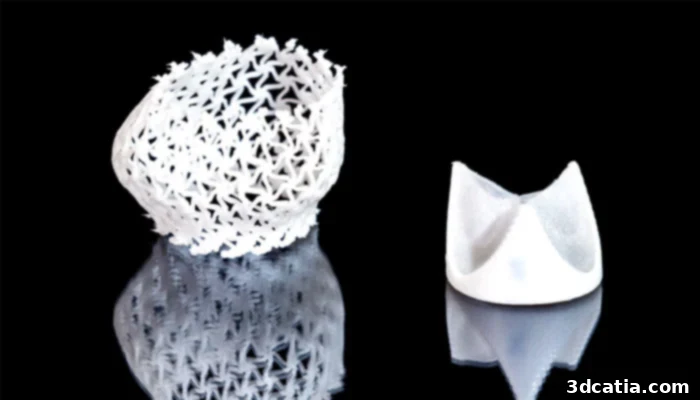
Photo Credits: Spectroplast AG
Unveiling Spectroplast’s Patented Silicone 3D Printing Process
Our proprietary silicone 3D printing technology operates on principles similar to traditional SLA or DLP (Digital Light Processing) additive manufacturing, but with critical innovations tailored specifically for silicone. The process begins by introducing liquid silicone into a specialized printing vat. A printing platform is then precisely lowered into this vat, positioning itself just beneath the surface of the silicone liquid. Subsequently, a wiper mechanism meticulously spreads a thin, uniform film of silicone onto the platform, ensuring optimal material distribution for the next layer.
Once the thin film is in place, light, specifically calibrated for silicone solidification, is used to illuminate and selectively cure the areas that correspond to the desired cross-section of the part. This targeted illumination solidifies the silicone layer by layer. After each layer is cured, the platform incrementally sinks deeper into the liquid silicone, creating space for the next thin film to be spread and solidified. This precise, iterative process continues until the entire three-dimensional object is fully formed. At the conclusion of the printing cycle, the finished silicone parts emerge from the liquid, requiring minimal post-processing.
A significant advantage of Spectroplast’s technology is its compatibility with materials traditionally used in SLA or DLP 3D printing, enabling the direct fabrication of complex silicone parts straight out of the printer. This capability dramatically contrasts with conventional silicone component fabrication methods, which typically rely on injection molding or casting. Both of these traditional approaches necessitate the creation of expensive and time-consuming molds. Our direct fabrication method entirely circumvents the use of molds, providing an agile and cost-effective alternative for product development and production, particularly for complex geometries or low-volume custom parts.
Furthermore, our technology is designed to be versatile, allowing us to utilize industry-standard silicones. This flexibility means we can often collaborate directly with customers to jointly develop or select materials that precisely meet their specific functional and performance requirements. In addition to leveraging existing materials, Spectroplast has also independently developed a comprehensive range of silicones that cover a wide spectrum of stiffness, and we are continuously expanding these material options to address even more diverse application needs and engineering challenges.
Diverse Applications of Silicone Additive Manufacturing
Spectroplast’s silicone additive manufacturing technology is set to revolutionize a multitude of industries, addressing the critical need for customized, high-performance silicone components. In our initial rollout phase, we are actively targeting broad industries that frequently require bespoke sealing solutions or specialized silicone components such as valves, gaskets, bellows, and custom diaphragms. These applications span a vast spectrum, from highly specialized fields like soft robotics, where compliant materials are essential for advanced manipulation and movement, and sophisticated damping applications that require precise energy absorption, to established sectors like the automotive and aerospace industries, which demand durable and reliable components for demanding environments. Even everyday industries, such as the food and beverages sector, can benefit from our technology for producing items like custom baking and cooking accessories, ensuring food-grade safety and design flexibility.
Beyond industrial applications, we also envision direct and exciting uses for silicone AM in the entertainment industry. This includes artistic creations, animatronic components that require lifelike flexibility, and even innovative toys for both children and adults, opening new avenues for creativity and product development.
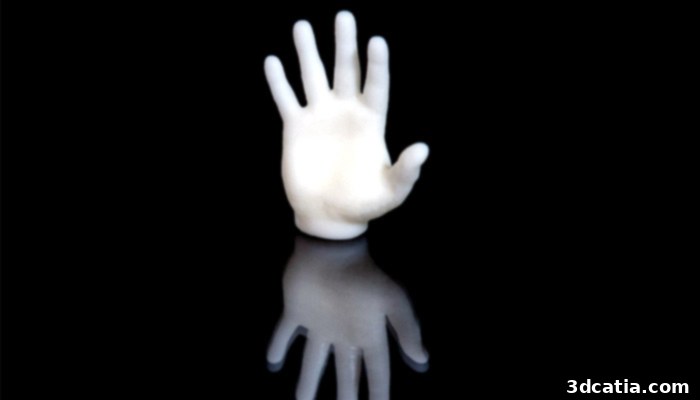
Photo Credits: Spectroplast AG
Looking ahead, our second rollout phase is strategically focused on industries that require life-enhancing and highly customized medical applications. This critical area includes the production of bespoke headphones and wearables that offer superior comfort and fit, patient-specific hearing aids precisely tailored to individual anatomy for enhanced performance, and customized shoe soles and similar outerwear or external products that provide therapeutic or ergonomic benefits. The ability to create perfectly fitting, biocompatible silicone components for personal medical use represents a significant leap forward in patient care and comfort.
In the not-too-distant future, we foresee even more profound applications in the field of fully customized healthcare products and patient-tailored medical implants. This includes everything from prosthetic liners to highly specialized internal implants, where the precision, biocompatibility, and customizability of 3D printed silicone will dramatically improve patient outcomes and quality of life.
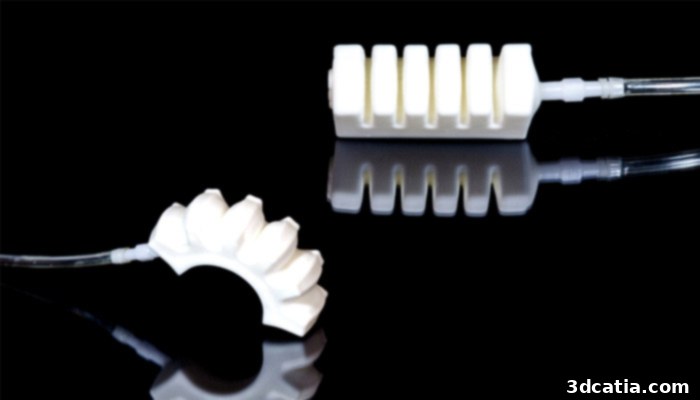
Photo Credits: Spectroplast AG
Advantages and Overcoming Challenges in Silicone 3D Printing
Silicone, as a material, offers a compelling array of benefits that make it ideal for a vast spectrum of applications. It is renowned for being a safe and biocompatible material, qualities that have led to its widespread use in everything from general-purpose sealants to life-saving medical implants. Despite its versatility and critical importance, silicones have historically been inaccessible to mainstream Additive Manufacturing technologies. AM has primarily excelled in materializing rigid objects made from metals, ceramics, or hard plastics. However, when we observe nature, we find a rich “cosmos” of soft, compliant materials that exhibit remarkable properties – transforming, morphing, and even self-healing. Nature masterfully utilizes these flexible materials to adapt, interact, and conform seamlessly to its environment. Soft materials are inherently characterized by their multifunctionality, adaptability, and responsiveness, traits that rigid materials simply cannot replicate.
Until now, such soft and compliant materials were largely beyond the capabilities of conventional additive manufacturing. At Spectroplast, we have pioneered the world’s first truly effective SLA silicone printing technology. This breakthrough allows us to dramatically expand the range of printable materials, moving beyond rigid plastics and metals to include highly stretchable, soft silicones. This innovation opens up entirely new design possibilities and product functionalities that were previously unattainable with AM.
However, 3D printing silicones presents unique and significant challenges. Firstly, silicone typically exhibits a high viscosity, meaning it behaves more like a thick gel that does not easily spread or flow, which is problematic for layer-by-layer deposition. Secondly, traditional silicones often require high temperatures for curing or solidification, which can be difficult to manage in a precise additive manufacturing environment. With our patented technology, Spectroplast has successfully engineered solutions that overcome these critical limitations. Our process meticulously controls viscosity and temperature profiles, enabling the reliable and precise 3D printing of silicone, paving the way for its widespread adoption in advanced manufacturing.
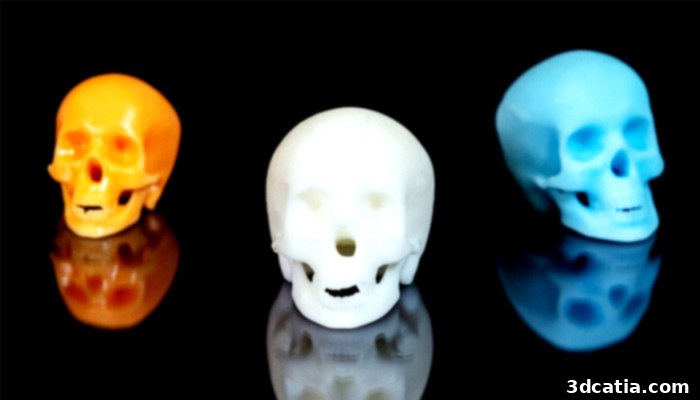
Photo Credits: Spectroplast AG
Spectroplast’s Vision: Future Projects and Expansion
At the time of this interview, Spectroplast had ambitious plans for the near future. By mid-2019, the company aimed to significantly expand its component production capabilities, offering solutions that were ready to be customized and delivered to a broader client base. These expansions were set to include anatomically relevant medical models, such as surgical training phantoms, which provide invaluable tools for medical education and pre-surgical planning. Additionally, the company planned to enter the baby care market with products like nursing nipples, pacifiers, and suction cups, leveraging silicone’s safety and flexibility. Another key area of focus was customized healthcare and medical exo-plants, including personalized hearing aids, designed for optimal fit and comfort.
Looking further ahead to 2022 and beyond, Spectroplast’s vision expanded to encompass the ability to produce highly precise, personalized healthcare products and advanced medical implants. These groundbreaking solutions are designed to significantly enhance the lifestyle and well-being of individuals in need. This future portfolio was projected to include fully customized medical implants, dental prosthetics, and plastic surgery implants, among other sophisticated applications. The ability to create patient-specific solutions with superior precision and biocompatibility underscores Spectroplast’s commitment to advancing medical technology through additive manufacturing.
The Transformative Future of Silicone 3D Printing
Currently, the design and manufacturing of silicone parts are predominantly geared towards high-throughput, mass production methods like injection molding. However, there is a rapidly growing and significant market demand for customized silicone parts. This demand ranges from personalized wearables that offer enhanced comfort and functionality to highly patient-specific medical implants that must perfectly conform to individual human anatomy for optimal performance and integration. The limitations of traditional manufacturing in addressing this customization trend are becoming increasingly apparent.
Spectroplast firmly believes that mass customization, powered by advanced silicone Additive Manufacturing, will define the future of silicone manufacturing. There is already an estimated 7-10% market gap that conventional injection molding methods simply cannot address, either due to technical feasibility or economic viability. For instance, creating highly complex shapes with internal structures or intricate geometries is often impossible or prohibitively difficult using molds. Furthermore, for production volumes below 50,000 pieces per year, the high upfront costs associated with designing and fabricating molds rarely make traditional manufacturing methods economical. This is precisely where silicone 3D printing offers a compelling and superior alternative.
Our technology distinguishes itself by its exceptional precision and versatility. We can currently cover the full range of silicone hardness, from Shore A 0 (extremely soft) to Shore A 80 (quite rigid), all with the highest level of accuracy. Critically, the materials we utilize are certified, safe, and resilient, ensuring that the final products meet stringent industry standards for performance and biocompatibility. This unparalleled flexibility means that the only limit is imagination – customers can conceptualize virtually any silicone part, regardless of complexity or required softness, and entrust Spectroplast with its materialization. We empower designers and engineers to create without the constraints of traditional manufacturing, unlocking new possibilities across all sectors.
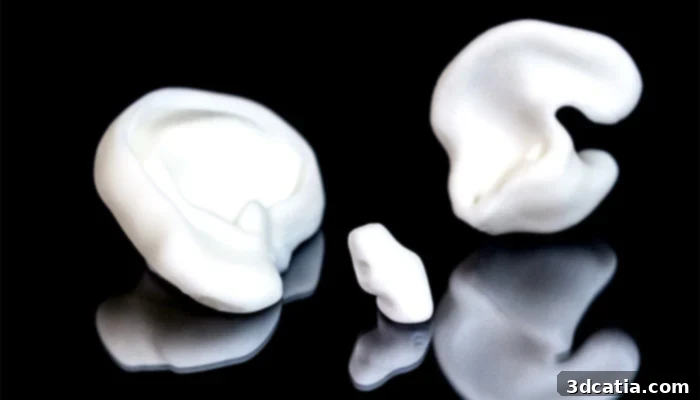
Photo Credits: Spectroplast AG
A Call to Embrace the Silicone AM Revolution
We invite our readers to stay closely attuned to the next material revolution unfolding within Additive Manufacturing. Spectroplast’s pioneering work in silicone 3D printing is poised to fundamentally revolutionize industries worldwide. This transformative technology promises to deliver not only enhanced product performance and customization but also a profound positive impact on society and the environment by reducing waste and enabling more sustainable production practices. The future of flexible, functional, and customized components is here, and it’s being shaped by silicone additive manufacturing.
What are your thoughts on this exciting interview and the potential of silicone 3D printing? Share your comments and insights on our Facebook and Twitter pages! Don’t miss out on the latest news in 3D printing – subscribe to our free weekly Newsletter, delivered straight to your inbox!