
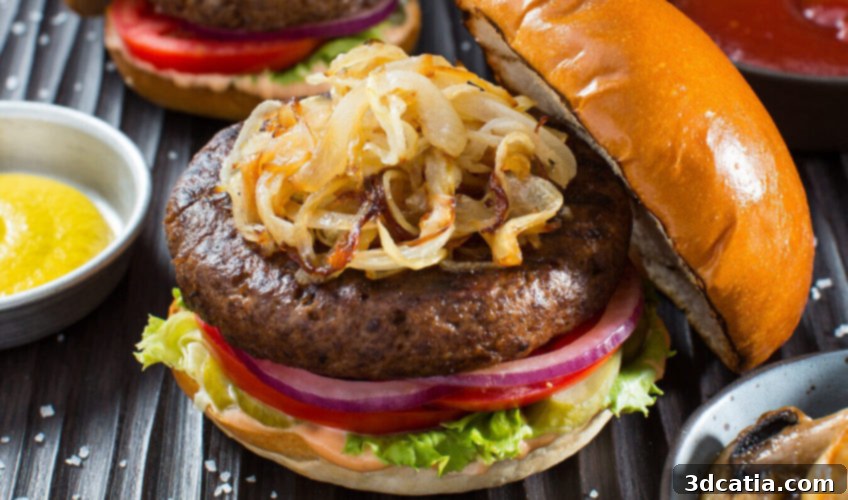
SavorEat Leads the Plant-Based Revolution: Pioneering 3D-Printed Meat Alternatives for a Sustainable Future
The landscape of global food production is undergoing a profound transformation, driven by innovation, sustainability concerns, and evolving consumer preferences. At the forefront of this culinary revolution is the Israeli food-tech company SavorEat, a trailblazer in the field of 3D-printed plant-based meat alternatives. This dynamic enterprise recently made significant waves by becoming the first company of its kind to be listed on the Tel Aviv Stock Exchange (TASE). Its initial public offering successfully raised NIS 42.6 million, equivalent to approximately 13 million US dollars, marking a historic moment not just for SavorEat, but for the entire food technology sector and the broader sustainable food movement. This financial milestone underscores growing investor confidence in the potential of advanced manufacturing and plant-based solutions to address critical global food challenges.
The trajectory of 3D-printed meat alternatives points towards an exceptionally promising future. Over the past year, especially catalyzed by global events such as the Covid-19 pandemic which highlighted vulnerabilities in traditional meat supply chains and led to shortages, interest and demand for innovative alternative food solutions have experienced an unprecedented surge. Even prior to these recent global disruptions, the Global Food 3D Printing Market was already projected for substantial expansion. According to a comprehensive report by Mordor Intelligence, this market was anticipated to grow at an impressive Compound Annual Growth Rate (CAGR) of 20.21% between 2020 and 2025. A significant factor contributing to this robust growth forecast was the escalating consumer desire for highly customized food products – a niche perfectly served by 3D printing technology. Consequently, SavorEat is not alone in this vibrant emerging sector; it is part of a burgeoning ecosystem of Israeli start-ups specializing in 3D-printed meat alternatives. Other notable competitors and innovators in this space include Redefine Meat, known for its focus on whole muscle cuts; MeaTech, which explores hybrid cultured meat approaches; and Aleph Farms, a pioneer in cellular agriculture. Aleph Farms notably demonstrated the extraordinary potential of this technology last year by successfully printing meat in space. This remarkable achievement unequivocally proved that it is entirely feasible to provide access to safe, nutritious, and sustainable meat anytime and anywhere on Earth, even under extreme conditions, while utilizing minimal resources. Such advancements highlight the transformative power of additive manufacturing in reshaping our approach to food production and consumption.

SavorEat specialises in 3D printed meat alternatives | Image via SavorEat
SavorEat’s Vision: Sustainable, Ethical, and Personalized Dining
At the core of SavorEat’s mission is a commitment to address the evolving demands of a global consumer base that is “becoming ever more aware of the ecological and ethical impact of meat consumption.” Beyond merely offering an alternative, SavorEat aims to cater precisely to individual preferences, delivering a dining experience that aligns with personal values and tastes. The negative impact of the conventional meat industry on our planet is extensively documented and widely recognized. It accounts for a staggering 18% of human-produced greenhouse gases, making it a significant contributor to climate change. Furthermore, traditional livestock farming drives widespread deforestation, particularly in vital ecosystems like the Amazon, contributes substantially to methane emissions which are far more potent than carbon dioxide, exacerbates global food waste through inefficient conversion ratios, and demands vast tracts of land and immense quantities of water. In stark contrast, SavorEat’s 3D-printed meat alternatives are designed from the ground up to be ethical, sustainable, and ecologically responsible. These innovative products are not only vegan but also gluten-free, kosher, and meticulously crafted using only non-GMO ingredients. They are entirely free from preservatives, artificial hormones, antibiotics, and common allergens, ensuring a clean and wholesome food option for a wide array of dietary needs. The integration of advanced additive manufacturing (AM) technology also facilitates a remarkably efficient and streamlined supply chain. Thanks to the unparalleled precision of 3D-printing and the extended shelf-life of plant-based ingredients, the amount of waste generated throughout the production process is significantly minimized. This dual advantage of reduced waste and improved logistics makes SavorEat a compelling model for future food systems.
The “Chef Robot”: Precision, Speed, and Customization in Action
One of SavorEat’s most revolutionary innovations is its proprietary “chef robot.” This sophisticated robotic system is capable of printing and grilling up to eight distinct dishes simultaneously, delivering a ready-to-eat meal in a mere six minutes. This speed and efficiency are game-changers for food service, enabling rapid preparation of fresh, custom orders. The underlying AM technology isn’t just about speed; it’s also about empowering mass customization, a concept previously unimaginable in food production. SavorEat has developed a compelling demo app that allows users to seamlessly customize their dishes directly from their own devices. This level of personalization extends beyond simple choices, enabling diners to tailor their meals according to highly specific taste profiles, strict dietary requirements, and individual lifestyle preferences. For instance, a customer could order a burger that is specifically low-fat, high-protein, cooked medium-rare, and possesses a light, delicate consistency—all while still receiving their precisely prepared meal within the impressive six-minute timeframe. Regardless of the chosen plant-based ingredients or the complexity of the personalization requests, SavorEat’s ingenious robot chef is consistently able to recreate the authentic taste and intricate texture of traditional meat. This capability is paramount, as it addresses one of the primary barriers to wider adoption of plant-based alternatives: the desire for a familiar and satisfying sensory experience. Beyond their renowned burgers, SavorEat’s product portfolio is expanding to include a diverse range of other plant-based items, such as juicy steaks, flavorful kebabs, and even innovative seafood alternatives, all benefiting from the same precision and customization offered by their unique technology. This broad offering demonstrates SavorEat’s ambition to cater to a variety of culinary traditions and preferences, further solidifying their position as a leader in the next generation of sustainable food solutions. You can delve deeper into SavorEat’s groundbreaking work and explore their vision for the future of food by visiting their official website.
The Broader Impact: Reshaping Food Systems for a Sustainable Future
The advancements pioneered by companies like SavorEat are not merely about creating new food products; they represent a fundamental shift in how we conceive, produce, and consume food. The implications of 3D-printed plant-based meat alternatives extend far beyond individual dietary choices, touching upon global food security, environmental sustainability, and personalized nutrition. As the world population continues to grow, putting immense pressure on finite resources, scalable and sustainable food production methods become critically important. Plant-based 3D printing offers a compelling solution by requiring significantly less land, water, and energy compared to traditional animal agriculture, thereby alleviating environmental strain and contributing to climate change mitigation. Moreover, the ability to customize food at a molecular level opens unprecedented opportunities for addressing nutritional deficiencies and catering to specific health requirements, potentially revolutionizing dietary management for individuals with allergies, chronic diseases, or unique physiological needs. This precision not only ensures healthier eating but also minimizes food waste by producing exactly what is needed, tailored to the consumer. The integration of artificial intelligence and robotics in food preparation, as demonstrated by SavorEat’s chef robot, also promises enhanced hygiene, consistency, and efficiency in commercial kitchens and beyond. This confluence of technological innovation and a deep commitment to planetary well-being positions SavorEat and its peers at the vanguard of a movement poised to redefine our relationship with food. The future of dining is likely to be more ethical, environmentally conscious, and exquisitely personalized, offering a blueprint for a resilient and thriving global food system.
What are your thoughts on the revolutionary potential of 3D-printed meat alternatives and the role of companies like SavorEat in shaping our culinary future? We invite you to share your insights in the comments section below or join the conversation on our Facebook and Twitter pages! Don’t miss out on the latest advancements and breaking news in the exciting world of 3D printing. Sign up for our free weekly Newsletter to have all the essential updates delivered straight to your inbox!