
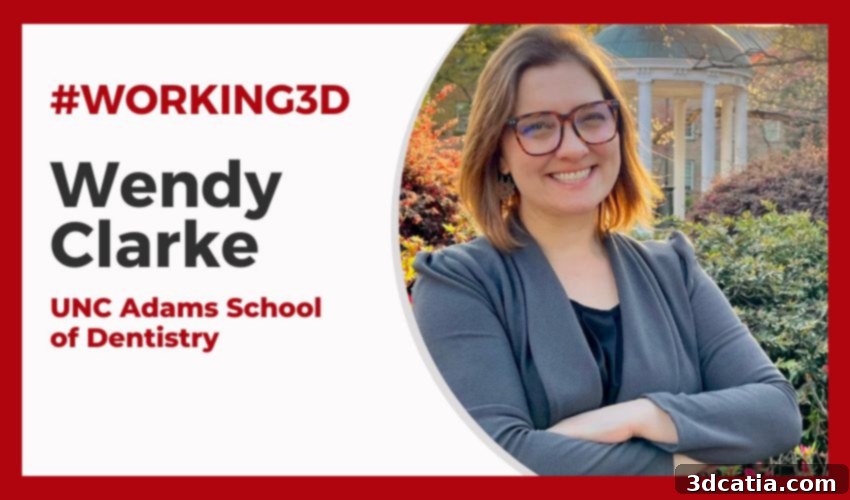
Advancing Dentistry with Additive Manufacturing: A Day in the Life of a Digital Prosthodontist
Welcome back to our insightful #Working3D series, where we delve deep into the diverse and dynamic professions shaping the additive manufacturing sector. This installment shines a spotlight on a particularly impactful application: dental 3D printing. This specialized segment of the industry is not just growing; it’s experiencing an explosive transformation, with market valuations estimated at an impressive $3.1 billion in 2023. Projections for the coming years indicate sustained, robust growth, unequivocally positioning dentistry as a cornerstone application for 3D printing technology. The vastness of this evolving industry, however, can make it challenging to navigate the myriad of available career opportunities. To demystify this exciting field, we sought insights from Dr. Wendy Clark, a distinguished prosthodontist and an integral faculty member at the University of North Carolina – Chapel Hill. Dr. Clark is at the forefront of integrating 3D printing into her daily clinical practice and academic responsibilities. We had the privilege of sitting down with her to explore her unique position, the essential qualifications for aspiring professionals, and a glimpse into her day-to-day work, showcasing how additive manufacturing is revolutionizing restorative dentistry.
Meet Dr. Wendy Clark: A Leader in Digital Prosthodontics
Could you please introduce yourself and your professional journey?
My name is Wendy Clark, and I am a prosthodontist. This dental specialty is dedicated to the meticulous focus on tooth replacement and complex oral restoration. Beyond my clinical practice, I am recognized as an expert in leveraging advanced 3D technologies within this intricate field. My journey has been driven by a passion for innovation and a commitment to enhancing patient care through cutting-edge solutions. Prosthodontics, by its very nature, demands precision, artistry, and an in-depth understanding of oral function and aesthetics. The integration of digital technologies, particularly additive manufacturing, has elevated these aspects, allowing for unprecedented levels of customization and efficiency in treatment planning and execution. From designing intricate crowns and bridges to crafting full dentures and planning complex implant cases, 3D printing has become an indispensable tool in my arsenal, fundamentally transforming how I approach restorative challenges and ultimately improving the lives of my patients.
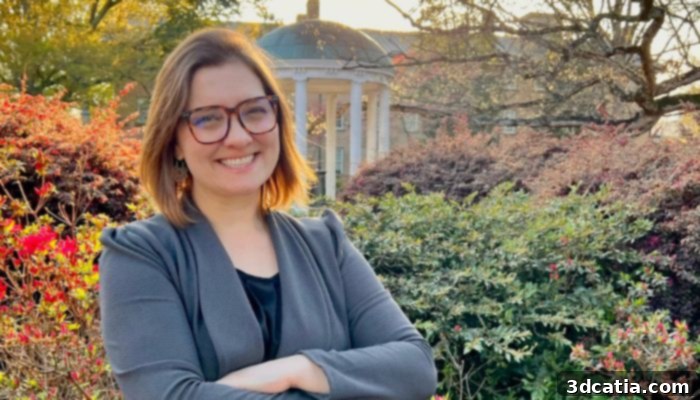
Dr. Wendy Clark
Embracing Additive Manufacturing: A Paradigm Shift in Dental Care
How did you first discover and become involved with additive manufacturing?
My interest in additive manufacturing was sparked at a pivotal time when it was first being introduced and gaining traction within the dental community. The moment I recognized its profound potential to significantly improve patient outcomes and broaden access to high-quality dental care, I knew I wanted to be an active participant in this transformative progress. This initial fascination with digital dentistry, driven by the promise of precision, customization, and efficiency, has only intensified over the years and continues to be a cornerstone of my professional focus. The ability to move beyond traditional impressions and manual fabrication to digital design and 3D printed dental solutions offered a glimpse into a future where dental treatments could be more predictable, less invasive, and ultimately, more comfortable for patients.
As both a dedicated clinician and an educator, the advent of 3D printing has fundamentally reshaped nearly every facet of my career. For many years, I have been deeply immersed in implementing digital denture workflows within my clinical practice. However, the game-changer truly arrived with the FDA clearance of 3D printed dental resins and the subsequent development of higher-impact, more durable resin materials. These advancements have drastically enhanced the reliability and longevity of 3D printed prosthetics, making them a viable and superior alternative to conventional methods for a wider range of applications. With streamlined 3D printed denture workflows, I can now significantly expedite patient care, often completing cases with in-office printing that previously required multiple, time-consuming laboratory steps. This efficiency not only reduces patient wait times and chair time but also allows me to collaborate with service clinics, providing high-quality, accessible dental solutions that would have been logistically and economically unfeasible using traditional techniques. The speed, precision, and customization afforded by this technology are truly revolutionary, enabling us to deliver superior results with greater consistency and patient satisfaction.
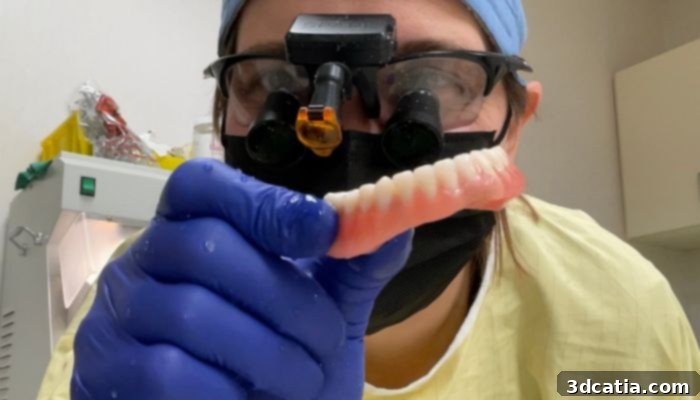
Dr. Clark holding a full 3D printed denture
Life as a Digital Prosthodontist and Educator
What is your current role, and what does a typical day look like for you?
I serve as a full-time faculty member at the University of North Carolina Adams School of Dentistry, a role that blends my passion for teaching with my expertise in advanced clinical practice. A significant portion of my time is dedicated to educating the next generation of dental professionals, guiding dental students in both classroom settings and hands-on clinic environments. My curriculum focuses on foundational dentistry principles, which are essential for any dental practitioner, alongside the rapidly evolving world of digital dentistry. This includes teaching them everything from intraoral scanning and CAD software design to the practical aspects of 3D printing and post-processing dental appliances. I also allocate a substantial part of my schedule to collaborating with students and residents on various research projects. These investigations predominantly revolve around optimizing digital dental workflows, evaluating new 3D printing materials, and assessing their clinical efficacy and long-term performance. Additionally, I maintain a clinical presence, treating patients one day a week in our dental faculty practice, where I apply the very techniques and technologies I teach, often focusing on complex restorative cases that benefit most from digital solutions like 3D printed surgical guides for implant placement, customized crowns, and full arch restorations.
The year 2020 brought unprecedented challenges, particularly to our teaching methodologies at the dental school. The global pandemic severely disrupted supply chains, making many essential tools and teaching aids unavailable. In response, my resourceful colleagues and I harnessed the power of digital innovation: we were able to scan existing tools and then 3D print replacements, ensuring that our students continued to have access to the necessary resources for their practical training. This period truly underscored the adaptability and resilience offered by digital technologies. We leveraged CAD software in conjunction with 3D printing to create entirely new pedagogical approaches, teaching concepts and skills in ways that were previously unimaginable. This innovative shift allowed us to maintain educational continuity and even enhance the learning experience despite significant external pressures.
Since that pivotal period, I have observed a remarkable surge in curiosity and an innovative mindset among many of my students. They are not merely learning about these technologies; they are actively engaging with them, pushing boundaries, and exploring new possibilities. We’ve had incredible opportunities, such as beta testing cutting-edge CAD teaching software, conducting in vitro materials research on novel printed dental resins, and collaboratively exploring the vast potential of digital dentistry. The energy and enthusiasm they bring to the lab and clinic are palpable, creating an invigorating environment of discovery and progress. I feel incredibly fortunate to work alongside these bright, future leaders in dentistry, guiding them as they master and expand upon the capabilities of 3D technology. Their insights and eagerness to innovate are truly inspiring, shaping not only their own careers but also the future landscape of dental care.
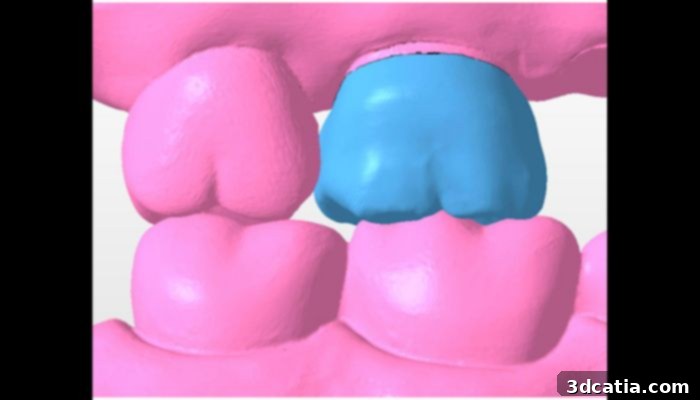
A design file for 3D printed crowns made by Dr. Clark’s students
Pathways to Becoming a Digital Prosthodontist
What qualifications and experience are required for someone in your position, or for someone aspiring to work in digital dentistry?
To reach my current position as a prosthodontist, I completed a rigorous three-year prosthodontics residency program after earning my dental degree. This specialized training focuses intensively on the diagnosis, treatment planning, rehabilitation, and maintenance of oral function, comfort, appearance, and health of patients with clinical conditions associated with missing or deficient teeth and/or oral and maxillofacial tissues. The residency provides in-depth experience with a wide array of restorative procedures, including fixed and removable prosthodontics, dental implants, and maxillofacial prosthetics, alongside advanced training in biomaterials science and occlusion. While this pathway offers a comprehensive foundation for advanced restorative dentistry, it’s important to recognize that there are numerous other valuable entry points into the exciting field of digital dentistry. For instance, individuals pursuing careers in dental laboratory technology play a crucial role, often becoming experts in CAD/CAM design, 3D printing, and milling of dental prostheses. Their understanding of digital workflows, material science, and fabrication techniques is indispensable. Similarly, dental assisting, which increasingly incorporates digital scanning and software interaction, offers another avenue for those interested in the clinical application of these technologies. The interdisciplinary nature of digital dentistry means that a diverse set of skills and backgrounds can contribute significantly to its advancement, making it an accessible and dynamic field for many aspiring professionals.
Navigating the Frontiers of Evidence-Based Digital Dentistry
What are the biggest challenges you face as a prosthodontist working with rapidly evolving digital technologies?
As both an educator and a clinician, one of the most significant challenges we confront is the delicate balance between rapid technological advancement and the imperative of “evidence-based dentistry.” Our commitment is always to provide the highest quality, most predictable care for our patients, which necessitates relying on robust scientific evidence to validate materials, techniques, and workflows. However, the pace of innovation in additively manufactured dental materials is incredibly fast. New resins, printer technologies, and post-processing methods are constantly emerging. Often, by the time a novel additively manufactured dental material undergoes rigorous testing, is subjected to extensive clinical trials, and finally published in a peer-reviewed journal – a process that can take several years – it has already been superseded by an even newer material or rendered obsolete by more advanced technology. This rapid evolution creates a considerable gap between industry innovation and academic validation, making it exceptionally difficult to stay “ahead of the curve” while still adhering strictly to evidence-based protocols. We are constantly evaluating new materials and techniques, striving to differentiate between marketing hype and true clinical advancements, and working to integrate validated innovations responsibly into our practice and teaching. This challenge underscores the critical need for accelerated research and publication cycles, as well as robust regulatory frameworks that can keep pace with technological advancements without compromising patient safety and treatment efficacy.
Your First Step into Digital Dentistry: Practical Advice for Aspiring Professionals
What advice would you give to someone hoping to work as a prosthodontist or in digital dentistry?
For anyone aspiring to embark on a career as a prosthodontist or to specialize in the dynamic field of digital dentistry, my foremost advice is simple yet profoundly impactful: “Find a printer to play with!” While industrial-grade dental printers and specialized dental resins can represent a significant investment, making the initial learning curve seem daunting, there are highly accessible and affordable alternatives. When I first sought to deepen my understanding of digital dental workflows, I discovered the immense value of starting with a low-cost hobby printer. Coupled with inexpensive resin options, these entry-level machines offered a fantastic, low-stakes environment to experiment and learn without the pressure of costly mistakes. This hands-on approach allowed me to familiarize myself with the fundamental principles of 3D printing – from understanding slicing software and optimizing print parameters to mastering post-processing techniques and troubleshooting common issues. It’s about developing an intuitive feel for the technology, grasping its capabilities, and understanding its limitations. This practical experience builds confidence and demystifies the entire process, making the transition to professional-grade equipment and advanced applications much less intimidating. Embrace this exploratory phase; it is an invaluable stepping stone to becoming proficient and innovative in digital dentistry. Furthermore, actively seek out online communities, workshops, and courses focused on digital dentistry and 3D printing. The field is highly collaborative, and continuous learning is key to staying at the forefront of this exciting revolution in dental care.
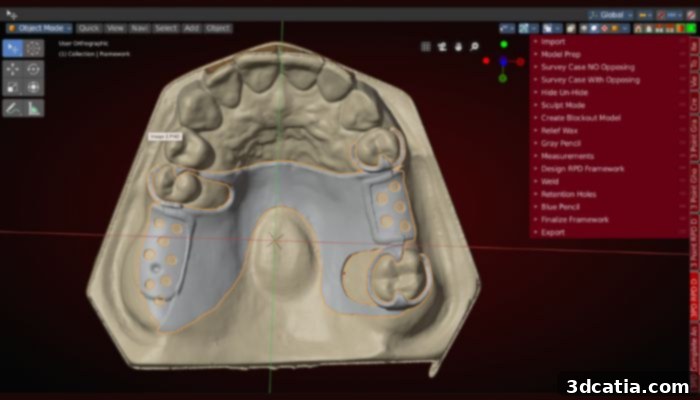
A design for a partial denture
The integration of 3D printing in dentistry, exemplified by the pioneering work of prosthodontists like Dr. Wendy Clark, is not merely a trend; it’s a fundamental shift in how we approach patient care, education, and innovation in oral health. The future of dentistry is undeniably digital, promising unprecedented levels of precision, customization, and accessibility. What are your thoughts on the transformative work of a prosthodontist utilizing 3D printing to advance dental care? We’d love to hear your perspective! Let us know in a comment below or join the conversation on our LinkedIn, Facebook, and Twitter pages! Don’t forget to sign up for our free weekly newsletter here to receive the latest 3D printing news straight to your inbox! You can also find all our compelling videos and interviews on our YouTube channel.
*All Photo Credits: Dr. Wendy Clark