News
Zellerfeld Has Launched a Platform for 3D Printed Footwear
It should come as no secret that one of the major benefits of 3D printing is its ability to customize. Indeed, this is one of its major values in not only consumer goods but also the medical sector as it…
- 3 min read
- News
- Six more stories
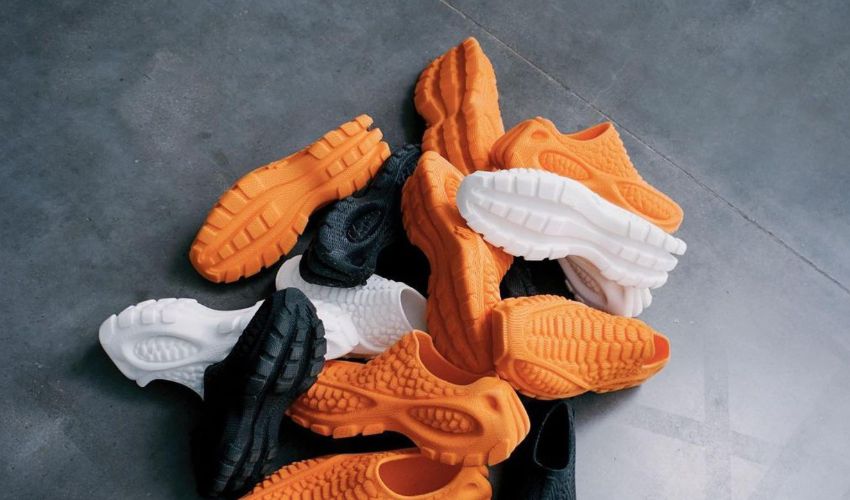
It should come as no secret that one of the major benefits of 3D printing is its ability to customize. Indeed, this is one of its major values in not only consumer goods but also the medical sector as it allows for the creation of parts that are fully adapted to each user. This has also been the case for 3D printed footwear, with numerous brands, including leaders in the industry like adidas and Reebok, getting behind the technology. And now, it could be easier than ever. Zellerfeld, the company behind many of these 3D printed shoe projects, has announced the launch of its open beta 3D printed footwear platform.
As mentioned, Zellerfeld is no stranger to 3D printing shoes. The company works on the idea of providing 3D printed footwear for users that is 3D printed to your feet, fully recyclable and factory-free, for an overall more sustainable process. Each shoe is not only custom fitted to the shape of your feet thanks to a scan from your phone, but machine washable thanks to the 3D mesh material, made from sustainable materials by automated production (eliminating the need for overseas factories). It is perhaps these features that have endeared the company to so many major shoe brands, such as Danish outwear brand Rains which collaborated with Zellerfeld with their ‘Puffer Boot‘ which walked the Paris Fashion Week runway, or their collaboration with Heron Preston.
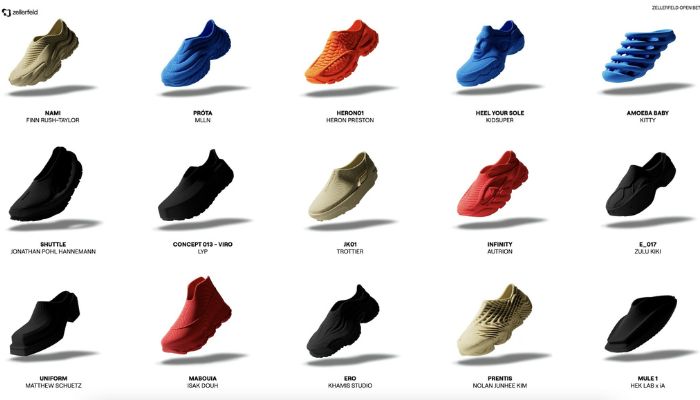
The shoes that are available on Zellerfeld’s 3D printed footwear platform
And though they may seem like buzzwords, eliminating the need for overseas factories and improving sustainability will help address two of the largest issues in the clothing and footwear industry. For example, the clothing industry is infamous for using overseas factories, often in lower-income countries such as Bangladesh. Moreover, with the rise of ‘fast fashion,’ where the latest trends require people to change their clothing almost every season requiring low prices from stores like H&M, the exploitation of people in those countries is increasing. Workers are underpaid and work in dangerous conditions, leading often to tragedies such as the 2013 Rana Plaza factory collapse which resulted in the death of 1,124 workers, the deadliest accidental structural failure in modern human history as well as the deadliest garment factory disaster in history. And reports suggest that human rights violations are only increasing. By turning to automated, localized production, 3D printing could help eliminate this issue.
More from the desk
Six other notes from the rest of the bench.
 NewsTCT Asia 2025: Experience the Next Era of Additive Manufacturing at the Event!Industry events play a crucial role in advancing additive manufacturing by connecting innovators, showcasing breakthroughs, and fostering collaboration. As one of Asia’s leading AM exhibitions, TCT Asia 2025 will bring together experts, businesses, and cutting-edge technologies t
 NewsSolvay, L’Oréal and Ultimaker Join Forces For 3D Printing Design CompetitionFor Solvay’s 3rd Annual Additive Manufacturing Cup, the company is joining forces with L’Oréal, the world’s beauty leader, and Ultimaker, a global leader in professional 3D printing, to challenge students, engineers, and creators from around the world to create innovative…
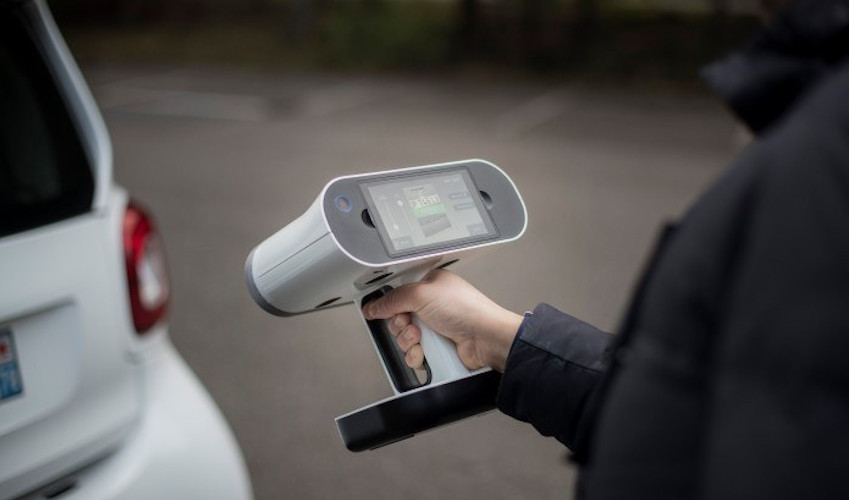 Printers3Dnatives Lab: Testing the Artec Leo 3D ScannerOver the years, the manufacturer Artec 3D has made a name for itself in the professional 3D scanner market thanks to the success of its portable Eva and Spider models. More recently, the manufacturer has evolved its range with the…
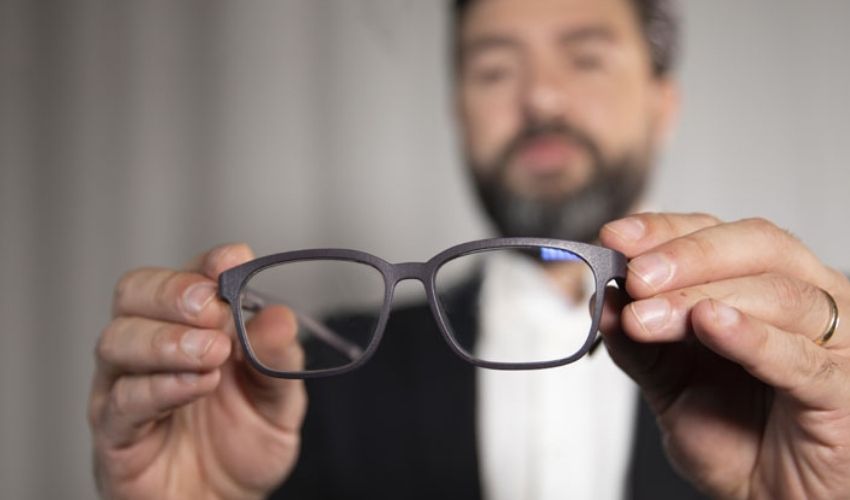 MaterialsMaterialise on Using Sustainable Materials to 3D-Print Designer EyewearOne of the many benefits of using 3D printing for the manufacture of products is that it enables companies to move from away mass-production to mass-customization — offering a selection of colors and styles to suit the tastes of each…
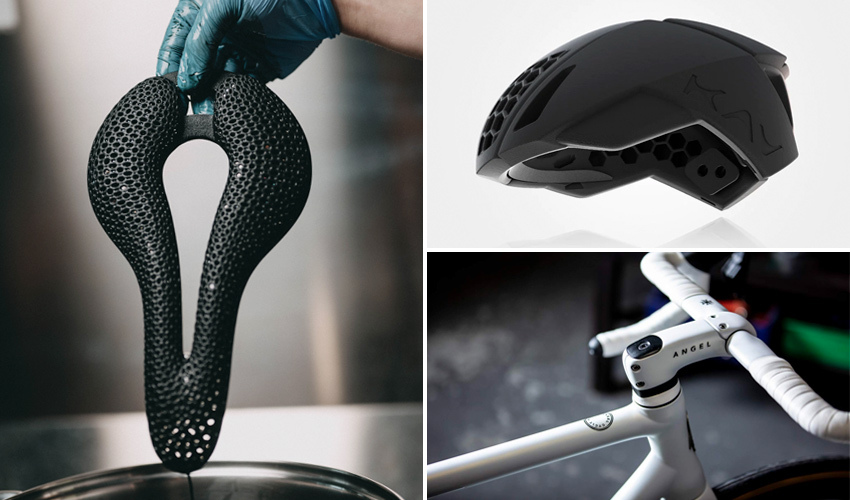 GuidesThe Top Bicycles Made With 3D PrintingAs you know, more and more additive manufacturing is playing an important role in the world of sports, where it allows for the design of custom-made equipment. Cycling is undoubtedly one of the sports where 3D technologies are most widely…
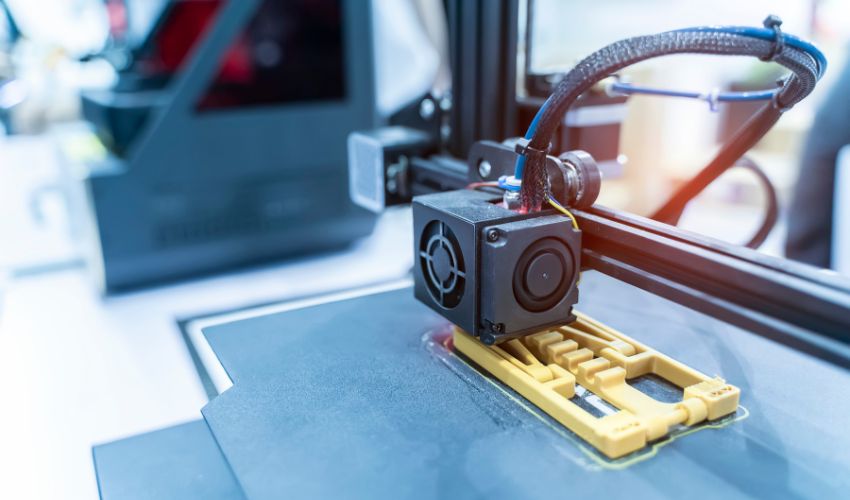 NewsIndustrial 3D Printer Shipments Suffer While Desktop Continues to SoarIt is no secret that financial markets the world over had a challenging year last year. Inflation and high interest rates have sparked fears for a recession, as even the International Monetary Fund noted that policies must be implemented to…