Materials
Materialise on Using Sustainable Materials to 3D-Print Designer Eyewear
One of the many benefits of using 3D printing for the manufacture of products is that it enables companies to move from away mass-production to mass-customization — offering a selection of colors and styles to suit the tastes of each…
- 3 min read
- Materials
- Six more stories
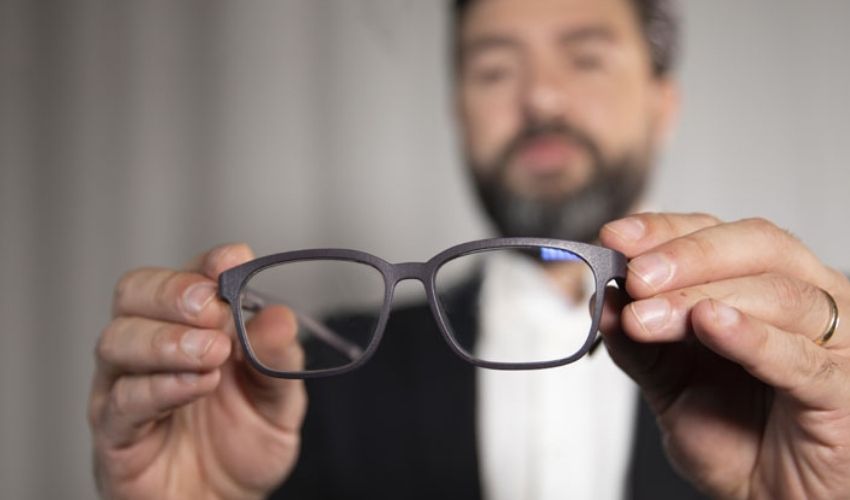
One of the many benefits of using 3D printing for the manufacture of products is that it enables companies to move from away mass-production to mass-customization — offering a selection of colors and styles to suit the tastes of each individual consumer. Taking it a step further, 3D technologies, such as facial scanning, also allows companies to offer personalized products tailored to the unique features and characteristics of the individual. Furthermore, with 3D printing technologies, companies can produce high-quality glasses frames with materials, such as Polyamide 12 (PA-12), also known as Nylon. This particular 3D printing material is known for its durability and abrasion resistance which is why we see it used widely in the wearables space. Which brings us to Materialise, a Belgium-based company that has established itself as an innovator in the eyewear market. The company uses 3D printing to create high-end glasses, offering design freedom for brands to execute their creative vision as well as personalized fit for customers. To get a better understanding of the use of 3D printing in the eyewear sector, we spoke with Alireza Parandian, Head of Global Business Strategy, Wearables at Materialise.
3DN: You’ve been working with Materialise for over 7 years now, but when did you first get your start in additive manufacturing?
I was running the networking part of a big EU-funded project. It was the first European project on digital production and through that network I became acquainted with Materialise. We were working on technology and application mapping to guide how emerging technology could be used to create new applications in the market. As part of this project I wrote a paper on how to find new applications and this brought me to see the possibilities presented by additive manufacturing. AM was a new technology that had at its core the value proposition that enabled freedom of design. Something that was not possible with other technologies for manufacturing. In fact, for more than century there wasn’t such a real innovation in manufacturing except incremental changes in making production more efficient. The time I joined Materialise coincided with the introduction of new materials and faster technologies. This meant it had become more economically viable and relevant to move to serial production.

Alireza Parandian, Head of Global Business Strategy, Wearables at Materialise. (Photo Credit: Materialise)
3DN: What are some of the specific issues consumers have with traditional glasses, and how does 3D printing solve these issues?
The biggest challenge for consumers is finding a pair of frames that fits them perfectly. Everyone’s features are different — the nose bridge, the temple length, and face shape are unique to every person. That not only impacts the wearability and comfort but it also has an impact on the visual experience you can deliver with a pair of corrective frames. To make it tangible, 1 in 4 consumers have trouble finding glasses that fit properly. Current manufacturing technologies for eyewear limit the ability of brands to offer a variety of choices and sizes. It is difficult for them to easily address the issue of fit in the way they manufacture today. Additive Manufacturing can offer a solution to help find a custom fit. With AM you can produce with greater flexibility, or completely on-demand. Brands can create a single, custom-fit frame from a digital facial scan, or include multiple sizing opportunities for temples and fronts.
More from the desk
Six other notes from the rest of the bench.
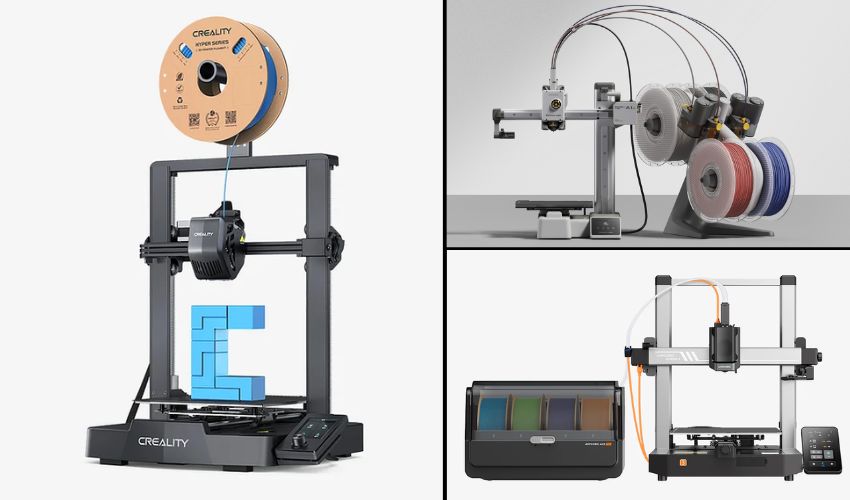 PrintersThe Best 3D Printers for BeginnersBringing 3D printing into your home or office opens the door to endless creative possibilities. Whether you’re looking to create custom parts, gadgets, figurines, or unique decor, 3D printers offer a diverse range of applications for both utility and fun.…
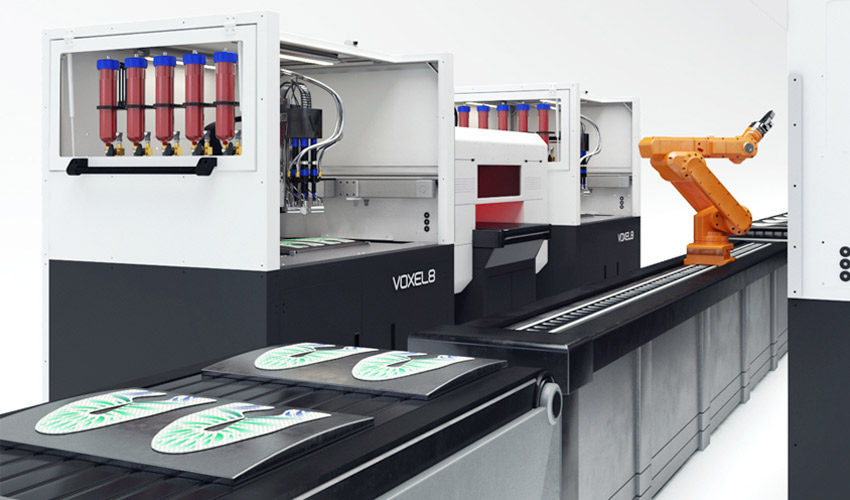 Guides#3DStartup: Voxel8, revolutionising footwear & athletic apparel design and productionVoxel8 is a young American company that has developed a multi-material additive manufacturing solution focused mainly on the design of sports shoes and clothing. While many actors have focused on creating 3D printed soles, Voxel8 designs the entire upper part…
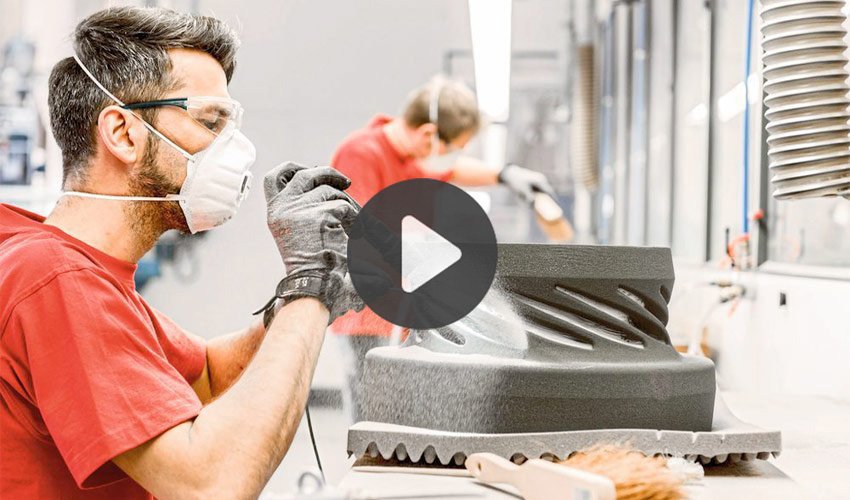 NewsTop 5 Videos: What Are the Different Industrial Post-Processing Techniques?It’s Sunday again which means it’s time for the top 5 3D printing videos! For this week, first, check out the video from Ridge Systems which looks at six common post-processing techniques for professional 3D printed parts. Next, follow the…
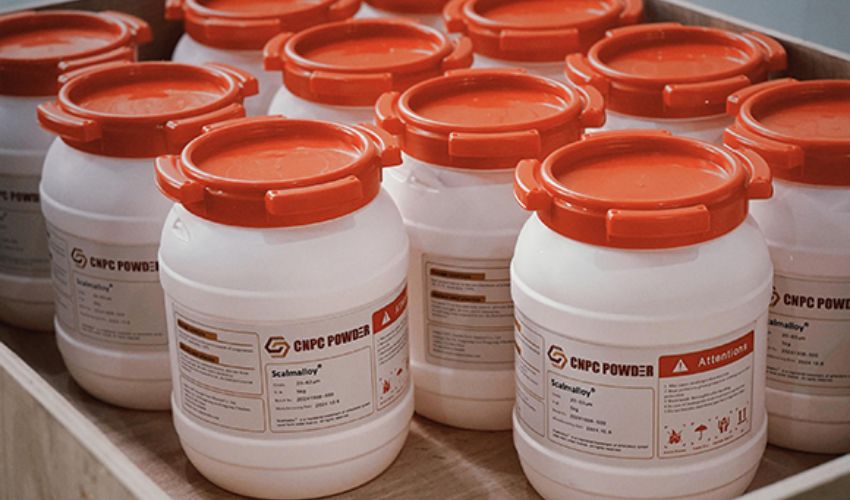 MaterialsAutomotive AM Takes a Green Turn with Brose and CNPC Powder PartnershipCNPC Powder and automotive supplier Brose have entered a strategic partnership to promote sustainable, circular manufacturing in the automotive industry. This collaboration will convert steel scrap metal from Brose’s Chinese production lines into CNPC’s iron-based powders f
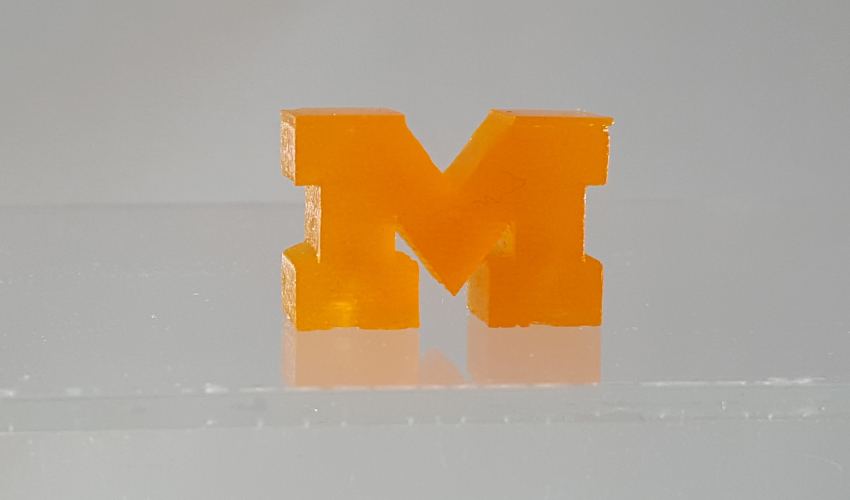 News3D Printing with Light: it’s 100 times fasterAt the University of Michigan, researchers have developed a new 3D printing method which is 100 times faster than normal. The paper published in the journal Science Advances described the new process; it promises faster and more efficient small-scale manufacturing…
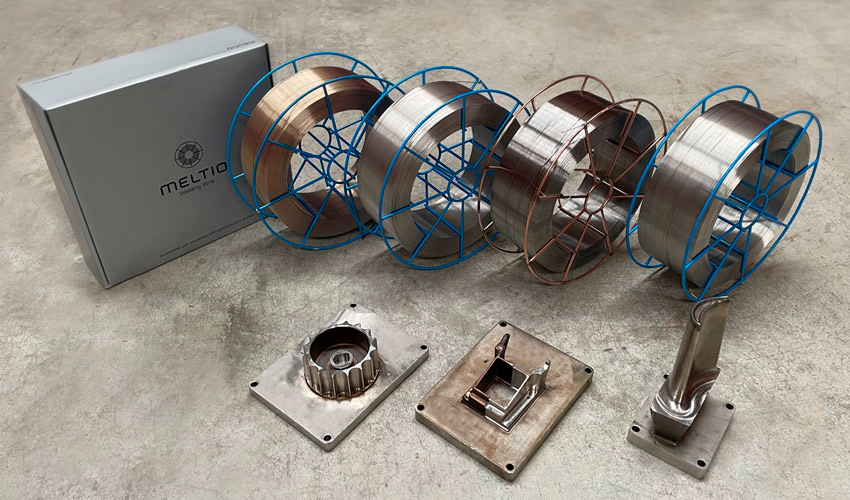 MaterialsMeltio Has Launched New Materials, Allowing for Parts With Guaranteed Properties for a Broader Range of IndustriesMeltio, an international manufacturer of metal 3D solutions based in Spain and the US, has announced that it is launching four new materials, Stainless Steel 17-4PH, Tool Steel H11, Nickel 625 and Invar, as part of its metal wire materials…