Printers
VELO3D raises $28 million to expand its product portfolio
Metal additive manufacturing solution provider, VELO3D, announced that it has raised $28 million in a Series D funding round. New investors Piva and TNSC joined the round, along with existing investors Bessemer Venture Partners, Playground, and Khosla Ventures. This brings&hellip
- 3 min read
- Printers
- Six more stories
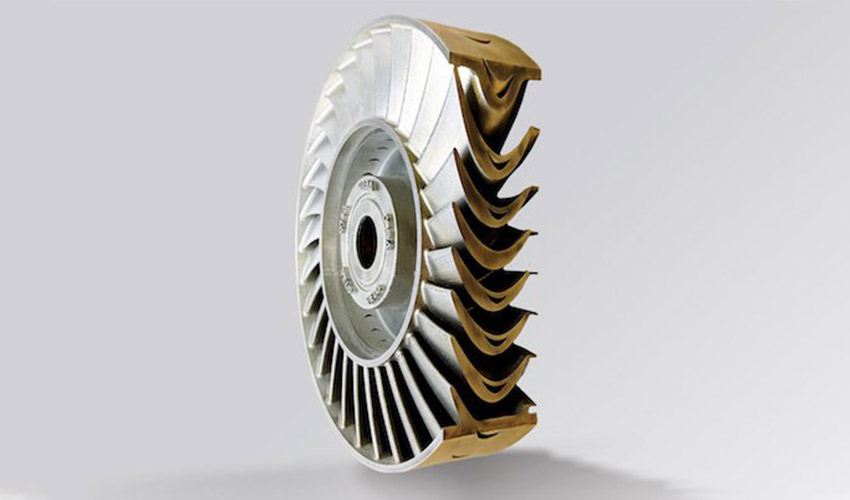
Metal additive manufacturing solution provider, VELO3D, announced that it has raised $28 million in a Series D funding round. New investors Piva and TNSC joined the round, along with existing investors Bessemer Venture Partners, Playground, and Khosla Ventures. This brings VELO3D’s total funding to $138 million. Given the current COVID-19 health pandemic, and the economic uncertainty it is creating, this was no easy task. However, investors are confident in VELO3D’s technology and what it is capable of bringing to the industry.
In fact, VELO3D also launched a new large-format metal 3D printer two weeks ago. It is the next-generation model of its Sapphire system, enabling parts up to 1 meters to be made. The company revealed that their new machine had been developed to enable new applications in the oil services and aerospace fields. Knust-Godwin, already a client of VELO3D, was set to become the first adopter of the platform, and will use the system to manufacture end-use parts for the oil and gas industry.
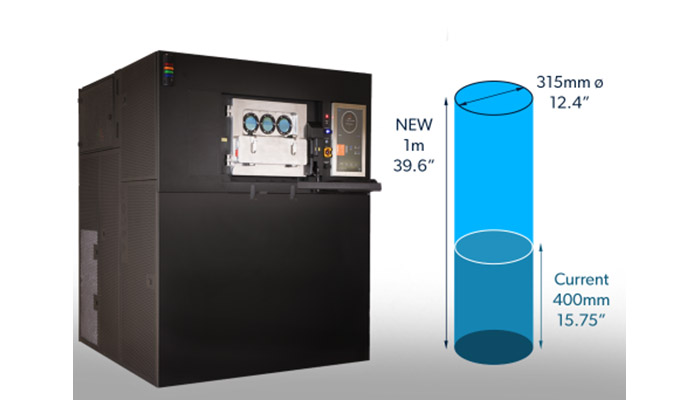
Next-generation Sapphire 3D printer | Credits: VELO3D
VELO3D raises $28 million to expand machine options, compatible alloys and software
Why is VELO3D’s technology so interesting for industrial sectors? The company has developed a support-less technology for metal additive manufacturing. This feature adds even greater design freedom to additive manufacturing as designers are not limited by the supports typically necessary in most metal AM processes such as Laser Powder Bed Fusion. Using support-free building reduces the human element so it increases reliability and repeatability. Support removal is still a manual process, therefore it’s very hard to control and post-processing steps take longer and are more expensive.
More from the desk
Six other notes from the rest of the bench.
 PrintersZimple: 3D Printing without Toxic EmissionsNicolas and Antoine of “Zimple” launched their Kickstarter campaign earlier this year for a 3D printer filtration system that helps to significantly reduce the toxic emissions that are produced during printing. Their filtration system called the “Zimpure”
  Printers3Dnatives Lab: Our Test of the Micro 3D Printer by M3DIf you’ve been watching the 3D printing market for some time, you’ve heard about the Micro from M3D. The Micro 3D printer is a compact printer that was launched through a Kickstarter campaign in April 2014, and was advertised as one…
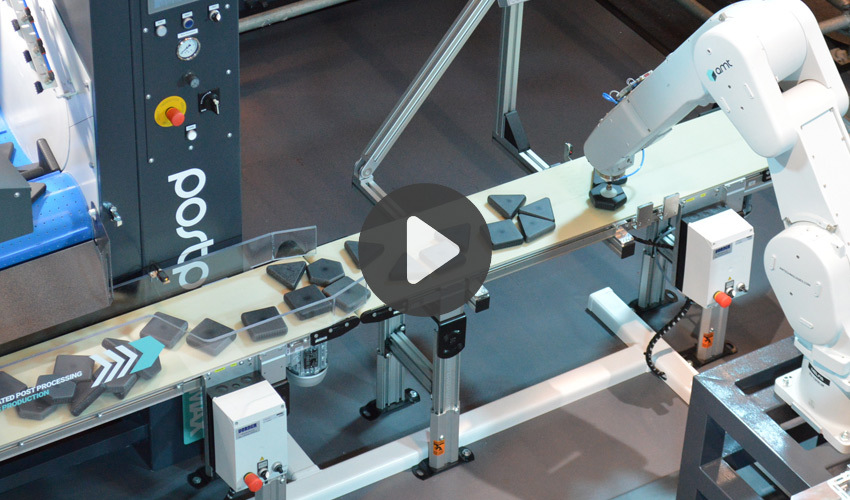 NewsAMT Improves Post-Processing With its Digital Manufacturing SystemAMT is a leading developer of post-processing solutions for additive manufacturing. Its mission is to make this technology a viable alternative to traditional manufacturing through its line of automated post-processing solutions, called PostPro. It is once again at Formnext 2022&
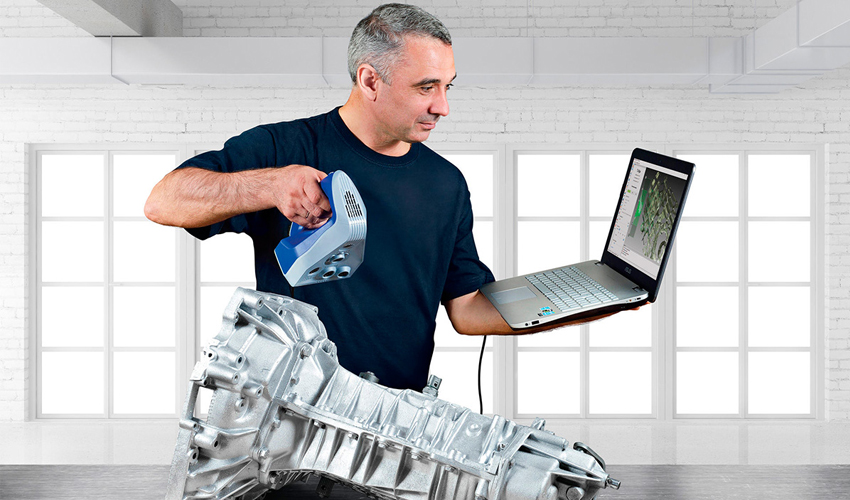 PrintersHow to choose a 3D scanner: Experts give their advice!A few months ago, our experts gave you the keys to choose the right 3D printer and filament. Today, we come to you with an expert advice about 3D scanners: we asked three experts from Artec 3D, Thor3D and 3DChimera to…
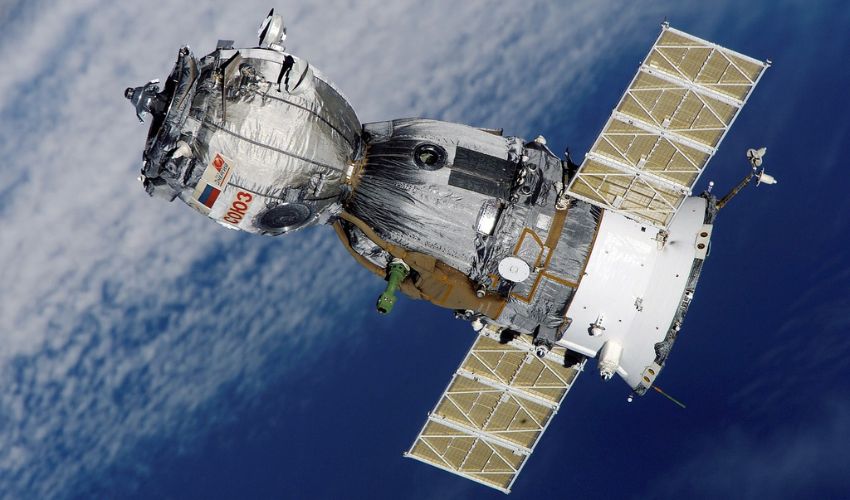 ApplicationsAdditive Manufacturing Is the Key for Freeform Optics in SpaceOne of the increasingly important ways that additive manufacturing is being used in outer space is for the creation of better parts for satellites. Satellites are critical for our way of life, with an estimated 9039 currently orbiting earth as…
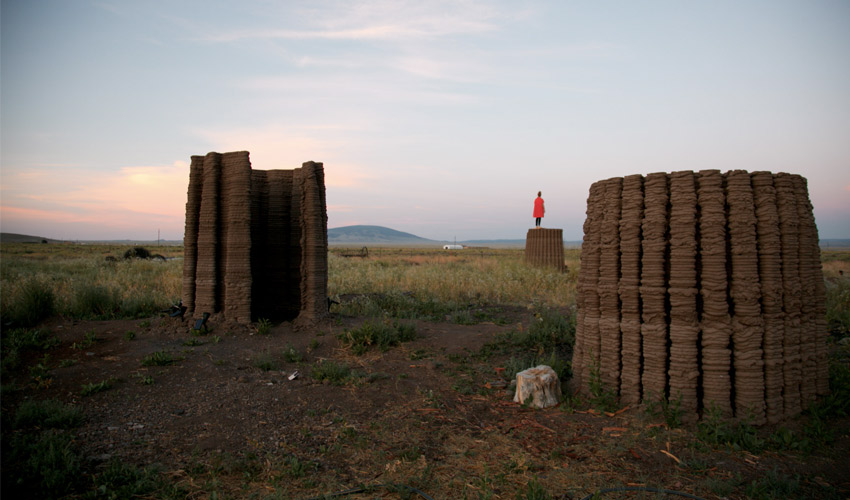 NewsMud Frontiers are 4 3D printed huts that showcase sustainable construction methodEmerging Objects presented its new project called Mud Frontiers, which aims to promote a more sustainable and accessible construction method. Led by architects Ronald Rael and Virginia San Fratello, the project consists of 4 3D printed huts from a mud-based…